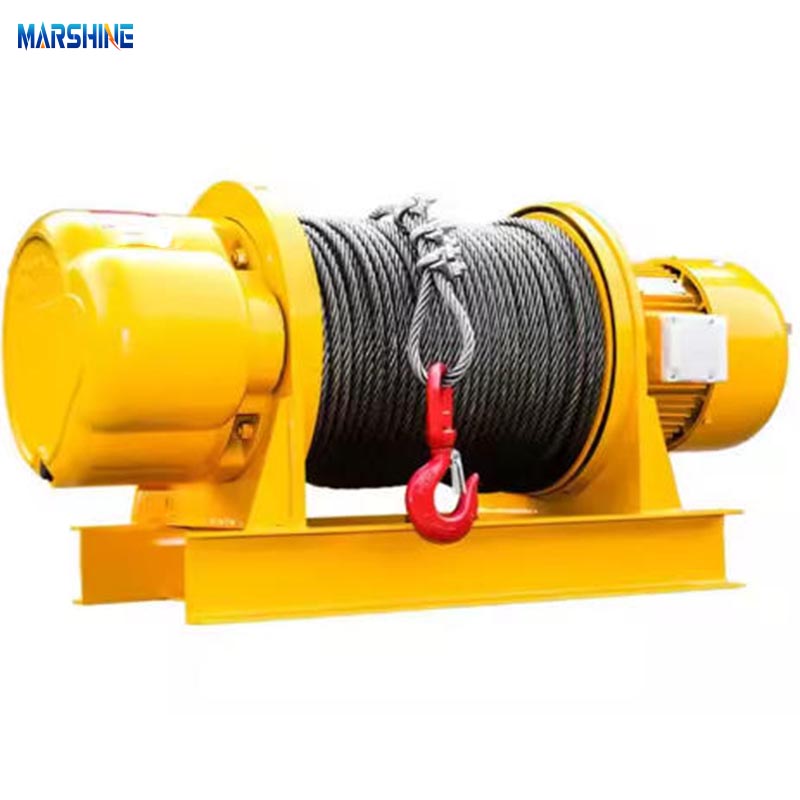
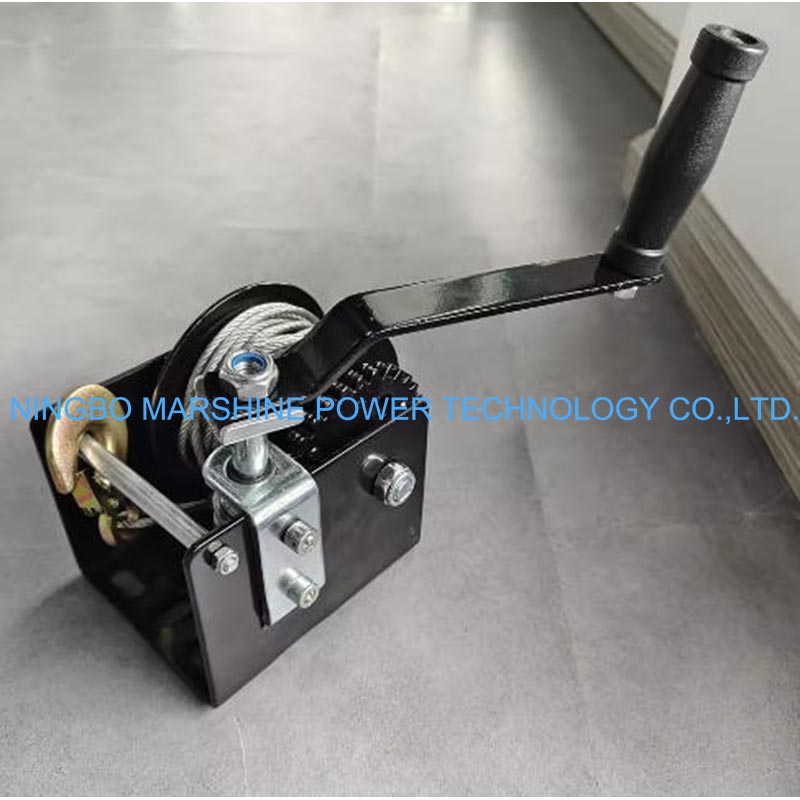
Worm gear winches play a crucial role in enhancing safety across various industrial settings. They offer reliable load handling, which minimizes the risks associated with heavy lifting. Industries such as automation, building infrastructure, and agriculture benefit from these winches. With their robust design and advanced features, including the MARSHINE brake hand winch, they ensure safer operations. Additionally, the portable hand winch and mini hand winch variants provide versatile solutions for different lifting needs, further contributing to safe and efficient operations.
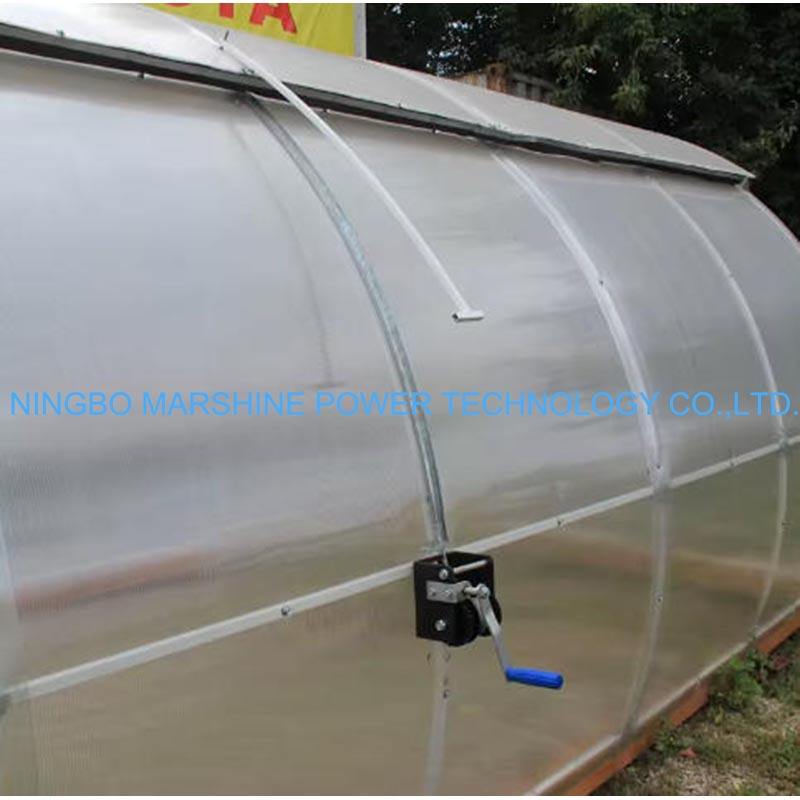
Worm gear winches stand out due to their unique gear ratios, which significantly influence their load capacity. These winches typically feature a high reduction ratio, allowing them to produce increased torque output. This means they can handle heavy loads effectively, making them ideal for various industrial applications.
For instance, the gear ratios in worm gear winches can vary widely, often ranging from 3:1 to as high as 80:1. Here’s a quick overview of common gear ratios and their applications:
| Gear Ratio | Application Description |
|---|---|
| 3:1 | General-purpose ratio for moderate torque and speed. |
| 5:1 | Suitable for heavier industrial applications needing more torque. |
| 10:1 | Common in systems requiring high torque at slower speeds, like heavy machinery. |
Higher gear ratios increase torque, allowing machinery to handle heavier loads. This is particularly important in settings where safety is paramount. The self-locking feature of worm gears prevents reverse drive, making them perfect for winches and elevator brakes. This design not only enhances safety but also ensures that operations remain smooth and controlled.
However, it’s essential to note that while worm gear winches excel in torque output, they typically have a transfer efficiency of only 35-40%. This means that they operate at slower speeds compared to other systems, like planetary gears, which can manage higher speeds and efficiency in power transfer. The trade-off between speed and safety is a crucial consideration in industrial settings.
The design and construction of worm gear winches play a vital role in their durability and safety. These winches utilize a cylindrical worm that drives a round worm gear, which then rotates the winch drum. This construction method offers greater strength and facilitates easier repair, contributing to the overall reliability of the winch.
The worm gear train features a screw-like worm meshing with a worm wheel. This design provides very slow line speed while maintaining excellent load-holding capability. The friction generated in this setup reduces the need for the winch brake to work hard, often allowing the gear train itself to prevent the drum from unwinding under load. This characteristic makes worm gear winches especially safe and durable for applications requiring precise control and static holding.
To ensure long-term safety performance, consistent maintenance is crucial. Routine inspections and care help eliminate hazards linked to neglected or damaged winches. Proper upkeep not only prolongs the winch’s lifespan but also supports safe operations, reducing the risk of accidents.
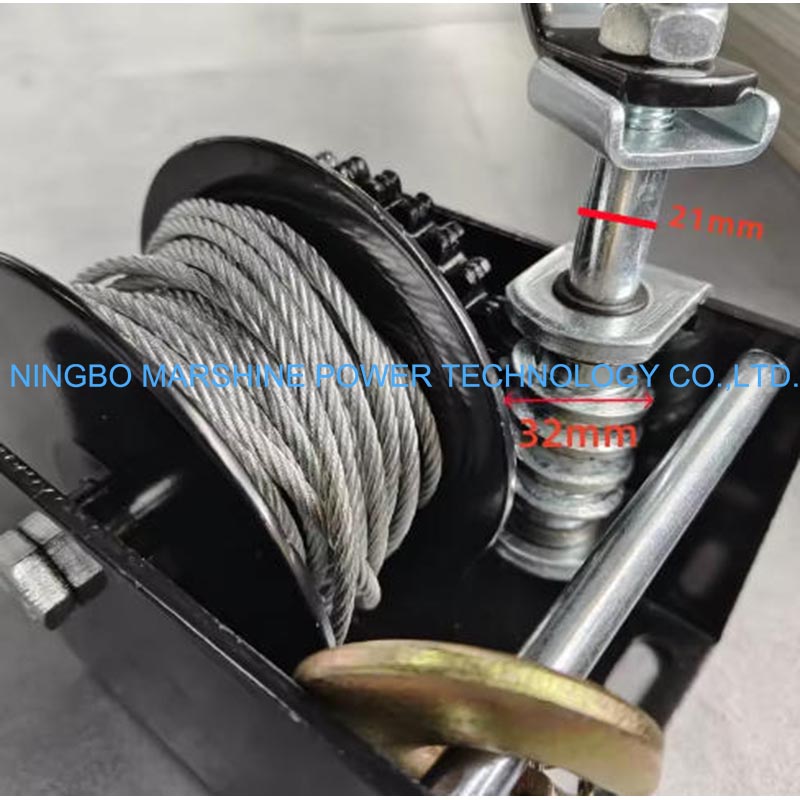
Worm gear winches are known for their impressive holding power. This feature is crucial in industrial settings where safety is a top priority. Unlike other winch types, worm gear winches have a self-braking capability. This means they can hold loads securely without needing an additional braking system. This design meets the SAE J706 standard for brake holding force, showcasing the robustness and reliability of these winches in heavy-duty applications.
In practical terms, this high holding power translates to fewer accidents and safer operations. Workers can trust that the load will remain in place, even when the winch is not actively engaged. This reliability is essential in environments where heavy lifting is routine.
Smooth operation is another significant safety feature of worm gear winches. The unique design of these winches ensures that lifting and lowering loads happens without sudden jerks or stops. This smoothness is vital for maintaining control during operations, especially when handling delicate materials or equipment.
Here’s a quick look at the features that contribute to this smooth operation:
| Feature | Description |
|---|---|
| Worm Drive Mechanism | Ensures incredibly smooth, jerk-free operation during lifting and lowering. |
| Self-Locking Design | Prevents back-driving, enhancing safety and control during operation. |
| Automatic Brake | Provides additional safety for delicate industrial tasks, ensuring precision in operation. |
The worm gear drive consists of a worm and a worm wheel, where the worm's helical teeth engage with the worm wheel. This engagement creates sliding friction, which not only contributes to smooth operation but also minimizes noise. Such characteristics make worm gear winches particularly advantageous for applications requiring low-speed, high-torque output.
Integrated braking systems further enhance the safety of worm gear winches. These systems work seamlessly with the winch's design to provide additional security during operation. The automatic brake engages when the winch is not in use, ensuring that loads remain stationary. This feature is especially important in environments where workers may be moving around heavy loads.
Moreover, the braking system is designed to respond quickly and effectively, reducing the risk of accidents. Operators can focus on their tasks without worrying about the load shifting unexpectedly. This peace of mind is invaluable in high-stakes industrial settings.
Worm gear winches have proven their worth in many industrial environments. For example, Pfaff-silberblau SHE worm gear screw jacks are widely used in construction machines. These jacks handle heavy loads with ease, which helps improve safety on busy job sites. Workers can rely on the steady, controlled lifting these winches provide, reducing the chance of accidents caused by sudden load shifts.
Many industries also use brake hand winches for their dependable load control. These winches offer smooth operation and strong holding power, making them perfect for tasks that require precise positioning. The brake hand winch design ensures the load stays put even when the operator releases the handle, adding an extra layer of safety.
Operators must always inspect the winch and surrounding area before use. They should never exceed the rated capacity or attach loads improperly. Following a regular maintenance schedule keeps the winch in top shape and prevents failures that could lead to accidents.
When comparing worm gear winches to planetary or spur gear winches, safety stands out as a key advantage. Worm gear systems naturally resist back-driving thanks to their high friction. This means the load won’t slip backward, which is crucial for hoists and lifts where secure load holding matters most.
| Winch Type | Load Holding | Need for Additional Brakes | Efficiency | Safety Notes |
|---|---|---|---|---|
| Worm Gear | Excellent | Usually not needed | Lower | Self-braking, ideal for load control |
| Planetary Gear | Good | Often required | Higher | Needs extra brakes, more failure points |
| Spur Gear | Moderate | Usually required | Higher | Less natural load holding |
Worm gear winches, including brake hand winch models, often come with built-in self-braking features. This reduces the risk of mechanical failure compared to other winches that rely on separate brakes. Plus, the worm and worm wheel design provides significant gear reduction and a natural braking effect, making it tough for the load to move unintentionally.
To boost safety further, operators should follow guidelines like using proper materials, guarding moving parts, lubricating gears, and having emergency disconnect switches and limit switches in place. These measures help prevent accidents and keep the winch running smoothly.
In short, worm gear winches combine strong mechanical design with smart safety features. Whether it’s a brake hand winch or a larger cable winch, these tools help workers handle heavy loads safely and confidently.
Brake hand winches offer significant advantages in industrial settings, particularly when it comes to safety. These winches are designed to provide reliable load control, making them essential tools for various lifting tasks.
Using a brake hand winch comes with several key benefits:
These advantages contribute to a safer working environment, reducing the risk of injuries during manual lifting operations.
Brake hand winches incorporate several safety features that enhance their reliability:
Additionally, brake hand winches have automatic brakes that engage when the handle is released. This prevents the drum from unwinding and the load from slipping, which is crucial for heavy or awkwardly shaped loads. The mechanical brake engages automatically, holding the load securely at any height. With no free-wheel mode under load, these winches ensure maximum safety.
In summary, worm gear winches offer essential safety benefits in industrial settings. They provide a significant mechanical advantage, allowing operators to lift heavy loads with minimal effort. Their high holding power ensures that loads remain secure, preventing accidents. Additionally, the integrated braking system holds the load in place when not in use, making these winches vital for safe operations.
🚀 With their robust design and specialized features, worm gear winches truly enhance safety in various industrial applications.
Worm gear winches lift heavy loads safely in various industrial settings, including construction, agriculture, and automation.
These winches provide high holding power, smooth operation, and integrated braking systems, reducing the risk of accidents during lifting tasks.
Yes, brake hand winches feature automatic braking systems that secure loads when the handle is released, enhancing safety during operations.