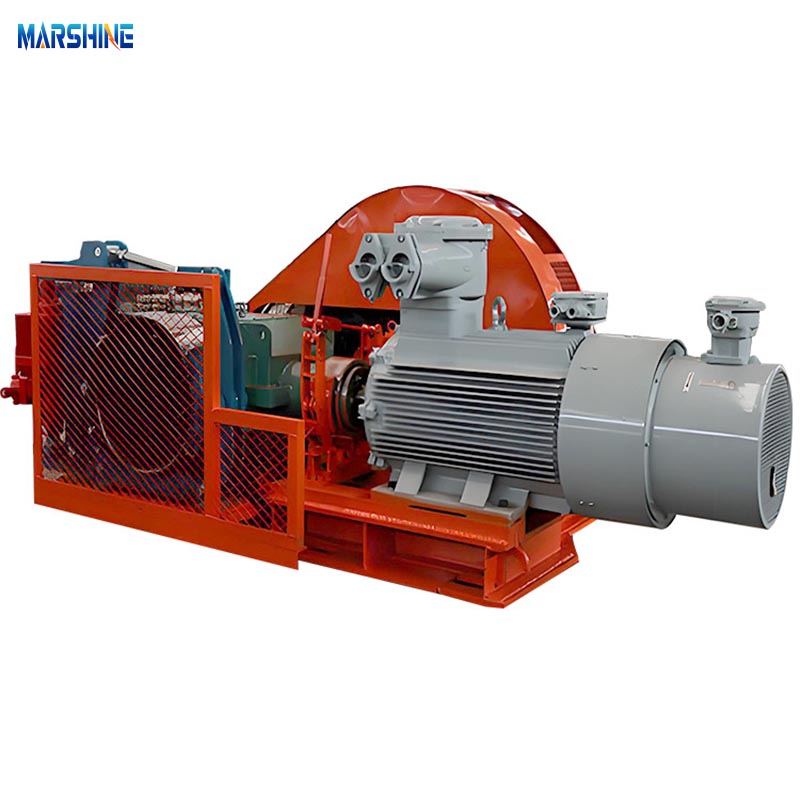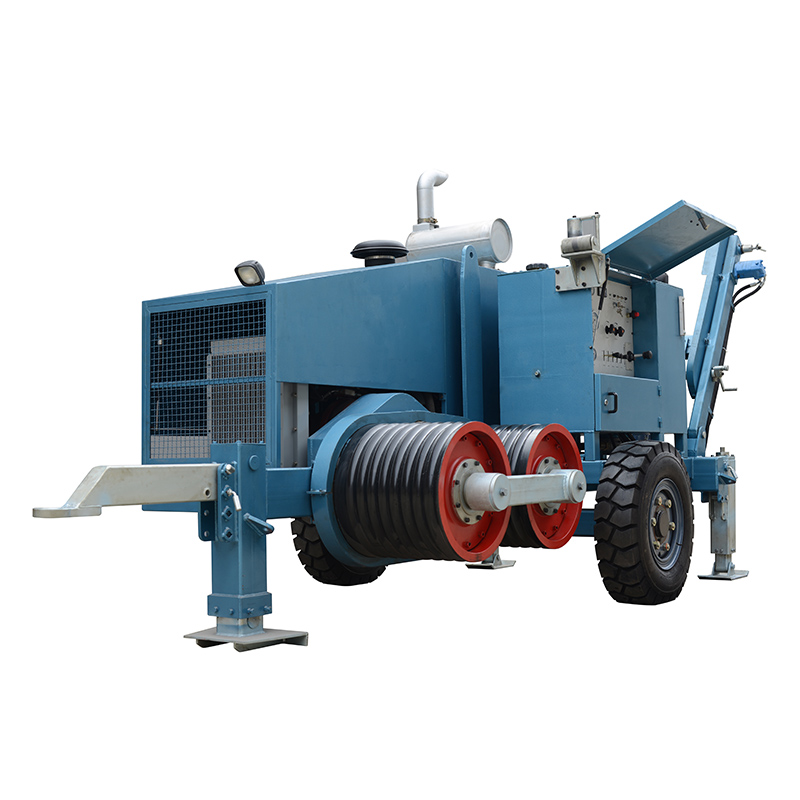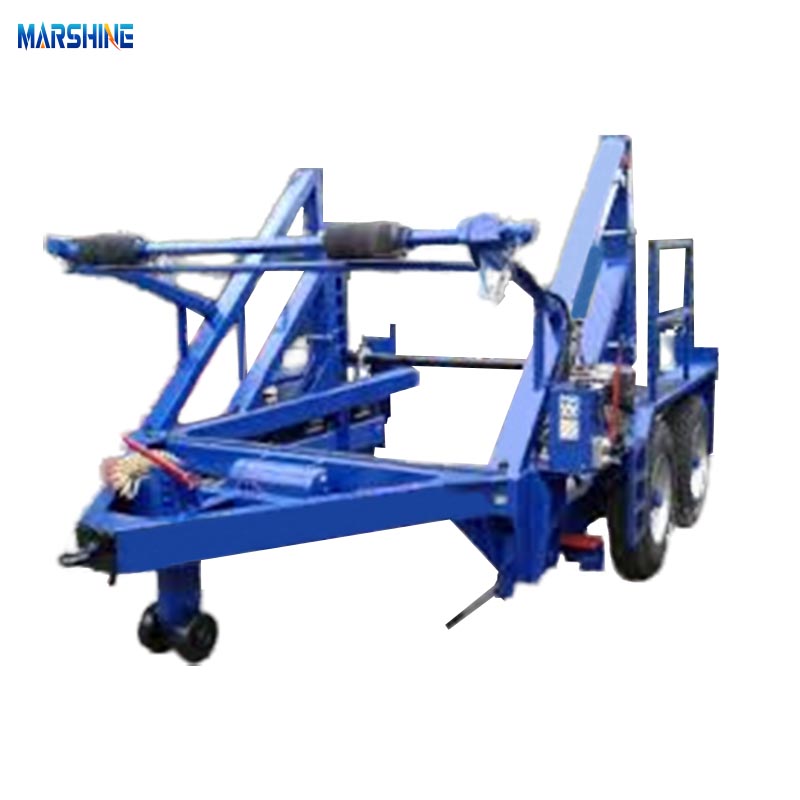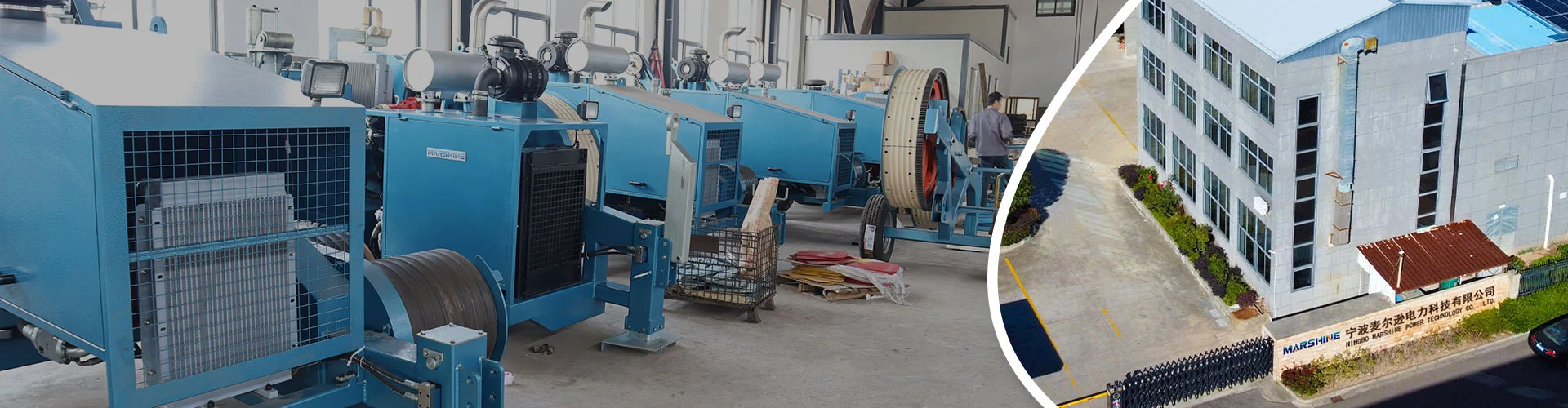
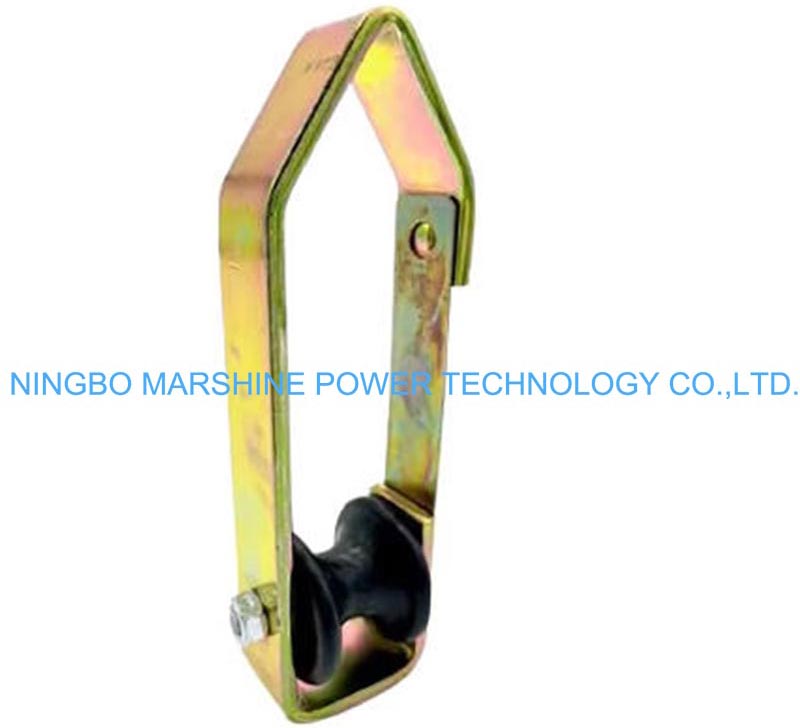
Smart rolling practices prevent cable damage and significantly reduce replacement costs. They also eliminate frustrating tangles and kinks, ensuring your cables perform reliably. Did you know a large percentage of cable failures stem from improper handling during installation? MARSHINE offers quality tools, like a robust cable roller and a reliable cable reel roller, which aid in mastering these effective techniques for cable longevity.
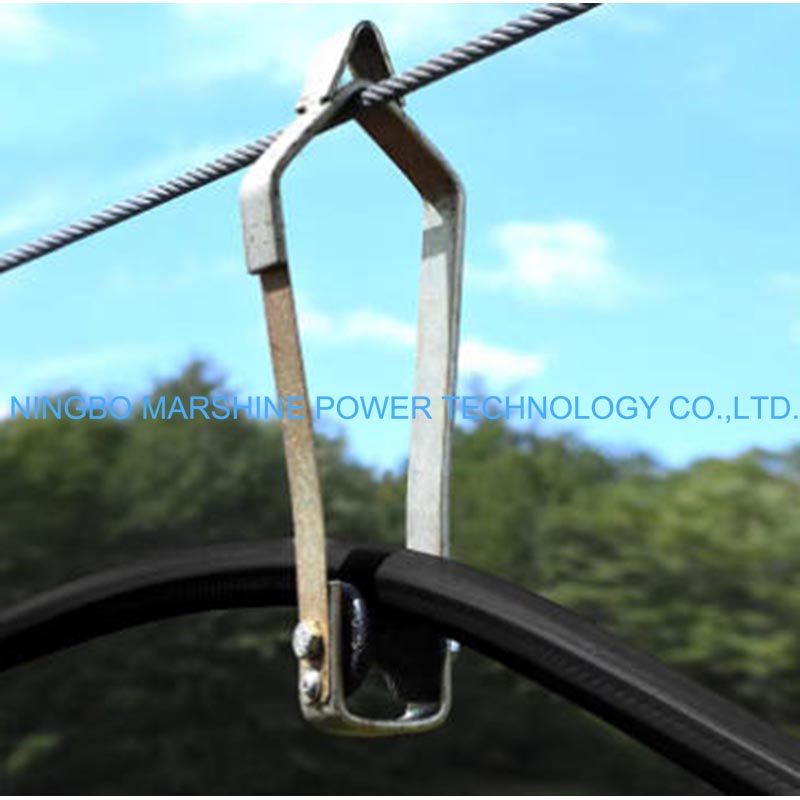
Tight coiling might seem like a neat way to store cables, but it causes hidden damage. This practice puts immense stress on the internal wires. Over time, this stress leads to internal wire damage, including broken conductors and insulation breakdown. Such internal damage significantly affects cable performance. Beyond physical harm, tight coiling also impacts signal quality. Correct coiling is crucial for performance, not just looks. Avoiding tight bends and kinks prevents damage to the internal structure and helps maintain clear signals. Industry reports show that proper coiling can reduce EMI-related issues by up to 50%. This leads to a cleaner signal, especially for audio applications.
Twisting cables is another common mistake that shortens their lifespan. Wires inside a cable constantly stretch, twist, and bend during use. The cable's layered design allows wires to interact during fatigue. Repetitive movement causes wires to rub against each other, or against terminals and clamps. This rubbing leads to 'fretting corrosion' or 'friction corrosion' on the wire surfaces. Eventually, the material weakens from fatigue, causing fractures and breakage. Higher bending-torsional stresses in the cable structure often contribute to this. You might notice symptoms like a loss of continuity when copper conductors sever. This happens when insulated conductors twist with incorrect pitch. Sometimes, the entire cable shows a visible 'corkscrew' deformation, resembling a 'pigtail'. This results from torsional forces releasing due to incorrect cable setup. Copper braid shields are also very prone to mechanical fatigue from twisting.
Many people wrap cables by holding one end and winding the cord around their hand. This "over-over" method, often done around a hand, continuously twists the cable along its entire length. This twisting action stresses the cable over time. It increases the chance of internal shorts, which can make the cable stop working. It also creates open gaps in the cable's shielding, allowing more interference. This problem is especially bad for instrument and microphone cables, which are more sensitive to noise. Using a proper tool, like a cable roller, helps you avoid this damaging practice. A cable roller ensures a consistent and gentle coil, protecting the cable's integrity.
The over-under technique is a fundamental skill for anyone handling cables regularly. It is a method for coiling cables that respects their natural twist. This technique involves alternating the cable's direction as you coil it. You create one loop by going "over" and the next by going "under." This simple action prevents the cable from developing detrimental twists. It ensures the cable lies flat and untwisted. This method is crucial for maintaining signal integrity. It preserves the cable's natural lay, which is vital for its internal structure.
This principle differs significantly from traditional coiling methods. Traditional methods often lead to frustrating tangles and kinks. They can "mess up" cables quickly. The over-under principle, however, prevents these issues. Cables coiled this way can be tossed loosely without tangling. This technique also preserves the shielding effect in twisted pair cables. This includes audio, BNC, and coaxial cables. Traditional methods may not protect this shielding. Running cables coiled with the over-under method is also much easier. They do not untwist themselves during deployment. This contrasts with methods that involve "regular loops" or the "elbow thing."
Mastering the over-under technique becomes even easier with the right tools. A quality cable roller, like those from MARSHINE, helps you achieve perfect coils every time. Here are the steps for performing this technique:
For Right-Handed Individuals:
For Left-Handed Individuals:
Using a cable roller during this process provides stability. It also helps maintain consistent loop sizes. This makes the coiling process smoother and more efficient.
The over-under technique offers significant benefits for cable performance and durability. It extends the life of your cables considerably. This method prevents stress and damage to the internal wires. This is especially true for multi-core and twisted pair cables. It generally preserves the cable's integrity over time.
Many types of cables benefit greatly from using this technique. These include:
By preventing internal damage and maintaining the cable's natural structure, this technique ensures reliable signal transmission. It reduces the likelihood of intermittent connections or complete cable failure. Investing in a durable cable roller from MARSHINE helps you consistently apply this technique. This protects your valuable equipment and saves you money on replacements.
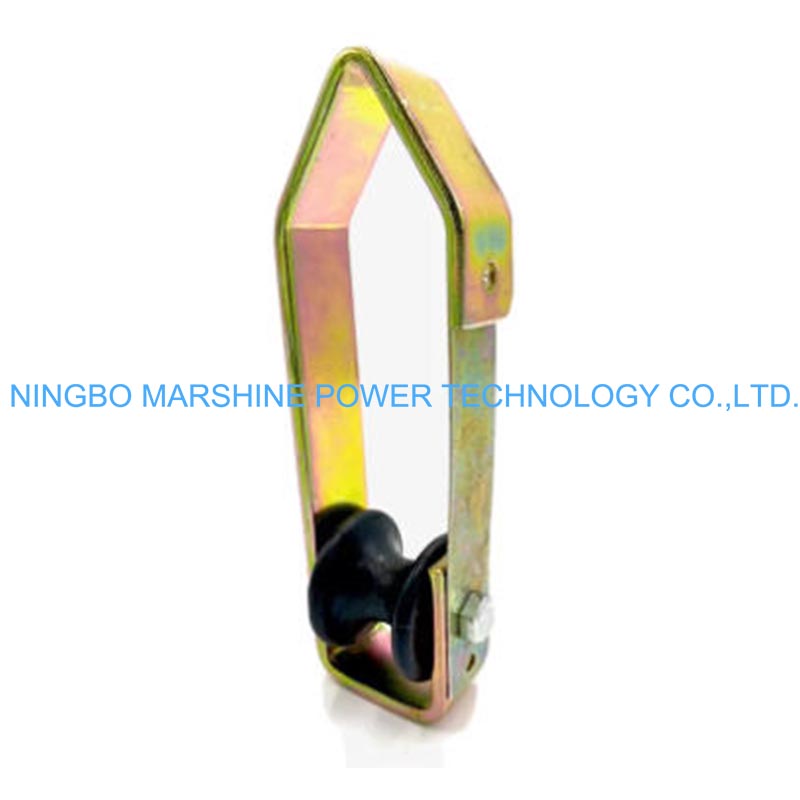
Tight bends are silent killers for your cables. They might seem harmless, but they cause significant internal damage. For example, tight bends deform the cable jacket. This exposes conductors, making the cable vulnerable to further damage and eventual failure. Overly sharp bends physically harm internal components. This includes insulation, conductors, and shielding.
Tight bends also impact signal quality. They increase attenuation, especially in fiber optic cables, where bending stress leads to signal loss. For copper cables, tight bends cause insertion loss. Signals escape, and electrons face added resistance, which slows down networks. They also increase Near-end Crosstalk (NEXT). Tightly bent cables force conductors closer together. This leads to electromagnetic interference and more NEXT, resulting in data errors or dropped signals.
Excessive bending can crush insulation or crack fiber cores. This creates internal fractures that worsen over time. Sharp bends reduce durability and create points of failure. You often see this in cables routed around tight corners in walls or ceilings. In power cables, excessive bending increases resistance, generates heat, and can even cause short circuits or electrical fires.
To prevent these issues, always respect the cable's minimum bend radius. This is the smallest radius a cable can bend without damage. Different cable types have different standards:
| Cable Type | Minimum Bend Radius Standard |
|---|---|
| Unshielded Twisted Pair (UTP) | 4 times the cable's diameter; 10 times outside diameter for multi-pair cables |
| Shielded Twisted Pair (STP) | 3 inches for non-plenum Type 1A; 6 inches for plenum-rated cable |
| Fiber Optic Cable | 10 times its diameter; 20 times its diameter when under tension; no less than 1.18 inches |
| 100/120 ohm Balanced Cable | 8 times cable diameter for pulling; 6 times for installed riser cable; 4 times cable diameter for horizontal runs |
Effective cable management tools keep your cables organized and protected. They prevent tangles and reduce stress. Many options exist for different needs.
MARSHINE offers robust tools like the cable roller. A cable roller helps manage cables during deployment and storage. It ensures consistent coiling and prevents kinks. This makes the process smoother and more efficient. Other useful tools include NeatLinks Slim for universal cable management and NeatTech for under-desk solutions.
Storing cables in relaxed positions is key to their longevity. This means avoiding any stress or tension on the cable. Always use Velcro straps or reusable ties instead of rubber bands. Rubber bands can damage cable jackets over time.
Environmental conditions also play a big role. Store cables in a cool, dry place. This prevents material degradation. Control moisture levels using silica gel packets or dehumidifiers. Keep cables away from direct sunlight to avoid UV damage. Maintaining a quality temperature is crucial. High temperatures cause metal wires to expand. This hinders electrical signal transfer. Even if cooled, internal damage from heat exposure can be permanent. Regulating the environment's temperature avoids heat-related damage and increases cable longevity.
When storing, never pull cables from the flange. Do not uncoil them from the top. Improper unspooling creates unnecessary mechanical stress. Ensure cables have enough room to move freely. This minimizes abrasion and reduces stress during motion. Maintain the neutral axis at the maximum bend radius. This prevents tensile strain and reduces failure during repeated motion cycles. Apply proper strain relief on both ends of the cable. Use mounting brackets or tie wrap plates. This keeps the cable's length fixed.
Consider these storage containers for maintaining relaxed positions:
Embrace proper rolling and smart storage for lasting cables. You can save money and avoid frustration by implementing these practices. Tools like MARSHINE's reliable cable rollers help you achieve this. Ensure your cables perform reliably for years, keeping your operations smooth and efficient.
This technique prevents internal twists and stress. It keeps cables flat and untangled. This preserves signal quality and significantly extends cable life.
Yes, a cable roller makes a big difference. It ensures consistent, gentle coiling. MARSHINE's robust cable rollers prevent kinks and stress, making proper technique easy and protecting your valuable cables.
Improper coiling causes internal damage. It leads to broken wires, signal loss, and frustrating tangles. Your cables will fail much faster, costing you money and time.