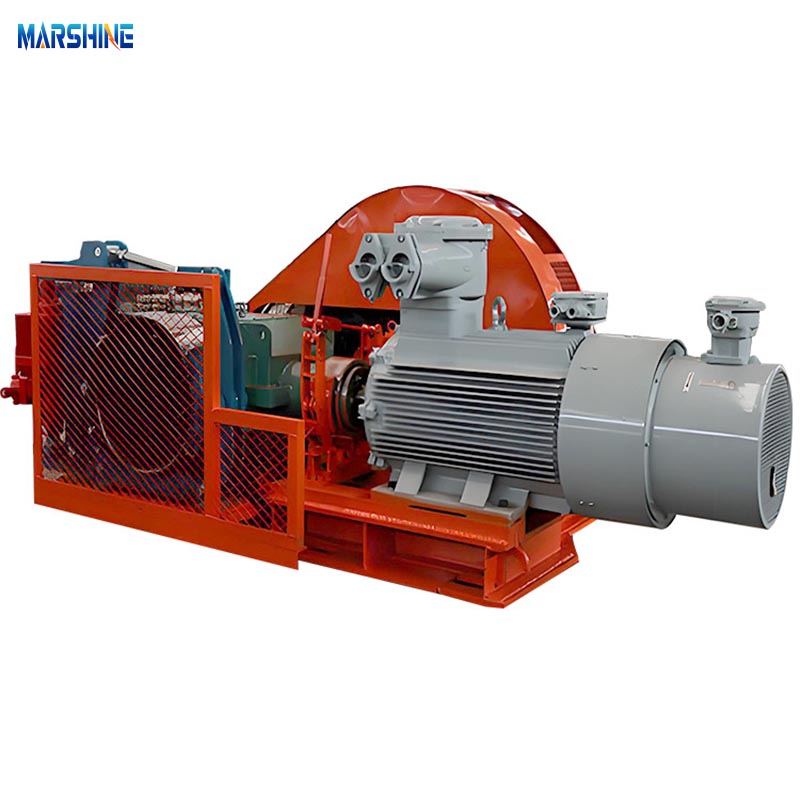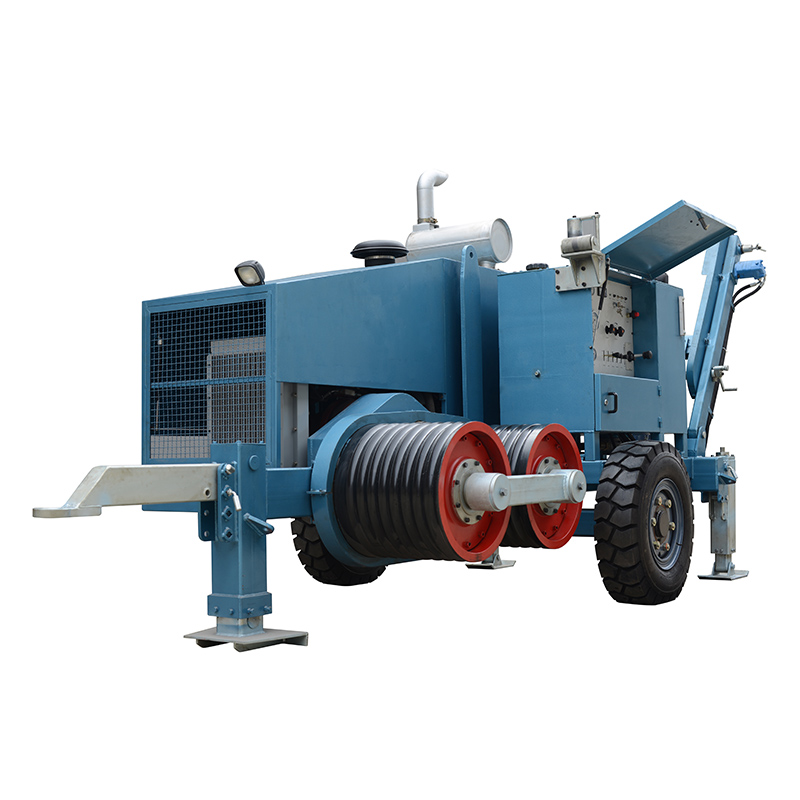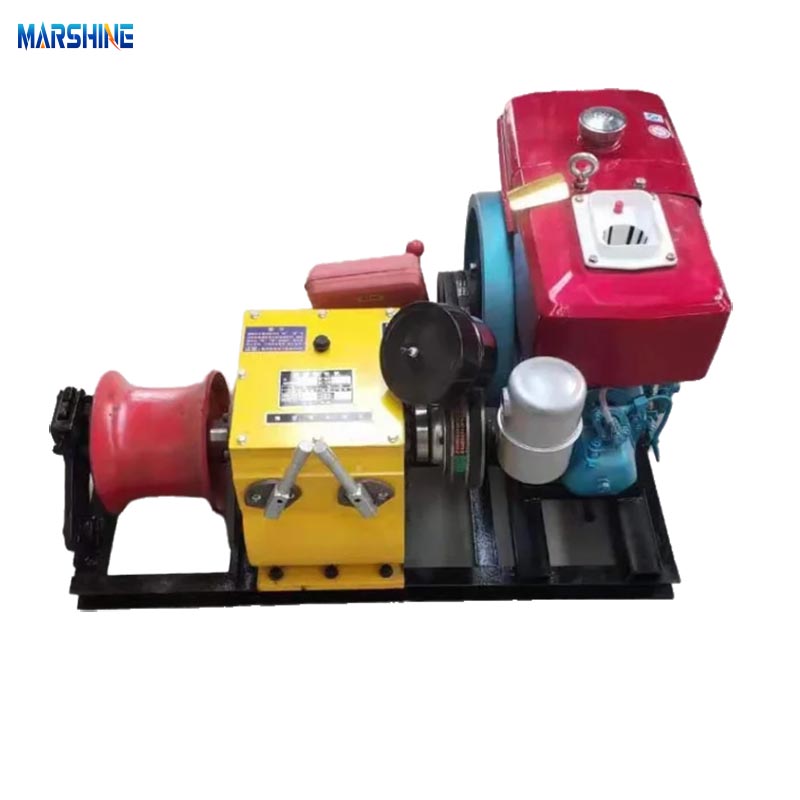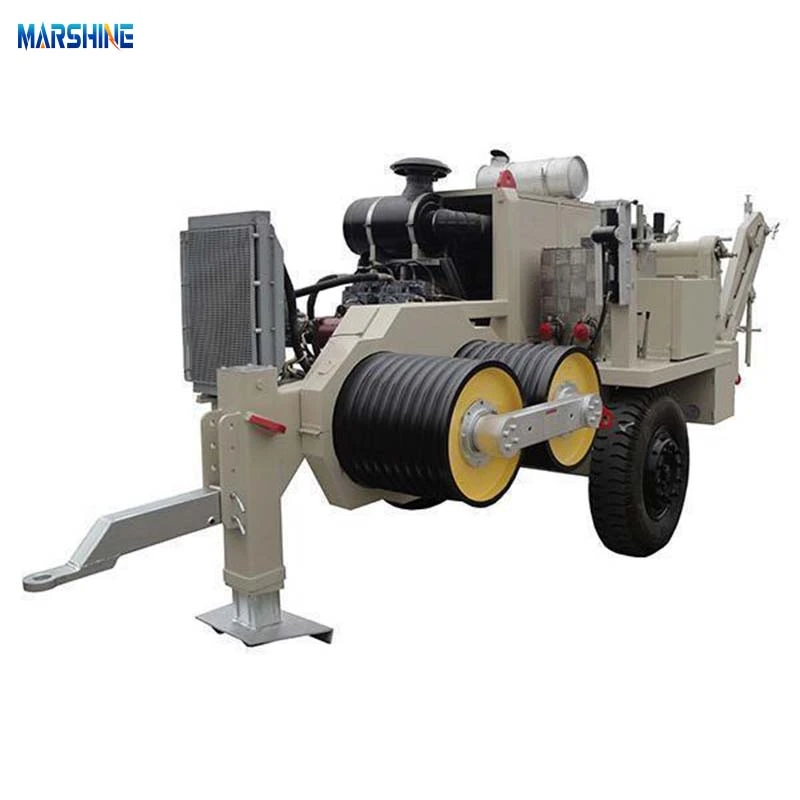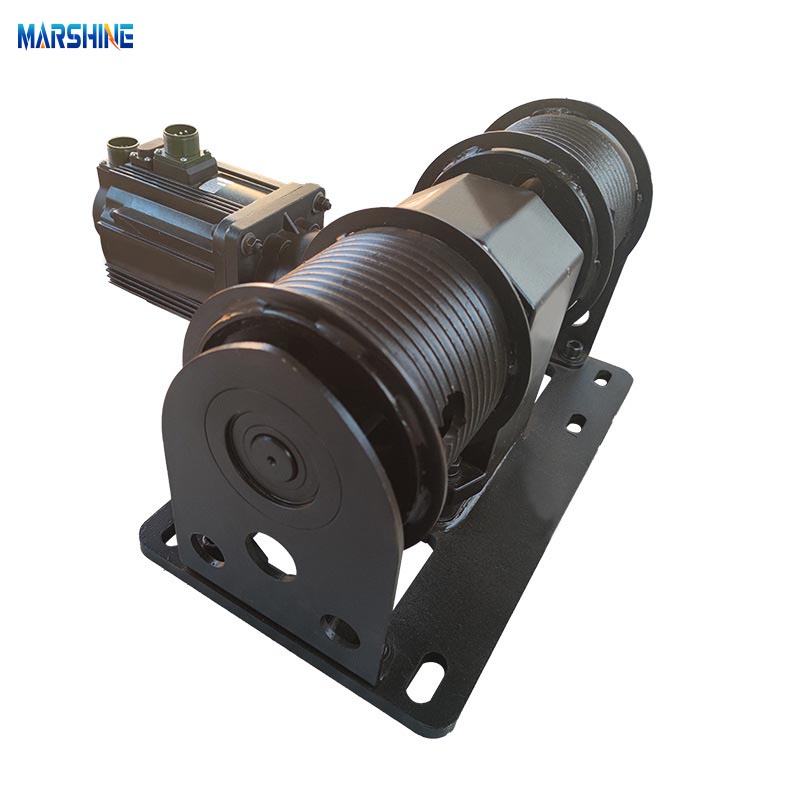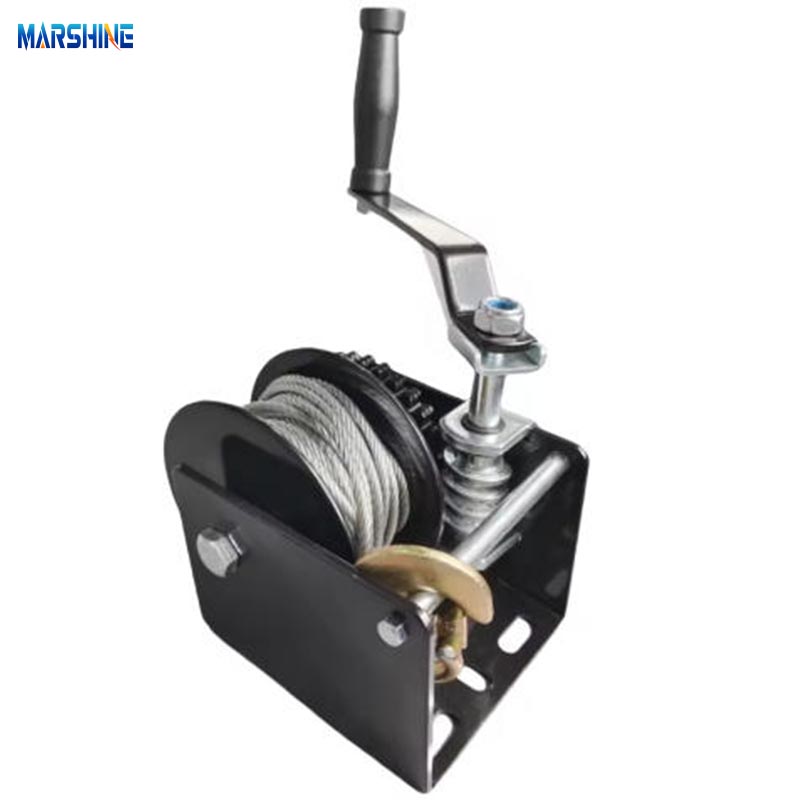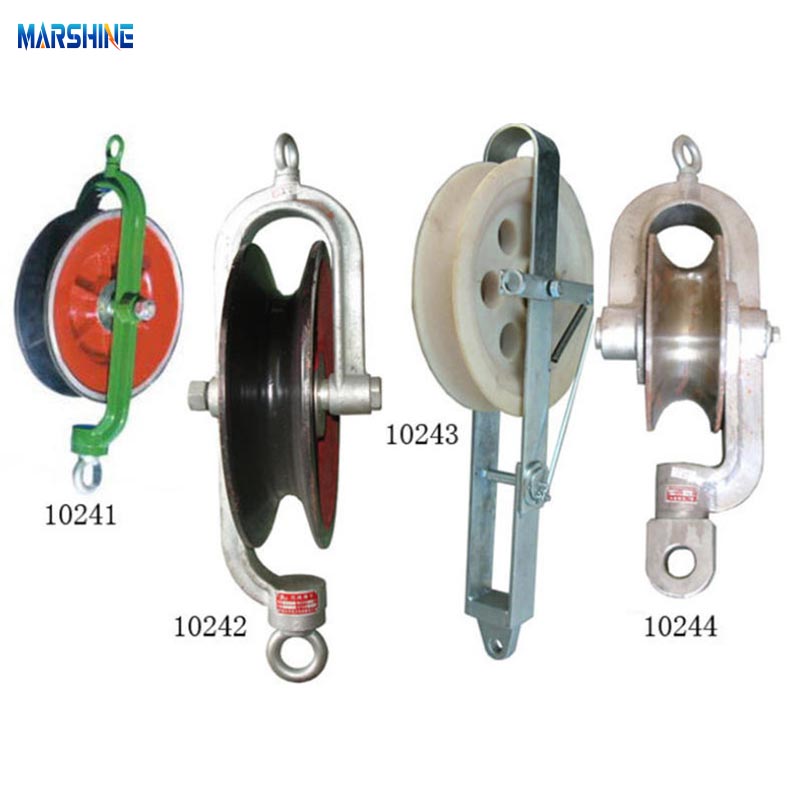
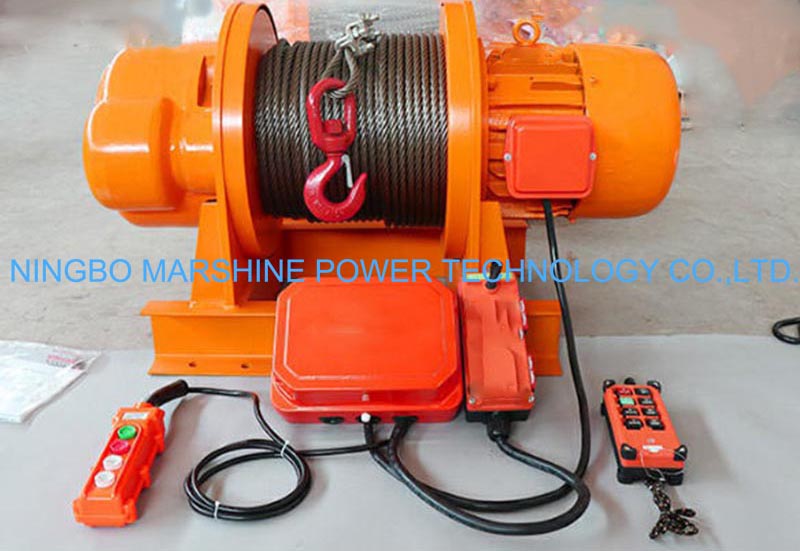
Choosing the right winch depends entirely on your specific tasks. A cable winch, often a Wire Rope Winch, efficiently pulls heavy objects. An Electric cable Winch uses motor power, offering effortless operation for big jobs; a Hoist Electric cable Winch exemplifies its strength. A Manual cable Winch provides simple, portable pulling power through human effort.
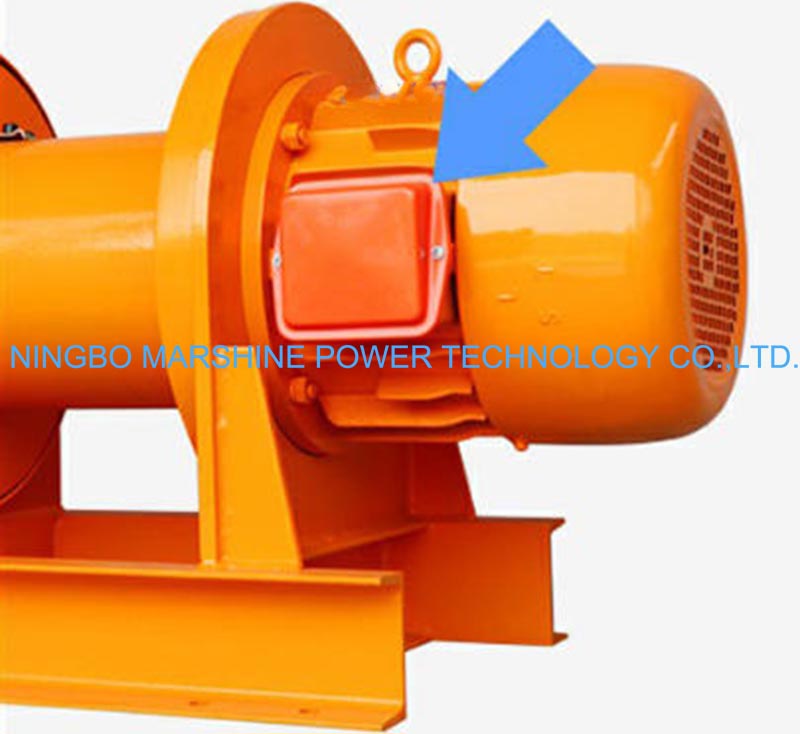
An Electric cable Winch offers impressive power and consistent speed. These winches use a motor to do the heavy lifting, making tasks much easier. When you operate an electric winch, the line speed stays constant, even if the load weight changes. This means you get a steady pull every time. However, as more rope winds onto the drum, the line speed actually increases. This happens because the motor spins at a steady rate, and a fatter drum pulls in more rope with each turn. For example, the Harken UniPower™ 900 single-speed electric winch can achieve a line speed of 25 meters per minute (82 feet per minute) when it has no load. This shows the efficiency and speed electric winches provide for various applications.
Manual winches rely on human effort, which naturally limits their power and speed. While they are reliable, you will not get the same quick pull as with an electric model. Manual winches can handle a surprising amount of weight, with capacities often reaching up to 1 ton (2,000 lbs). Depending on the specific model, they can pull anywhere from 200 lbs (90 kg) to over 4,000 lbs (1,800 kg). For vehicle recovery, hand winches typically manage between 2,000 to 4,000 lbs. If you are using one for boating, a pulling capacity of 1,500 lbs to 2,500 lbs usually works well for most small boats. Their speed depends entirely on how fast and strong you can crank them.
Electric cable winches offer remarkable power, yet many models still provide excellent portability. You can often find these winches designed for quick attachment and detachment, making them versatile for different vehicles or job sites. While they need a power source, like a vehicle battery, their setup is usually straightforward. For instance, a Warn Industries XD9000i Series 12-volt electric winch, described as portable, boasts a 9,000-pound pull capacity. Another example, a Stealth 13,500lb 12v Electric Winch with steel rope, weighs 77 lbs. This shows that even powerful electric winches can be moved and set up without too much trouble, offering a great balance of strength and convenience.
Manual winches truly shine when it comes to portability and ease of installation. They do not need any external power, which means you can take them anywhere. Their lightweight design makes them easy to carry by hand. Setting up a manual winch is incredibly simple; you typically just secure it to a sturdy anchor point. This makes them perfect for remote locations, emergency situations, or tasks where power access is limited or nonexistent. Their straightforward design means fewer parts to worry about and a quick setup, allowing you to get to work immediately without complex wiring or power connections.
An Electric cable Winch represents a significant investment, but its power and efficiency often justify the initial outlay. Prices vary widely based on capacity and features. For example, a WARN AXON 55-S Powersport Winch with a 5,500 lbs capacity costs around $1,089.99, while a ZEON XP 14-S, capable of pulling 14,000 lbs, can be $3,352.93. The chart below shows how prices generally increase with higher capacities, reflecting the advanced engineering and robust components involved.

Long-term ownership costs include energy and maintenance. Well-maintained electric winches can last 15-25 years. Preventive maintenance, covering inspections and lubrication, typically costs $500 to $3,000 annually. Energy consumption is modest for intermittent use, drawing 2-15 kW during lifting. Annual energy costs might range from $200 to $2,000, depending on usage and local rates. High-efficiency motors help reduce these costs, making them a smart choice for consistent, heavy-duty work.
Manual winches offer a much lower entry cost, making them accessible for many users. Their simplicity means fewer complex parts, which translates to less expense upfront. For instance, a Manual Winch Stacker with a 394 lbs capacity sells for $679.99. This affordability makes them an excellent option for budget-conscious buyers or those needing a winch for occasional tasks. Upkeep for manual winches is also minimal. They do not require electricity, eliminating energy costs entirely. Regular cleaning and occasional lubrication are usually all they need to stay in top working condition. This low maintenance makes them a reliable and cost-effective tool for years.
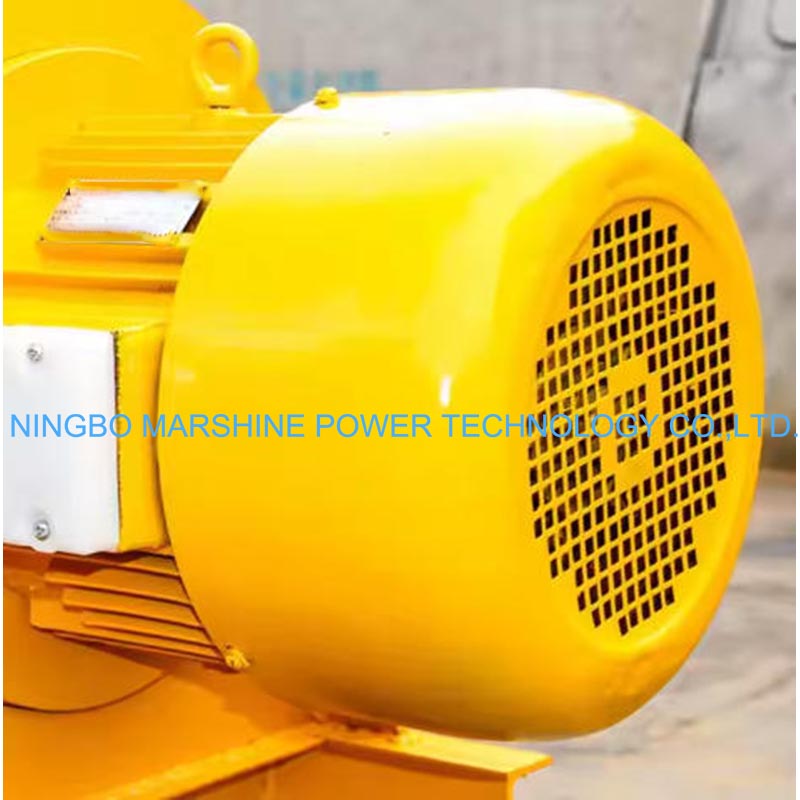
An Electric cable Winch excels in situations demanding consistent power and precision. These powerful tools are indispensable in many industrial and recreational settings. For example, marine operations heavily rely on them for mooring, anchoring, and handling cargo. Their robust design withstands harsh environments. Vehicle owners also find them crucial for recovery, towing cars, and off-road adventures. The military and defense sectors use them for rescue operations and retrieving heavy equipment, valuing their reliability in challenging conditions. These winches offer effortless operation for frequent or heavy-duty tasks.
Manual winches are the champions of portability and independence. They do not need electricity, making them perfect for remote sites or emergency use. Farmers often find them incredibly useful for various agricultural tasks. They use them for pulling out stuck machinery from mud or ditches. They also tension fence wires during installation or repairs. Lifting hay bales or feed bags into storage areas becomes easier with a manual winch. You can even drag fallen trees or heavy debris for land clearing. A come-along, a type of manual winch, is ideal for pulling heavy loads in places where power is not available. Their simplicity and self-sufficiency make them a go-to tool for occasional or off-grid applications.
When selecting a cable winch, you must first consider the load capacity and how often you will use it. Always choose a winch that can handle more than your heaviest expected load. For safety, industry standards often require a significant safety margin. For example, OSHA and ASME compliance dictates a safety factor of at least 3. This means a winch with a 10,000 lbs Minimum Breaking Load (MBL) would have a Working Load Limit (WLL) of about 3,300 lbs. To lift 5,000 lbs, you would need a winch with an MBL of over 15,000 lbs to meet these safety rules. For underground cable installation, a 3 to 1 ratio of break working load is common. For overhead tasks, a 5 to 1 ratio ensures safety. These margins protect both equipment and operators.
Your choice of winch also depends on available power and the environment. Electric winches need a power source. They often use 12-volt or 24-volt systems. A 24-volt system uses less amperage, allowing for smaller wires. You should use a bank of deep-cycle batteries for all electrical components. This ensures a steady power supply. Winches must also withstand harsh conditions. Extreme cold can thicken lubricants, making operation harder. High humidity and saltwater spray increase corrosion risks. Dust, UV radiation, and airborne sand can also affect performance. Manufacturers use materials like stainless steel and anodized aluminum to resist these elements. An Ingress Protection (IP) rating, like IP66 or IP67, shows protection against dust and water.
Safety is paramount when operating any winch. Modern winches come with many safety features. They also follow strict industry regulations. New mandatory requirements for anchor handling winches, like IMO MSC.532(107) and MSC.1/Circ.1662, will take effect on January 1, 2026. These rules cover design, construction, and installation. They require features such as adjustable speed control, continuous load monitoring with alarms, and emergency release systems. Winches must have a permanently affixed nameplate showing important details like manufacturer, serial number, and maximum line pull. Regular testing and maintenance are also crucial. Only qualified personnel should operate winches, following clear instructions and safety precautions.
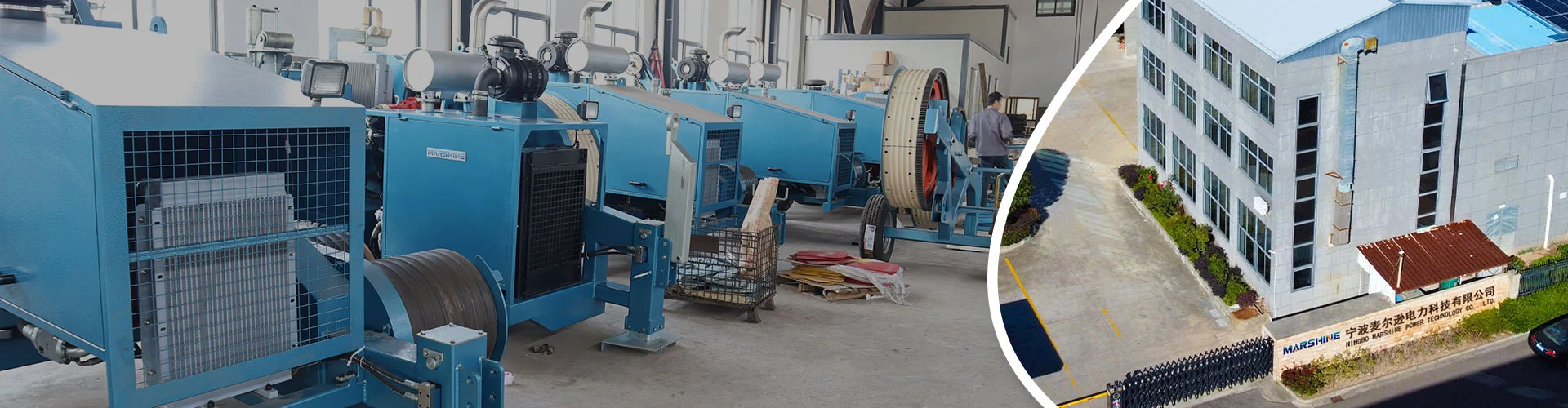
MARSHINE stands at the forefront of cable pulling tools, constantly innovating in the electric winch sector. They design their Electric cable Winch models for high efficiency, ensuring energy-efficient operation. Advanced control systems allow for precise cable handling, which reduces the risk of damage during tasks. These winches also boast low maintenance, thanks to durable components and a compact design. MARSHINE offers various sizes and configurations, providing scalability to meet different load and capacity needs. Safety is paramount; their winches come equipped with emergency stop buttons, overload protection, and anti-reverse mechanisms. They also adhere to CE international safety standards and include fail-safe mechanisms.
MARSHINE also offers a comprehensive range of manual winch solutions, catering to diverse needs. Their selection includes models like the 1800lb Portable Hand Winch Cable Puller Winch and the robust 3 Ton Heavy Duty Hand Crank Cable Winch. You can find options such as the 2T Hand Wire Rope Cable Winch and various self-locking manual winches, including 2600lbs and 1800lbs capacities. These manual winches offer dual functionality, capable of both lifting heavy objects vertically and pulling loads horizontally. They feature robust construction, often using durable steel or aluminum alloy. This ensures longevity in demanding environments. MARSHINE's manual winches provide significant mechanical advantage, using a lever and ratchet mechanism to amplify operator force. This allows users to move otherwise impractical loads. They are highly versatile, applicable across construction, manufacturing, shipbuilding, and mining. Integrated safety features, like a load-limiting device and a brake mechanism, prevent accidental load drops. Their compact and lightweight design ensures portability, making them easy to transport and maneuver on job sites. Many models come with accessories like a 20m galvanized steel wire rope and a hand stick.
Your specific needs determine the best winch. Electric cable winches excel in power and convenience for heavy, frequent tasks. Manual winches are ideal for portability, cost-effectiveness, and remote, occasional use. By 2025, Electric cable Winch technology will advance in efficiency, remote control, and safety, while manual winches remain vital in specific niches.
Electric cable winches offer powerful, consistent pulling for heavy, frequent tasks. They provide effortless operation and precise control, enhancing efficiency and safety in demanding applications. 🚀
Manual winches are highly portable and cost-effective. They require no external power, making them ideal for remote locations and occasional, lighter-duty tasks where simplicity is key. 💪
MARSHINE prioritizes quality through robust design, durable materials, and advanced technology. They adhere to international safety standards, ensuring reliable and safe operation for all users. ✅