We are glad to share with you about the results of our work, company news, and give you timely developments and personnel appointment and removal conditions.
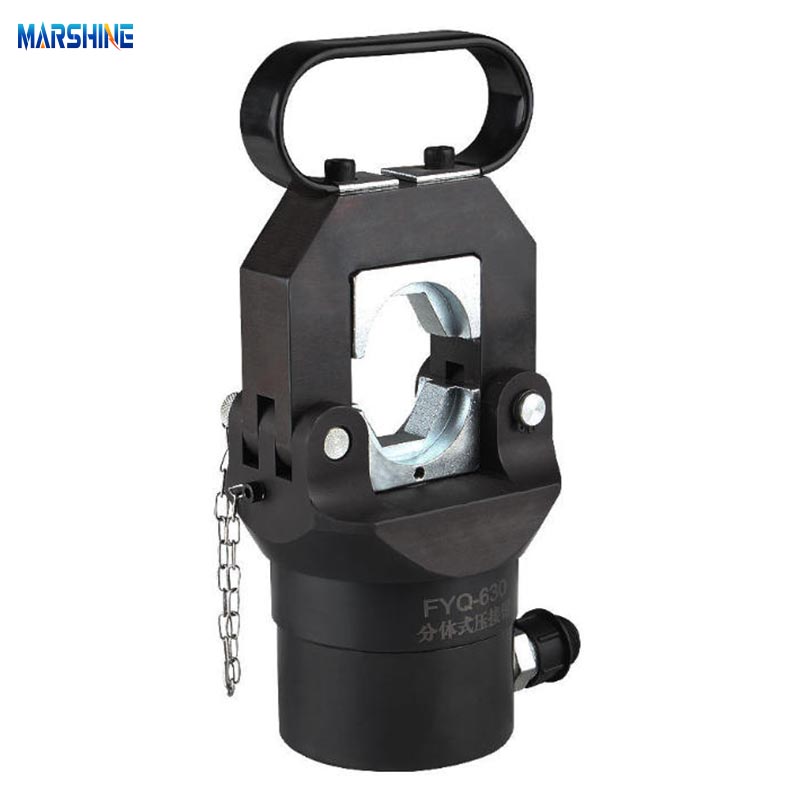
A poor crimp can create heat, voltage loss, and long-term failure in a power cable connection, so tool selection is more than a purchasing decision—it is a reliability decision. For large conductors, awkward job sites, and high-force terminations, a split hydraulic crimping system gives operators the flexibility to place a lighter head at the cable while keeping the pump separate. But the best choice depends on more than tonnage alone. You need to evaluate conductor size, lug compatibility, pump type, hydraulic hose limits, pressure ratings, and maintenance costs. This guide explains what to compare so you can select a safe, efficient, and job-ready crimping setup.
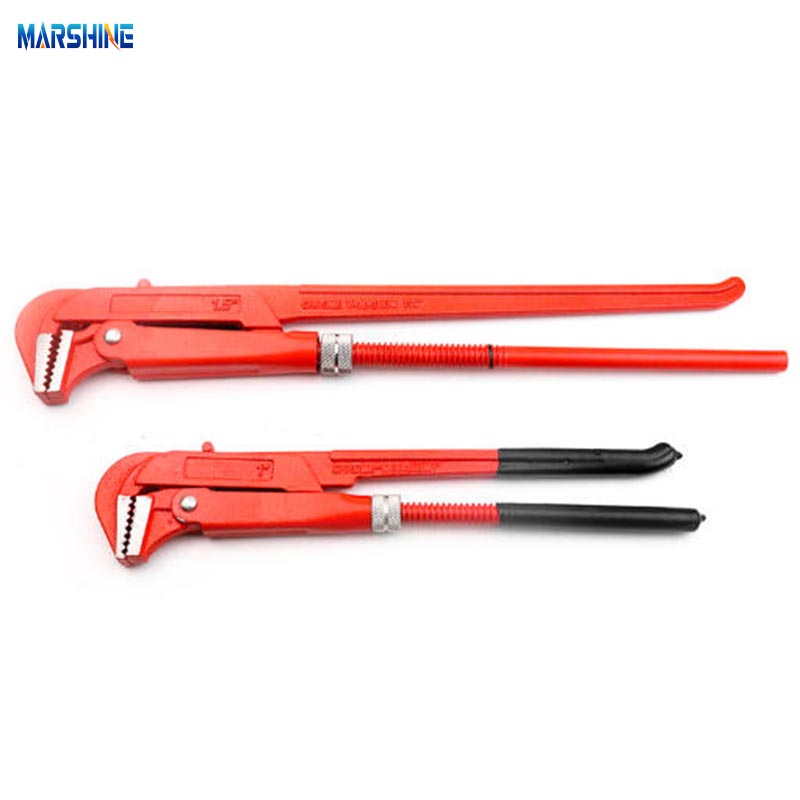
Tight service areas can turn routine pipe work into a slow, knuckle-scraping job, especially when a straight wrench needs more swing room than the space allows. A 45 degree pipe wrench solves that access problem by changing the relationship between the handle, jaws, and work surface, giving technicians a stronger bite in narrow mechanical chases, utility closets, and wall-adjacent runs. This article explains how the angled head improves grip and repositioning, where the tool performs best, and when a standard wrench is still the better option. It also highlights practical buying factors—such as jaw capacity, handle length, and material strength—so crews can choose tools that match real field conditions.
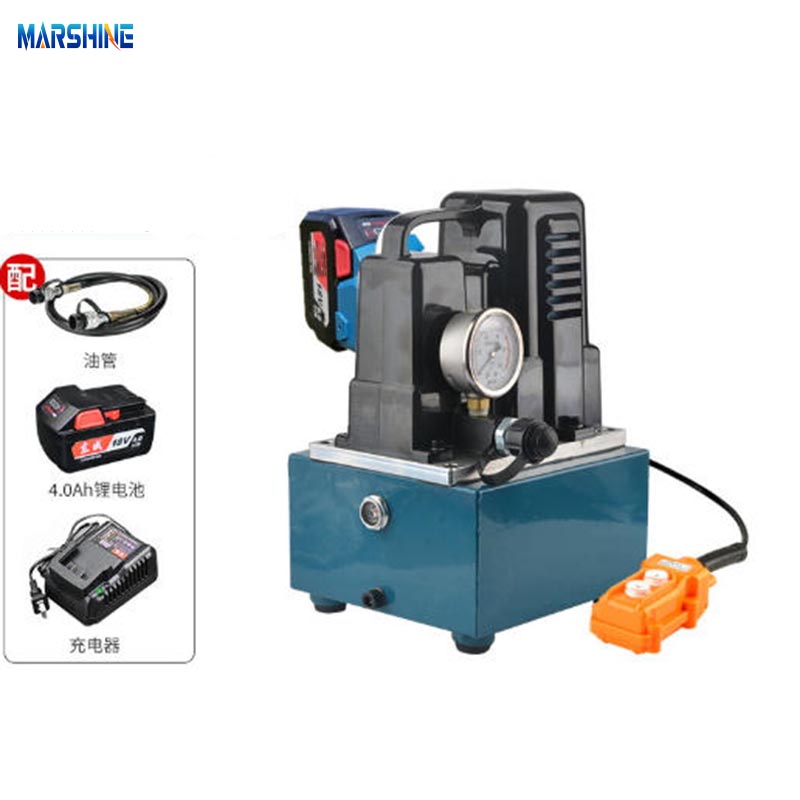
Remote utility work leaves little room for slow setup, mismatched fittings, or equipment that runs out of power mid-cycle. A battery-powered hydraulic pump can give linemen and construction crews cleaner, faster mobility than generator-based systems, but only if it matches the tools and workload in the field. The right choice depends on measurable factors: pressure rating, oil capacity, flow, runtime, battery platform, couplers, and control features. This guide explains how to translate real jobsite tasks—such as crimping, cutting, punching, and lifting—into practical specifications so crews can choose a unit that improves productivity without compromising safety or compatibility.
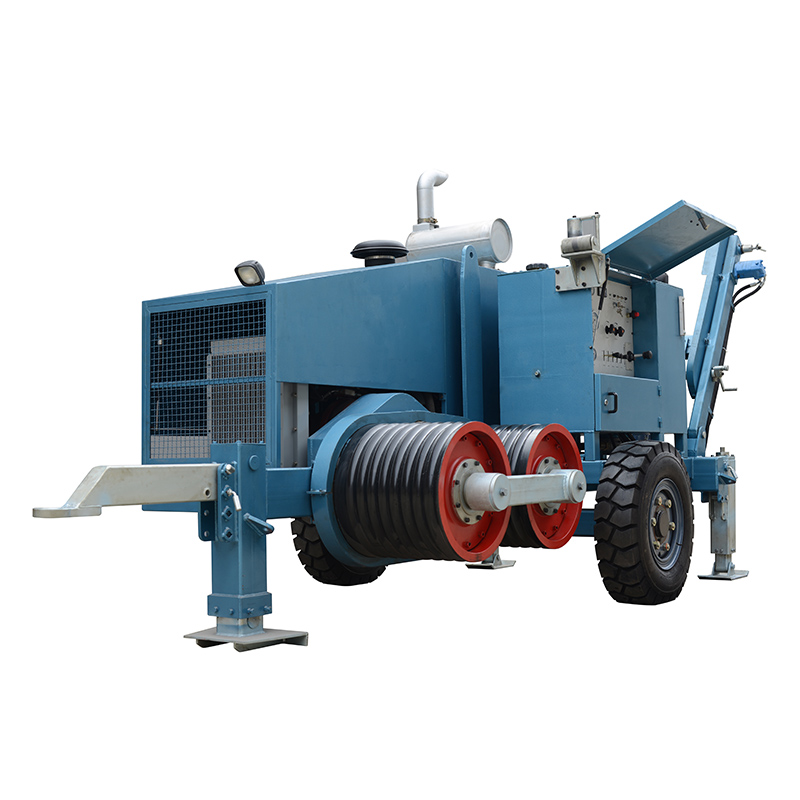
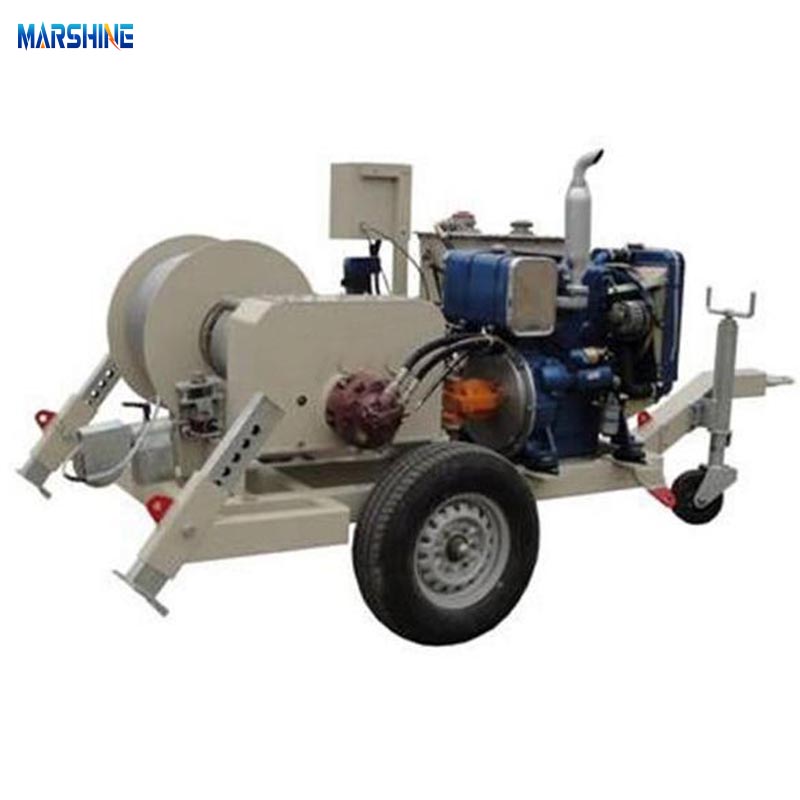
Utility cable installation leaves little room for guesswork: the wrong pulling machine can slow a crew, damage conductors, or create avoidable safety risks. A diesel-powered puller gives teams independent power where grid access is limited, but model selection should be based on more than engine size. Buyers need to compare pulling force, speed control, rope capacity, braking systems, duty cycle, and site restrictions such as emissions or noise rules. This guide explains the practical specifications that matter most, from 30 kN distribution work to heavier transmission pulls, so procurement teams and field supervisors can choose equipment that is powerful, controllable, and safe for real-world utility conditions.
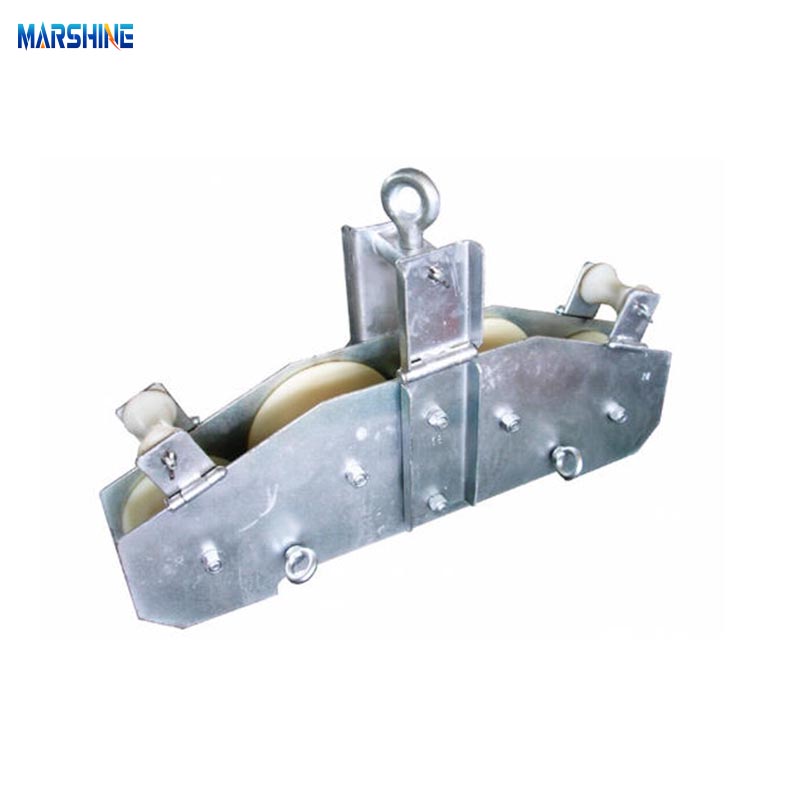
A fiber cable can be permanently weakened long before it visibly fails, which is why pulley selection is more than a hardware choice. The right optical fiber cable pulley controls bending radius, pulling tension, jacket contact, and cable stability throughout the stringing route. This guide explains how to match pulley specifications to ADSS and OPGW cable types, calculate sheave size using D/d ratios, verify SWL or WLL ratings, and account for field conditions such as wind, long spans, grounding, and terrain. By focusing on measurable requirements instead of generic block sizes, contractors can protect fiber performance, improve installation safety, and reduce costly rework.
A bundled conductor pull can fail long before the line is energized if the running hardware is mismatched. On 220kV to 800kV transmission projects, a multi-bundle conductor running board must control several heavy conductors at once while passing smoothly through aerial stringing blocks under high dynamic tension. The right choice reduces twisting, conductor clash, unsafe load spikes, and costly downtime. This guide explains the practical selection factors that matter most: bundle capacity, load ratings, anti-twist design, material strength, and compatibility with winches, swivels, connectors, and stringing blocks. For contractors and utility buyers, these details directly affect site safety, pulling efficiency, and equipment service life.
We use cookies to offer you a better browsing experience, analyze site traffic and personalize content. By using this site, you agree to our use of cookies. Privacy Policy
 18 2026-09
  17 2026-09
  16 2026-09
  15 2026-09
  14 2026-09
  11 2026-09