

Stainless steel press systems leave little room for guesswork: the wrong tool can mean under-crimped fittings, damaged tubing, or leaks in high-value installations. A modern cordless hydraulic crimper gives contractors the mobility to work in ceilings, plant rooms, and dense pipe runs while delivering the controlled force stainless steel demands. But battery voltage alone is not enough to judge performance. Buyers need to compare certified fitting compatibility, pressing force, jaw profiles, cycle time, battery capacity, and inspection requirements. This guide explains the practical specifications that matter most so you can select a tool that is fast, compliant, and reliable on demanding commercial and industrial pipework.
Understanding Battery Hydraulic Pipe Crimpers
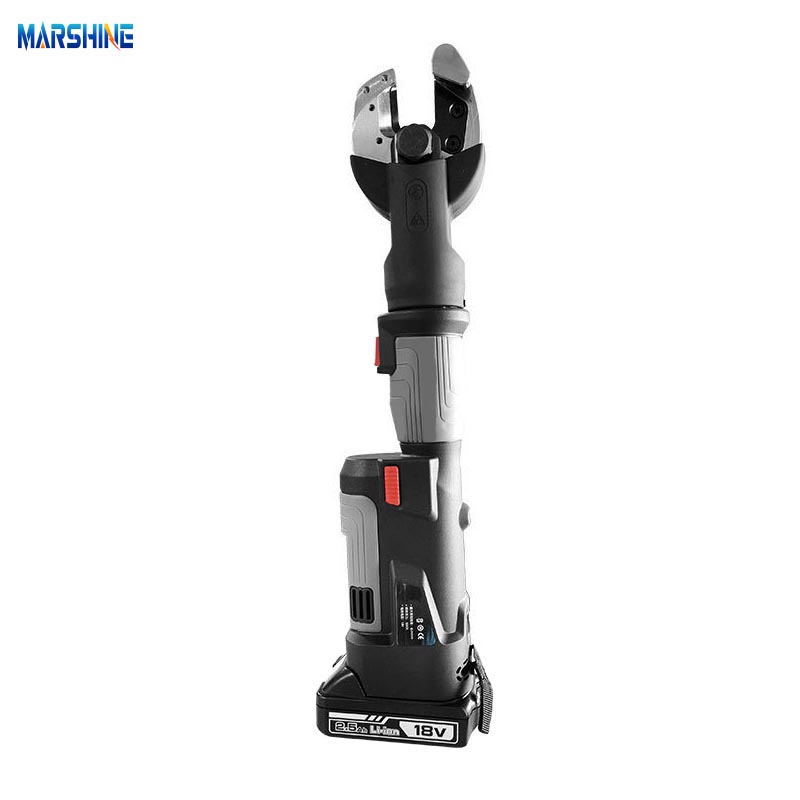
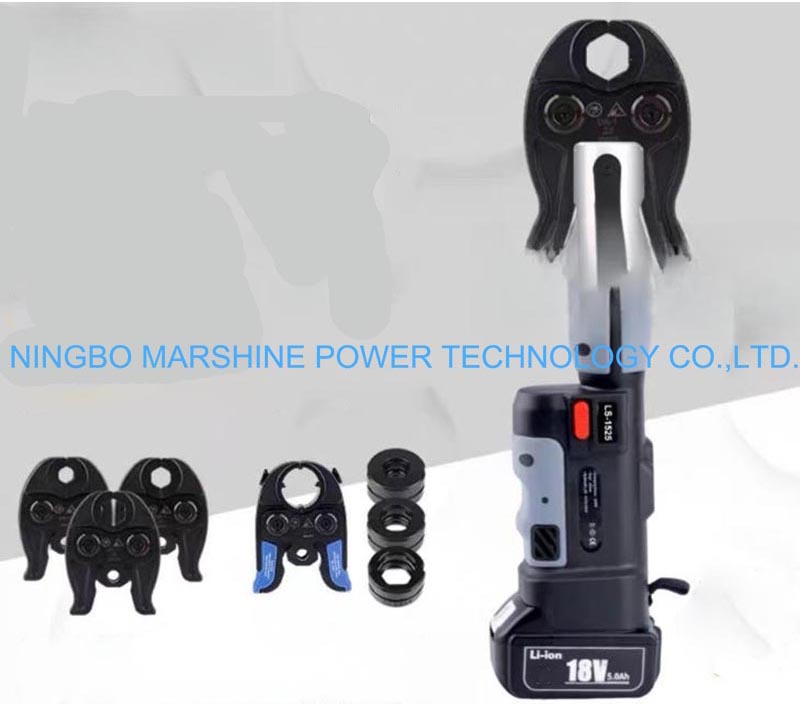
Upgrading to a battery hydraulic pipe crimper significantly improves modern plumbing and industrial fluid transport installations. When dealing with rigid materials like stainless steel tubing, a reliable, cordless tool saves manual labor and reduces the risk of joint failure. The absence of trailing hoses or power cords allows operators to maneuver easily in tight overhead spaces or cramped utility closets.
Crucially, buyers must verify that the tool is explicitly certified for stainless-steel fitting systems (e.g., Viega Megapress, Geberit Mapress). Standard crimpers rated only for copper or PEX can fail catastrophically when used on stainless steel. Furthermore, proper pipe preparation—such as cutting the pipe perfectly square and deburring the edges—is mandatory before crimping to ensure a secure seal.
Core Specifications Buyers Should Know
When evaluating an 18V hydraulic pipe crimper, understanding the core specifications is essential. Depending on the manufacturer, a standard 18-volt lithium-ion battery may pack enough energy to complete 200 to 300 cycles on 1/2-inch stainless steel pipes per charge, though actual performance varies by tool and pipe schedule.
Cycle time is another critical metric to compare. Some high-quality tools advertise completing a full cycle in just 3 to 5 seconds. Coupled with features like a 360-degree rotating head, rapid cycle speeds allow workers to navigate complex pipe networks efficiently. The tool's micro-computer control often monitors this process, ensuring the required pressure is applied.
Commercial Use Cases and Applications
These tools excel in large-scale commercial applications, such as hospital HVAC systems, hotel plumbing networks, and industrial chemical transport lines where stainless steel is mandatory. In these environments, leak-proof joints are non-negotiable. The crimpers utilize specialized jaw profiles to securely compress the fitting onto the pipe wall to seal the O-ring, creating a permanent mechanical bond that withstands immense internal fluid pressure.
For commercial contractors, the built-in automatic retraction feature is highly valuable. Once the tool reaches its target pressing force—which varies widely by fitting system, pipe schedule, and diameter, though many standard commercial models output around 32 kN (kilonewtons)—the piston automatically retracts to its starting position. This guarantees the fitting is neither under-crimped nor crushed, maintaining the structural integrity of the stainless steel system. Proper operator training remains essential to ensure these automated features are used correctly, and mandatory post-press gap inspections using a manufacturer-supplied gauge are required to verify a complete seal.
Key Specifications for Stainless Steel Pipe Crimping
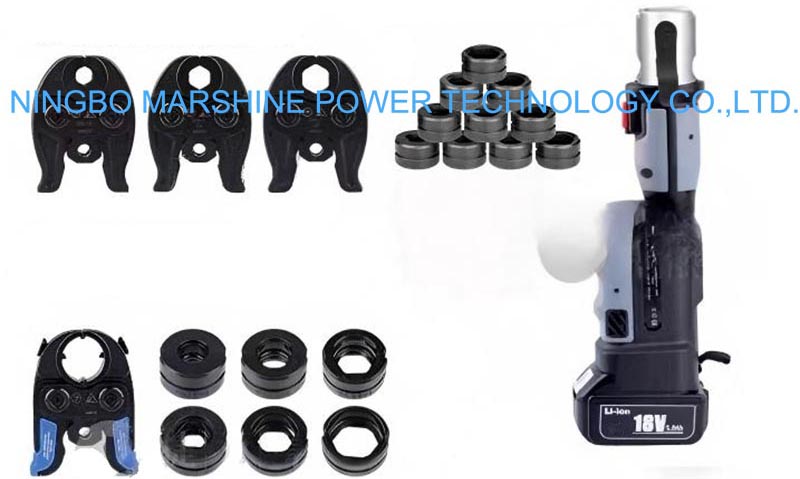
Crimping stainless steel is entirely different from working with softer materials like copper or PEX. Stainless steel walls are rigid and demand a highly calibrated, forceful press to compress the fitting securely and seal the O-ring. If the tool lacks the necessary force, or if the pipe exceeds the tool's maximum wall thickness and schedule limitations, the joint will inevitably fail under pressure.
To address this, modern crimpers come equipped with intelligent pressure release systems and interchangeable die sets. This adaptability is a key feature, allowing a single tool base to handle various pipe profiles simply by swapping out the heavy-duty steel jaws to match specific fitting systems. Additionally, using system-certified tools (e.g., Viega-approved) is often a strict requirement to maintain installation warranties.
Comparing Crimping Force, Die Range, and Pipe Compatibility
The required crimping force depends entirely on the specific fitting system and pipe diameter. For instance, a standard cordless hydraulic pipe crimper designed for commercial stainless steel up to 54 mm (outer diameter) typically delivers around 32 kN of force. Conversely, compact inline tools outputting around 19 kN are generally intended for softer materials like copper or PEX; attempting to use them on rigid stainless steel can compromise the joint.
Die range and profile compatibility are equally important. Stainless steel fittings require specific die profiles, such as V, M, or SA contours, depending on major fitting systems like Viega or Geberit. Ensuring the hydraulic crimper accepts universally standardized dies—or comes with a comprehensive proprietary set—prevents costly mismatches on the job site.
What to Include in a Specification Comparison Table
When procurement teams evaluate different models, laying out the specifications side-by-side clarifies the best investment. Rather than relying on generic benchmarks, buyers should create a procurement checklist to compare actual product models based on their specific project needs. A strong comparison highlights the trade-offs between tool weight, maximum capacity, and cycle speed.
| Evaluation Criteria | Compact 19kN Model | Standard 32kN Model | Heavy-Duty 32kN Model |
|---|---|---|---|
| Max Stainless Steel Pipe O.D. | 28 mm (1-1/8") | 54 mm (2") | 108 mm (4") |
| Average Cycle Time | 3-4 seconds | 4-5 seconds | 7-9 seconds |
| Battery Platform Compatibility | 12V / 18V | 18V | 18V |
| Tool Weight (with battery) | 1.8 kg (4 lbs) | 3.2 kg (7 lbs) | 7.3 kg (16 lbs) |
| Certified Fitting Systems | Copper/PEX (Limited SS) | Viega, Geberit, etc. | Viega, Geberit, etc. |
How Procurement Teams Should Choose the Right Tool
Choosing the right equipment goes beyond reviewing the spec sheet; it requires a strategic approach from procurement teams. Buyers must balance upfront capital expenditure with long-term durability, maintenance costs, and the availability of responsive after-sales support.
Working with an established equipment supplier ensures buyers benefit from OEM calibration service networks and manageable spare parts lead times. Comprehensive after-sales support means that if a tool goes down, replacement parts or servicing won't stall critical project timelines. Additionally, seeking advanced product features—such as digital displays showing live cycle counts, battery life, and maintenance alerts—helps fleet managers keep their tools in optimal working condition.
Practical Selection Steps for Buyers
The first practical step for buyers is to audit the specific pipe diameters and materials their crews handle daily. Over-specifying a tool introduces excessive force capacity that typically increases tool weight and bulk, leading to operator fatigue. Buyers should match the tool's maximum pipe O.D. rating to their typical job-site range.
Further reading:
Key Takeaways
- Choose a crimper that is explicitly approved for your stainless-steel fitting system, not just for copper or PEX applications.
- An 18V lithium-ion model may deliver about 200 to 300 cycles per charge on smaller stainless steel pipes, depending on tool design and pipe schedule.
- Look for a 3 to 5 second cycle time, automatic retraction, and micro-computer pressure control to improve speed and consistency on commercial jobs.
- Verify jaw profiles, die sets, pipe diameter range, and maximum wall-thickness limits before using the tool on stainless steel tubing.
- Prepare every pipe by cutting it square, deburring the edge, and completing the required post-press gauge inspection.
Frequently Asked Questions
Can any hydraulic crimper be used on stainless steel tubing?
No. The crimper must be specifically certified for the stainless-steel fitting system you use, such as Viega Megapress or Geberit Mapress. Tools rated only for copper or PEX may not apply enough force and can create unsafe joints.
What battery voltage is common for cordless hydraulic pipe crimpers?
Many professional models use 18V lithium-ion batteries. Depending on the tool, pipe size, and material schedule, one charge may complete roughly 200 to 300 cycles on smaller stainless steel pipes.
Why does cycle time matter when choosing a crimper?
Fast cycle times improve productivity on large installations. Some high-quality tools complete a press in about 3 to 5 seconds, helping contractors work efficiently in hospitals, hotels, mechanical rooms, and industrial sites.
What features help in tight or overhead pipe installations?
A cordless design, compact body, and 360-degree rotating head make it easier to work in utility closets, ceilings, and crowded pipe networks without hoses or power cords getting in the way.
How important are interchangeable jaws or die sets?
They are essential because stainless steel systems require the correct jaw profile for each fitting type and pipe diameter. Using the wrong jaw can lead to incomplete compression, leaks, or fitting damage.