

A poorly matched cutter can slow a crew, damage conductors, or create serious safety exposure on the grid. Modern cordless cable cutters give utility teams the mobility to work from bucket trucks, trenches, substations, and remote rights-of-way without hauling manual tools or external hydraulic pumps. But the best choice depends on more than maximum diameter. Buyers need to compare energized-work ratings, conductor materials, blade systems, cutting force, battery capacity, cycle time, and environmental limits. This guide explains how to evaluate cordless and battery-hydraulic cutters for copper, aluminum, ACSR, and armored cables so crews can make clean cuts, reduce fatigue, and maintain safer, more reliable power infrastructure.
Why Cordless Cable Cutters Matter for Power Grids
Power grid work is demanding, and lugging heavy manual tools or bulky hydraulic pumps up a utility pole is no longer the standard. Cordless cable cutters have modernized line work, but safety remains the absolute priority. Crucially, most standard cordless cutters are strictly for de-energized work. Operators must verify whether a tool is explicitly insulated and rated for hot-line (energized) work per recognized standards (e.g., OSHA 1910.269, ASTM F1505, IEC 60900) before use. Using a standard tool on a live line poses severe safety risks; energized-work ratings require specific insulating standards verified on each tool's certification.
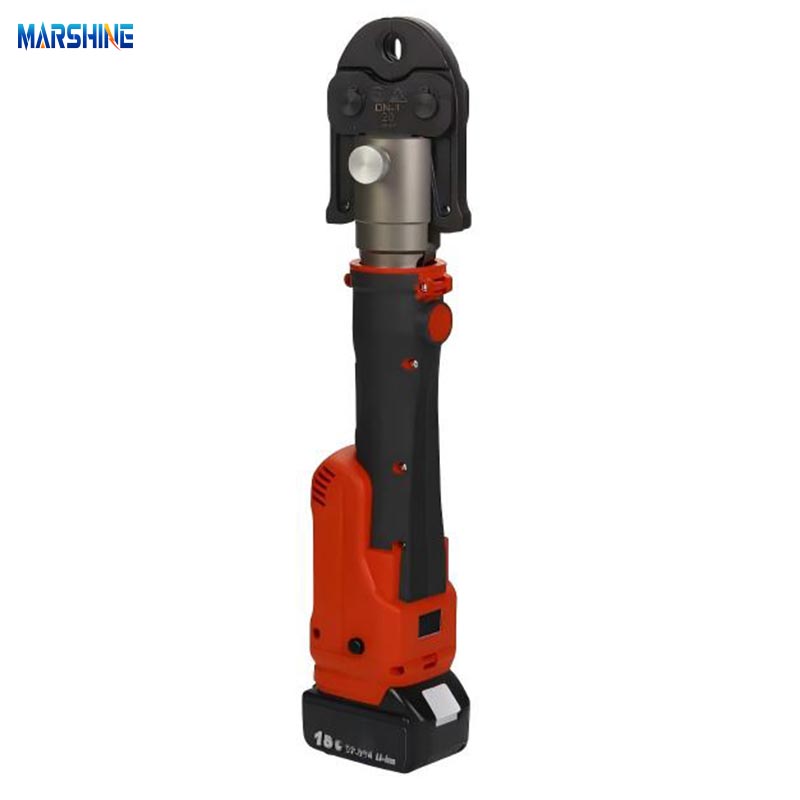
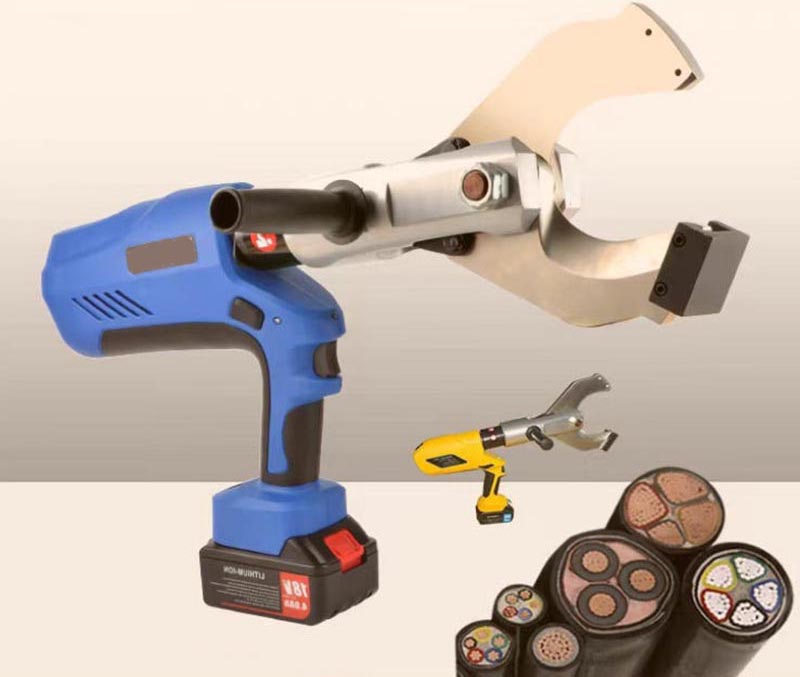
When selecting a tool, it is important to distinguish between mechanisms. Battery-ratchet cutters rely purely on mechanical gears and are suited only for lighter duties. In contrast, battery-hydraulic cable cutters combine a motorized hydraulic pump with battery-powered mobility to deliver the high maximum cutting force needed for tougher utility materials. When line crews are working from a bucket truck or in tight trenches, utilizing dedicated battery-hydraulic cutters alongside hydraulic crimping and cutting tools saves time, reduces operator fatigue, and ensures clean cuts for better grid reliability.
Cable Types, Cutting Diameter, and Conductor Materials
The first step in selection is identifying the specific materials the tool will slice through. Utility buyers should request detailed specification sheets to match tool capabilities with their grid's specific conductors, which range from standard copper (Cu) and aluminum (Al) lines to Aluminum Conductor Steel Reinforced (ACSR) cables.
It is vital to distinguish between a cable's cross-sectional area (measured in mm²) and its overall outer diameter (measured in mm). A cutter's capacity might be rated for a 40 mm outer diameter on standard distribution lines or up to 105 mm for heavy armored underground cables. However, a 400 mm² copper cable requires entirely different cutting force and blade geometry than a similarly sized ACSR or steel-armored cable. Cutting ACSR requires specialized blade hardness and sufficient rated force to shear the steel core without crushing the surrounding aluminum strands. Selecting a tool with interchangeable, material-specific blade systems prevents premature chipping and dulling.
Battery Voltage, Capacity, Cutting Force, and Cycle Time
Power delivery dictates field performance. Modern battery-operated units generally run on 18V to 20V lithium-ion platforms with capacities around 5.0Ah. This translates to substantial cutting force, ranging from 60 kN for lighter overhead tasks to 120 kN for heavy-duty transmission line work.
Cycle times are equally critical for daily efficiency. A unit might complete a full cut in 3 to 8 seconds, automatically retracting the blade once the pressure threshold is reached. However, environmental operating limits must be considered. Extreme cold or heat can degrade battery discharge rates, alter hydraulic oil viscosity, and slow down cycle times. Buyers should always confirm the manufacturer's specified storage and usage temperature ranges. Under normal conditions, this rapid turnaround allows crews to tackle numerous cuts in a single shift.
How to Compare Cordless Cable Cutter Models and Suppliers
Once the baseline specifications are established, the next step is to compare different models and evaluate the suppliers behind them. A tool must perform reliably on day one, but it also requires a vendor capable of providing long-term support through years of harsh field use.
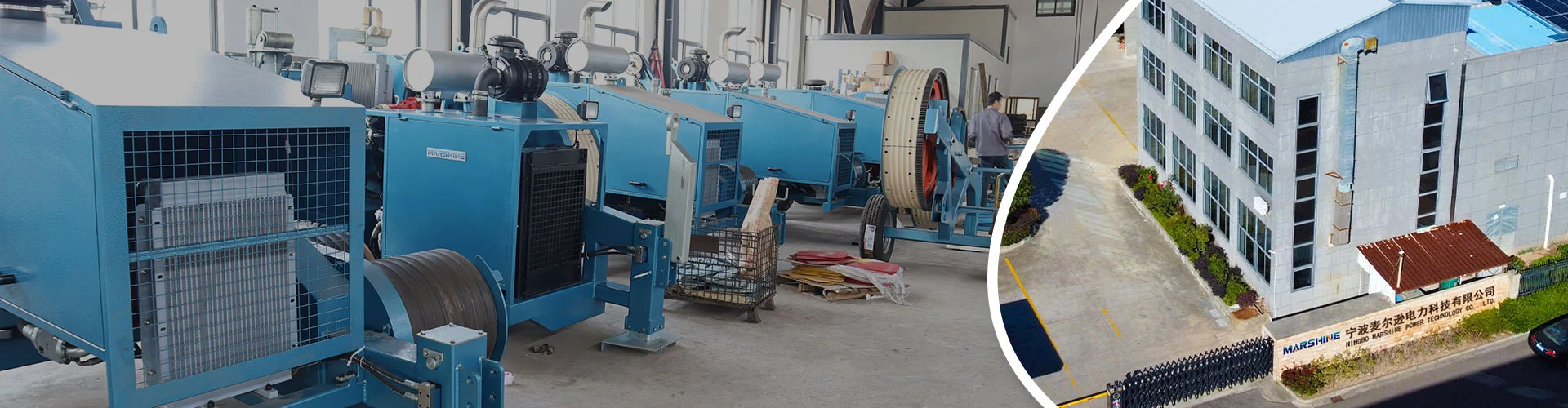
Procurement teams should look for suppliers that offer comprehensive documentation, including independent testing certificates and clear maintenance schedules. Whether sourcing aerial cable tools, underground equipment, or reliable battery-powered hydraulic crimping tools for subsequent connections, selecting a manufacturer with proven, ISO-certified manufacturing capabilities ensures the delivery of field-tested technology rather than unproven generic hardware.
Cutting Range, Tool Weight, Safety Features, and Ergonomics
A side-by-side comparison of models usually comes down to the balance between cutting capacity and tool weight. Ergonomics play a significant role; a well-balanced pistol-grip or inline design reduces wrist strain during prolonged use. To streamline comparisons, refer to this illustrative specification checklist:
| Cutter Class | Typical Force | Max Diameter | Avg. Weight | Cycle Time | Battery | Best Use Case |
|---|---|---|---|---|---|---|
| Light-Duty | 60 kN | 40 mm | 2.5 - 4.0 kg | 3 - 5 sec | 18V-20V | Overhead distribution, tight spaces |
| Heavy-Duty | 120 kN | 105 mm | 6.5 - 8.5 kg | 5 - 8 sec | 18V-20V | Armored underground, transmission lines |
Note: The figures above are purely illustrative and can vary significantly by manufacturer and region. Cutter classifications are not standardized across the industry, and users must always verify specific ratings, capacities, and weights against current manufacturer datasheets.
Safety features are non-negotiable. Essential mechanisms include manual pressure release valves in case of a jam, bright LED work lights for night operations, and electronic overload protection to prevent motor burnouts. Verifying that the tool carries recognized safety certifications (such as UL, CE, or IEC) and adequate Ingress Protection (IP) ratings ensures it can withstand dust and moisture.
Manufacturing Capability, Certifications, and After-Sales Support
The supplier's track record is as vital as the tool's specification sheet. Reliable manufacturers operate under strict quality controls, such as ISO 9001 certification, which ensures consistent assembly and helps minimize factory defect rates.
When evaluating suppliers, carefully review their after-sales support systems and warranty terms. A partner offering transparent warranty lengths and guaranteed spare-parts availability ensures that consumables are readily accessible. Proper maintenance is critical: crews must perform regular hydraulic oil checks, adhere to blade replacement intervals, monitor storage temperatures, and avoid the risks of using non-OEM consumables. This level of ongoing support keeps grid construction and maintenance running smoothly without costly downtime.
How to Select and Approve the Right Cordless Cable Cutter
Approving a new tool for utility crews is a significant commitment that requires moving past marketing materials and testing the equipment in real-world conditions. A structured evaluation process ensures that the purchased cordless cutters will survive the daily grind of power grid maintenance.
By combining hands-on field trials with a strict financial and safety matrix, procurement teams can confidently roll out equipment that line
Further reading:
Key Takeaways
- Verify whether a cordless cable cutter is rated for energized work before use, because most standard models are intended only for de-energized conductors.
- Match the cutter to both cable outer diameter in millimeters and conductor material, since copper, aluminum, ACSR, and armored cables require different force and blade designs.
- Choose battery-hydraulic cutters instead of battery-ratchet models when utility work requires high cutting force, cleaner cuts, and reduced operator fatigue.
- Use ACSR-specific or material-specific blades when cutting steel-reinforced conductors to avoid blade chipping and conductor deformation.
- Compare battery platforms around 18V to 20V and approximately 5.0Ah for a practical balance of portability, runtime, and cutting performance.
- Check rated cutting force and cycle time, as utility-grade cutters may range from about 60 kN to 120 kN and complete cuts in roughly 3 to 8 seconds.
Frequently Asked Questions
Can cordless cable cutters be used on energized power lines?
Only if the tool is explicitly insulated and certified for energized work. Most standard cordless cable cutters are for de-energized conductors only, so crews must verify ratings against relevant standards such as OSHA 1910.269, ASTM F1505, or IEC 60900 before use.
What is the difference between battery-ratchet and battery-hydraulic cable cutters?
Battery-ratchet cutters use mechanical gearing and suit lighter cutting tasks. Battery-hydraulic cable cutters use a powered hydraulic pump to deliver higher cutting force, making them better for demanding utility work such as large copper, aluminum, ACSR, or armored cable cutting.
How do I choose the right cutting capacity?
Match the cutter to both the cable’s outer diameter in mm and its conductor material or cross-sectional area in mm². A 40 mm aluminum cable and a 40 mm ACSR cable may require very different blade geometry and cutting force.
What cutting force is suitable for power grid work?
Light overhead applications may require around 60 kN, while tougher transmission or armored cable work can require up to 120 kN or more. Always compare the tool’s rated force with the cable type, diameter, and conductor construction.
Why do ACSR cables need special blades?
ACSR includes a steel core surrounded by aluminum strands. Cutting it cleanly requires blades with suitable hardness and geometry to shear the steel without crushing the aluminum or chipping the blade edge.