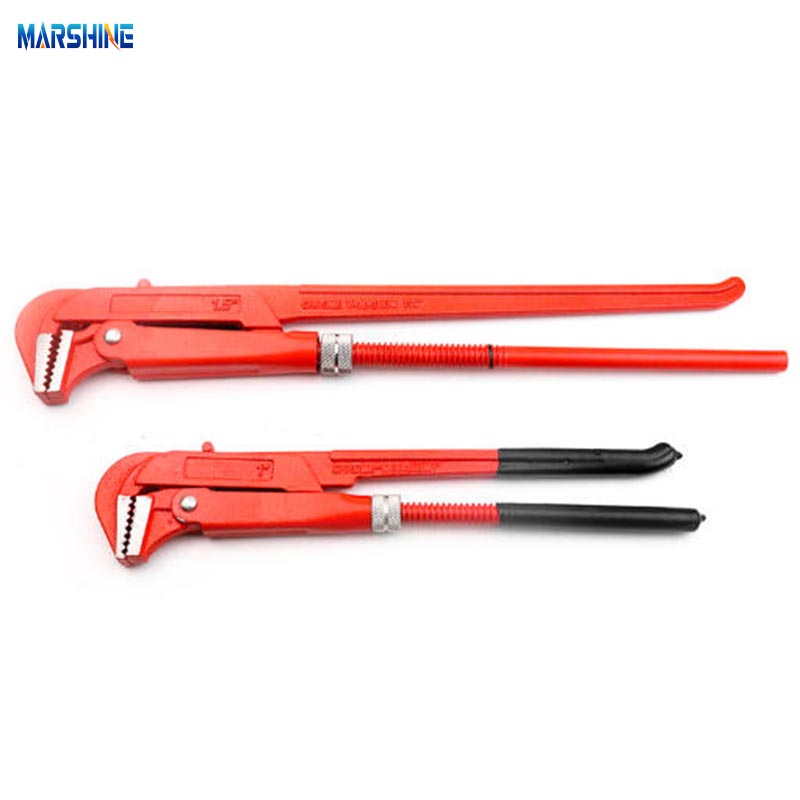
Tight service areas can turn routine pipe work into a slow, knuckle-scraping job, especially when a straight wrench needs more swing room than the space allows. A 45 degree pipe wrench solves that access problem by changing the relationship between the handle, jaws, and work surface, giving technicians a stronger bite in narrow mechanical chases, utility closets, and wall-adjacent runs. This article explains how the angled head improves grip and repositioning, where the tool performs best, and when a standard wrench is still the better option. It also highlights practical buying factors—such as jaw capacity, handle length, and material strength—so crews can choose tools that match real field conditions.
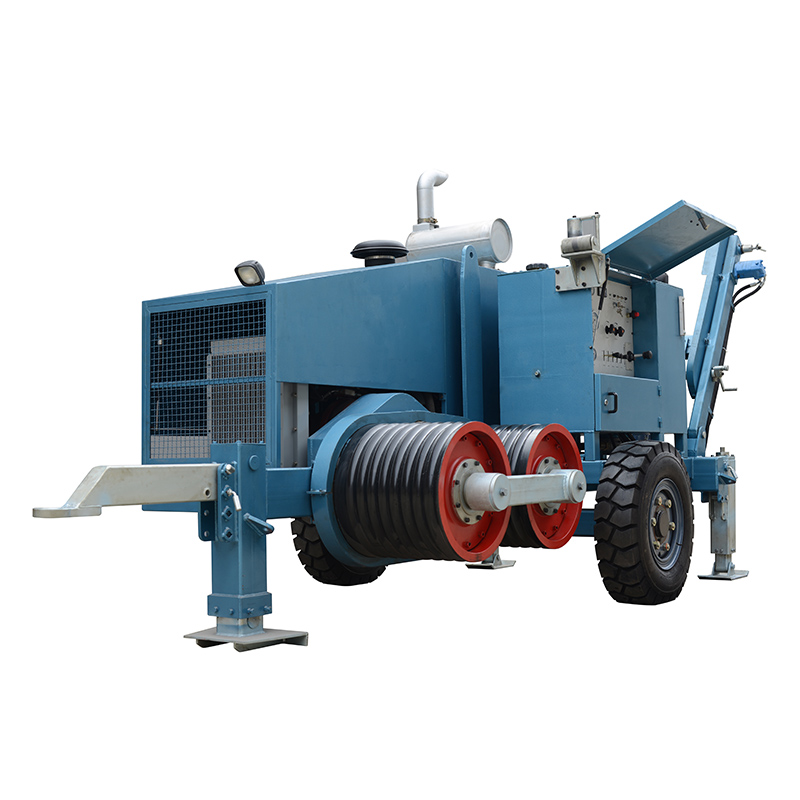
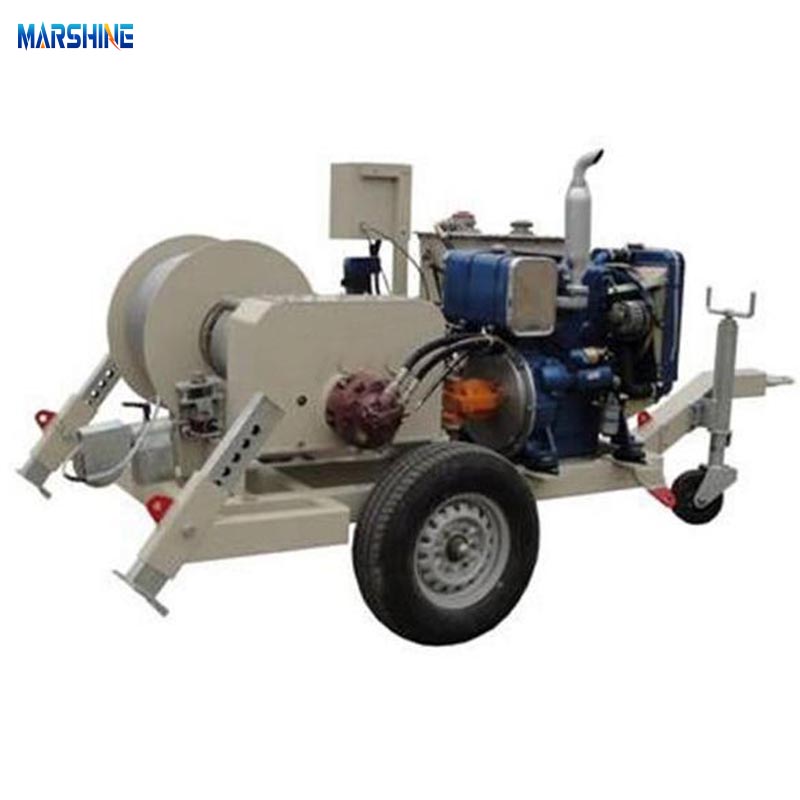
Utility cable installation leaves little room for guesswork: the wrong pulling machine can slow a crew, damage conductors, or create avoidable safety risks. A diesel-powered puller gives teams independent power where grid access is limited, but model selection should be based on more than engine size. Buyers need to compare pulling force, speed control, rope capacity, braking systems, duty cycle, and site restrictions such as emissions or noise rules. This guide explains the practical specifications that matter most, from 30 kN distribution work to heavier transmission pulls, so procurement teams and field supervisors can choose equipment that is powerful, controllable, and safe for real-world utility conditions.
A bundled conductor pull can fail long before the line is energized if the running hardware is mismatched. On 220kV to 800kV transmission projects, a multi-bundle conductor running board must control several heavy conductors at once while passing smoothly through aerial stringing blocks under high dynamic tension. The right choice reduces twisting, conductor clash, unsafe load spikes, and costly downtime. This guide explains the practical selection factors that matter most: bundle capacity, load ratings, anti-twist design, material strength, and compatibility with winches, swivels, connectors, and stringing blocks. For contractors and utility buyers, these details directly affect site safety, pulling efficiency, and equipment service life.
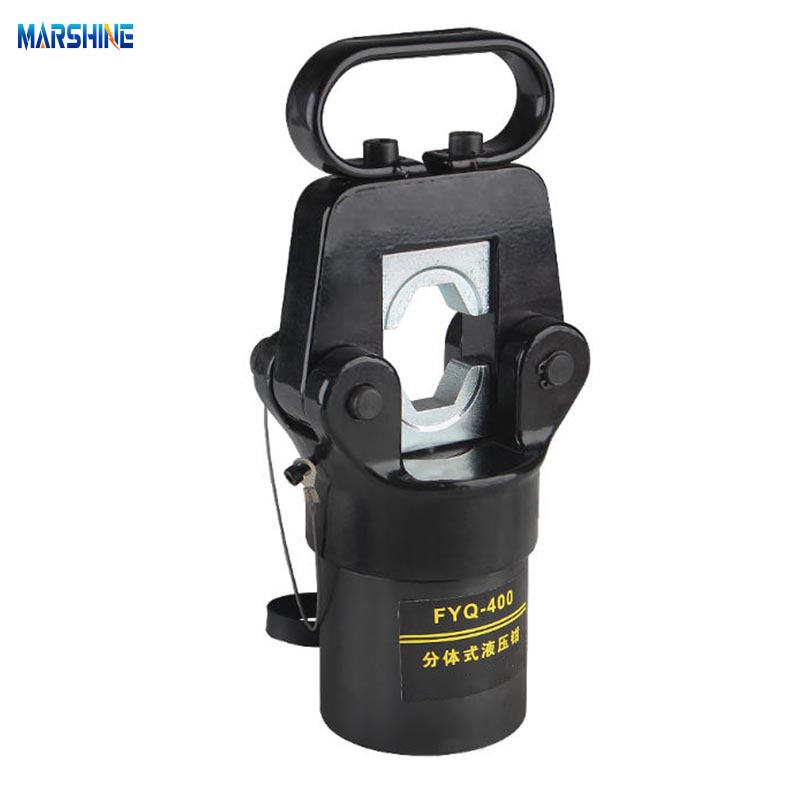
Large power cables do not tolerate guesswork: a poor compression joint can create heat, voltage drop, equipment failure, or serious safety risk. That is why utility crews and industrial electricians often rely on split type hydraulic crimping systems when terminating high-capacity copper or aluminum conductors. By separating the hydraulic power source from the crimping head, these tools deliver high tonnage while keeping the working end compact enough for trenches, switchgear cabinets, and crowded substation areas. This article explains how split type crimpers work, what specifications matter, and how to evaluate pressure, dies, cable range, and pump compatibility before choosing a tool for demanding electrical power work.
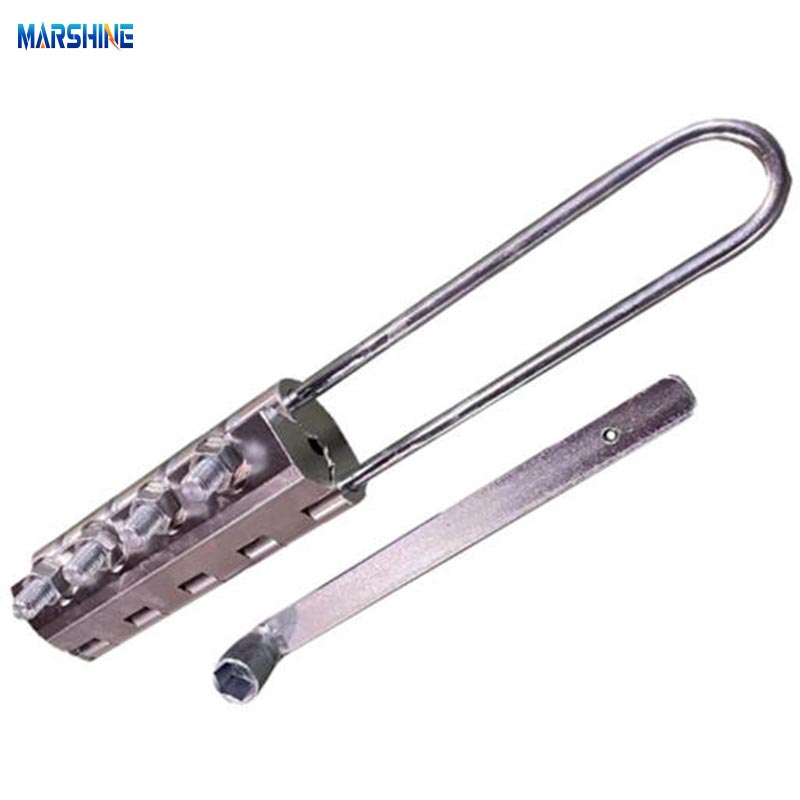
Once the project's technical thresholds are mapped out, it is time to evaluate the actual hardware and the manufacturers behind it. The market offers a vast array of equipment, but standard conductor tools are rarely suitable for delicate fiber optics. Partnering with an experienced, certified manufacturer ensures access to equipment specifically engineered for these challenges. When evaluating suppliers, look for comprehensive catalogs that include specialized cable pulling winches, universal stringing blocks, and come-along clamps, ensuring crews can find exactly what they need for safe aerial cable operations.
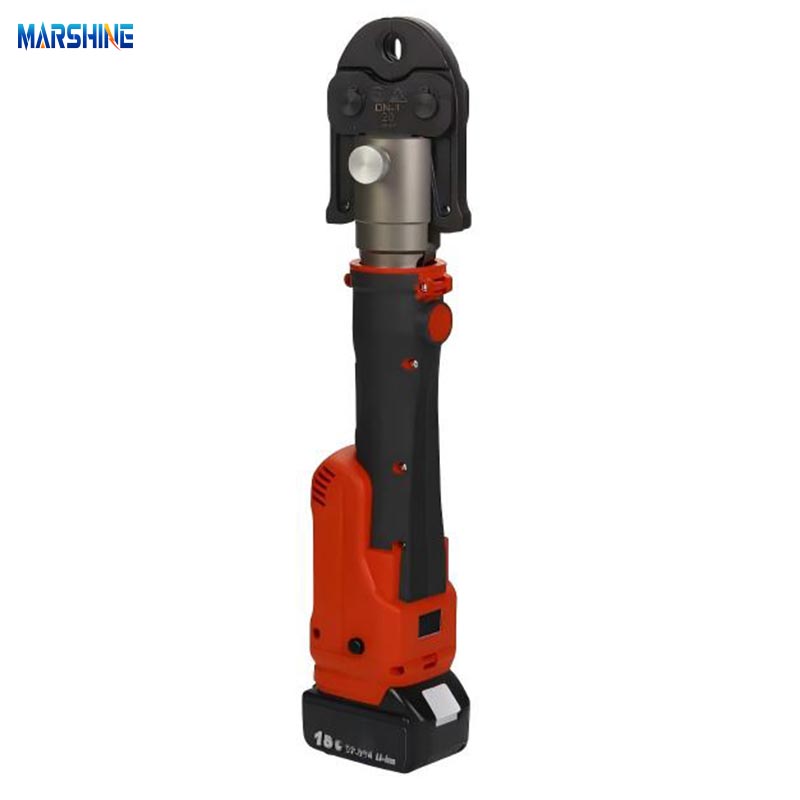
Heavy-gauge cable terminations leave little room for error: a weak 4/0 connection can become a high-resistance hot spot, reduce system reliability, and create serious safety risks. An 18V rechargeable hydraulic crimper brings controlled compression force, cordless mobility, and repeatable results to demanding field environments, from underground utility vaults to elevated service work. This article looks at why 4/0 AWG crimping requires precision, how battery-powered hydraulics reduce fatigue and variability, and which specifications—such as tonnage, die compatibility, conductor material, and recognized testing standards—matter most when selecting a tool for dependable power connections.
We use cookies to offer you a better browsing experience, analyze site traffic and personalize content. By using this site, you agree to our use of cookies. Privacy Policy
 17 2026-09
  15 2026-09
  11 2026-09
  10 2026-09
  08 2026-09
  04 2026-09