

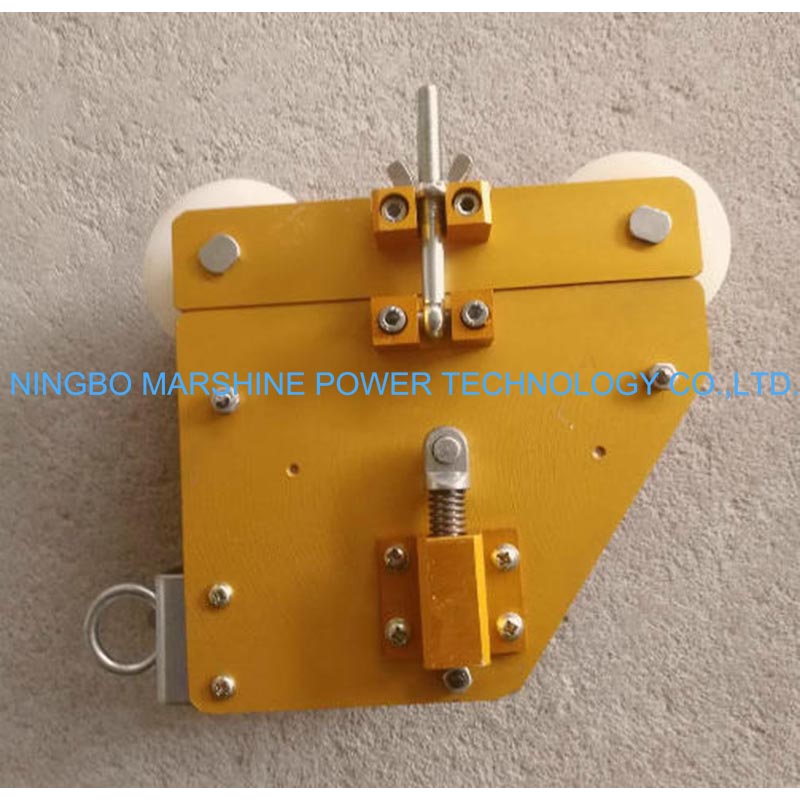
Every hour spent clearing stringing blocks after a pull can delay the next span, raise labor costs, and increase crew exposure in difficult terrain. A self propelled recovery device addresses that bottleneck by moving along the conductor under its own power, collecting pulleys and trailing equipment without relying on manual carts or costly aerial support. For transmission contractors, the gains are practical and measurable: faster retrieval speeds, remote operation, fewer suspended tasks, and more predictable production schedules. This article explains where the time savings come from, which specifications affect performance, and how to compare recovery tools for real overhead line construction conditions.
How a Self Propelled Recovery Device Reduces Line Time
Stringing overhead transmission lines is historically a slow, labor-intensive process, especially when it comes time to retrieve equipment. A self propelled recovery device fundamentally changes this workflow by motoring along the conductor to collect stringing blocks and pulleys. Instead of sending line workers out in carts or hiring expensive helicopters, crews can deploy these remote-controlled units to handle the heavy lifting. This approach drastically cuts down the hours spent on post-pulling cleanup.
By integrating advanced, safe, and easy-to-handle products into the grid construction process, contractors can keep their teams on the tower rather than suspended over dangerous terrain. The core feature of these devices is their motorized drive system, which grips the wire rope or conductor and smoothly travels across the span, pulling trailing equipment back to the anchor tower.
Key Sources of Line-Time Savings
The most obvious benefit of using these motorized devices is the sheer speed of retrieval. Traditional manual recovery can drag on for hours per span, but a motorized unit typically travels at speeds between 25 and 40 meters per minute. By automating the return trip, contractors often see up to a 60% reduction in the time required to clear a span.
A standout feature of these devices is their remote-controlled operation, which keeps crews safely anchored while the machine does the tedious work over the gap. This hands-off approach not only speeds up the timeline but also significantly reduces worker fatigue, allowing the team to move on to the next tower much faster.
Specifications That Affect Recovery Speed
Recovery speed relies heavily on a few critical specifications. Battery capacity is paramount; most modern units use 24V or 48V lithium power systems that provide 4 to 6 hours of continuous operation on a single charge. Weight capacity also matters, as a robust Cable Block Recovery Tool needs to pull up to 150 kg of trailing equipment while navigating steep mid-span sags.
Climbing grade is another crucial metric. A high-quality unit must manage inclines up to 30 degrees without stalling or slipping. Manufacturers like MARSHINE continually develop and innovate these tools to meet exact field demands, ensuring the traction wheels maintain a firm grip on the cable regardless of the weather conditions or the weight of the recovered blocks.
How to Compare Self Propelled Recovery Devices
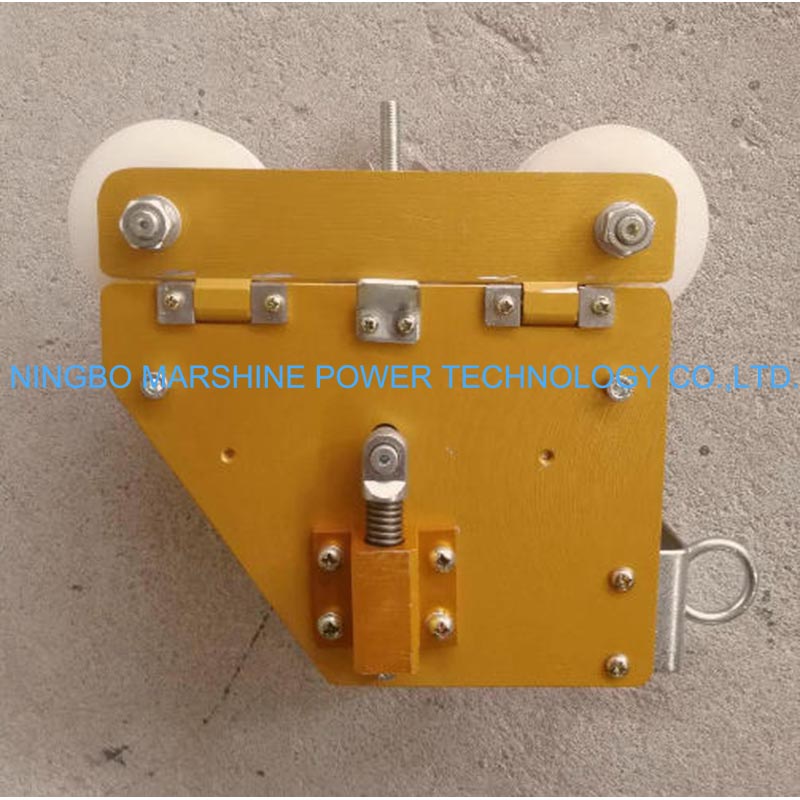
Finding the right motorized recovery unit requires looking past the basic marketing claims and digging into how the equipment performs under real-world stress. High-tension lines expose tools to harsh winds, steep sags, and heavy vibrations. Comparing models means evaluating their build quality, component durability, and overall engineering to ensure they match the specific demands of a given power grid construction project.
A key feature to look for during any comparison is universal compatibility. The best units feature adjustable nylon or aluminum wheels that can seamlessly adapt to different wire rope diameters and conductor sizes without requiring time-consuming field modifications.
Performance and Quality Parameters
When evaluating performance, motor power and braking systems take top priority. A standard unit might feature a 500W motor, while heavy-duty versions push 1000W or more to handle steeper gradients and heavier pulley clusters. Another vital feature is the mechanical fail-safe braking system, which instantly locks the wheels and prevents the unit from rolling backward if battery power is unexpectedly lost.
Frame material is equally important for operational efficiency. Aerospace-grade aluminum is frequently used to keep the total unit weight under 35 kg, allowing for easier manual handling during tower deployment. It is always wise to source from manufacturers that have passed strict industry certifications, such as the GB/T19001-2008 quality system certification achieved by MARSHINE, which guarantees reliable quality and consistent performance across their entire 20-series catalog of circuitry construction tools.
Comparison Table Criteria
To make an informed decision, contractors should line up the technical specifications side by side. A clear comparison highlights which unit offers the best balance of power, endurance, and weight for specific terrain.
| Model Category | Motor Power | Max Incline Grade | Battery Capacity | Typical Unit Weight |
|---|---|---|---|---|
| Standard Duty | 500W | 20 Degrees | 24V / 20Ah | 28 kg |
| Heavy Duty | 1000W | 30 Degrees | 48V / 30Ah | 35 kg |
| Extreme Terrain | 1500W | 40 Degrees | 48V / 40Ah | 42 kg |
Using a table like the one above helps procurement teams match the equipment to the environment. An extreme terrain model might be overkill for flat, short spans, but it becomes absolutely essential when working in mountainous regions where steep cable angles are the norm.
How to Deploy and Source a Self Propelled Recovery Device
Getting the most out of a motorized recovery system isn't just about buying the best hardware; it is also about deploying it correctly and partnering with a reliable supplier. Proper site preparation prevents mid-span strandings, while smart procurement ensures the tool pays for itself quickly.
Every project has unique terrain and tension variables that dictate exactly how the unit should be launched, monitored, and maintained. Establishing a strict operational protocol ensures the equipment delivers maximum uptime and safety.
Setup and Site Survey Steps
Before sending a unit out on the wire, crews must perform a thorough site survey. This involves checking the conductor sag, measuring the steepness of the span, and ensuring the distance does not exceed the remote control's maximum communication range, which typically caps out around 800 meters. Line clearance must also be verified to ensure the unit won't snag on dampers or splices.
Pre-flight checks are mandatory. Batteries should read at least 90% charge before launch to guarantee a safe round trip across a long span. A major feature of a high-quality Pulley Recovery Device is its fail-safe return mechanism and low-maintenance design, but proper setup ensures these backup features are rarely needed.
Further reading:
Key Takeaways
- Use a self propelled recovery device to automate block and pulley retrieval and reduce post-pulling cleanup time by up to 60%.
- Prioritize models that travel at 25 to 40 meters per minute to improve recovery speed across long overhead spans.
- Select 24V or 48V lithium-powered units with 4 to 6 hours of runtime to avoid frequent charging interruptions in the field.
- Match the device to the job by confirming it can pull up to 150 kg of trailing equipment and climb inclines of up to 30 degrees.
- Choose units with adjustable nylon or aluminum wheels so crews can adapt quickly to different conductor and wire rope sizes.
- Use remote-controlled recovery to keep workers in safer positions and reduce fatigue during repetitive span-clearing operations.
Frequently Asked Questions
What does a self propelled recovery device do?
It travels along an overhead conductor or wire rope to retrieve stringing blocks, pulleys, and related equipment after line pulling, reducing the need for manual carts or helicopter support.
How much line time can it save?
A motorized recovery unit can reduce span cleanup time by up to 60%, depending on terrain, span length, crew setup, and equipment weight.
What speed should crews expect during recovery?
Many self propelled recovery devices travel at about 25 to 40 meters per minute, allowing crews to clear spans faster than traditional manual retrieval methods.
What specifications matter most when choosing a device?
Key specifications include battery voltage, continuous runtime, pulling capacity, climbing grade, wheel grip, and compatibility with different conductor or wire rope diameters.
How long can a typical unit operate on one charge?
Modern units commonly use 24V or 48V lithium battery systems and can provide around 4 to 6 hours of continuous operation per charge.