


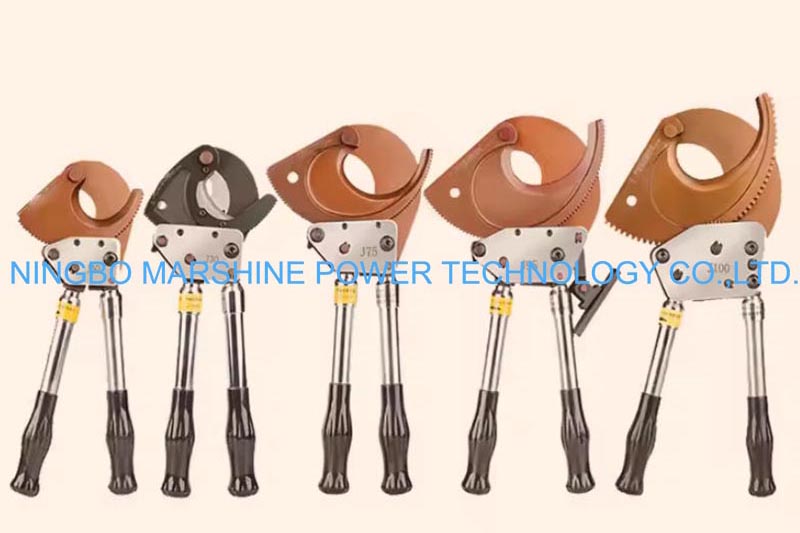
Cutting large power cables is not a job for guesswork or underbuilt hand tools. When crews work with thick copper or aluminum conductors, the difference between a clean cut and a damaged cable often comes down to blade quality, leverage, and tool control. A 52mm ratcheting cutter with aluminum handles is designed to deliver high mechanical advantage while keeping tool weight manageable, often around 1.2 to 1.5 kilograms. This guide looks at the specifications that matter most, including cable diameter, conductor area, blade construction, ratchet performance, grip design, and field limitations, so technicians and buyers can choose a safer, more durable cutter for demanding electrical installation work.
Why a 52mm Aluminum Ratcheting Cable Cutter Matters
When you are dealing with heavy-duty electrical installations, having the right gear makes all the difference. A 52mm aluminum ratcheting cable cutter isn't just another standard hand tool in the bag; it is a serious game-changer for linemen and technicians working with thick copper and aluminum lines. In modern distribution networks, handling cables up to 52mm in diameter requires substantial mechanical advantage. Doing it safely without wearing out your arms requires smart material choices and ergonomic design.
Key Specifications to Check
The standard for these cutters is a maximum cutting capacity of 52mm. This refers to the overall outside diameter of the cable, which often includes thick insulation, while the tool handles conductive cores up to a 400mm² cross-sectional area. Note that this 52mm / 400mm² pairing depends heavily on cable insulation thickness and conductor construction (such as fine-stranded versus compacted); ratings are not universally interchangeable across all cable types. Look for forged, high-carbon steel blades that are precisely heat-treated to prevent chipped or rolled edges. Thanks to extruded aluminum handles, a premium 52mm cutter typically weighs between 1.2 and 1.5 kilograms, offering a lighter alternative to traditional solid steel-handled tools.
Benefits of Aluminum Construction and Ratchet Action
The standout feature is the combination of aluminum handles and a precise internal ratcheting mechanism. The pawl and gear system advances the blade step-by-step, significantly reducing the required hand force compared to standard shear cutters. This mechanical advantage minimizes operator fatigue during long, demanding shifts. Aluminum also naturally resists rust and corrosion, keeping the tool reliable in damp underground vaults or humid aerial environments.
However, there are operational caveats: ratcheting cutters are inherently slower than direct shear tools, and fine-stranded or highly flexible cables can sometimes jam or deform in the jaws. Furthermore, while aluminum is lightweight, it may exhibit different long-term fatigue characteristics than steel under heavy field use and is susceptible to bending from impact damage; these handles should never be used as hammers. Buyers should also expect a price premium for aluminum models. When selecting a ratcheting cable cutter, prioritizing ergonomic features like rubberized non-slip grips will further improve workflow and safety.
How to Compare Ratcheting Cable Cutters
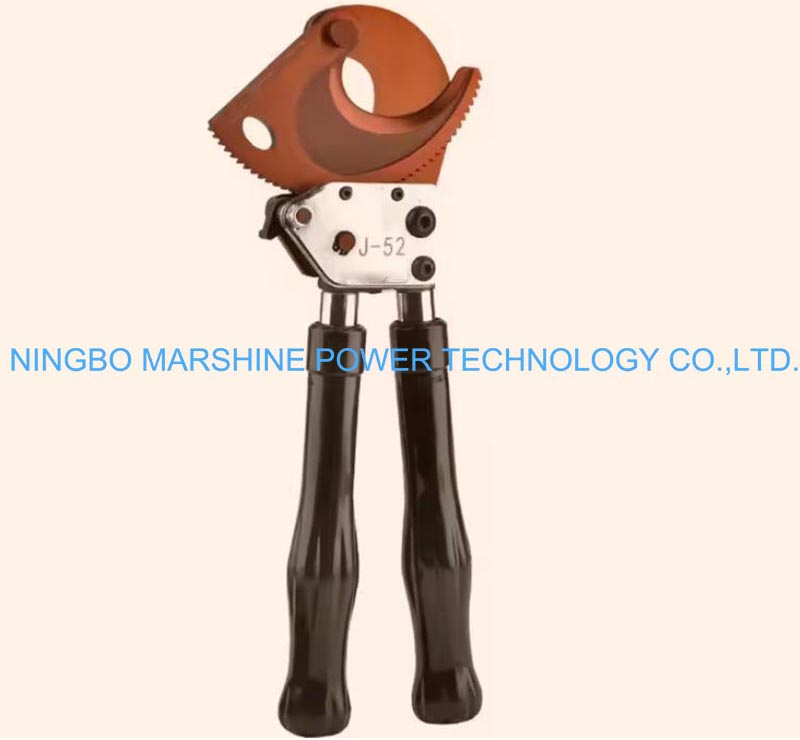
Not all cable cutters are built the same, even if they prominently claim a 52mm capacity on the box. When comparing different models for your crew, you have to look past the basic specifications and dive into the mechanics of the blade geometry, handle grip materials, and the durability of the internal gear teeth. A high-quality, professional-grade tool will feature a quick-release lever, allowing you to back out of a cut safely if things get jammed or if you accidentally bite into an oversized cable.
Comparison Table Criteria
To really see how these tools stack up, let's break down the core criteria you should evaluate before buying. You want to balance weight, blade hardness, and mechanical efficiency across any model, regardless of handle material. A good curved blade geometry, for instance, prevents the cable from slipping out of the jaws during the cut.
| Evaluation Criteria | What Buyers Should Verify | Example Premium Target |
|---|---|---|
| Max Capacity | Confirm outer diameter vs. core area | Up to 52mm OD (approx. 400mm² core) |
| Tool Weight | Check for overhead usability | 1.2 kg - 1.5 kg range |
| Blade Hardness | Review datasheet for edge durability | Verify against manufacturer datasheet |
| Mechanical Advantage | Assess force reduction claims | Verify force-reduction via datasheet |
| Quick Release | Ensure safe jam recovery | Standard inclusion |
| Maintenance Needs | Check rust resistance & gear sealing | Low maintenance, sealed gears |
Comparing these metrics helps ensure you aren't just buying based on price, but rather investing in a tool that will survive the rigors of daily field use.
Safe and Efficient Cutting Steps
When comparing models, evaluating a tool's safety features goes hand-in-hand with understanding its proper operating procedures. A tool's design is only as effective as the technician's technique. First, always inspect the cable to ensure it does not contain a solid steel core (like ACSR), as these cutters are strictly designed for softer copper and aluminum. Position the cutting tool at a 90-degree angle to the cable to prevent blade twisting and uneven wear. Pump the handles steadily, letting the gears do the heavy lifting rather than forcing the cut. If the blade binds, use the quick-release trigger to open the jaws, reposition, and start again. Finally, compare how easy each model is to maintain; routine upkeep—like clearing cable grease and lubricating the gear teeth and pivot points—will keep the ratchet action smooth and prevent contamination-related failures.
How to Choose the Right Supplier and Model
Transitioning from field application to procurement, sourcing the right tools for your inventory involves partnering with a manufacturer that understands the harsh realities of power grid construction. A reliable supplier ensures consistent batch quality, proper heat treatment for every blade, and robust after-sales support when you need replacement parts or technical guidance.
Quality and Manufacturing Factors
When evaluating a manufacturer, look beyond marketing claims and focus on actionable B2B criteria. Prioritize specialized manufacturers of electrical power equipment tools that hold rigorous quality system certifications, such as ISO 9001:2015. Instead of generic promises, assess the supplier based on warranty length, spare-parts availability, and blade replacement costs. A strong manufacturer demonstrates technical depth through a comprehensive catalog, but their true value lies in reliable lead times and responsive customer service. By prioritizing these operational metrics, partnering with a reputable supplier ensures that your procurement translates into long-term field reliability.
Final Procurement Checklist
Before finalizing a purchase order for a new fleet of cutters, run through a quick procurement checklist. Verify the Minimum Order Quantity (MOQ), which generally ranges from a few units to larger bulk orders depending on your custom branding or packaging needs.
Further reading:
Key Takeaways
- Verify both the 52mm outside diameter rating and the approximate 400mm² conductor capacity before selecting a cutter for a specific cable type.
- Choose forged, heat-treated high-carbon steel blades to reduce the risk of chipped, rolled, or prematurely worn cutting edges.
- Use aluminum-handled models when lower tool weight and corrosion resistance are priorities, especially for long shifts or damp work environments.
- Prioritize ratcheting cutters with a quick-release lever so operators can safely stop and reset when a cable jams or exceeds capacity.
- Avoid using aluminum handles as hammers or pry bars because impact damage and bending can shorten tool life.
- Compare grip quality, blade geometry, ratchet smoothness, and gear durability rather than relying only on the advertised 52mm capacity.
Frequently Asked Questions
What does the 52mm capacity mean on a ratcheting cable cutter?
It usually refers to the maximum outside cable diameter, including insulation. For many models, this corresponds to conductors up to about 400mm², but actual compatibility depends on insulation thickness, conductor type, and cable construction.
Can this cutter handle both copper and aluminum cables?
Yes, a professional 52mm ratcheting cable cutter is typically designed for heavy copper and aluminum conductors. Always confirm the manufacturer’s rated capacity before cutting compacted, armored, steel-reinforced, or unusually flexible cables.
Why choose aluminum handles instead of steel handles?
Aluminum handles reduce tool weight, often keeping the cutter around 1.2 to 1.5 kg. They also resist corrosion, which is useful in damp vaults and outdoor utility work, though they should not be used for prying or impact.
How does the ratcheting mechanism help during cutting?
The pawl-and-gear ratchet advances the blade in controlled steps, reducing the hand force needed for thick cable. This improves control and helps reduce fatigue during repeated cuts on demanding electrical installation jobs.
Are ratcheting cable cutters faster than direct shear cutters?
Not usually. Ratcheting cutters provide more mechanical advantage and control, but they are generally slower than direct shear tools. They are best chosen when cutting force, safety, and consistency matter more than speed.