By customer-oriented service, quality tracking and service monitoring, the company has established a complete after-sales system, and always adhere to the philosophy "quality first, users first", which is also "MARSHINE" people eternal pursuit.
Since its establishment in 2012, the company has focused on the development, manufacture, sales and service of various cable pulling tools.
Certification
Our product have passed the quality system certification ISO9001:2000, ISO12100 to ensure the product quality. Following the standards of IEC60745, IEC61029, EN60745, EN55014, EN55014, ANSIB11.19 and ANSI/UL60745 in productions.
Experience
We have a professional and efficient team in the industry, and we have been committed to the design, production, and research in the field of electric power tools.
About Us
Ningbo Marshine Power Technology Co., Ltd.
Ningbo Marshine Power Technology Co., Ltd. is a Chinese company who focus on designing, developing and manufacturing cable pulling tools. As one of the Chinese industry manufacturer of electrical power equipment tools,our company insist on the management philosophy ′science and technology-oriented, the user′s demand is our pursuit, customer satisfaction is our promise′ for decades to offer better service to customers.
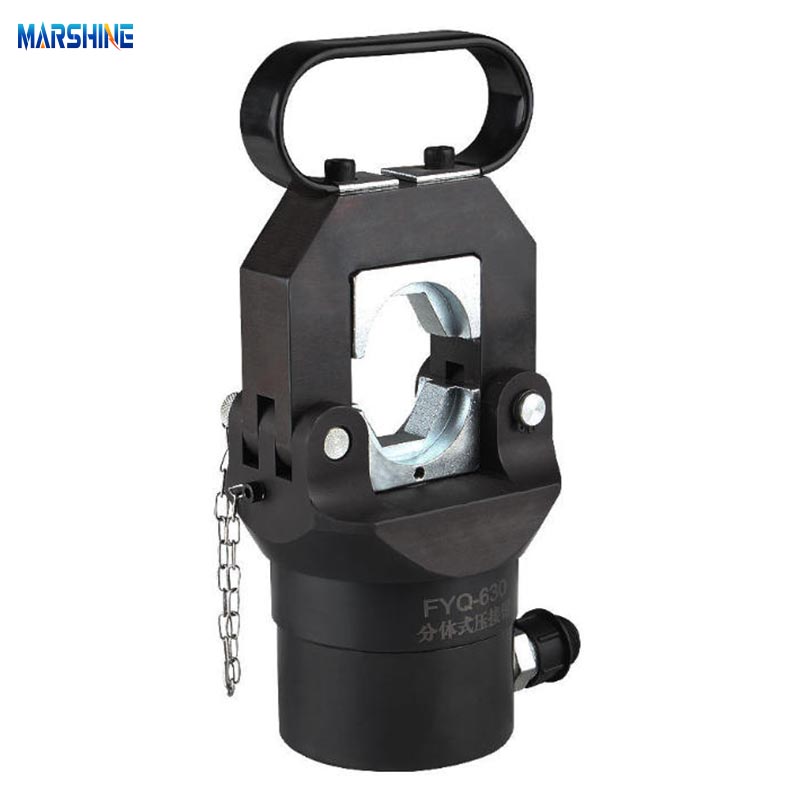
A poor crimp can create heat, voltage loss, and long-term failure in a power cable connection, so tool selection is more than a purchasing decision—it is a reliability decision. For large conductors, awkward job sites, and high-force terminations, a split hydraulic crimping system gives operators the flexibility to place a lighter head at the cable while keeping the pump separate. But the best choice depends on more than tonnage alone. You need to evaluate conductor size, lug compatibility, pump type, hydraulic hose limits, pressure ratings, and maintenance costs. This guide explains what to compare so you can select a safe, efficient, and job-ready crimping setup.
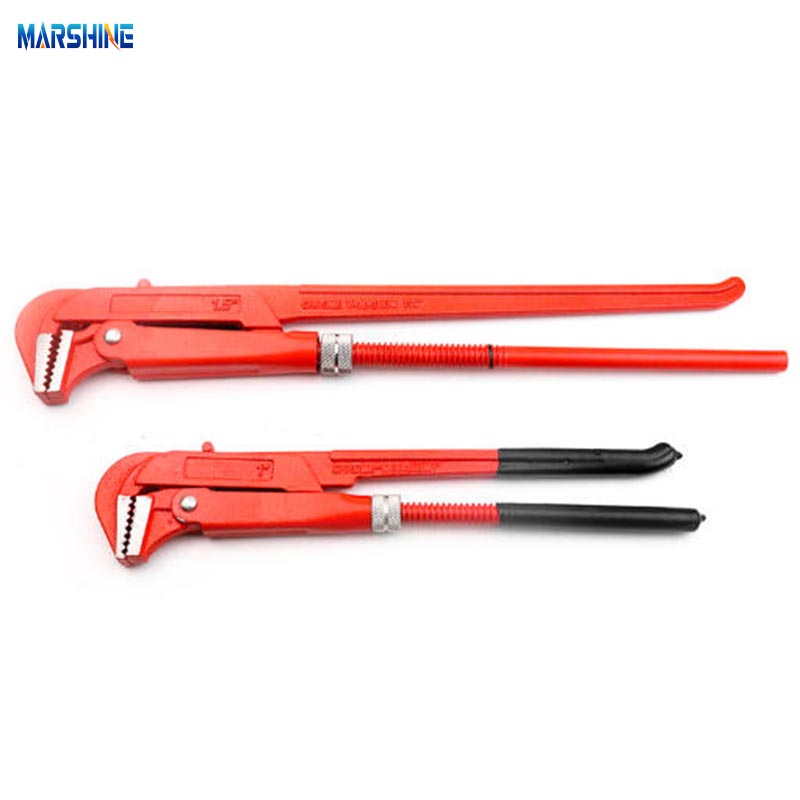
Tight service areas can turn routine pipe work into a slow, knuckle-scraping job, especially when a straight wrench needs more swing room than the space allows. A 45 degree pipe wrench solves that access problem by changing the relationship between the handle, jaws, and work surface, giving technicians a stronger bite in narrow mechanical chases, utility closets, and wall-adjacent runs. This article explains how the angled head improves grip and repositioning, where the tool performs best, and when a standard wrench is still the better option. It also highlights practical buying factors—such as jaw capacity, handle length, and material strength—so crews can choose tools that match real field conditions.
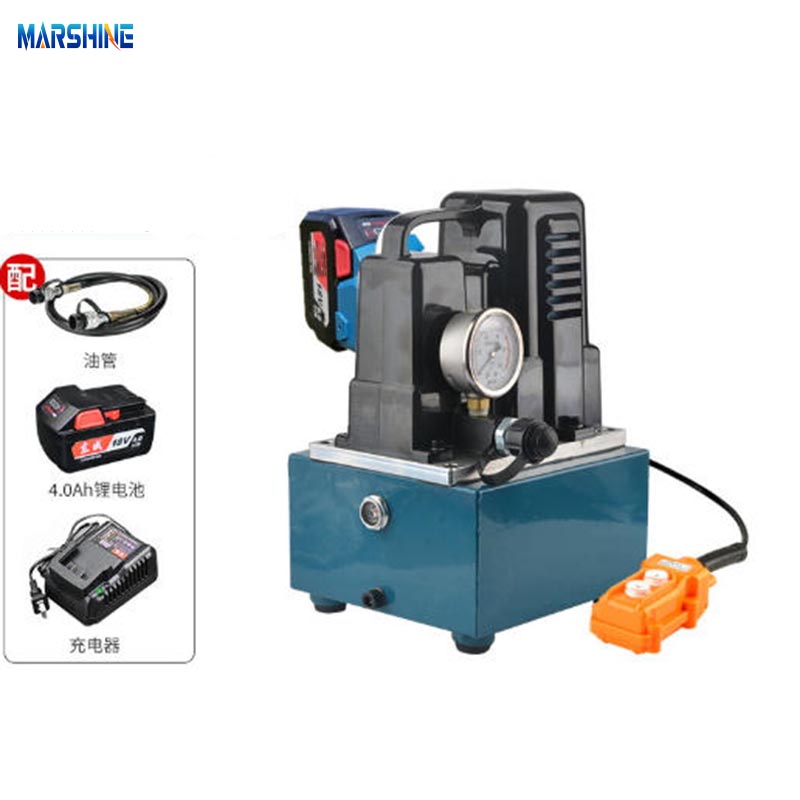
Remote utility work leaves little room for slow setup, mismatched fittings, or equipment that runs out of power mid-cycle. A battery-powered hydraulic pump can give linemen and construction crews cleaner, faster mobility than generator-based systems, but only if it matches the tools and workload in the field. The right choice depends on measurable factors: pressure rating, oil capacity, flow, runtime, battery platform, couplers, and control features. This guide explains how to translate real jobsite tasks—such as crimping, cutting, punching, and lifting—into practical specifications so crews can choose a unit that improves productivity without compromising safety or compatibility.
We use cookies to offer you a better browsing experience, analyze site traffic and personalize content. By using this site, you agree to our use of cookies. Privacy Policy