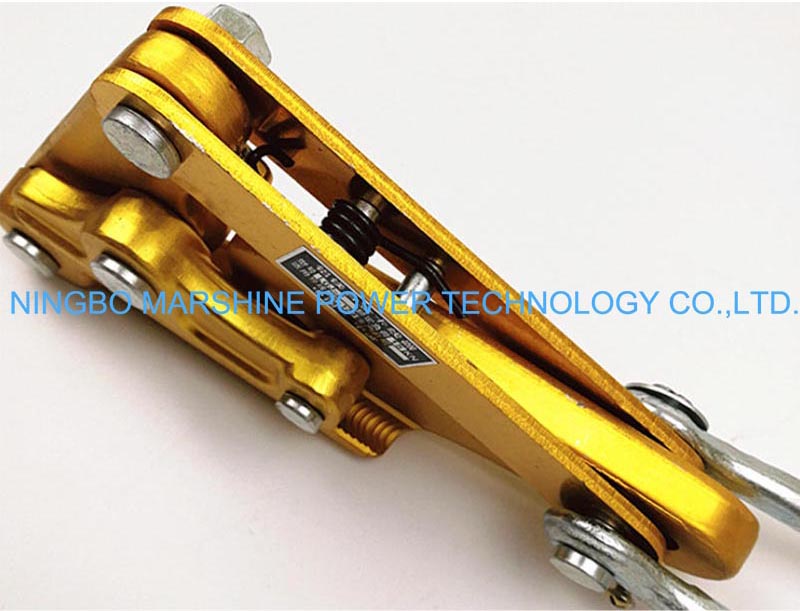
A come along clamp significantly boosts conductor grip. It provides a secure hold, reducing slippage during installations. This clamp enhances safety, making tasks easier for workers. With MARSHINE's reliable tools, users can trust that their pulling grip remains strong, ensuring efficient and safe operations every time.
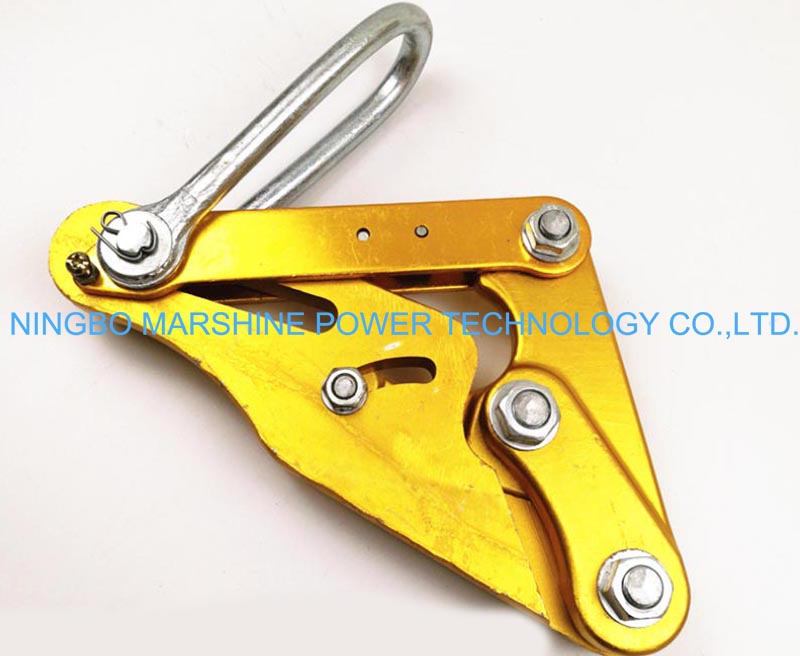
When it comes to come along clamps, there are several types to consider, each designed for specific applications. Understanding these types can help users choose the right tool for their needs.
Manual come along clamps are popular for their simplicity and reliability. These clamps require physical effort to operate, making them ideal for smaller jobs or when power sources aren't available. They provide a strong grip on conductors, ensuring safety during installations. Users appreciate their lightweight design, which makes them easy to handle.
Electric come along clamps take efficiency to the next level. They can lift loads up to 2.5 times faster than manual models, significantly reducing labor time. This speed enhances overall productivity, especially in large-scale projects. With advancements in battery technology, many electric models now offer cordless options, providing greater mobility on the job site.
Specialty come along clamps address unique challenges in conductor gripping applications. These clamps often feature anti-slip jaw designs that prevent cable damage while maintaining a strong grip. Made from high-strength materials like forged alloy steel, they ensure durability and long service life. Their lightweight design allows for quick installation and removal, making them perfect for various tasks.
| Clamp Type | Max Load Capacity (kg) | Weight (kg) | Material | Price (USD) |
|---|---|---|---|---|
| Standard Come Along Clamp | 1500 | 3.5 | Aluminum | 45 |
| Heavy-Duty Come Along Clamp | 2500 | 5 | Steel | 75 |
| Lightweight Come Along Clamp | 1000 | 2 | Composite | 30 |
| Adjustable Come Along Clamp | 2000 | 4 | Aluminum | 60 |
Choosing the right type of come along clamp can make a significant difference in safety and efficiency during electrical work.
When selecting a come along clamp for conductor grip, several key factors come into play. Understanding these criteria helps ensure that users choose the right clamp for their specific needs.
The type of cable or conductor significantly influences the choice of a come along clamp. Different conductors, such as bare, insulated, or wire rope, require clamps designed to accommodate their unique characteristics. Here’s a quick overview of how cable type affects clamp selection:
| Factor | Description |
|---|---|
| Conductor Type | Must match the specific type (e.g., AAC, ACSR, AAAC, OPGW) |
| Diameter Range | The clamp must accommodate the specific diameter of the conductor |
| Rated Tensile Strength | Must be compatible with the RTS of the conductor for safety and efficiency |
| Grip Efficiency | Varies with cable type, affecting the effectiveness of the clamp |
| Fatigue Resistance | Important for the longevity of the clamp under repeated use |
| Compatibility | Must work with existing tools and equipment used in the project |
Choosing the right clamp based on cable type ensures optimal conductor grip, enhancing safety and performance during installation and maintenance tasks.
Diameter is another crucial factor when selecting a come along clamp. Each clamp is designed to fit a specific range of diameters. If the clamp does not match the conductor's diameter, it can lead to slippage or even damage. Here are some tips to consider:
By paying attention to diameter considerations, users can maintain a secure grip on conductors, reducing the risk of accidents and improving overall efficiency.
Load capacity is perhaps the most critical factor in ensuring safety and performance. Users must select a clamp with a load capacity that exceeds the expected tension during use. Exceeding the load capacity can lead to serious consequences, such as conductor failures or line sagging. Here’s a breakdown of typical load capacities for various clamp types:
| Clamp Type | Max Load Capacity (lbs) |
|---|---|
| Standard Come Along Clamp | 2000 |
| Heavy-Duty Come Along Clamp | 4000 |
| Lightweight Come Along Clamp | 1200 |
| Electric Come Along Clamp | 3000 |
| Multi-Purpose Come Along Clamp | 2500 |
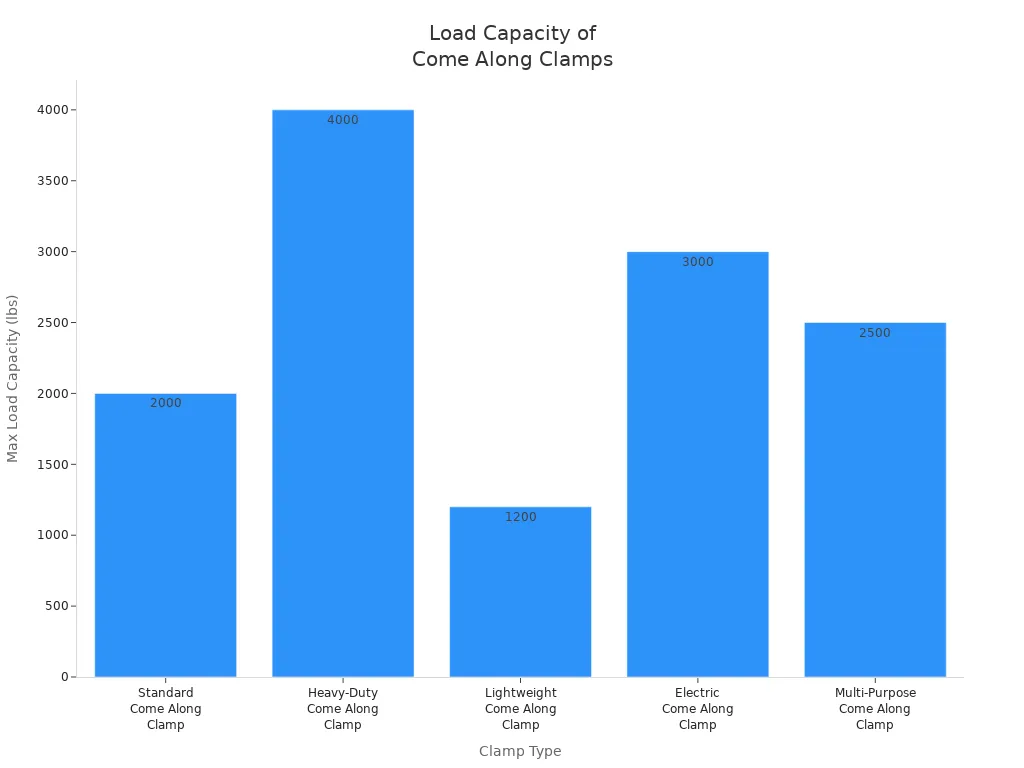
Selecting a clamp with the appropriate load capacity ensures that users maintain optimal conductor spacing and alignment. This not only enhances efficiency but also reduces energy loss due to resistance.
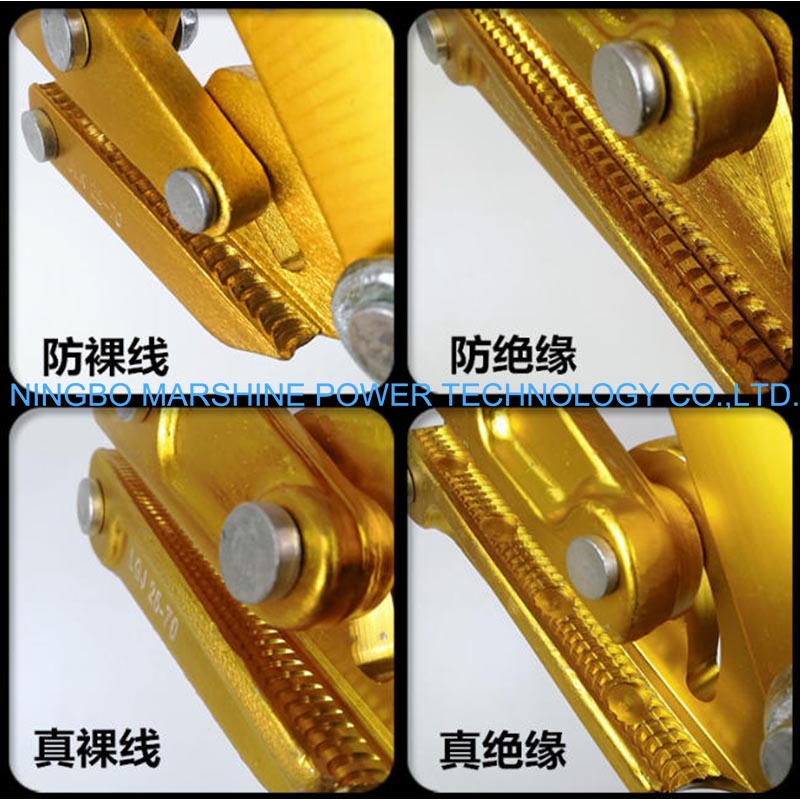
Come along clamps play a vital role in various applications, especially in the electrical field. Their ability to provide a secure conductor grip makes them indispensable for professionals. Let’s explore how these clamps are used in different scenarios.
In power line construction, telecommunications, and industrial cable installations, come along clamps are essential. They help grip and pull wires or cables during various tasks. This secure hold ensures that conductors remain in place, reducing the risk of accidents. Workers can rely on these clamps to maintain tension and alignment, which is crucial for effective installations.
Routine maintenance is key to ensuring that come along clamps operate safely and efficiently. Here are some important practices to keep in mind:
By following these maintenance tips, users can enhance the longevity of their clamps:
Well-maintained clamps provide strong, even pressure without slippage. This reliability enhances safety and prevents damage to materials, making them a smart investment for any electrical project.
Come along clamps are also invaluable during emergency repairs. They can quickly address unexpected issues, ensuring safety and efficiency. Common scenarios where these clamps shine include:
These clamps allow workers to act swiftly, minimizing downtime and ensuring that repairs are done safely.
A come along clamp is essential for improving conductor grip, ensuring safety, and enhancing efficiency in various applications. Choosing the right clamp based on specific needs can lead to better performance and reliability.
Here are some key benefits of using the appropriate clamp:
- Secure cables and wires, preventing movement that could lead to fraying or disconnection.
- Maintain the integrity of electrical connections, crucial for safety.
- Distribute mechanical stress evenly, reducing accident risks in high-vibration environments.
By investing in quality clamps, users can enjoy long-term cost savings and improved performance in their electrical projects.
A come along clamp grips conductors securely during installation and maintenance tasks.
Consider cable type, diameter, and load capacity to select the best clamp for your needs.
Yes, when used correctly, come along clamps enhance safety by preventing slippage and ensuring secure holds.