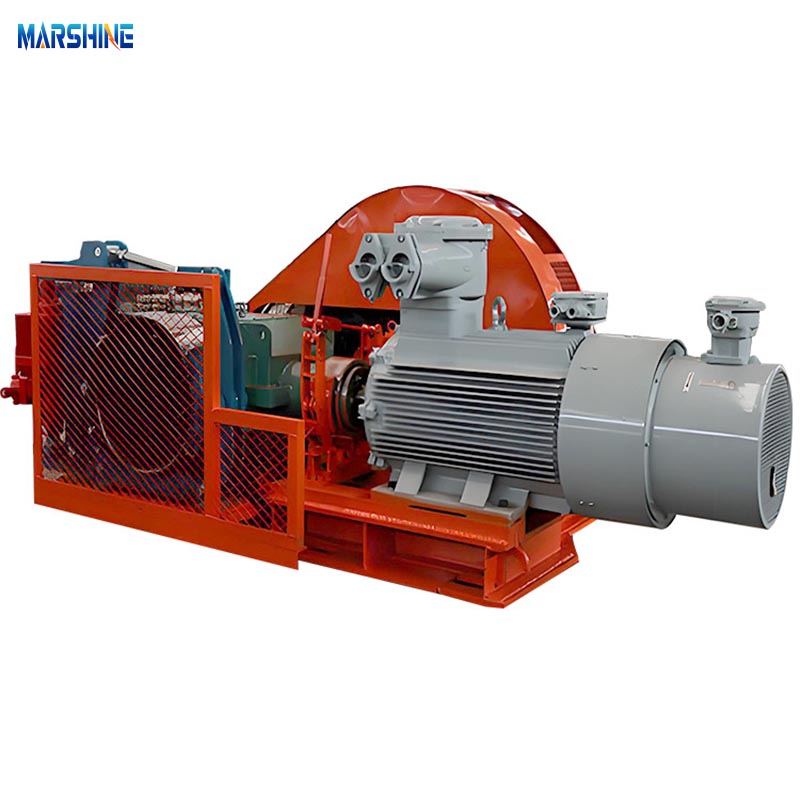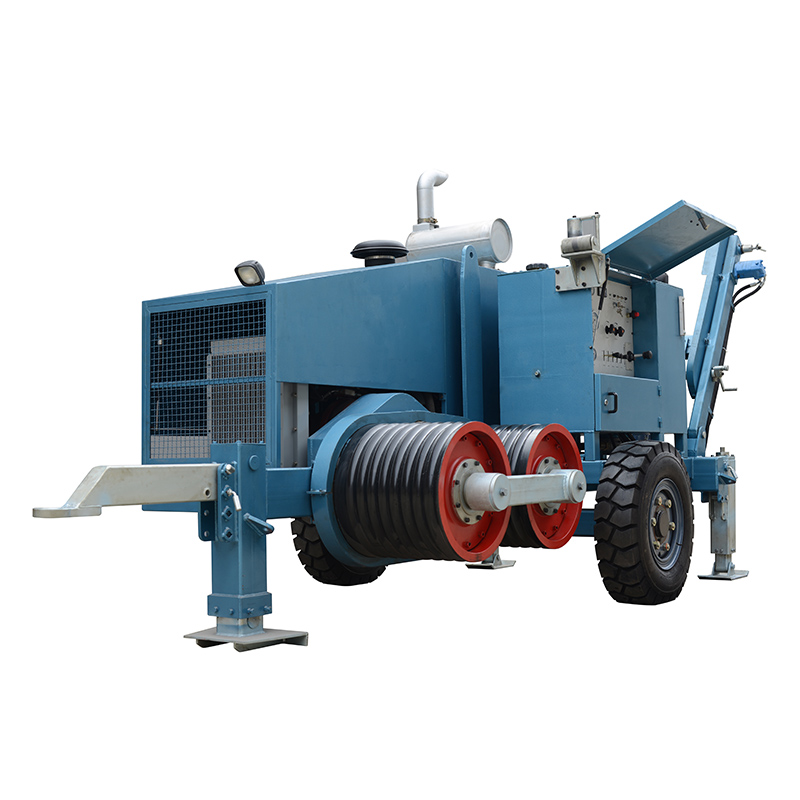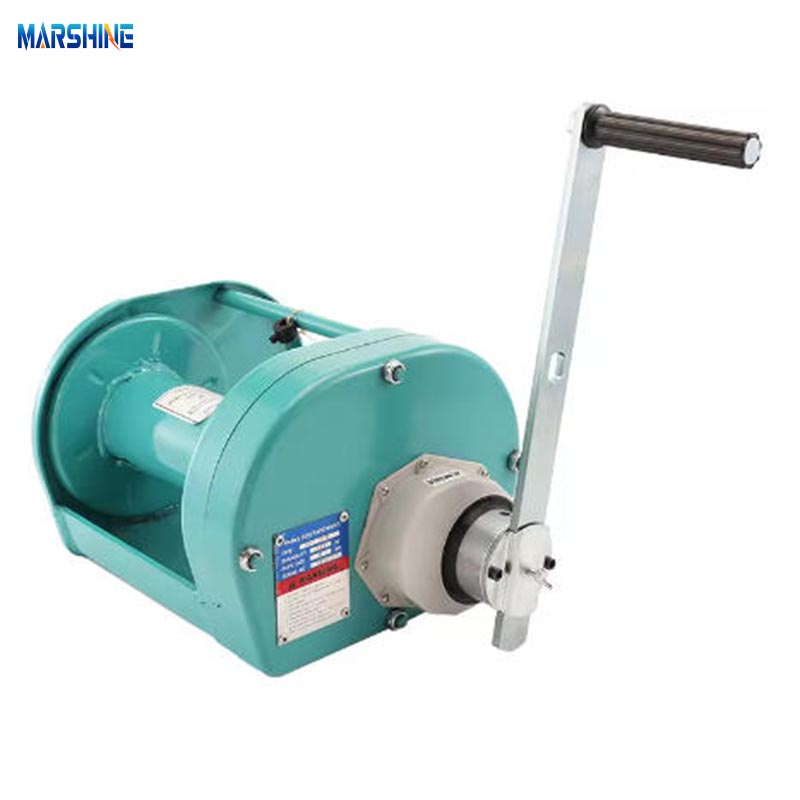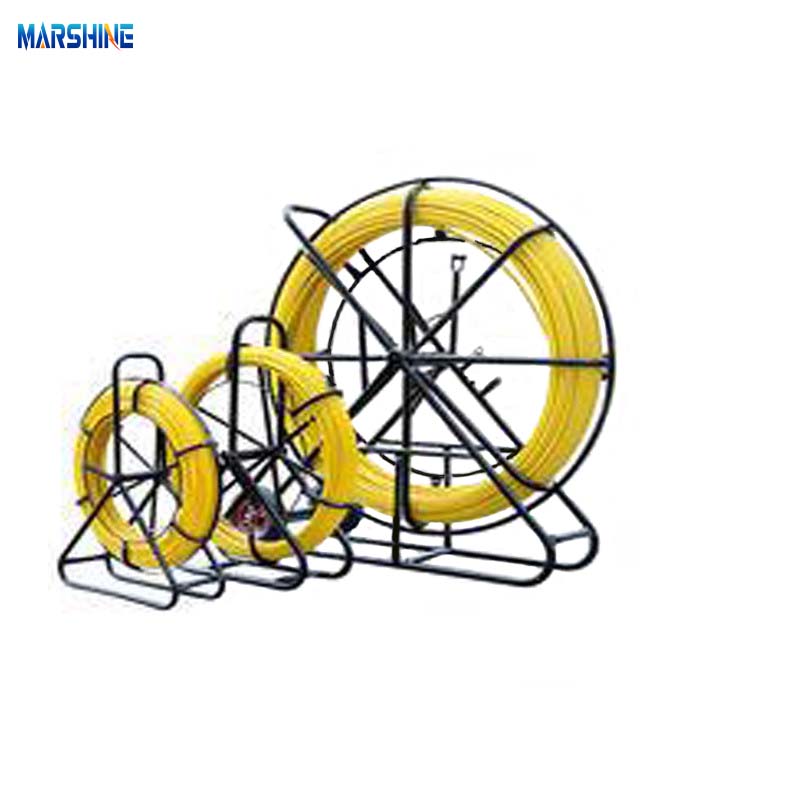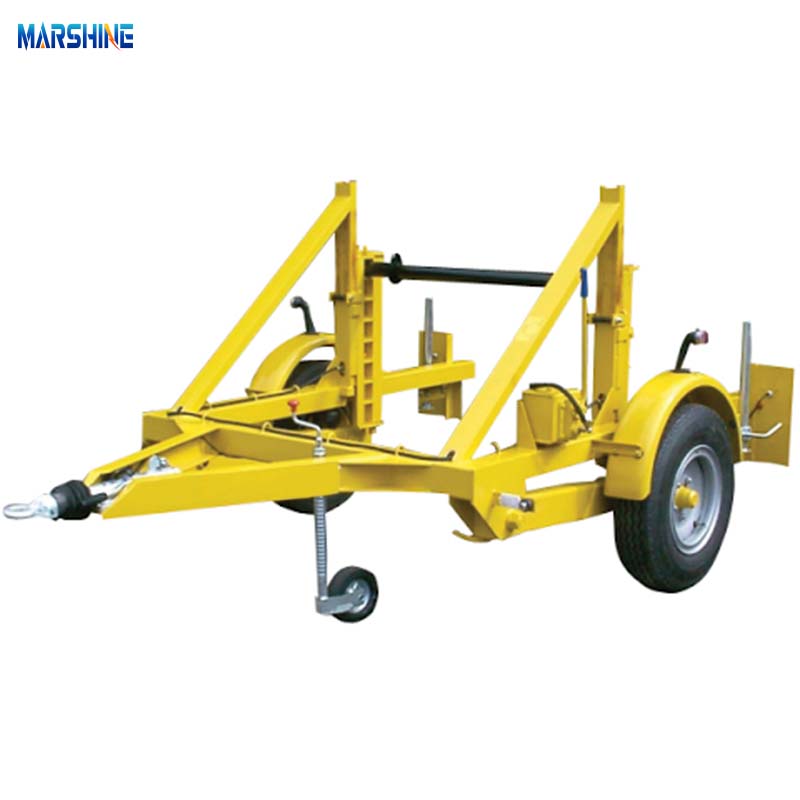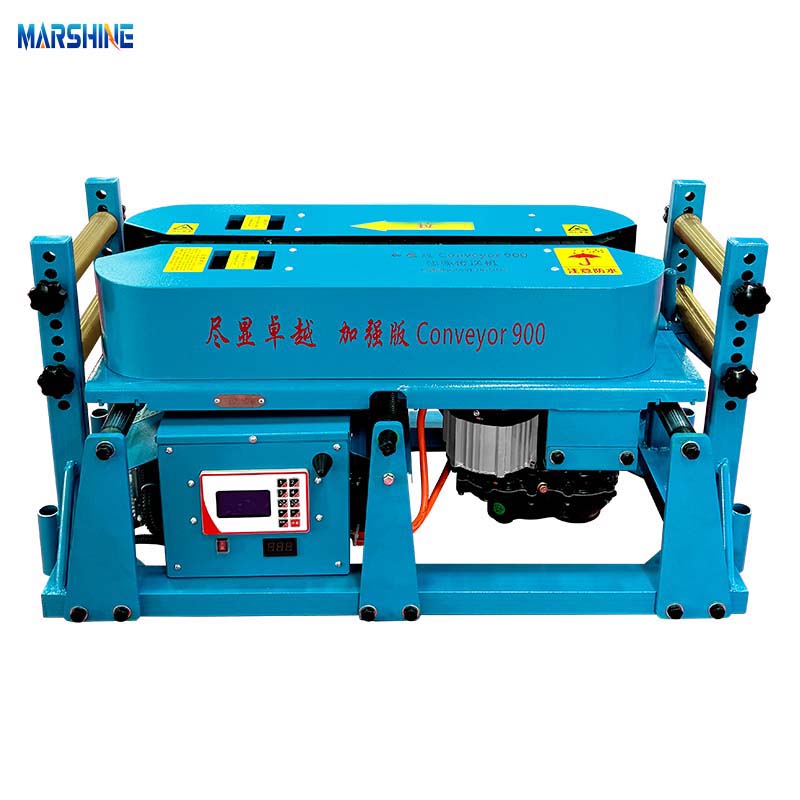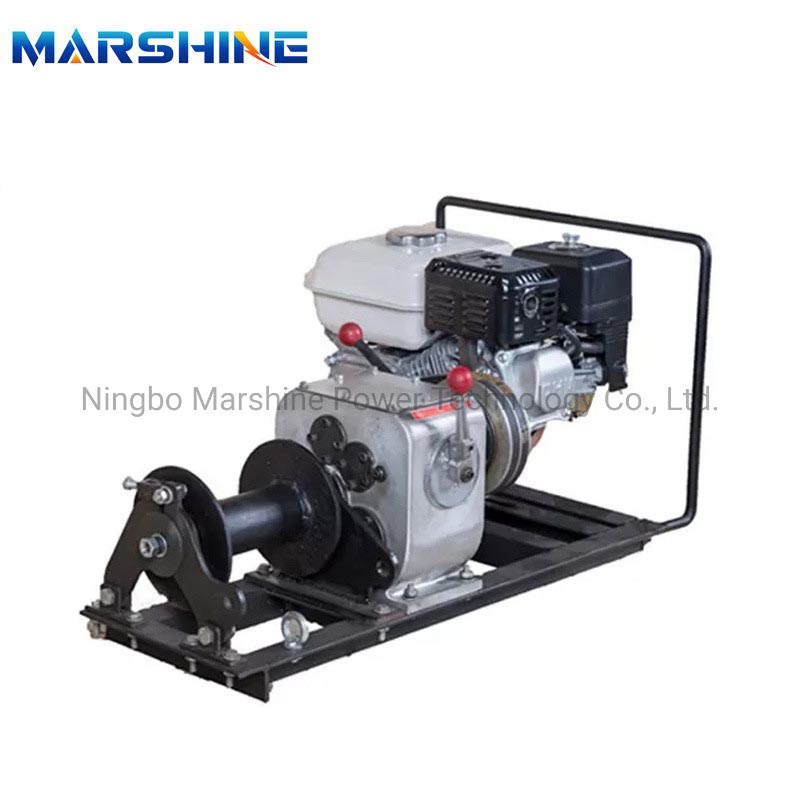
Conductor stringing equipment, such as those offered by MARSHINE, plays a vital role in boosting project efficiency and reliability. By utilizing advanced technologies, this transmission line stringing equipment significantly reduces installation time and labor costs. It also prioritizes worker safety, minimizing risks associated with installation. With tools designed for streamlined processes, teams can complete projects faster and more safely.
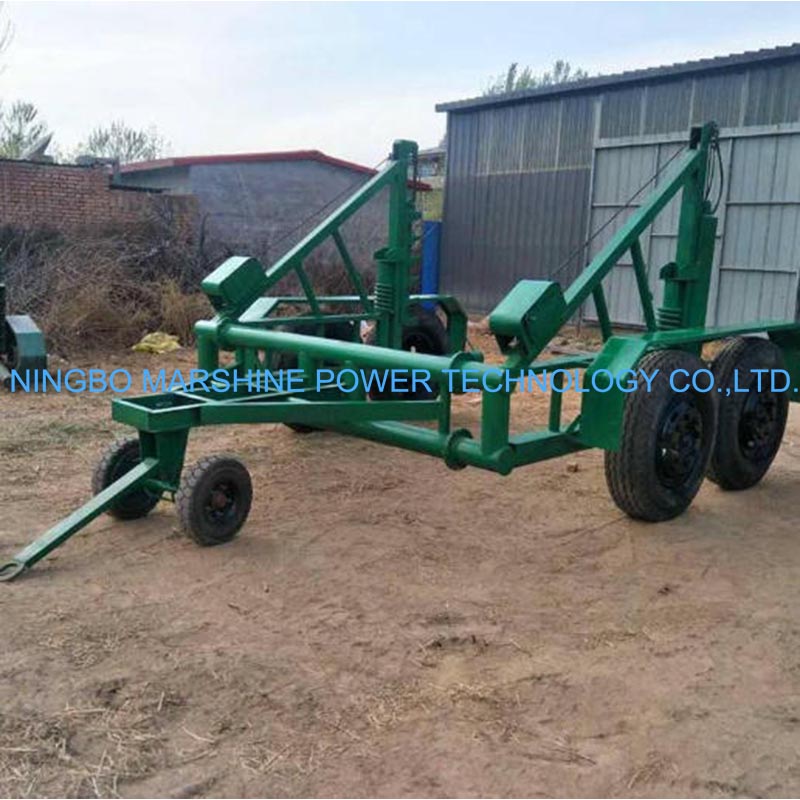
Conductor stringing equipment significantly enhances the installation process. With tools designed for efficiency, teams can tackle projects more effectively. For instance, in Bouillante, Guadeloupe, Expro used a specially designed land frame to install three 30” conductor strings to great depths. This method proved essential due to limited access to logistics and infrastructure, showcasing how specialized equipment can improve installation efficiency even in challenging environments.
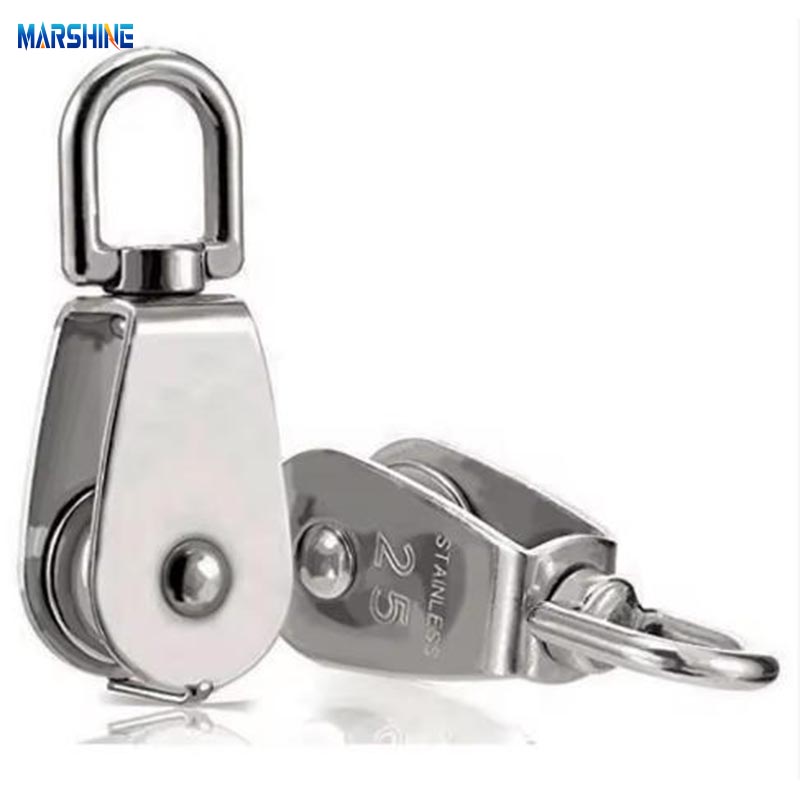
Moreover, the use of 90 Triple Stringing Pulleys in Thailand led to remarkable improvements in conductor stringing for a high-voltage transmission line. These pulleys enhanced performance across various conditions, resulting in fewer stringing issues and less rework due to conductor damage. Such advancements illustrate how conductor stringing equipment streamlines processes, allowing teams to focus on completing projects rather than troubleshooting problems.
Time is money in any project, and conductor stringing equipment incorporates several technologies that save both. Here’s a look at some of the key innovations:
| Technology | Benefits | Time Savings |
|---|---|---|
| ACFR Conductor | Simplifies installation, reduces risks and errors | Significant reduction in schedule uncertainty |
| Dual-Use Stringing Blocks | Reduces crew size and training costs | 30-40% time savings on projects |
| Drones | Fast and safe stringing, lower operational costs | 25% savings on stringing operations |
These technologies not only enhance efficiency but also contribute to smoother operations. For example, the ACFR conductor simplifies the installation process, which helps reduce the likelihood of errors. This means teams can complete their work faster and with greater confidence.
In recent projects, advanced conductor stringing equipment has shown impressive time reductions. For instance, a Roll Form Strander can achieve speeds of 1,200 turns per minute (tpm) with a loading time of just 10 minutes, requiring only one operator. In contrast, a Rigid Strander operates at 300 tpm but takes 45 minutes to load and needs two operators. This stark difference highlights how modern equipment can drastically cut down on project timelines.
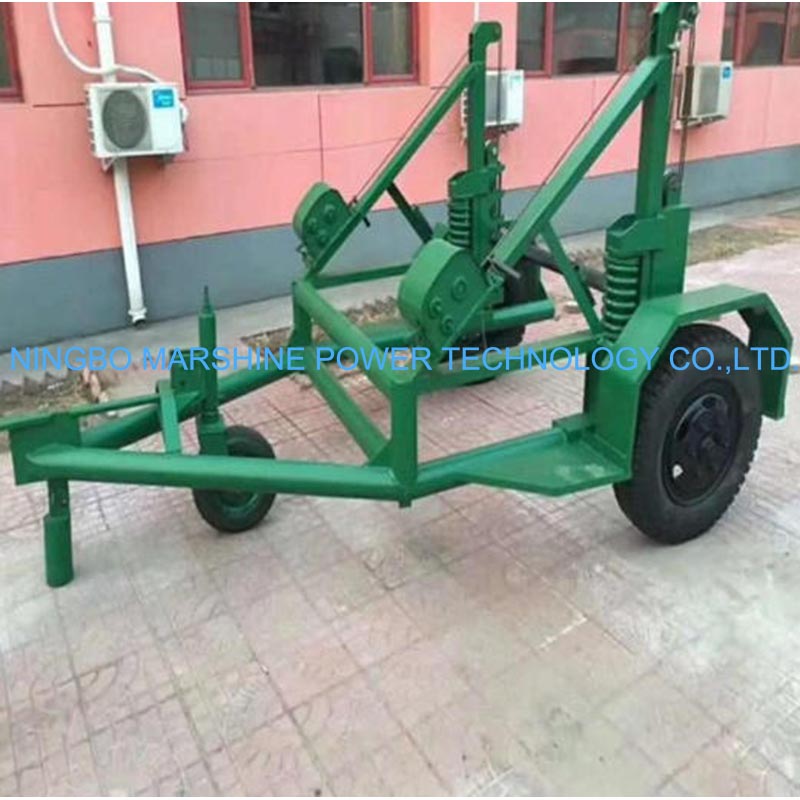
Safety is a top priority when it comes to conductor stringing equipment. Modern designs incorporate several advanced safety features that protect workers during high-voltage line installations. Here’s a look at some of these essential features:
| Safety Feature | Description |
|---|---|
| Automatic Tension Control | This feature maintains consistent tension on the conductor, preventing over-pulling or slack. It reduces the risk of conductor damage or snapping. |
| Emergency Stop System | With just a push of a button, this system instantly halts all operations. It’s critical in dynamic or high-risk environments. |
| Overload Detection | Sensors monitor load levels and automatically shut down the system if limits are exceeded. This protects both machinery and personnel. |
| Remote Monitoring & Alarms | Some advanced models come with digital displays and warning systems. They provide real-time feedback on tension, speed, and system health. |
These features not only enhance safety but also instill confidence in operators. By minimizing risks, teams can focus on their tasks without constant worry about potential hazards.
Proper training is vital for ensuring that operators can safely use conductor stringing equipment. Many training programs focus on enhancing efficiency and safety during conductor installation. For example, the "String, Sag, and Dead-End Conductor" program provides comprehensive instruction and hands-on practice. This ensures that operators adhere to safety regulations and understand how to use the equipment effectively.
Compliance with industry standards is also crucial. Various regulations govern the safety features required in conductor stringing equipment. Here’s a summary of some key standards:
| Standard | Description |
|---|---|
| ANSI C136 Series | Governs mechanical and electrical performance of line construction hardware. |
| OSHA 29 CFR 1926 Subpart V | Sets federal safety requirements for power transmission and distribution work. |
| IEEE and ASTM Standards | Provide specifications for material strength, corrosion resistance, and load capacity. |
| Utility-Specific Guidelines | Many power companies enforce additional internal standards beyond national codes. |
By following these standards, companies can ensure that their operations remain safe and compliant. This commitment to safety not only protects workers but also enhances the overall efficiency of projects.
Investing in conductor stringing equipment offers significant long-term financial advantages for utility companies. While the initial investment may seem high, the benefits quickly outweigh the costs. Here’s a breakdown of key aspects:
| Aspect | Overhead Systems | Underground Systems |
|---|---|---|
| Initial Investment | High | Higher |
| Maintenance Costs | Lower | Higher |
| Long-term Reliability | Moderate | High |
| Community Satisfaction | Moderate | High |
| Hidden Costs | Possible | Less Likely |
By reducing transmission losses and cutting energy waste, conductor stringing equipment lowers generation costs. This technology supports future load growth without needing new rights-of-way, making it a smart choice for sustainable development. The implementation of ACCC® Conductor technology enhances efficiency in energy transmission while minimizing environmental impact.
When comparing conductor stringing equipment to manual stringing techniques, the differences are clear.
| Aspect | Conductor Stringing Equipment | Manual Stringing Techniques |
|---|---|---|
| Safety | Improved safety with reduced manual handling | Higher risk of worker injury |
| Deployment Speed | Faster installation over long distances | Slower, more labor-intensive |
| Conductor Integrity | Reduced damage with precision tools | Higher risk of damage during handling |
| Scalability | Scalable for various project sizes | Limited scalability |
| Cost Efficiency | Long-term savings despite initial costs | Potential for higher labor costs and rework |
Using conductor stringing equipment not only speeds up the installation process but also ensures better conductor integrity. This leads to fewer issues down the line, ultimately saving money and time.
Conductor stringing equipment provides unmatched efficiency and safety for electrical projects. Investing in this technology leads to significant cost savings over time. When selecting equipment, consider factors like pulling force, adaptability, and ease of operation. Choosing the right tools is crucial for successful project outcomes and timely completion.
Remember, advanced equipment not only speeds up installation but also minimizes risks, ensuring projects stay on track and within budget.
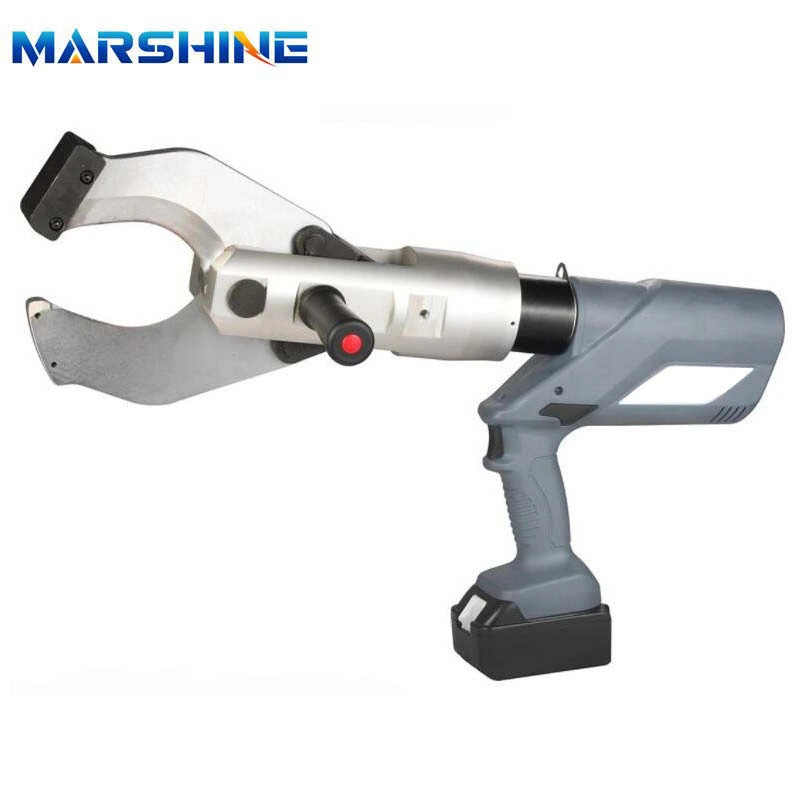
MARSHINE provides a wide range of equipment, including cable winches, stringing blocks, cable rollers, and hydraulic crimping tools.
Advanced safety features like automatic tension control and emergency stop systems protect workers during installations.
Yes, MARSHINE offers comprehensive training programs to ensure operators use the equipment safely and effectively.