


Heavy cable reels are not just awkward to move; they can weigh several tons and create dangerous side loads once pulling begins. Selecting the right cable reel handling equipment helps protect workers, prevent drum damage, and keep power or telecom installation schedules on track. This guide explains how to evaluate a heavy-duty gantry drum stand by capacity, reel size, lifting mechanism, base stability, mobility, and supplier quality. It also highlights practical safety details that are easy to overlook, such as the difference between static reel weight and dynamic pulling tension, and why wheels should only be used for positioning an unloaded stand.
Specify Cable Reel Handling Equipment Requirements
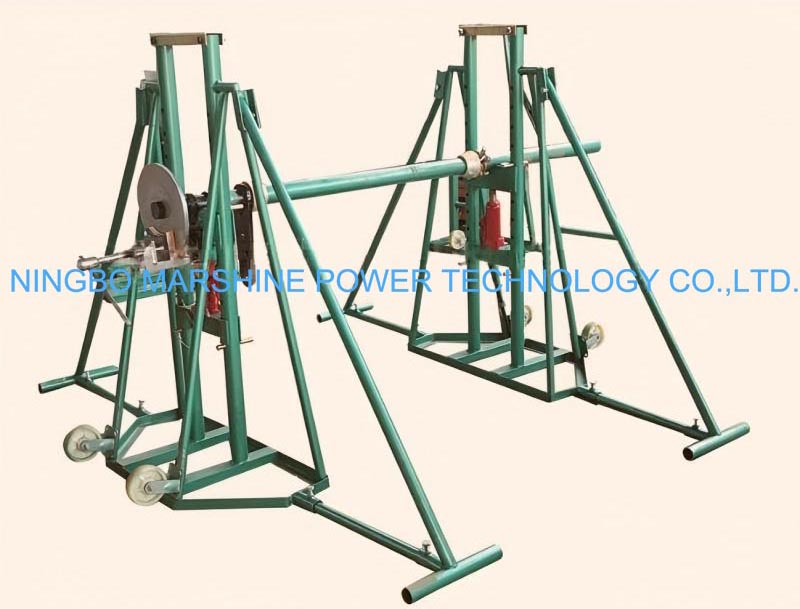
Setting up a power grid or large-scale telecommunications network means dealing with massive spools of wire. Attempting to manually maneuver these heavy loads without the right gear is a recipe for damaged materials and serious site injuries. That is where heavy-duty Cable Reel Lifting Equipment steps in. You need to pin down exactly what your project demands before investing in a heavy-duty gantry cable drum stand, focusing on robust product features like reinforced steel frames, hydraulic lifting mechanisms, and anti-slip bases.
Rated Load Capacity and Reel Dimensions
The first step is matching the stand to the physical reality of your cable drums. A standard heavy-duty gantry cable drum stand typically handles capacities ranging from 5 tons up to 20 tons or more. However, it is critical to distinguish between static reel weight capacity and dynamic tension loads during cable pulling. A stand rated for a 20-ton static reel may still fail if side loads from the pulling equipment exceed the spindle or frame design limits. You need to know the maximum flange diameter your crew will encounter, which often spans from 1,200 mm to 3,600 mm. Knowing the exact width and weight ensures the hydraulic jacks will not buckle under pressure. Look for stands featuring adjustable spindle bars that lock securely, a critical feature that prevents the reel from walking during high-speed pay-off operations.
Gantry Stand Features and Stability
Beyond raw lifting power, modern gantry stands incorporate features designed to keep operations smooth and safe. A high-quality stand utilizes dual hydraulic cylinders to ensure an even lift, avoiding the dangerous tilt that comes with manual mechanical cranking on uneven ground. Base stability is crucial; top-tier models feature widened footprints—often exceeding 1.5 meters in depth—with ground-gripping teeth. While some models include heavy-duty locking casters, these are strictly for positioning the empty stand. The equipment must be grounded on firm, level terrain before loading to keep the center of gravity low and stable, especially when a 15-ton reel is spinning rapidly during a high-speed cable pull.
Compare Equipment Designs and Suppliers

Once you have your baseline requirements, it is time to look at what the market actually offers. Comparing different designs means weighing the trade-offs between static stability and site mobility. It also means scrutinizing the manufacturers building the gear. You want a Heavy Duty Cable Drum Stand that meets rigorous operational specifications, offering essential features like corrosion-resistant coatings and precision-machined lifting arms.
Load Rating, Adjustability, and Mobility
How easily can your crew move the equipment around a muddy trench site? Some gantry stands are strictly static, requiring a forklift for placement, while others integrate heavy-duty nylon or aluminum wheels for manual positioning of the unladen stand. Safety caveat: Nylon wheels or casters are designed solely for maneuvering the empty stand. Moving a fully loaded reel on wheels creates a serious tipping hazard; the stand must be grounded on firm, level terrain before loading or cable pulling. Adjustability is another major feature that varies wildly between designs. While gantry stands are the primary focus for heavy-duty applications, it is helpful to understand how they compare to alternative categories like mechanical ratchet and A-frame designs. Let's look at a quick breakdown of common stand configurations. Note that the capacities and diameters listed below are typical industry ranges, not universal specifications:
| Stand Type | Typical Load Capacity | Max Reel Diameter | Mobility Features | Best Application |
|---|---|---|---|---|
| Mechanical Ratchet | 3 to 5 Tons | 2,000 mm | Solid Rubber Casters | Light commercial, flat concrete |
| Hydraulic A-Frame | 5 to 10 Tons | 2,800 mm | Forklift Pockets | Substation construction |
| Heavy Gantry Hydraulic | 10 to 20+ Tons | 3,600 mm | Heavy-Duty Nylon Wheels | Major grid transmission lines |
Notice how the jump to a 20-ton capacity shifts the mobility features. While heavy-duty nylon wheels are built into some frames for positioning, remember that a fully loaded 15-ton stand must never be moved on these wheels; a forklift or crane is required to relocate loaded equipment safely.
Manufacturer Evaluation Criteria
When evaluating suppliers, look for a proven track record in power grid construction. Instead of relying on marketing claims, seek out reputable manufacturers that demonstrate industry compliance through objective, vendor-neutral qualification criteria such as ISO 9001:2015 certification, CE marking, independent load testing, and third-party inspection reports. A reliable supplier typically offers equipment with verifiable mechanical attributes—such as hard-chrome-plated hydraulic rams, sealed roller bearings, and modular bolt-together frames—rather than vague promises of high technology. Prioritizing suppliers with strong quality control, transparent spec sheets, and robust after-sales support ensures your equipment survives years of harsh field use.
Choose, Deploy, and Maintain Equipment
Making the final call on your cable reel handling equipment requires looking past the spec sheet and visualizing the gear on your specific job site. Deployment requires careful setup, strict adherence to safety protocols, and ongoing maintenance to keep the hydraulic systems and mechanical locks functioning perfectly. Safety discussions should always center on relevant regional standards, which depend on the project location and regulatory jurisdiction (e.g., OSHA 1926 and ASME B30 for North America, or the CE machinery directive and EN standards for Europe). Furthermore, training and certification requirements for operating hydraulic lifting equipment vary by jurisdiction and site policy; competency should always align with local regulations (such as OSHA, LOLER, or national equivalents). Site managers must verify ground bearing pressure limits and wind or load stability warnings before operation. The best heavy-duty gantry cable drum stands feature modular designs for easy transport and accessible grease fittings for quick field maintenance.
Matching Equipment to Site Conditions
The physical environment dictates your final choice. If your operations happen in coastal areas, you need a stand featuring hot-dip galvanized steel rather than standard painted finishes to combat aggressive saltwater corrosion. For projects in tight urban corridors, footprint size is everything.
Further reading:
Key Takeaways
- Choose a cable drum stand based on both static reel weight and dynamic pulling loads, not capacity rating alone.
- Verify reel flange diameter, width, and total weight before selecting a stand, especially for drums ranging from 1,200 mm to 3,600 mm.
- Use dual hydraulic lifting systems where possible to keep heavy reels level and reduce unsafe manual handling.
- Never move a fully loaded cable reel stand on casters or wheels; position the empty stand first, then load it on firm, level ground.
- Prioritize reinforced steel frames, secure spindle locks, anti-slip bases, and corrosion-resistant finishes for heavy-duty site performance.
Frequently Asked Questions
What load capacity should a heavy-duty cable drum stand have?
Match the stand to the heaviest reel on site, then allow margin for dynamic pulling forces. Heavy-duty gantry stands commonly range from 5 tons to 20 tons or more, but static reel weight is not the only factor.
Why do reel diameter and width matter when choosing cable reel handling equipment?
The stand must fit the reel’s flange diameter and width without forcing the spindle or lifting arms. Large projects may use drums from about 1,200 mm to 3,600 mm, so adjustability is essential.
Can a cable drum stand be moved while loaded?
No. Wheels or casters are generally for positioning the empty stand only. Moving a loaded reel on wheels can cause tipping, frame stress, or uncontrolled movement.
Are hydraulic gantry cable drum stands safer than manual stands?
Hydraulic stands can provide smoother, more even lifting, especially when equipped with dual cylinders. They reduce manual effort and help prevent reel tilt, but they still require firm, level ground and correct load matching.
What stability features should I look for?
Look for a widened base, anti-slip feet or ground-gripping teeth, secure spindle locks, reinforced steel construction, and a low center of gravity during pay-off operations.