

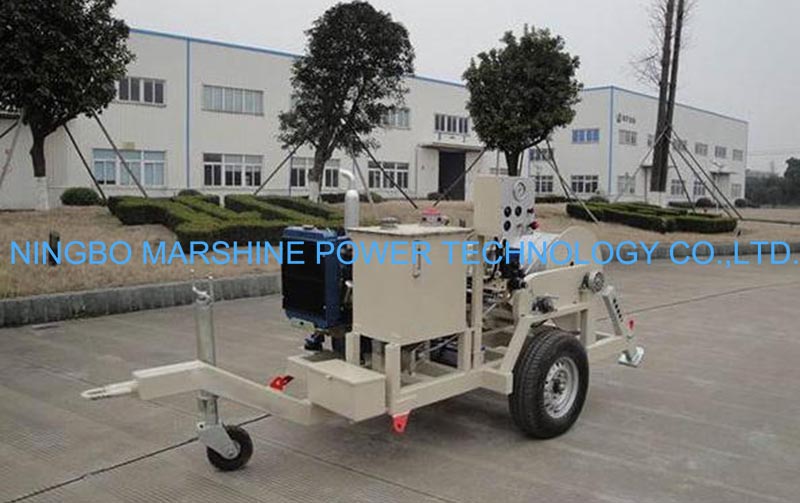
Utility cable installation leaves little room for guesswork: the wrong pulling machine can slow a crew, damage conductors, or create avoidable safety risks. A diesel-powered puller gives teams independent power where grid access is limited, but model selection should be based on more than engine size. Buyers need to compare pulling force, speed control, rope capacity, braking systems, duty cycle, and site restrictions such as emissions or noise rules. This guide explains the practical specifications that matter most, from 30 kN distribution work to heavier transmission pulls, so procurement teams and field supervisors can choose equipment that is powerful, controllable, and safe for real-world utility conditions.
What Is a Diesel Engine Cable Puller
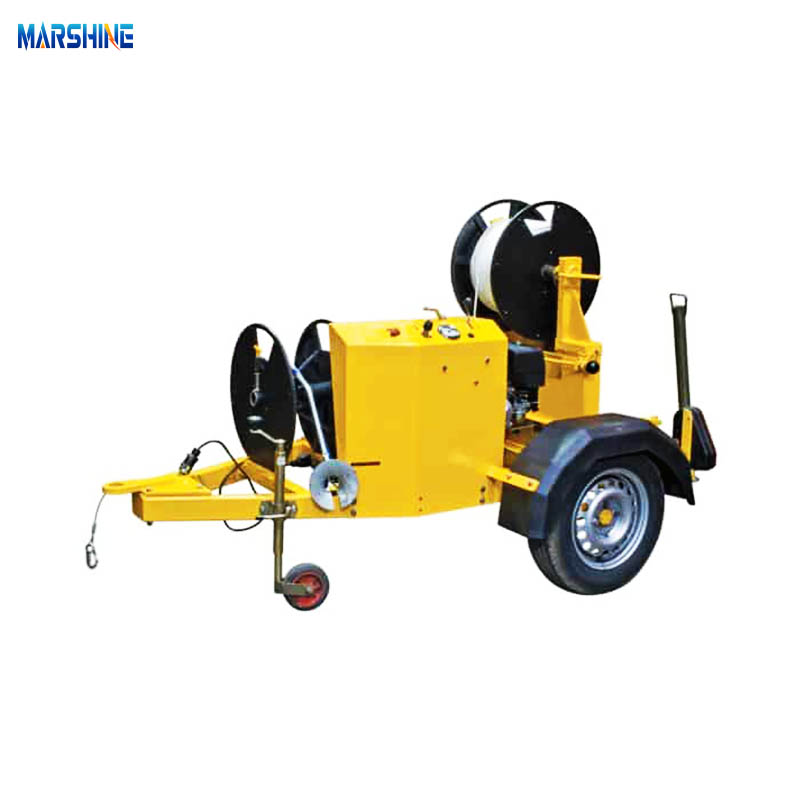
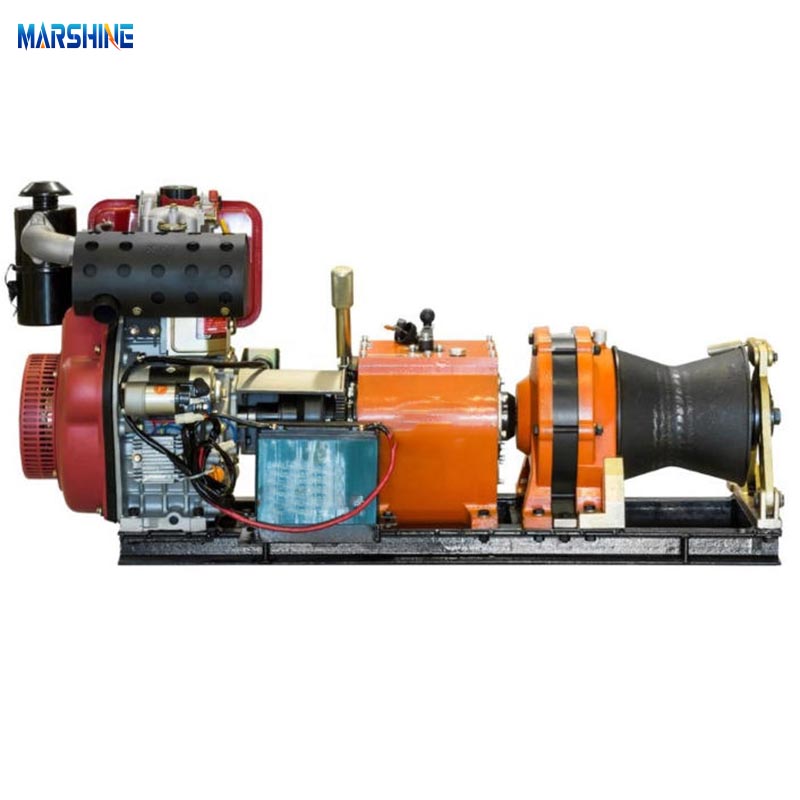
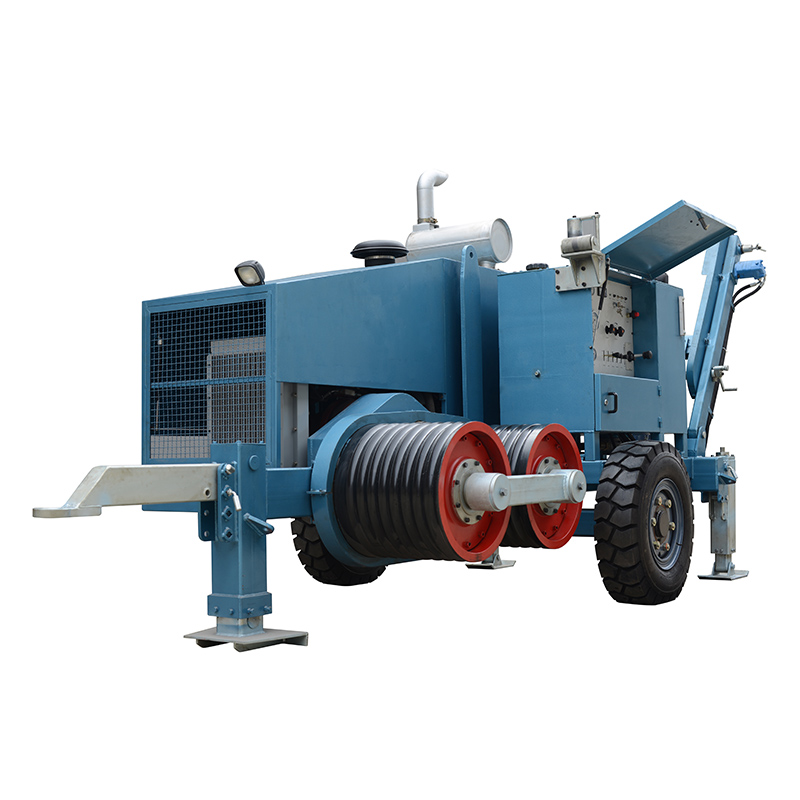
A diesel engine cable puller—often referred to interchangeably as a diesel powered pulling machine—acts as the heavy-duty workhorse for modern utility and grid construction. When utility crews need to install underground electrical lines or string aerial cables across remote terrain, relying on grid power is rarely an option. These standalone units deliver massive, uninterrupted torque to get heavy conductors exactly where they need to go.
One of the standout characteristics of a high-quality diesel puller is its rugged independence. Built with heavy-duty steel frames, advanced heat dissipation systems, and continuous-duty engines, these machines are explicitly designed to withstand harsh outdoor environments without overheating or losing tension. When selecting a unit, buyers should also consider practical site factors, such as local diesel emissions regulations and noise limits for residential work sites, which may dictate the specific engine tier required.
Key specifications to review first
Before committing to a specific unit, buyers must evaluate the raw performance metrics. Pulling force is the most critical specification, typically ranging from 30 kN for light distribution lines up to 80 kN or more for heavy transmission projects, depending on the manufacturer. Alongside force, pulling speed dictates operational efficiency. Standard units often offer a variable speed range of 0 to 15 meters per minute, allowing operators to slow down smoothly during complex conduit bends.
Engine power directly impacts how well the machine sustains these forces. Utility buyers will often see engines rated between 18 HP and 30 HP in typical mid-sized models. Additionally, it is vital to check the drum capacity and compatible wire rope diameter, which usually sits between 10 mm and 14 mm. A machine featuring a grooved bull-wheel design will also prevent wire rope crushing. Because these machines handle immense forces, buyers must also verify compliance with safety standards, including proper guarding of rotating parts and requirements for specialized operator training.
How it compares with other cable pulling equipment
When stacked up against electric or manual alternatives, diesel variants offer unmatched portability and sustained power. Electric pullers require a stable grid connection or a massive portable generator, which complicates logistics in rural grid construction. Manual pullers simply cannot handle the heavy tonnage required for modern utility-scale cable runs.
For projects requiring ultra-smooth tension control, a diesel hydraulic pulling machine represents a significant upgrade over purely mechanical diesel winches. As a specialized sub-category, the hydraulic transmission provides infinitely variable speed and tension control, ensuring delicate fiber optic or high-voltage lines are not stretched beyond their structural yield point.
How to Compare Diesel Engine Cable Puller Models
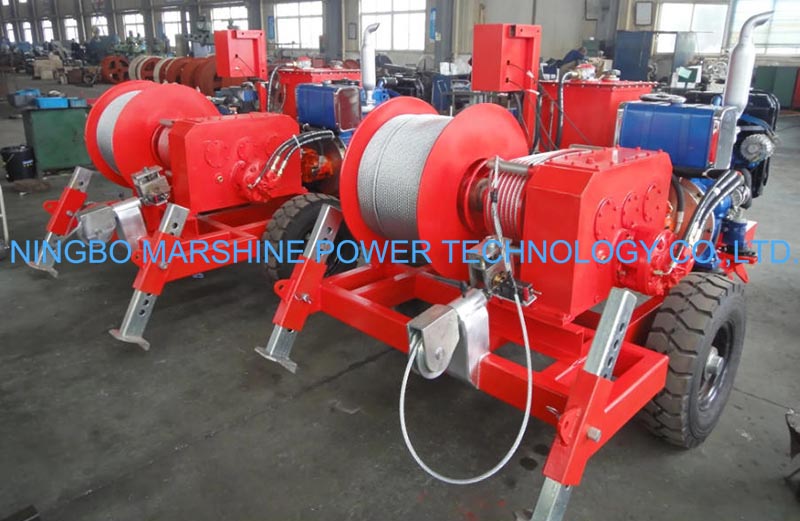
When evaluating a diesel powered pulling machine, procurement teams must look past the engine block and assess the complete mechanical ecosystem. Key product features to compare across models include transmission types, automatic braking systems, and user-friendly control panels that reduce operator fatigue.
A well-engineered puller balances raw output with advanced safety mechanisms. Comparing these elements systematically—alongside practical considerations like transport weight, trailer requirements, fuel consumption over a standard shift, and routine serviceability—ensures utility crews get a machine that is highly capable, compliant, and reliable in the field.
What to include in a comparison table
Creating a side-by-side comparison matrix helps clarify which machine fits a specific operational scope. Buyers should map out pulling force, engine output, and speed capabilities to find the right balance for their typical cable runs.
| Model Tier | Typical Capacity (kN) | Typical Engine (HP) | Max Speed (m/min) | Ideal Application |
|---|---|---|---|---|
| Light Duty | 30 - 40 | 18 - 22 | 15 | Distribution lines, telecom |
| Medium Duty | 50 - 60 | 25 - 30 | 12 | Standard underground utility |
| Heavy Duty Hydraulic | 80+ | 40+ | 10 | Heavy transmission, long runs |
This baseline helps narrow down the field. A medium-duty machine often provides the best return on investment for standard municipal work, while heavy-duty models are strictly necessary for high-tension transmission stringing.
How to assess sourcing and quality systems
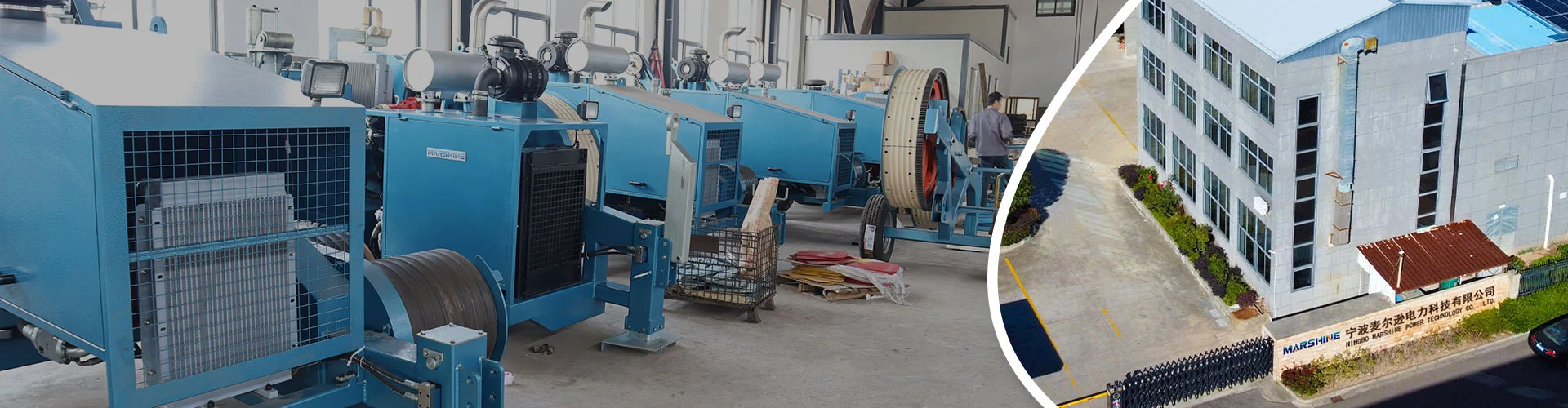
Beyond the spec sheet, assessing the manufacturer's quality control and support infrastructure is paramount. Leading manufacturers like MARSHINE demonstrate their commitment through rigorous standards, holding updated certifications like ISO 9001:2015 (GB/T19001-2016). Engaging with an established manufacturer of electrical power equipment ensures access to a reliable ecosystem of circuitry construction tools, universal stringing blocks, and wire rope winches.
Rather than relying solely on marketing claims, buyers should vet suppliers using neutral criteria. A strong supplier will offer favorable warranty terms, guaranteed spare parts availability, a robust regional service network, and verifiable references from other utility buyers. A complete after-sales system featuring quality tracking and service monitoring guarantees that the equipment remains safe and easy to maintain long after the initial purchase.
How to Select the Right Diesel Engine Cable Puller
Finalizing the selection means matching the machine's specific product features—like dynamic braking, anti-reversal gears, and weather-resistant enclosures—to the reality of the job site. Reliable quality must align perfectly with daily project demands, site risk assessments, and local safety regulations.
Choosing incorrectly can lead to stalled projects or damaged cables, making accurate capacity calculations and a rigorous final checklist non-negotiable steps in the procurement process.
How to calculate required pulling capacity
To avoid underpowering your crew, you must calculate the maximum expected tension. This involves the total cable weight and the friction coefficient of the conduit or terrain. For example, the friction coefficient in standard PVC underground ducts typically ranges from 0.3 to 0.5 for straight pulls.
If a crew is pulling a 2,000 kg cable through a straight duct with a 0.5 friction coefficient, the baseline force required is roughly 9.8 kN (2,000 kg × 9.8 m/s² × 0.5 = 9,800 N). However, this rule-of-thumb coefficient applies only to straight runs. Each bend in the duct dramatically increases the required tension due to the capstan effect, which is where most real-world overloads occur. Utility standards dictate applying a safety factor of 2.
Further reading:
Key Takeaways
- Size the diesel cable puller by required pulling force, with lighter distribution jobs often starting near 30 kN and heavy transmission work reaching 80 kN or more.
- Choose variable speed control, such as a 0 to 15 meters per minute range, when routes include bends, ducts, or cables that require careful tension management.
- Check engine output before purchase, as many mid-sized utility pullers use 18 HP to 30 HP engines to sustain continuous pulling loads.
- Verify drum capacity and wire rope compatibility, especially if the project requires 10 mm to 14 mm rope or long pulling distances.
- Review local emissions and noise limits before specifying a diesel unit for residential, urban, or regulated job sites.
- Select a diesel hydraulic pulling machine when smooth, adjustable tension is more important than simple mechanical pulling power.
Frequently Asked Questions
What pulling force should I choose for utility cable work?
Match pulling force to the cable size, route length, and friction conditions. Light distribution work may need around 30 kN, while heavy transmission projects may require 80 kN or more.
Why choose a diesel cable puller instead of an electric model?
Diesel units are better for remote or off-grid jobs because they do not depend on site power. They also provide sustained torque for long, heavy pulls.
What engine power range is common for mid-sized diesel pullers?
Many mid-sized diesel pulling machines use engines rated around 18 HP to 30 HP, depending on pulling force, duty cycle, and hydraulic system design.
How important is pulling speed control?
Very important. Variable speed, often around 0 to 15 meters per minute, helps operators control tension during bends, conduit runs, and delicate cable installation.
What wire rope size should a diesel puller support?
Check the drum capacity and compatible rope diameter before buying. Many utility pullers work with wire rope in the 10 mm to 14 mm range.