

Why Hydraulic Cable Puller Specifications Matter to Importers
Sourcing heavy machinery isn't just about finding the lowest price; it's about matching precise engineering capabilities to demanding fieldwork. For wholesale buyers and distributors, stocking the right equipment means understanding exactly what end-users need for circuit construction, foundation work, and complex grid upgrades. Missing the mark on a technical specification can lead to catastrophic project delays or equipment failure. That's why diving deep into the technical thresholds of these machines is non-negotiable for serious importers.
When you are dealing with equipment that handles thousands of pounds of tension, the margin for error is essentially zero. Distributors need to ensure that the products they import feature the exact specifications required to keep job sites safe and productive.
How Buyers Should Define Hydraulic Cable Puller Requirements
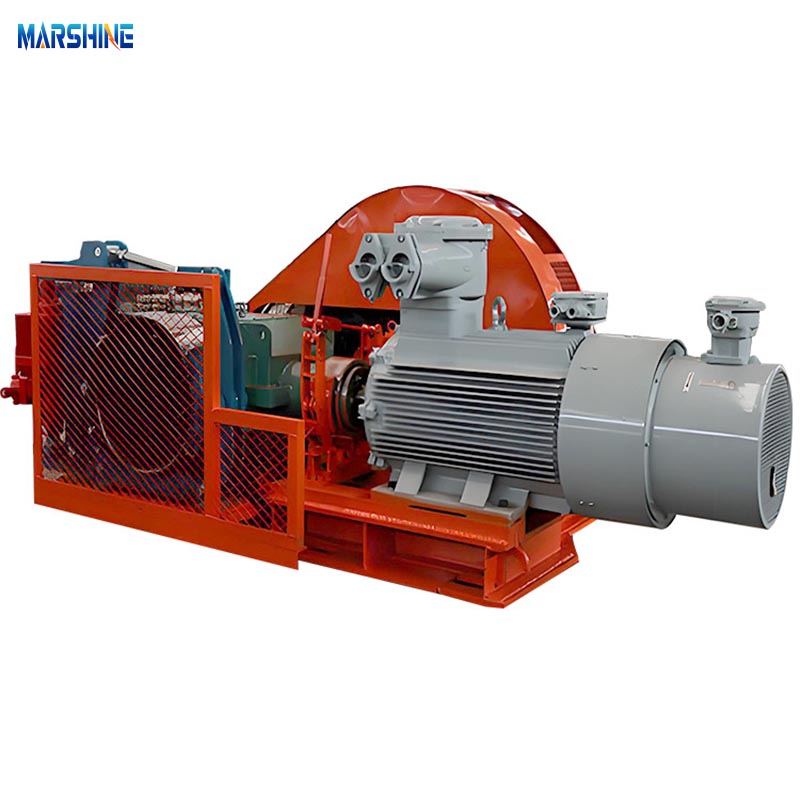
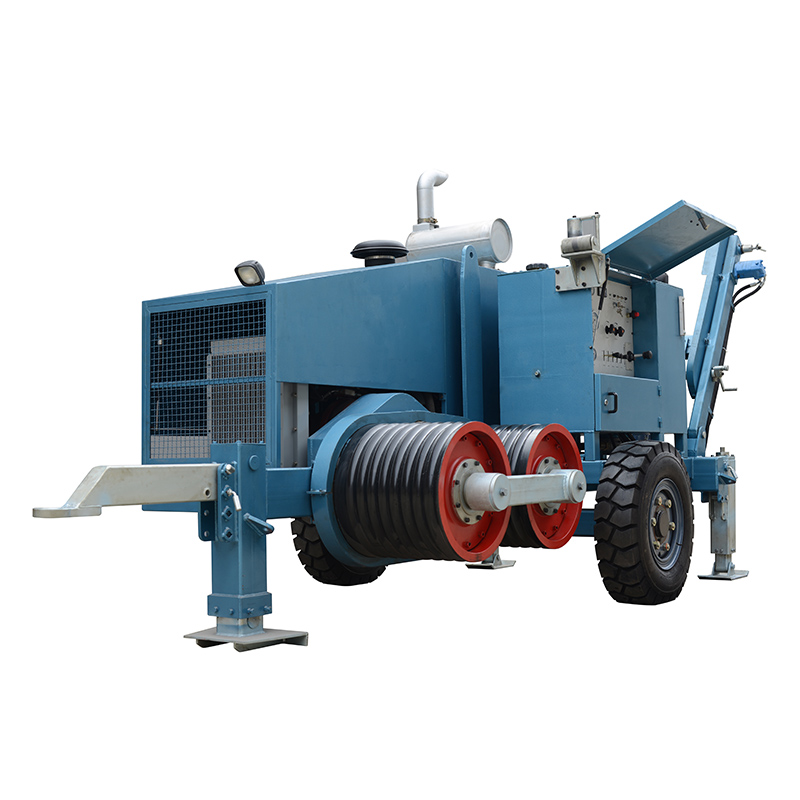
Getting the requirements right starts with analyzing the typical deployment environment. Are your clients tackling high-voltage aerial transmission lines, or are they navigating tight underground optical cable construction? A modern hydraulic cable puller features advanced closed hydraulic circuits, automated tension control, and spring-applied negative brakes. These features aren't just bells and whistles; they dictate safety and efficiency on the job site. Programmable logic controllers (PLCs) allow operators to pre-set tension limits, preventing accidental cable snapping.
Buyers need to define baseline requirements, such as a minimum continuous pulling force of 40 kN for standard distribution jobs, scaling all the way up to 280 kN for major transmission networks. Matching the machine's thermal dissipation limits with the expected daily operating hours ensures the equipment won't overheat during a grueling 10-hour summer shift.
Which Supplier Product Range Signals Strong Import Capability
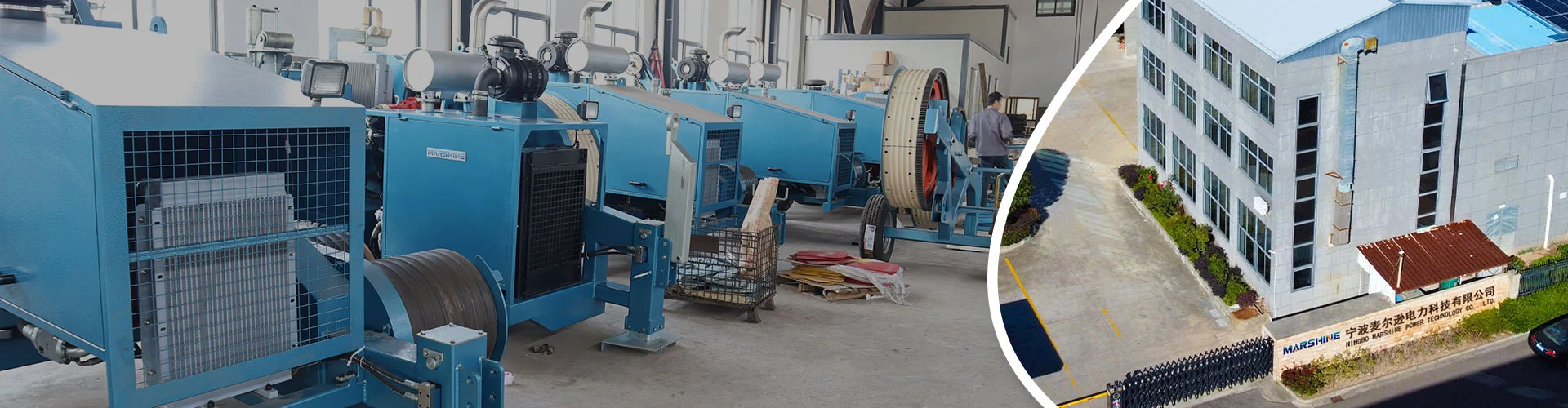
A supplier's catalog depth tells you a lot about their manufacturing maturity. Importers should look for partners capable of outfitting an entire project rather than just supplying a single machine. For example, Ningbo MARSHINE Power Technology Co., Ltd. produces over a thousand kinds of tools across 20 series. Their lineup covers everything from tower group lap wiring construction to complete cable installation kits.
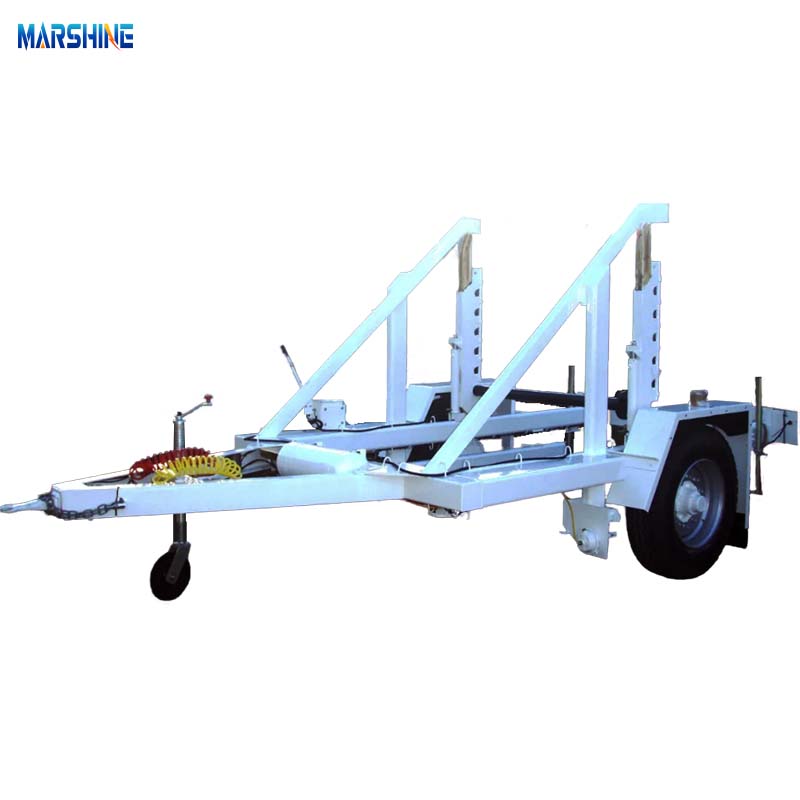
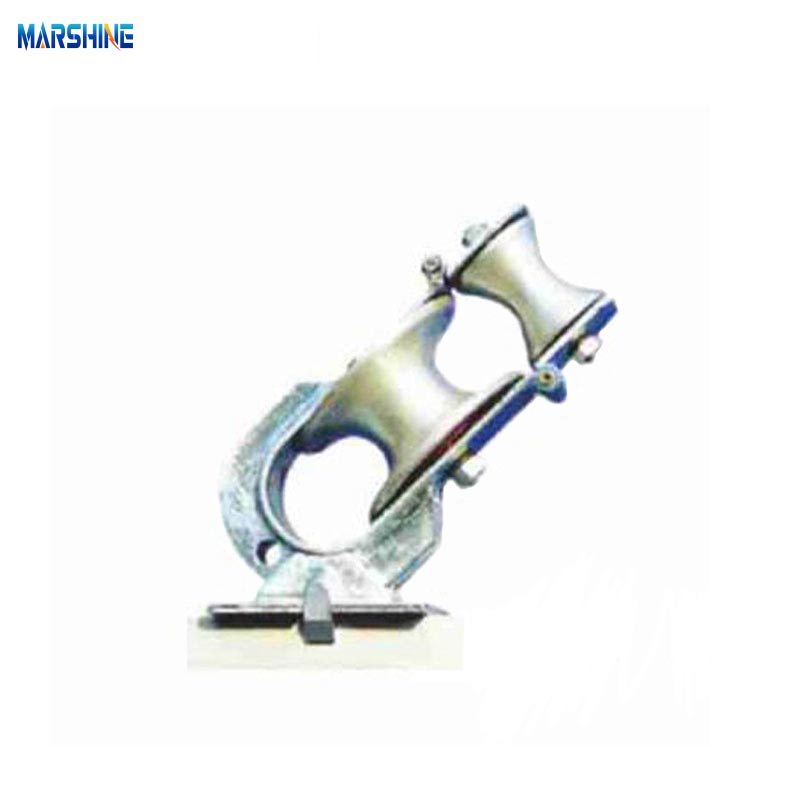
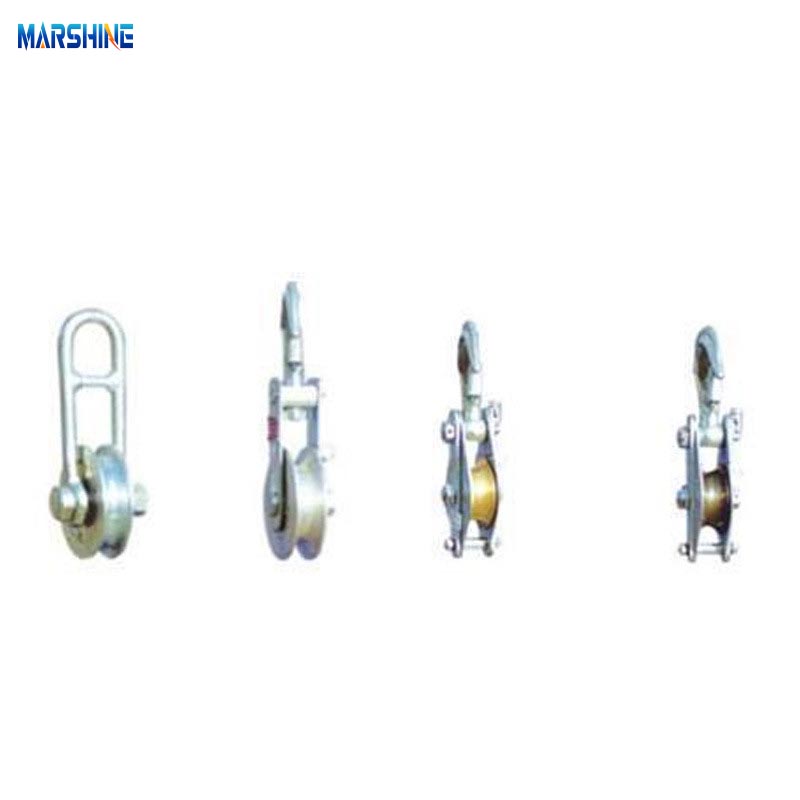
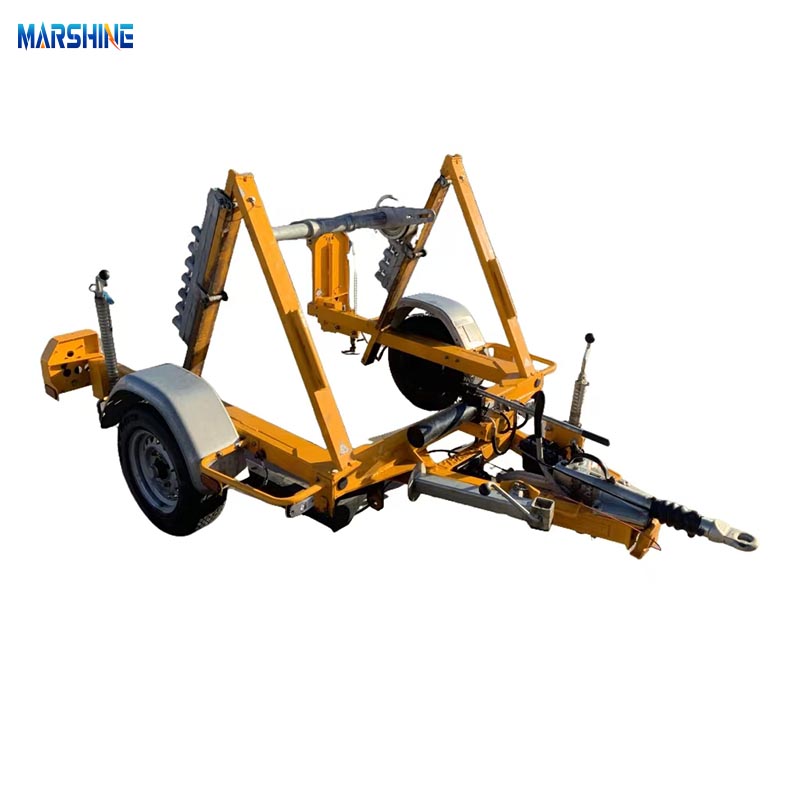
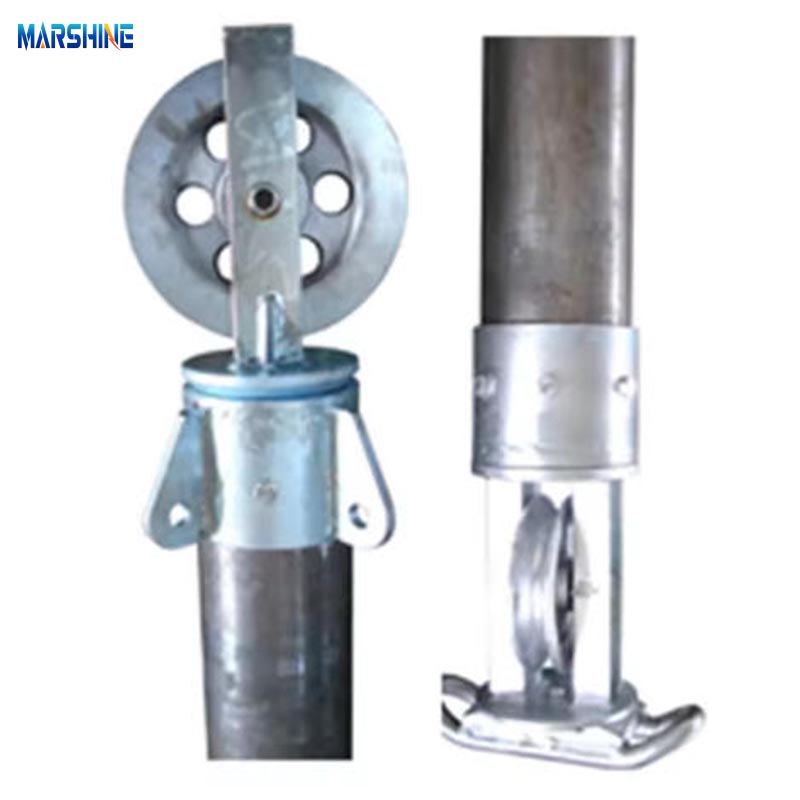
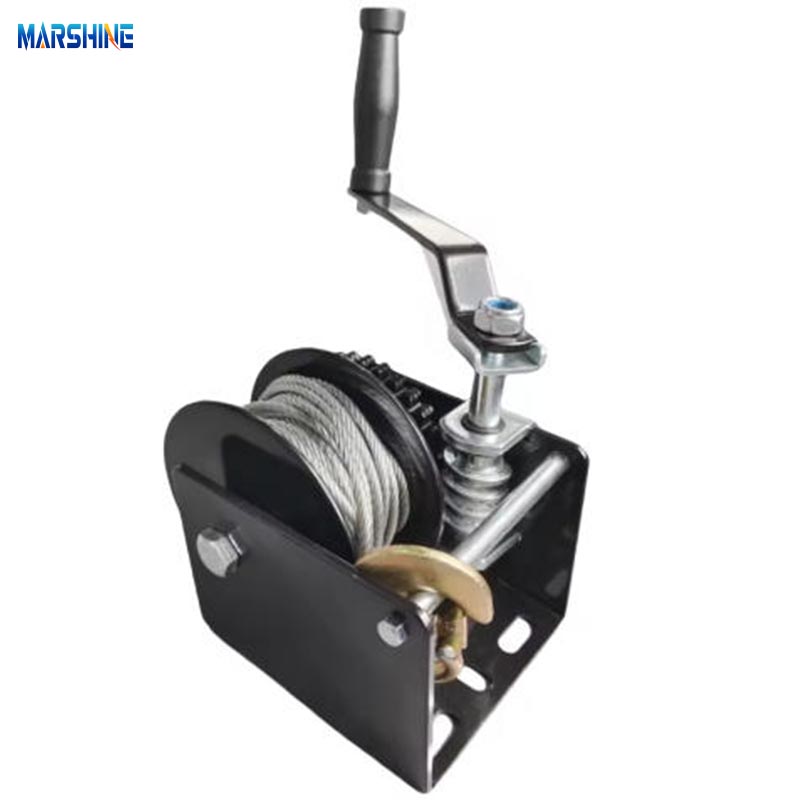
When a manufacturer offers a full ecosystem—including cable winches, cable drum trailers, stringing pulley blocks, aerial cable tools, and underground cable tools—it signals robust engineering and strong import capability. This breadth allows distributors to consolidate shipments, reducing logistics costs and ensuring compatibility across all hardware and safety tools on the site.
Which Hydraulic Cable Puller Specifications Importers Should Compare
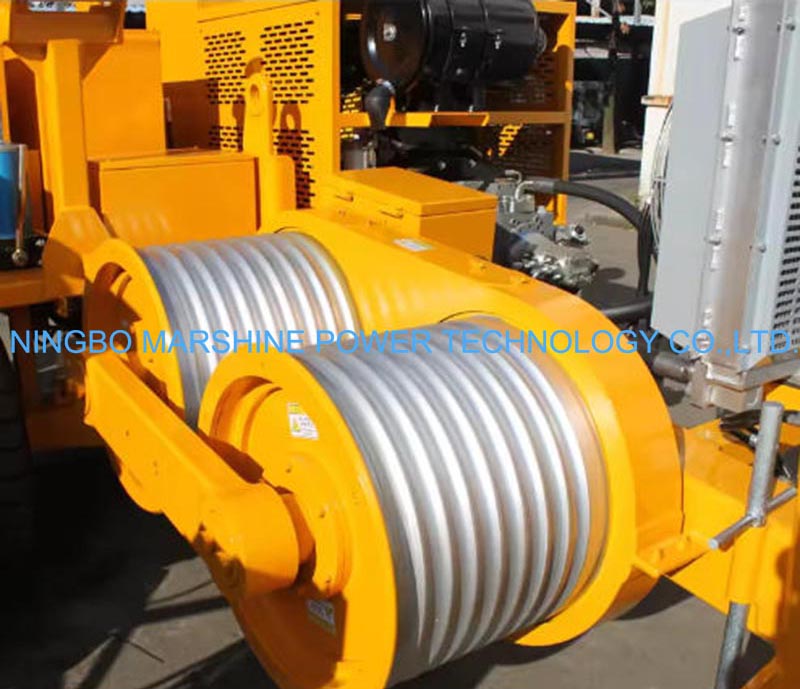
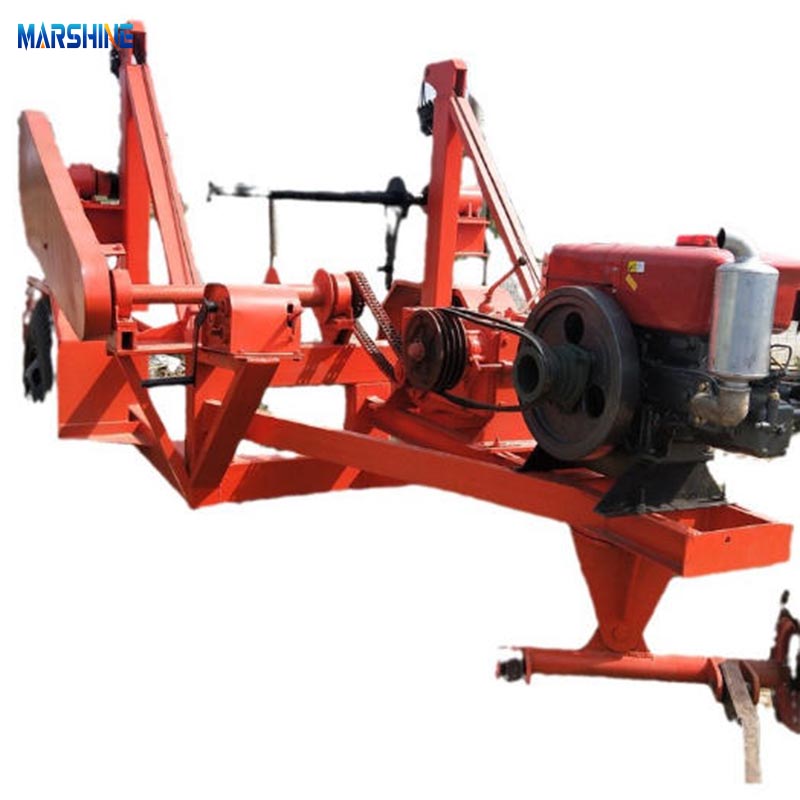
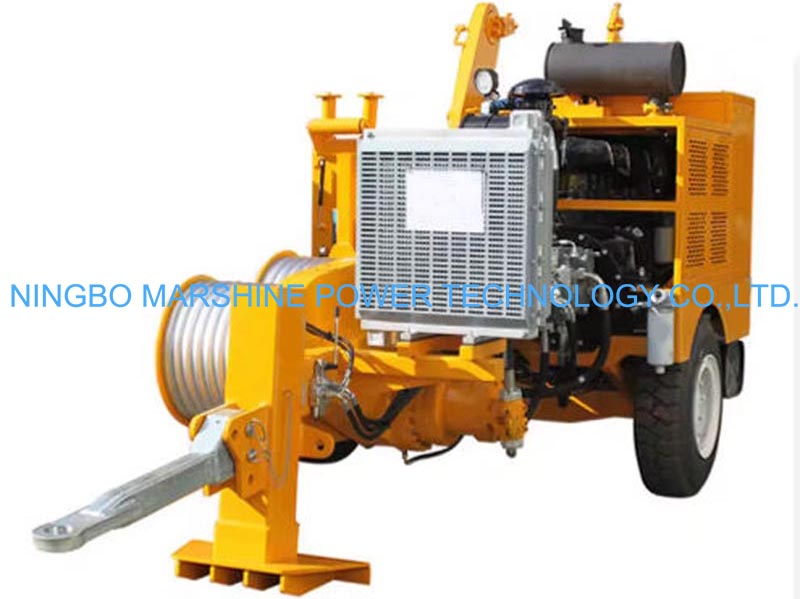
Once you understand the baseline requirements, the next step is putting different models head-to-head. Importers need to evaluate the core performance metrics that dictate how much cable a machine can move and how fast it can do it safely. Key features like dual bull wheels with wear-resistant nylon segments, precise digital pressure gauges, and robust diesel powerplants are what separate premium units from budget alternatives.
A machine's thermal management system, for instance, is a critical feature that dictates how long it can run under peak load without needing a cooldown period. Evaluating these specs ensures your clients get reliable, uninterrupted performance.
How to Compare Pulling Force, Continuous Pull, and Line Speed
The trifecta of performance for any conductor puller is the relationship between maximum pulling force, continuous pull capacity, and line speed. You can't just look at the peak force; a machine might hit 90 kN for a few minutes but only sustain 75 kN continuously without overheating the hydraulic fluid.
Line speed is equally critical. While a fast puller might achieve 5 km/h under light loads, that speed drops significantly as the tension increases. Importers need to evaluate the power curve of the hydraulic pumps and motors to ensure the machine maintains a steady, jerk-free pull even when operating near its maximum threshold, protecting the cable from damaging tension spikes.
What Comparison Table Buyers Should Build
To streamline procurement, distributors should build a standardized comparison matrix for every model they consider importing. This makes it easier to spot discrepancies in engine power or hydraulic capacity relative to the advertised pulling force. A solid breakdown looks like this:
| Puller Category | Max Pulling Force (kN) | Continuous Pull (kN) | Max Line Speed (km/h) | Engine Power (kW) |
|---|---|---|---|---|
| Light Duty | 40 | 35 | 5.0 | 55 |
| Medium Duty | 90 | 75 | 4.0 | 118 |
| Heavy Duty | 220 | 200 | 2.5 | 200+ |
Using a table like this helps buyers instantly identify if a machine is underpowered. If a medium-duty unit claims a high pull capacity but only features a 75 kW engine, it will likely struggle to maintain its continuous pull rating at higher line speeds, leading to premature wear and frustrated end-users.
How Importers Can Choose the Right Hydraulic Cable Puller Supplier
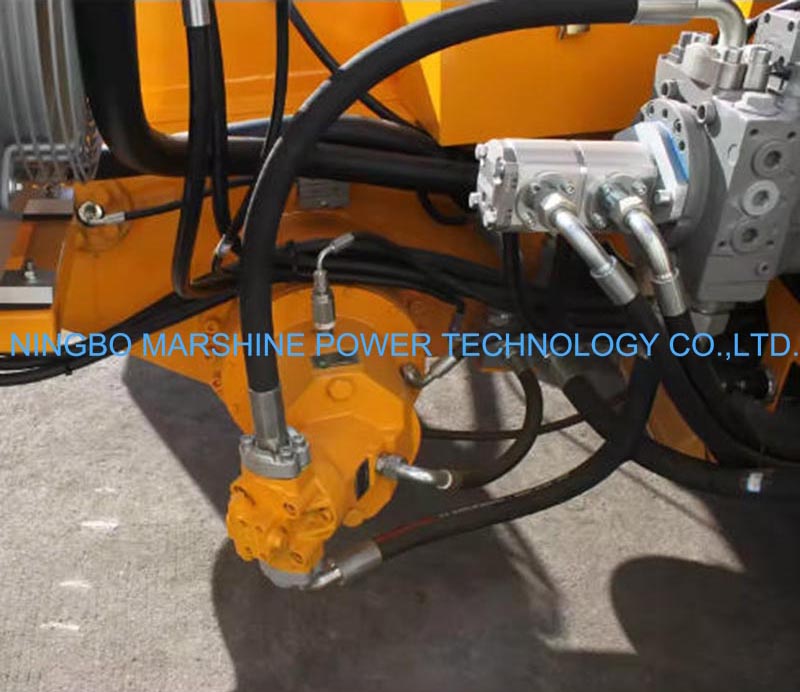
Specs and comparison tables will only get you so far if the factory behind the product can't deliver consistently. Choosing the right manufacturing partner involves looking beyond the spec sheet and scrutinizing their quality control, production capacity, and post-sale support ecosystem.
Importers need suppliers who understand international trade friction and proactively work to mitigate it through rigorous testing, export-ready packaging, and transparent communication.
Which Sourcing Checks Matter Most
When vetting a new factory, prioritize their quality assurance protocols and defect rates. A reliable partner should maintain a defect rate well below 0.5% for heavy machinery. You want to see documented load testing for every unit before it ships to ensure the hydraulic valves and braking systems function perfectly under stress.
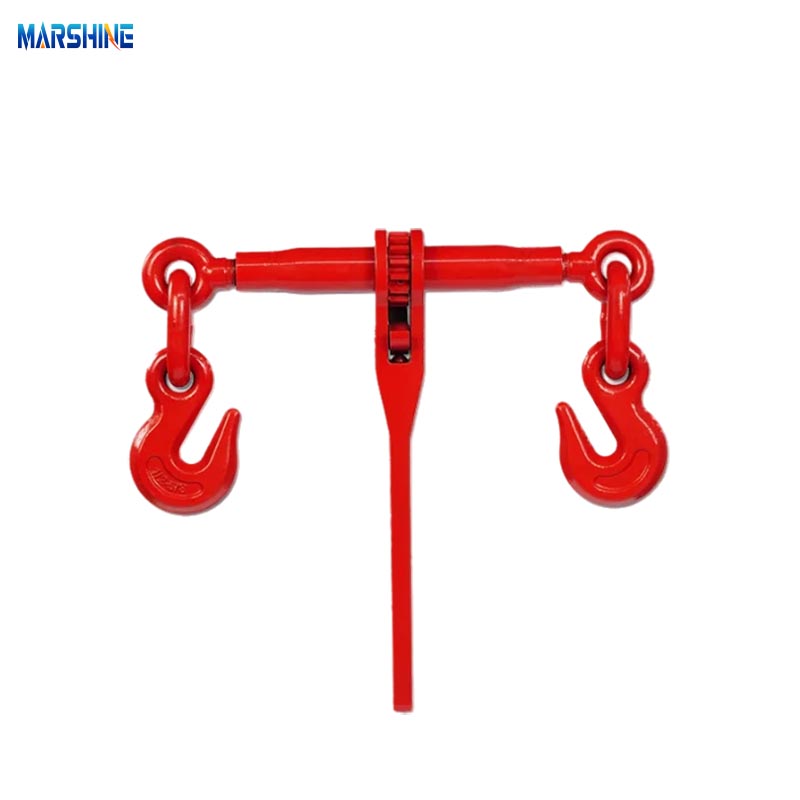
It's also crucial to check their expertise across related product lines. A supplier like MARSHINE demonstrates deep industry knowledge by manufacturing a comprehensive range of equipment, from transmission stringing blocks and heavy-duty pulleys to hydraulic crimping tools, gin poles, and double-hook tight line devices. This level of specialization ensures they understand the intense physical demands placed on the equipment during actual field operations, leading to better overall product design.
What Procurement Process Helps Distributors Match Buyer Needs
Distributors need a systematic procurement process to match buyer needs with machine specifications, supplier capabilities, and project constraints.
Further reading:
Key Takeaways
- Wholesale sourcing and supply-chain implications for hydraulic cable puller
- Specifications, compliance, and commercial terms buyers should validate
- Actionable recommendations for distributors and procurement teams
Frequently Asked Questions
Which hydraulic cable puller spec should importers check first?
Start with continuous pulling force, not peak force. For many distribution jobs, around 40 kN is a practical baseline, while larger transmission work may need much higher ratings.
Why is continuous pull more important than maximum pull?
Maximum pull may only last briefly. Continuous pull shows what the machine can sustain safely during long jobs without overheating or causing unstable cable tension.
How should line speed be evaluated when comparing models?
Check line speed under load, not just the no-load figure. A good puller should maintain smooth, stable speed as tension rises to protect the cable and improve productivity.
What safety features should buyers ask suppliers about?
Ask for automatic tension control, PLC preset tension limits, closed hydraulic circuits, and spring-applied negative brakes. These features help prevent cable damage and improve site safety.
Why does a full product range matter when sourcing from cable-winch.com suppliers?
A supplier offering pullers, cable winches, drum trailers, and stringing tools can simplify shipping, improve equipment compatibility, and support complete cable installation projects.