

Large power cables do not tolerate guesswork: a poor compression joint can create heat, voltage drop, equipment failure, or serious safety risk. That is why utility crews and industrial electricians often rely on split type hydraulic crimping systems when terminating high-capacity copper or aluminum conductors. By separating the hydraulic power source from the crimping head, these tools deliver high tonnage while keeping the working end compact enough for trenches, switchgear cabinets, and crowded substation areas. This article explains how split type crimpers work, what specifications matter, and how to evaluate pressure, dies, cable range, and pump compatibility before choosing a tool for demanding electrical power work.
Split Type Cable Crimper Basics
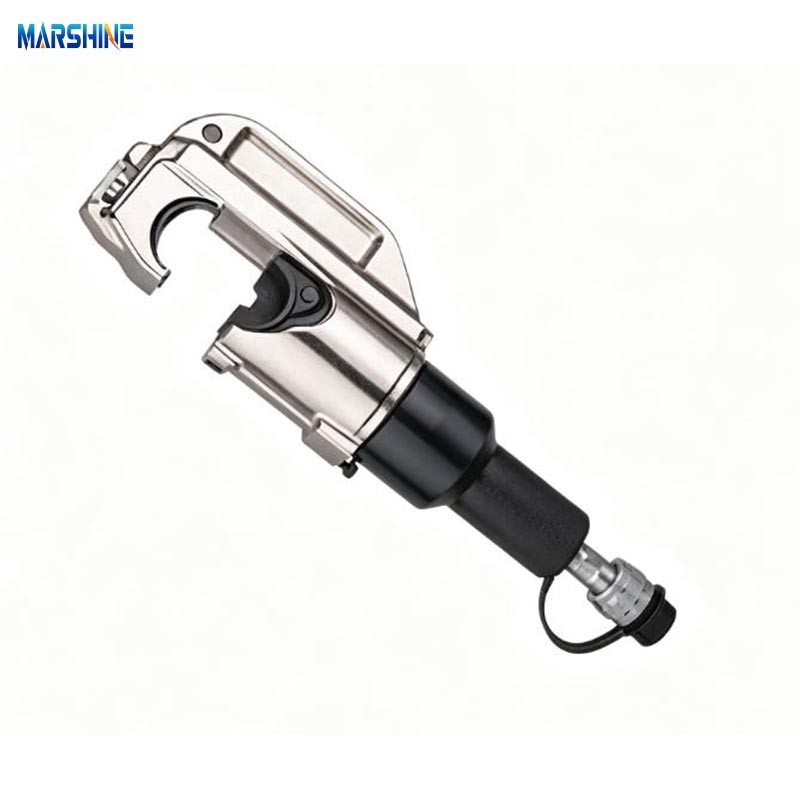
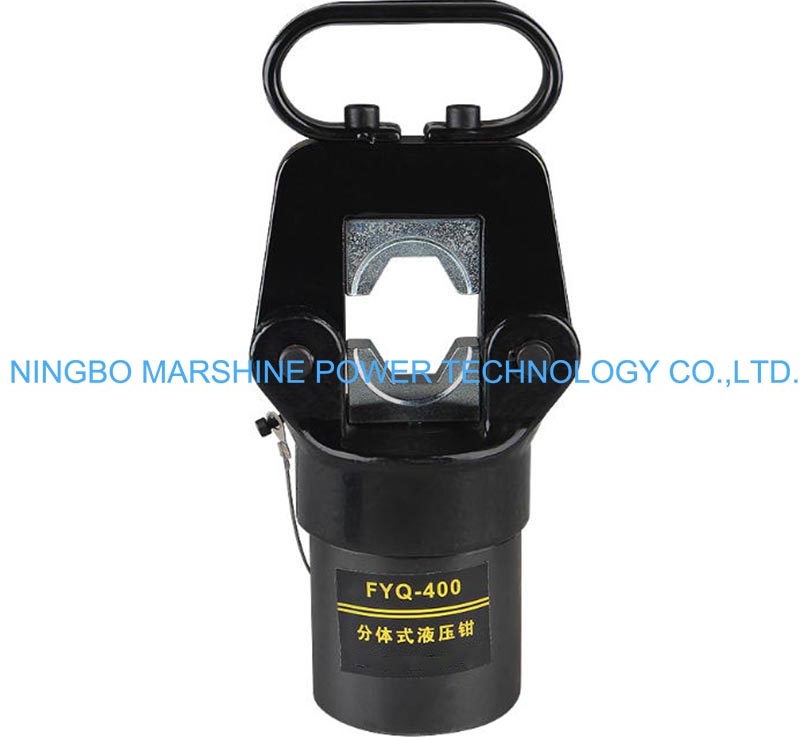
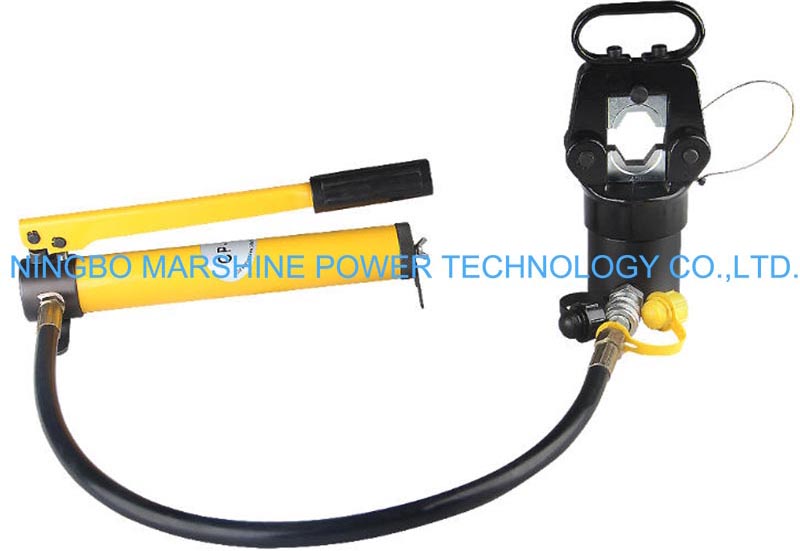
When technicians tackle heavy-duty electrical power work in substations or industrial switchgear setups, standard hand tools lack the mechanical advantage required for secure connections. A split type cable crimper provides the massive pressure necessary for terminating large underground and aerial cables. In the power industry, regional terminology varies, but "split type" primarily refers to a remote hydraulic crimper—meaning the heavy hydraulic power unit is physically separated from the crimping head and connected via a high-pressure hose. This pump-remote architecture is distinct from, but often combined with, a "split-frame" or "open-head" jaw design, which allows the tool to accept continuous, in-line cables without threading them through a closed loop. Clarifying this distinction ensures buyers do not conflate the two features when sourcing equipment. Ultimately, this modularity allows operators to maneuver the compact head into tight trenches or crowded panels without lugging the entire power unit around.
What It Does
At its core, the equipment joins thick copper or aluminum conductors to terminal lugs or splices. By forcing the metal sleeve and conductor together under immense hydraulic pressure, it creates a gas-tight compression joint that ensures extremely low electrical resistance and exceptional mechanical strength. By separating the heavy power generation from the working head, this setup minimizes operator fatigue during repetitive installations and allows for remote operation in hazardous zones.
Key Specifications
When reviewing the specifications of a reliable split type crimping tool, tonnage and crimping range dictate its overall capability in the field. Standard commercial models deliver between 15 and 100+ tons of force, handling heavy cable cross-sections ranging from 16 mm² up to 1000+ mm². To withstand thousands of high-pressure cycles without deforming, industrial-grade heads are typically constructed from forged or heat-treated alloy steel.
In practice, tonnage, die set geometry, and stroke length interact closely. Precise stroke-length and tonnage ranges vary significantly by manufacturer, but generally, stroke length determines how wide the jaws open to accept larger lugs, while tonnage ensures enough force is applied across the die's surface area to complete the compression joint.
Crucially, hydraulic compatibility defines the tool's operation. The industry standard operating pressure for these heavy-duty systems is typically 700 bar (10,000 psi), though this is not universal and must match the external pump. Additionally, heads are configured as either single-acting (relying on a spring return) or double-acting (using hydraulic pressure to return the ram), which dictates the required hose count and pump type. Finally, die and lug compatibility must always be verified against the lug manufacturer's specific catalog number rather than relying on nominal size alone, ensuring a secure, code-compliant connection.
Comparison and Selection Criteria
Selecting the right equipment requires balancing raw power with practical job-site constraints. While a split system offers unparalleled force capacity and rugged durability, it requires managing the external components. Understanding these trade-offs—such as evaluating the remote-head weight for overhead work, coordinating two-person handling requirements, and organizing on-site die storage—ensures that utility crews deploy the most efficient tool for their specific cable installation, maintenance, or repair tasks.
Crimper Type Trade-Offs
Integral manual crimpers are highly portable and self-contained, but they usually max out around 12 tons, limiting their use to smaller gauge cables. Battery-operated variants offer excellent convenience and speed for medium tasks but can struggle with massive underground transmission lines or continuous heavy-duty cycles where batteries may overheat or drain quickly. The split design shines when maximum force is non-negotiable and the workload is intense. Note that maximum cable size capacities (like 1000+ mm²) represent typical ranges under ideal conditions; actual limits depend heavily on the conductor type, die availability, and the tool's duty cycle.
| Crimper Type | Typical Force (Tons) | Max Cable Size (mm²) | Portability | Power Source |
|---|---|---|---|---|
| Integral Manual | 4 - 12 | 300 | High | Manual Lever |
| Battery-Operated | 6 - 15 | 400 | High | 18V / 20V Lithium Battery |
| Split Type | 15 - 100+ | 1000+ | Medium | External Hydraulic Pump |
Specifications to Check Before Buying
Before investing in a split hydraulic cable tool, buyers must evaluate the die types provided in the kit. Most industrial sets include interchangeable, chrome-plated hexagonal dies, which provide a uniform, symmetrical compression ideal for standard electrical lugs. Buyers should also confirm the quick-coupler thread size; while 3/8-inch NPT is often cited as a baseline, coupling threads vary significantly by region and manufacturer, requiring careful matching with existing pumps. Finally, consider the hose length—typically ranging from 1.5 to 3 meters. Longer hoses offer better reach for overhead or deep-trench work but require active management to mitigate tripping hazards and pressure drops on the job site.
Use, Sourcing, and Supplier Evaluation
Balancing concrete job-site trade-offs—such as the overhead of managing high-pressure hoses versus the benefit of faster cycle speeds and reduced operator fatigue—is critical for efficient deployment. Ensuring the longevity and safety of these tools requires following strict operational protocols, performing routine hydraulic fluid maintenance, and partnering with suppliers who prioritize rigorous quality tracking and comprehensive after-sales service for the electrical power industry.
Safe Hydraulic Crimping Steps
Operating the equipment safely begins with mandatory pre-use electrical safety: operators must verify complete de-energization of the work area using strict Lockout/Tagout (LOTO) procedures and don appropriate Personal Protective Equipment (PPE). For split-type systems specifically, safety protocols require careful hose routing in trenches to prevent pinching, ensuring proper pump grounding in outdoor substations, and maintaining clear two-person coordination between the pump operator and the head operator. Inspect the hydraulic hoses for any signs of abrasion, and verify that the pump pressure rating matches the crimping head. Securely connect the high-pressure hose, ensuring the quick-release couplings are completely locked to prevent high-pressure leaks and severe hydraulic fluid injection injuries.
Operators then select the appropriate die size. Conductor preparation varies by metal: aluminum requires wire brushing and an oxidation inhibitor, while copper may only need standard cleaning.
Further reading:
Key Takeaways
- Choose a split type cable crimper when large conductors require hydraulic force beyond what standard hand crimpers can provide.
- Verify the crimper’s tonnage, stroke length, and cable range before selecting a tool for conductors from 16 mm² to 1000+ mm².
- Match the crimping head to the external hydraulic pump, especially when working with 700 bar or 10,000 psi systems.
- Confirm whether the head is single-acting or double-acting because this determines the required hose setup and pump type.
- Use the lug manufacturer’s die chart for every crimp instead of relying only on nominal conductor size.
- Select forged or heat-treated alloy steel heads for repeated high-pressure use in substations, switchgear, and utility installations.
Frequently Asked Questions
What does “split type” mean in a cable crimper?
It usually means the hydraulic pump is separate from the crimping head and connected by a high-pressure hose, making the head easier to position in trenches, panels, or tight substation spaces.
What is a split type cable crimper used to crimp?
It is used to compress large copper or aluminum conductors into terminal lugs, sleeves, or splices, creating a low-resistance, mechanically strong electrical connection.
How much crimping force do split type hydraulic crimpers provide?
Common industrial models range from about 15 tons to more than 100 tons, depending on cable size, die design, and the type of lug or connector being installed.
What hydraulic pressure is common for split type crimping tools?
Many heavy-duty systems operate at 700 bar, or 10,000 psi, but the crimping head and pump must always be checked for exact pressure compatibility.
Why is die compatibility important?
The correct die must match the lug manufacturer’s specifications, not just the cable’s nominal size, to ensure a safe, code-compliant, gas-tight crimp.