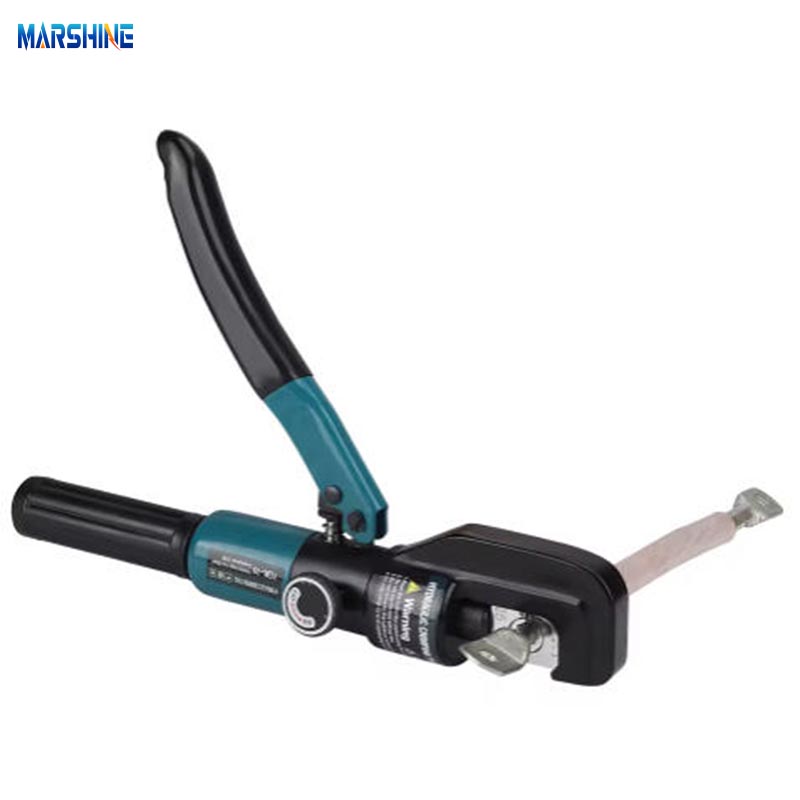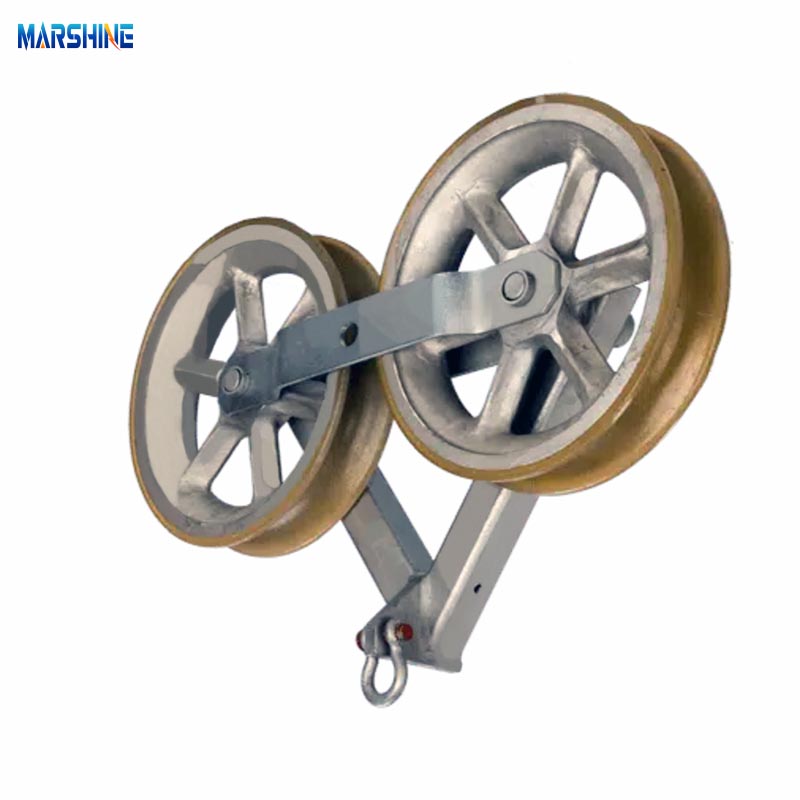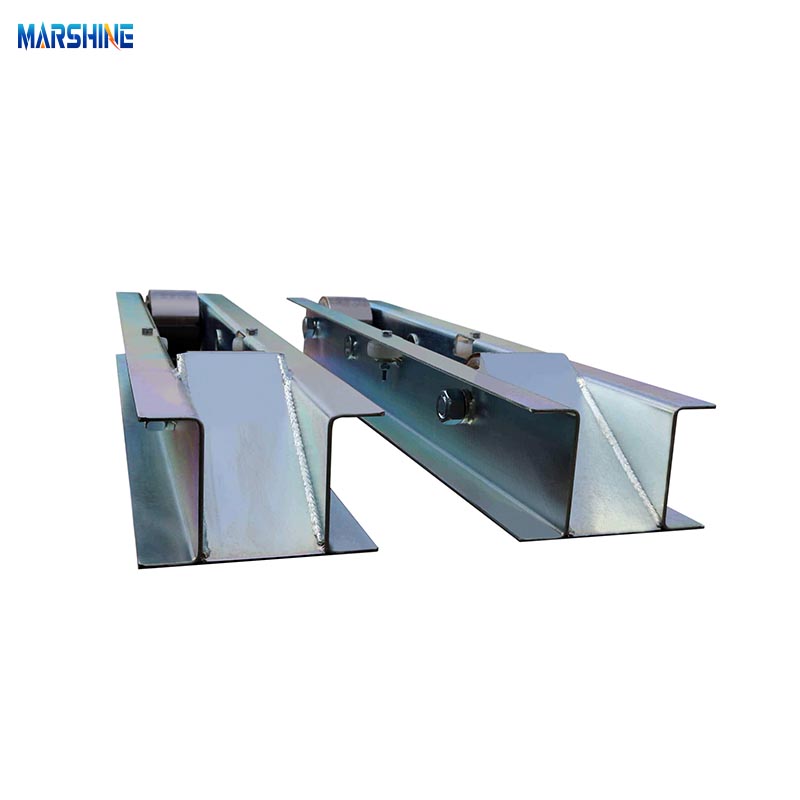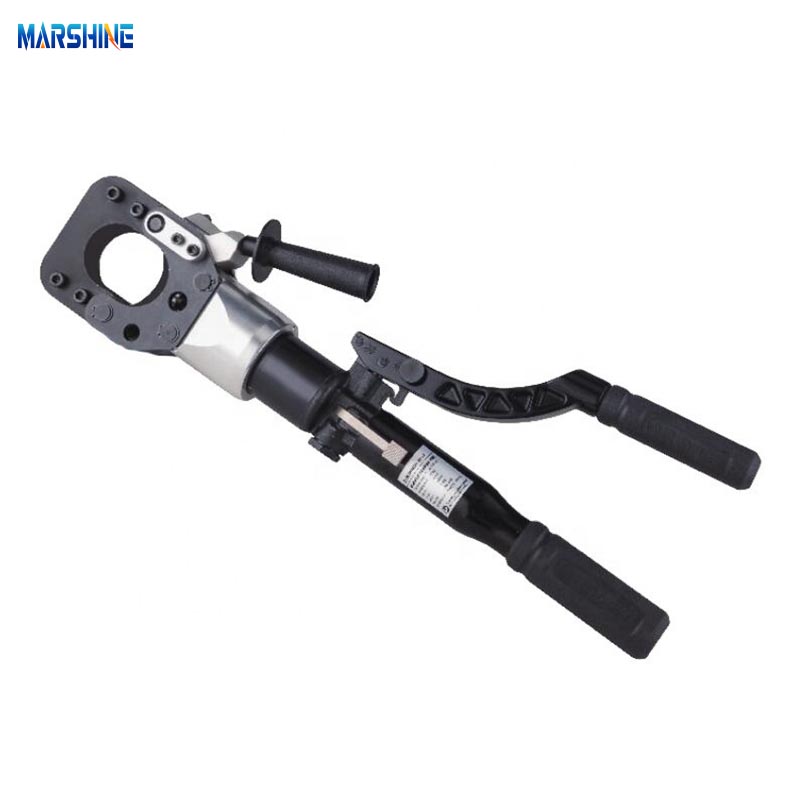


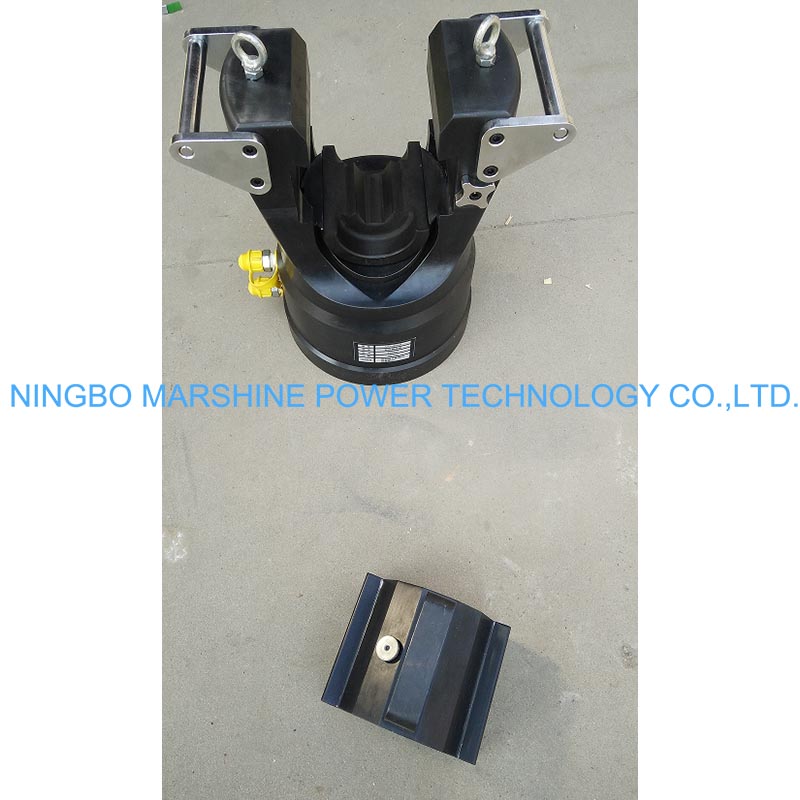
A failed splice on an overhead power line is more than an installation defect—it can compromise mechanical strength, electrical continuity, and crew safety. Choosing the right hydraulic conductor compression tool requires more than selecting the highest tonnage on a specification sheet. Crews must match output force, pump pressure, die geometry, conductor material, and sleeve requirements to the actual field application. For transmission projects, where tools may need 60 to 100 tons of force and reliable 700 bar hydraulic performance, small mismatches can lead to costly rework. This guide explains what to check before buying or deploying a conductor compression solution, from ACSR compatibility to die selection and operator safety.
Choosing the Right Hydraulic Conductor Compressor
When gearing up for a major power line stringing project, selecting the proper equipment is essential for ensuring secure grid connections. While sometimes searched as a "conductor compressor," this term is non-standard; industry professionals refer to this equipment as a hydraulic compression tool or crimper. These tools are critical for splicing and dead-ending operations. Working with established manufacturers ensures access to equipment designed for precision and ease of handling. To achieve optimal results, field crews must also follow best practices, such as ensuring conductor strand cleanliness, applying approved oxide inhibitors, and accounting for ambient temperature effects during installation. Let's break down how to evaluate these tools so your crews can work efficiently without compromising connection integrity.
Key specifications for safe crimping
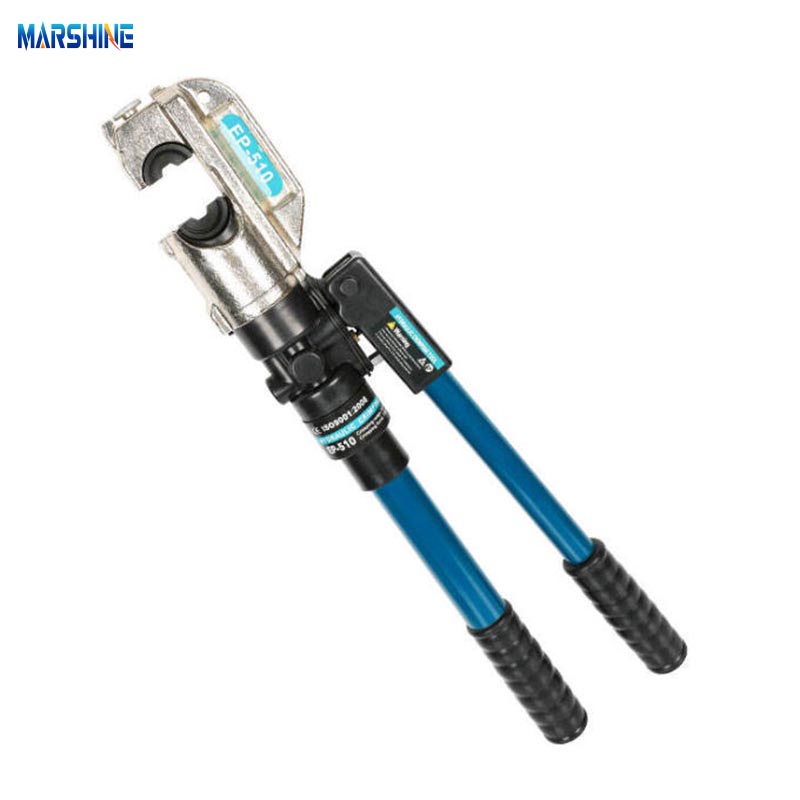
Getting the specifications right is the first line of defense against joint failure. Tonnage and output force requirements must align with your project's scope. For heavy-duty transmission lines, crews generally require a Hydraulic Compression Tool that delivers an output force of 60 to 100 tons. Hydraulic power-source compatibility is equally critical. While industry-standard pumps often run at 700 bar (10,000 psi), operators must account for specific pump flow requirements and potential pressure losses over long hose lengths. Instead of relying solely on a universal pressure threshold, ensure the system includes calibrated pressure relief valves or overload protection.
Because this is safety-critical equipment, its use requires trained, certified operators working under relevant electrical safety regulations with appropriate personal protective equipment (PPE). Additionally, modern crimpers frequently feature double-acting hydraulic cylinders for powered retraction, which prevents the tool from jamming on the sleeve after a heavy crimp and reduces cycle times.
Matching the compressor to overhead line conductors
A powerful tool alone is not enough; the compression tool and its die sets must match the specific overhead line conductors. Conductor materials differ significantly—for instance, ACSR (Aluminum Conductor Steel Reinforced) requires different handling than all-aluminum alloys (like AAAC). Die geometry selection must account for both the sleeve and the specific conductor type. When working with suppliers like MARSHINE, you will find tools designed for versatile aerial cable operations, capable of handling large cross-sections up to 1000 mm².
An essential component here is a robust, interchangeable hex die system. Before any operation, crews must perform strict compatibility checks. It is crucial to distinguish between the compression tool manufacturer and the fitting or sleeve manufacturer; the dies must match the specific sleeve profile dictated by the fitting maker. Precision-machined dies prevent "bird-caging" of the wire strands and ensure uniform compression, guaranteeing that the electrical conductivity and mechanical strength of the splice match the rest of the overhead conductor.
Comparing Compressor Performance and Supplier Quality
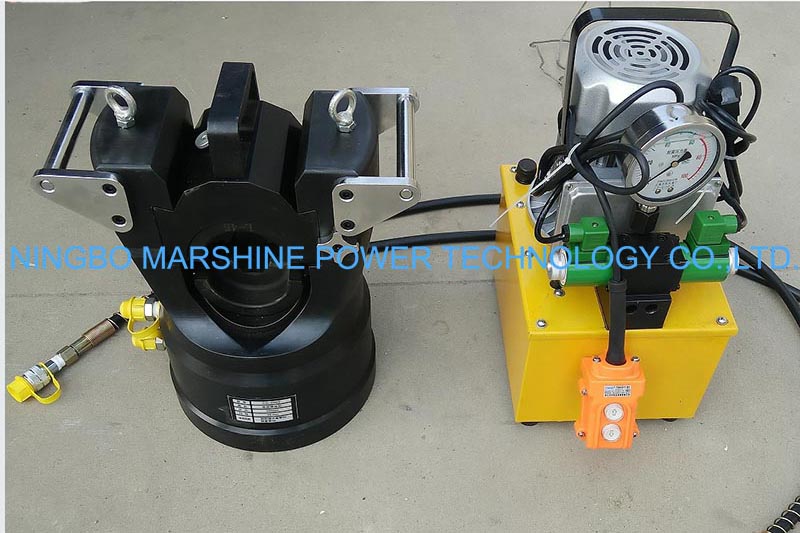
Once you know the technical specifications you need, it's time to stack up your options. Comparing compression tool performance isn't just about reading a spec sheet; it's about understanding how those numbers translate to field performance and operator fatigue. Furthermore, you need to look behind the tool at the supplier's overall quality control ecosystem.
What to include in a comparison table
To keep the evaluation objective, build a comparison table that highlights the practical limits of each tool class. Note that the pressure, tonnage, stroke, and conductor-size ranges below are purely illustrative. Real limits depend heavily on the specific tool manufacturer, die type, conductor stranding, and sleeve or fitting design. Track maximum output force, operating pressure, stroke length, and ideal conductor sizes to ensure you are buying the right tool for a specific grid application.
| Feature | 60-Ton Class | 100-Ton Class | 200-Ton Class |
|---|---|---|---|
| Max Output Force | 600 kN | 1000 kN | 2000 kN |
| Operating Pressure | 700 bar | 700 bar | 700 bar |
| Max Stroke | 22 mm | 22-25 mm | 40 mm |
| Ideal Conductor Size | Up to 630 mm² | Up to 1000 mm² | Large multi-strand |
When comparing these classes, pay special attention to the Hydraulic Compression Head design. Prioritize a lightweight, high-strength alloy or forged titanium body. Depending on the manufacturer, these materials can sometimes trim weight by up to 15% off a 100-ton compression head. This weight reduction significantly decreases operator fatigue and improves safety for linemen who have to maneuver the equipment in a bucket truck or while suspended on a transmission tower.
Supplier capabilities and quality certifications
The best tool is only as reliable as the supplier standing behind it. Seek a manufacturer that focuses on objective evaluation criteria and rigorous testing. Look for current certifications, such as the ISO 9001:2015 quality system standard, which proves they have audited processes in place for every tool they manufacture. Additionally, compliance with industry standards like IEC 61284 or IEEE 1590 for transmission line fittings is a strong indicator of reliability.
A supplier's commitment to quality control means every compression head is serialized, pressure-tested, and tracked before it leaves the factory. Reputable suppliers will also provide clear inspection and maintenance guidance, ensuring the tool survives the harsh realities of power grid construction over its entire lifecycle.
Testing, Sourcing, and Final Selection
You have narrowed down your choices and vetted the suppliers. Now you are in the home stretch. The final phase involves rigorous acceptance testing and making sure the logistics align with your project timeline. You want a partner with a proven track record of reliability and technical expertise to support your long-term grid infrastructure.
Acceptance testing and die verification
Never deploy a new hydraulic compression tool to the field without proper testing. Acceptance testing should include die verification and tension pull tests on sample splices. When crimping a test sleeve, measure the flat-to-flat distance of the hex crimp with digital calipers. Rather than relying on a generic percentage rule or the tool supplier's general data, always compare these compressed sleeve dimensions directly against the fitting manufacturer’s specific die chart and after-crimp flat-to-flat values to confirm accuracy.
Furthermore,
Further reading:
Key Takeaways
- Use the industry term “hydraulic compression tool” or “hydraulic crimper” when specifying equipment for conductor splicing and dead-ending work.
- Select a tool with the required output force, typically 60 to 100 tons for heavy-duty transmission line compression applications.
- Verify hydraulic pump compatibility, including 700 bar system ratings, flow requirements, hose pressure losses, and overload protection.
- Match die sets to the sleeve manufacturer’s specified profile and the conductor type to avoid poor compression or strand damage.
- Choose tools with double-acting cylinders and interchangeable precision hex dies to reduce jamming, improve speed, and support varied line projects.
- Ensure only trained operators perform crimping with approved PPE, clean conductor strands, and proper oxide inhibitor application.
Frequently Asked Questions
Is a conductor compressor the same as a hydraulic crimping tool?
Yes. “Conductor compressor” is a common search term, but the industry typically uses “hydraulic compression tool” or “hydraulic crimper” for equipment used in conductor splicing and dead-ending.
What output force is needed for transmission line compression work?
Heavy-duty transmission line applications commonly require hydraulic compression tools in the 60 to 100 ton output force range, depending on conductor size, sleeve type, and project specifications.
Why is die compatibility so important?
Dies must match the fitting or sleeve manufacturer’s specified profile, not just the tool brand. Correct die geometry helps prevent strand damage, poor conductivity, and weak mechanical joints.
Can one hydraulic compressor handle different conductor types?
Often yes, if it supports interchangeable die sets and the required force range. However, ACSR, AAAC, and other conductor types require proper sleeve and die matching before crimping.
What hydraulic pump pressure is commonly used?
Many industry hydraulic systems operate around 700 bar, or 10,000 psi, but crews must also check pump flow, hose length losses, and calibrated relief or overload protection.