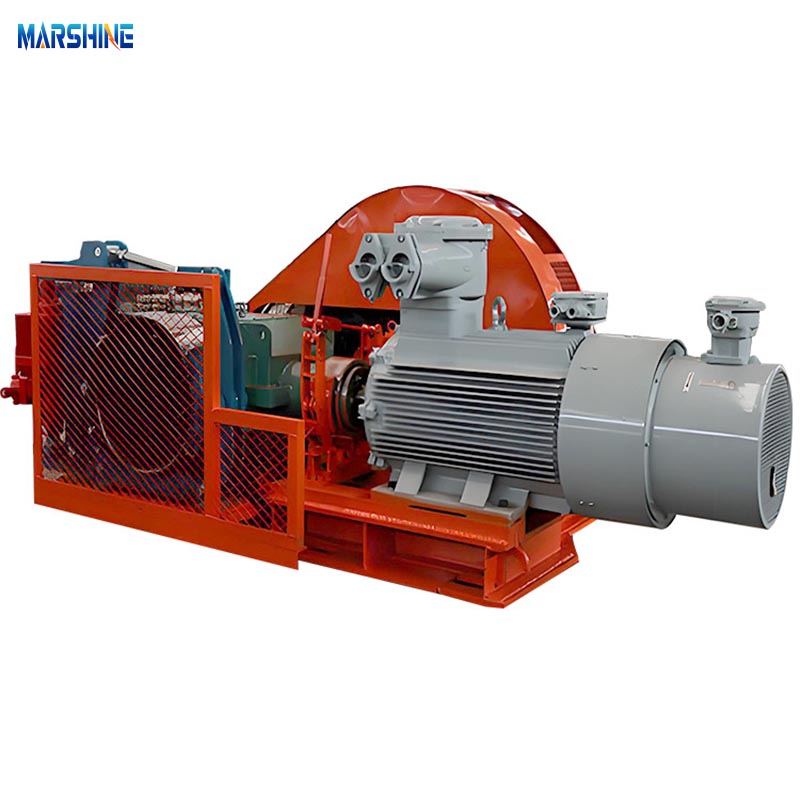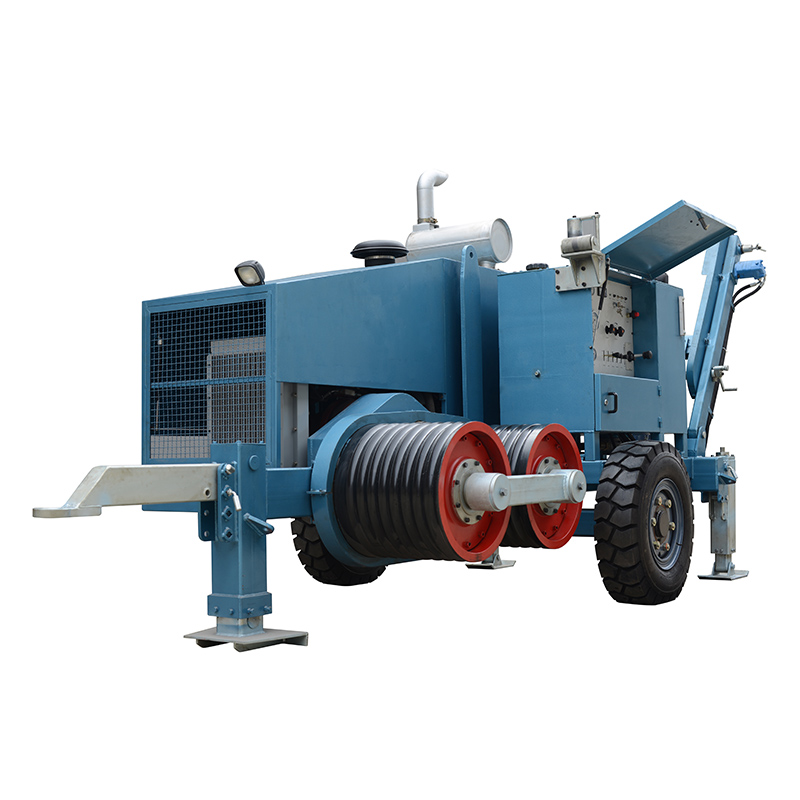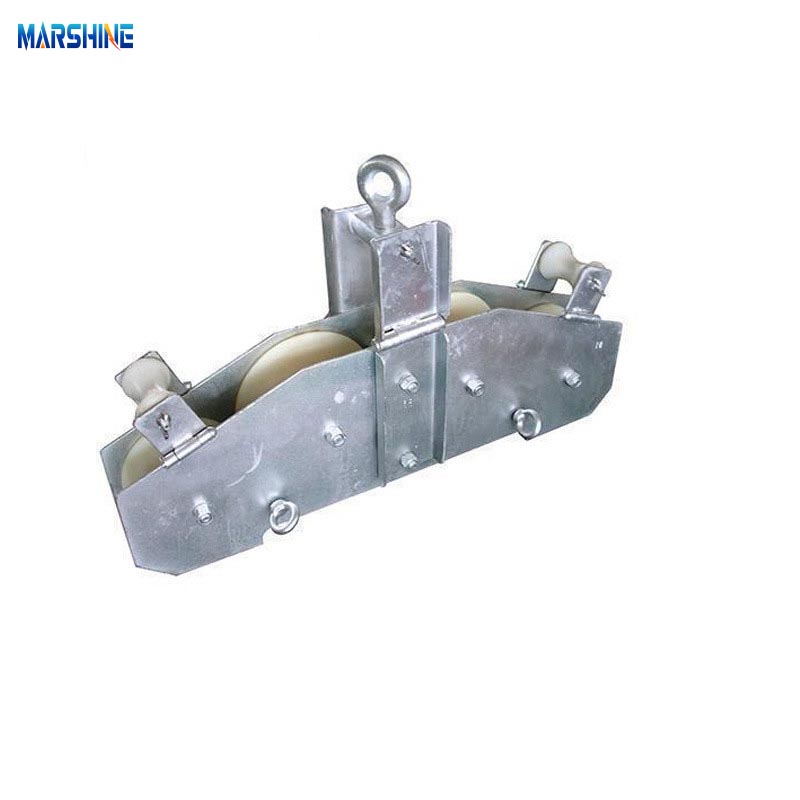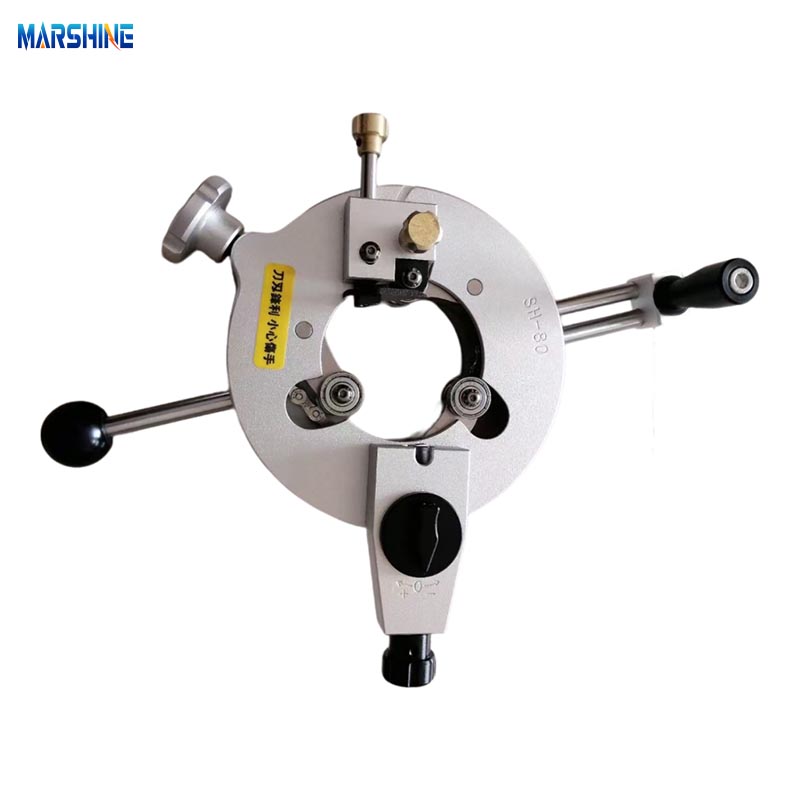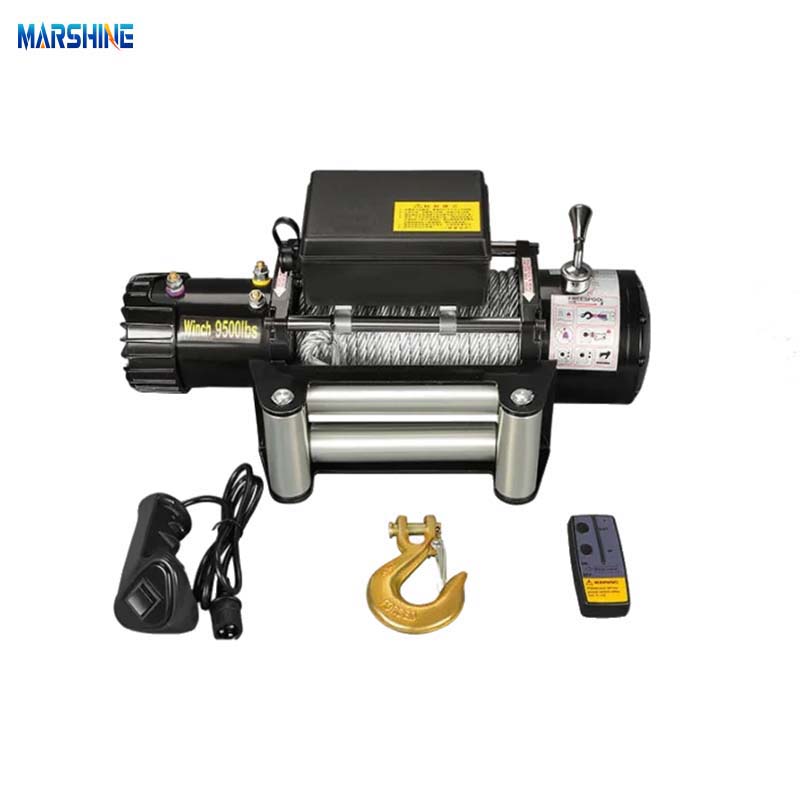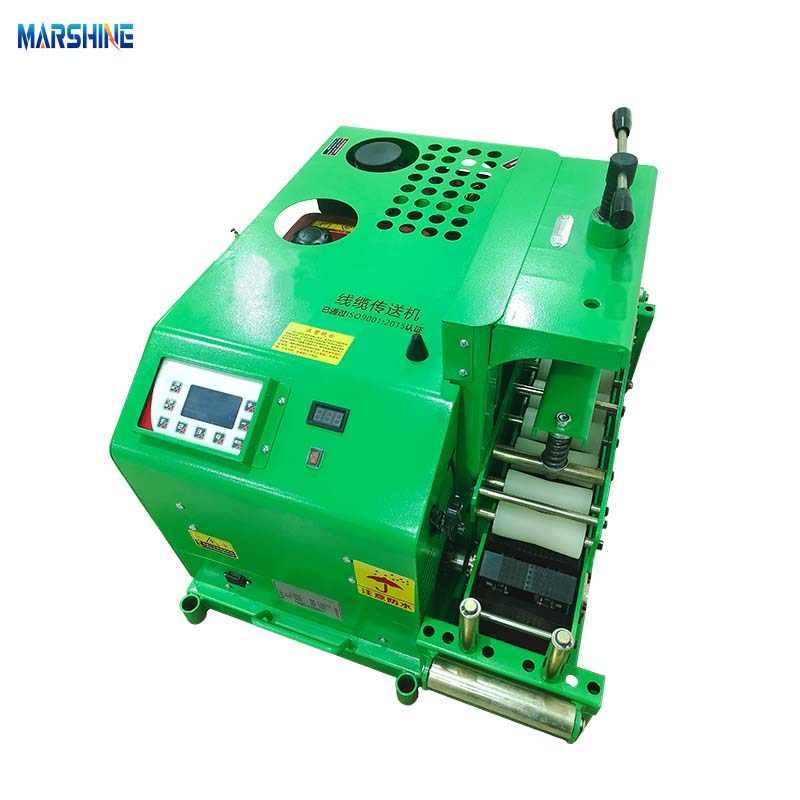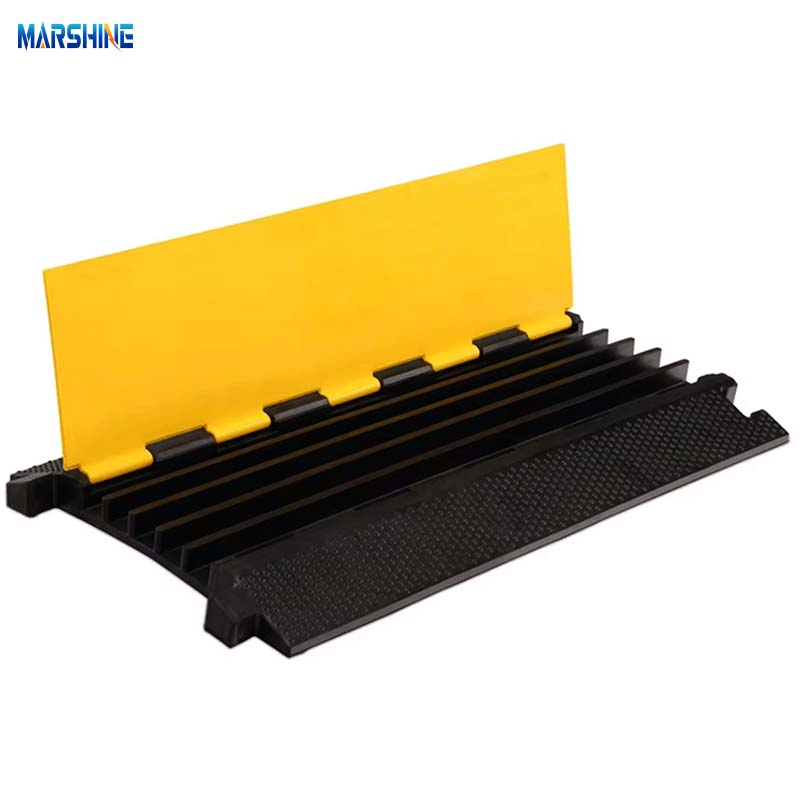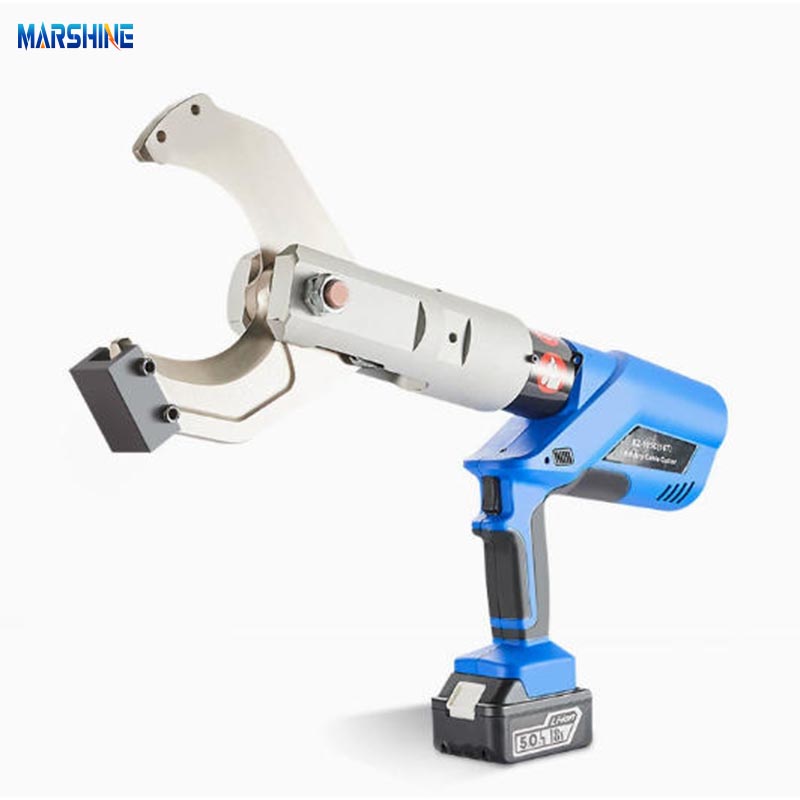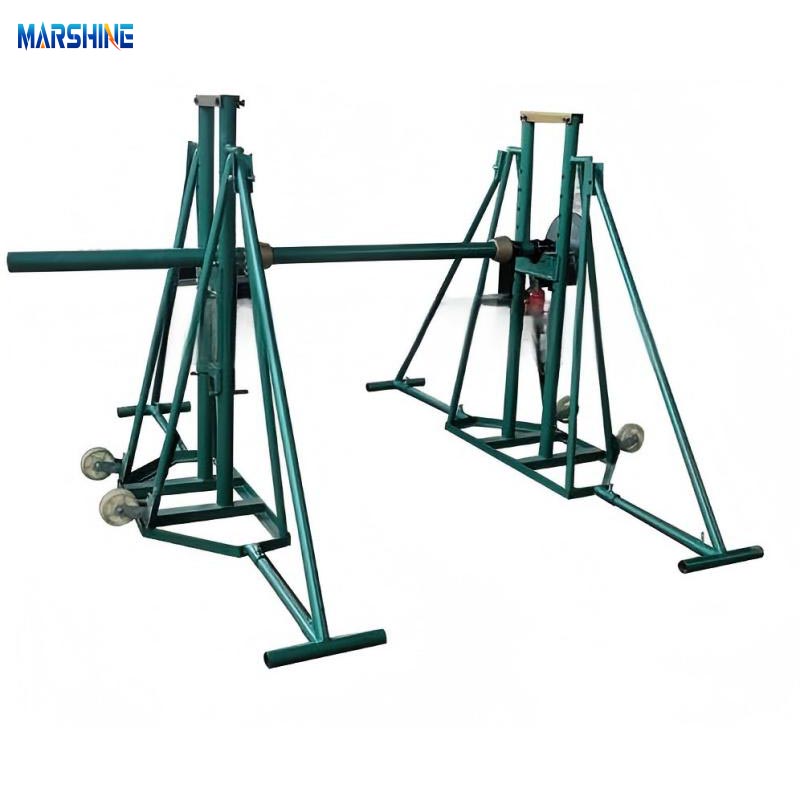

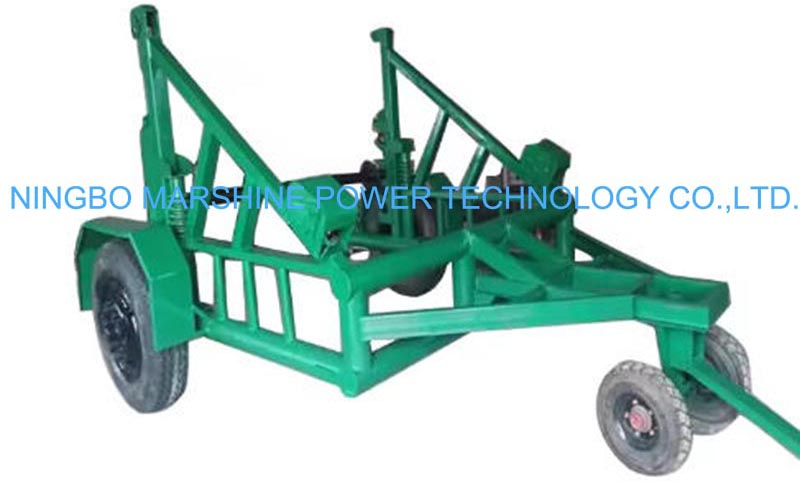
Loading cable drums onto a cable reel trailer involves careful planning and execution. Proper steps help ensure safety and efficiency during the process. Utilizing the right equipment, like a cable drum trailer from MARSHINE, makes the task easier. A well-organized approach can prevent accidents and improve workflow when using a cable drum trailer.

Before loading cable drums onto a trailer, proper preparation is essential. This phase ensures that everything runs smoothly and safely. Here are the key steps to follow:
Document Review: Start by verifying all necessary documents. Check the Material Inspection Report (MIR), Material Approval Request (MAR), datasheets, test certificates, and applicable standards. This step confirms that all materials meet the required specifications.
Identification Verification: Confirm the details of the cable. This includes the type, size, voltage grade, length, and drum specifications. Accurate identification helps prevent errors during loading.
Physical Drum Inspection: Inspect the condition of the drum. Look for any damage to the flanges, sealing, or rolling direction. A well-maintained drum is crucial for safe handling.
Cable Visual Inspection: Examine the cable itself. Ensure there are no cuts, moisture, oil ingress, or sheath damage. A thorough visual check can prevent issues during transport.
Test Certificate Verification: Validate the test certificates for insulation resistance, high voltage/spark tests, conductor resistance, and Optical Time Domain Reflectometer (OTDR) results if dealing with fiber optics. This verification ensures the cable's integrity.
Storage & Handling Check: Ensure that the storage area is suitable. The surface should be stable, and the cables must be protected from sun and water. Avoid stacking drums to prevent damage.
Site Tests (If Required): Conduct any necessary site tests, such as megger tests, continuity checks, phase identification, and sheath testing. These tests confirm that the cables are ready for use.
Acceptance / Release: Finally, obtain approval for loading. This includes final reports, photos, and closure of any Non-Conformance Reports (NCR).
Tip: Always assess the environmental impact of your operations. Consider emissions, recyclable materials, and energy-saving practices to ensure eco-friendly loading processes.
Additionally, ensure that all personnel involved in the loading process are adequately trained. Operators must be proficient in the specific procedures and safety features of the equipment used for loading cable drums. They should also be familiar with best practices and safety precautions related to wire rope handling.
By following these preparation steps, you set the stage for a successful loading operation using a cable reel trailer.
Loading cable drums onto a trailer requires specific equipment to ensure efficiency and safety. Here’s a rundown of the essential tools and devices you’ll need:
Cable Drum Trailer: A specialized trailer designed for transporting cable drums. The Hammar self-loading cable drum trailer is a great choice. It simplifies the loading process, eliminating the need for additional equipment like forklifts or cranes.
Hydraulic Cable Drum Jacks: These jacks are crucial for lifting and supporting heavy drums. They feature a hydraulic system that allows for smooth lifting with minimal manual effort. This enhances safety and reduces labor intensity.
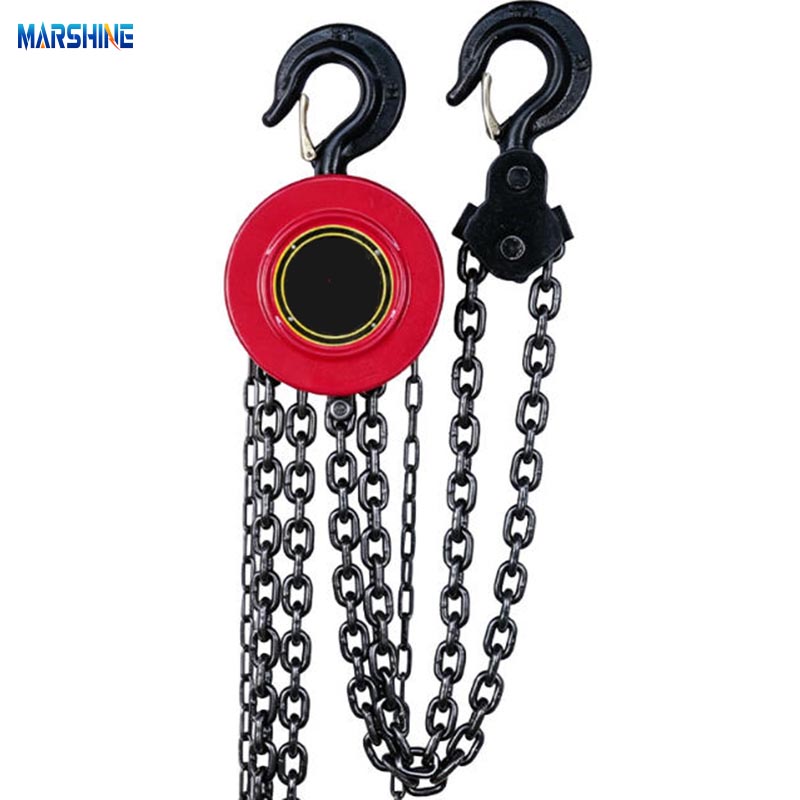
Lifting Devices: Consider using mobile cranes or low-build trailers for larger drums. However, modern sideloader solutions have significantly improved efficiency, reducing loading times from an hour to just a few minutes.
Safety Gear: Always equip personnel with appropriate safety gear, including gloves, helmets, and steel-toed boots. This gear protects workers from potential hazards during the loading process.
It's essential to adhere to industry regulations when using lifting equipment. Here’s a summary of some key regulations:
| Regulation | Description |
|---|---|
| 1910.265(c)(24)(viii)(g) | Requires at least two full wraps of hoisting cable on the drum during operation. |
| 1910.180(h)(3)(x) | States that neither the load nor the boom should be lowered below the point where less than two full wraps remain on their respective drums. |
| 1910.179(h)(2) | Mandates that no less than two wraps of rope should remain on the drum when the hook is at its lowest position. |
When selecting a trailer, consider the maximum drum weight it can handle. Here’s a quick reference:
| Model | Max Drum Weight (kg) |
|---|---|
| C-751-10 | 1000 |
| C-751-13-01 | 1300 |
| C-751-16 | 1630 |
By using the right equipment and adhering to industry standards, you can ensure a safe and efficient loading process for cable drums.

Loading cable drums onto a trailer involves a series of well-defined steps. Following these steps ensures that the process is efficient and safe. Here’s how to do it:
Position the Trailer: Start by parking the cable reel trailer on a flat, stable surface. Ensure that the trailer is level to prevent any shifting during the loading process.
Align the Drum: Use the hydraulic cable drum jacks to lift the drum slightly off the ground. Align the drum with the trailer’s loading area. This alignment is crucial for a smooth transfer.
Secure the Drum: Once aligned, lower the drum onto the trailer. Make sure it sits securely in place. To prevent movement during transit, follow these best practices:
Communicate Effectively: Clear communication among team members is vital during the loading process. Here are some recommended protocols:
Inspect the Load: Before moving the trailer, conduct a final inspection. Check that all drums are secure and that there are no visible defects. This step helps prevent accidents during transport.
Avoid Common Mistakes: Be aware of common mistakes that can occur during the loading process. These include:
By following these steps, you can ensure a safe and efficient loading process using a cable reel trailer. The MARSHINE cable reel trailer simplifies this task, making it easier to handle heavy loads while maintaining safety standards.
When loading cable drums onto a trailer, safety should always come first. Following proper safety protocols helps prevent accidents and injuries. Here are some key considerations to keep in mind:
Lifting Methods: Always use a forklift from the flange side only. Make sure the fork doesn’t touch the cable. This prevents damage to the cable and ensures a secure lift.
Crane Usage: If using a crane, employ an axle or spreader beam. This setup prevents lateral pressure on the flanges, which can cause structural damage.
Loading and Unloading: Use suitable devices to avoid damaging the drums. Never drop the drums during loading or unloading. A gentle approach goes a long way in maintaining drum integrity.
Transportation: Secure the drums in the vehicle to prevent shifting during transit. This step is crucial for maintaining stability and safety on the road.
Positioning: Always keep drums upright during transport and storage. This positioning helps avoid unnecessary stress on the drum structure.
Securing: Before moving, check and tighten all screws on the flanges. Loose screws can lead to accidents during transport.
Temperature Control: Be aware of the maximum transport temperature specified in the data sheet. Exceeding this limit can compromise the cable's performance.
Damage Checks: Inspect the drums for damages if they have been overstressed or dropped. Regular checks help catch issues before they escalate.
Tip: Always wear appropriate safety gear, including gloves and helmets, to protect against potential hazards.
By adhering to these safety considerations, you can ensure a smooth and secure loading process. Using a reliable cable reel trailer from MARSHINE can further enhance safety and efficiency, making the task easier for everyone involved.
Loading cable drums can sometimes present challenges. Knowing how to troubleshoot these issues can save time and prevent accidents. Here are some common problems and their solutions:
Mechanical Damage: This often occurs when the rope contacts the crane or other structures. To avoid this, ensure that the loading area is clear and that operators maintain proper distance from obstacles.
Strand Opening: This issue arises in Rotation Resistant ropes, leading to birdcage distortion. It usually happens due to improper installation or excessive rope rotation. Always check the installation process to prevent this.
Broken Wires: Crushing or abrasion can cause broken wires. Insufficient tension on underlying layers during installation often leads to this problem. Regular inspections can help catch these issues early.
Wires Looping: Insufficient service dressing or tension on lower wraps can cause wires to loop out from strands. Make sure to maintain proper tension during loading.
Pigtail or Spiraling: This indicates that the rope has run over a small radius or sharp edge. Check the sheave and drum sizing to ensure they are appropriate.
If a cable drum becomes stuck during loading, follow these steps:
By addressing these common issues, you can ensure a smoother loading process. Using a reliable cable reel trailer can also help minimize these problems, making the task easier and safer for everyone involved.
Successfully loading cable drums onto a trailer requires careful preparation, the right equipment, and strict safety protocols. Following best practices leads to several long-term benefits:
| Benefit | Description |
|---|---|
| Increased Efficiency | Streamlines the process of loading, storing, and retrieving cable drums, reducing delays. |
| Enhanced Safety | Reduces the risk of drum movement, collapse, or unsafe handling conditions. |
| Better Space Utilisation | Optimizes the use of the facility, increasing storage capacity without sacrificing access. |
| Long-Term Durability | Ensures a reliable system that supports growth for many years. |
By prioritizing these elements, teams can enhance their operations and ensure a safer, more efficient loading process.
Use straps or chains to secure the drums. Ensure they are tight but not damaging to the drum surface.
Inspect cable drums before each loading. Regular checks help catch any damage or defects early.
No, use a specialized cable drum trailer. It ensures safety and efficiency during transport.