

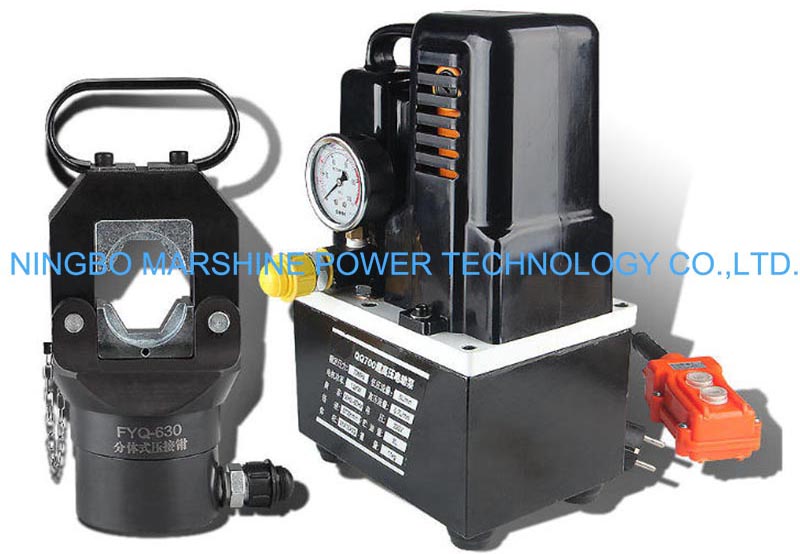
A poor crimp can create heat, voltage loss, and long-term failure in a power cable connection, so tool selection is more than a purchasing decision—it is a reliability decision. For large conductors, awkward job sites, and high-force terminations, a split hydraulic crimping system gives operators the flexibility to place a lighter head at the cable while keeping the pump separate. But the best choice depends on more than tonnage alone. You need to evaluate conductor size, lug compatibility, pump type, hydraulic hose limits, pressure ratings, and maintenance costs. This guide explains what to compare so you can select a safe, efficient, and job-ready crimping setup.
What Is a Split Hydraulic Crimping Tool
A split hydraulic crimping tool is specialized equipment designed to securely join heavy-duty electrical cables and connectors. Unlike integral models that house the pump and crimping head in one bulky unit, the split design separates the hydraulic power source from the working head. By connecting them with a high-pressure hydraulic hose, operators gain maneuverability. This separation keeps the heavy lifting safely on the ground while delivering consistent force to the terminal, especially in tight underground trenches or aerial buckets.
However, split designs come with practical trade-offs. Buyers must account for maximum practical hose lengths and the potential for pressure drops that can affect crimp quality over long distances. Hoses also require strict adherence to minimum bend radii to prevent damage. Operationally, coordinating a working head with a foot pump—or relying on a second operator—adds training overhead. You must also factor in the total cost of ownership, including hydraulic oil, seal kits, and regular hose replacements. For highly mobile, single-operator tasks that do not require extreme tonnage, an integral or battery-powered tool is often the better choice.
Key Specifications to Check First
Before investing in new equipment, it is important to evaluate specific project requirements. A practical selection checklist should include:
- Conductor material and size: Determine the exact gauge and metal (e.g., copper, aluminum) being used.
- Terminal or lug type: Ensure compatibility with the required connectors.
- Crimping force capacity: Match the tool's tonnage to the application.
- Pump power and duty cycle: Select a manual, electric, or gas pump based on site power and expected daily usage.
- Access constraints: Consider the physical space available for the crimping head.
When assessing these specifications, always consult the manufacturer's datasheet. Ensure that quick-connect couplers and hoses are rated for the system's maximum operating pressure to maintain job site safety and prevent equipment failure.
When to Choose a Split Hydraulic Crimping Tool
A split configuration is ideal when dealing with large cross-section conductors or working in awkward environments where a heavy, integral unit is simply too cumbersome. The split design's main feature is ergonomics; it allows a single operator to position the lighter head precisely over the lug, while a foot pedal or a secondary operator triggers the pump. This setup helps reduce physical fatigue and can lower the defect rate on critical electrical terminations. Furthermore, its modular nature means operators can often swap out different heads for cutting or punching using the same base pump, making it highly versatile for extensive power grid construction.
How to Compare Split Hydraulic Crimping Tools
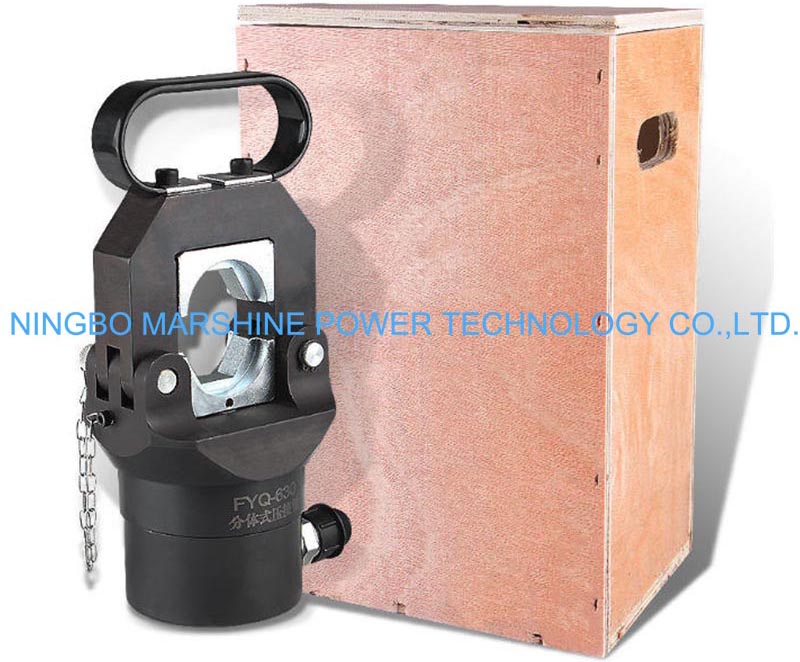
When evaluating different models on the market, examine how the equipment handles the daily demands of wire termination. A high-quality split hydraulic crimping tool features robust construction, efficient cycle times, and a reliable pressure release mechanism. The following core elements help differentiate various grades of equipment.
Crimping Force, Pump Type, and Die Compatibility
The heart of the setup is the combination of the crimping head, the pump, and the dies. Manufacturer catalog ranges vary widely, but crimping force typically spans from 12 tons for standard commercial distribution work up to 200 tons for high-voltage transmission lines. Similarly, while specialized tools can cover 16 mm² to 1000 mm² or more, standard commercial sets usually span 50 mm² to 630 mm². The system's maximum operating pressure often reaches 700 bar (10,000 PSI).
The head can be paired with manual foot pumps, electric hydraulic pumps, or gasoline-driven pumps depending on site power availability. Compatibility is crucial; ensure the head accepts standard hexagonal dies that match your required capacity range. To confirm compliance with recognized standards like UL 486A/B or IEC 61238-1 in practice, operators should perform on-the-job crimp quality verification. This includes conducting sample crimp-and-pull tests per lot, using go/no-go gauges to check final crimp dimensions, and adhering to strict die inspection intervals to catch wear before it compromises the connection.
| Pump Type | Typical Output Pressure | Estimated Cycle Speed | Best Use Case |
|---|---|---|---|
| Manual Foot Pump | Up to 700 bar | Slower (30-60 secs) | Remote areas without power |
| Electric Pump (110V/220V) | Up to 700 bar | Faster (5-10 secs) | Substations, indoor manufacturing |
| Gasoline Engine Pump | Up to 700 bar | Very Fast (2-5 secs) | Heavy-duty transmission line construction |
Note: The 700 bar maximum output pressure is a near-universal industry limit for these tools, whereas the cycle speeds are illustrative examples; always verify exact figures against specific manufacturer datasheets.
Material Quality, Head Design, Sealing, and Safety
The physical build of the crimping head dictates its overall lifespan. Heads forged from high-strength alloy steel are generally preferred over cast metals, as forging helps prevent micro-cracks from forming under heavy loads. Sealing technology is another critical component; quality tools utilize premium polyurethane or PTFE seals rated for the tool's maximum pressure to prevent oil leaks over extended use.
Safety features and protocols are equally important. A reliable split system often features an automatic pressure relief valve that opens when the target tonnage is reached, preventing over-crimping and protecting against pressure spikes. Beyond built-in features, operators must follow strict safety guidelines: always verify that conductors are fully de-energized before working, inspect hoses and couplers for wear to prevent high-pressure fluid injection injuries, ensure proper die installation, wear appropriate personal protective equipment (PPE), properly ground equipment where applicable, and always release pressure before disconnecting hoses. Following the manufacturer's specific instructions is essential for safe operation.
How to Choose a Reliable Supplier
Sourcing a reliable split hydraulic crimping tool involves finding a manufacturer that understands the demands of power grid construction. A capable supplier provides consistent quality, robust technical support, and clear guidance on tool compatibility.
Compliance, Quality Systems, and Certifications
The foundation of a trustworthy supplier is their documented commitment to recognized quality management systems. Manufacturers that maintain current certifications, such as ISO 9001:2015, demonstrate a baseline of manufacturing consistency.
Further reading:
Key Takeaways
- Choose a split hydraulic crimping tool when large cables or tight work areas make an integral crimper too heavy or difficult to position.
- Match the crimping head, dies, and tonnage to the exact conductor material, cable size, and lug type before purchasing.
- Verify that hoses, quick-connect couplers, and the pump are rated for the system’s maximum operating pressure.
- Keep hydraulic hose length within manufacturer limits and follow minimum bend-radius rules to avoid pressure loss and hose damage.
- Factor in total ownership costs such as hydraulic oil, seal kits, hose replacement, die sets, and operator training.
- Select manual, electric, or gas pump power based on daily crimp volume, site power availability, and required duty cycle.
Frequently Asked Questions
What is a split hydraulic crimping tool used for?
It is used to crimp heavy-duty electrical cables, lugs, and terminals by separating the hydraulic pump from the crimping head for better access and maneuverability.
When is a split hydraulic crimper better than an integral model?
Choose a split model for large conductors, high crimping force, trenches, aerial work, or confined spaces where a heavy all-in-one tool is difficult to position.
What specifications should I check before buying?
Check conductor size and material, lug type, required crimping force, die compatibility, pump type, hose rating, operating pressure, and available work space.
Does hose length affect crimping performance?
Yes. Excessive hose length can cause pressure loss and slower operation, so follow the manufacturer’s limits and use properly rated hydraulic hoses and couplers.
What pump type should I choose?
Manual pumps suit occasional jobs, electric pumps improve productivity for repeated crimps, and gas-powered pumps are useful where site power is unavailable.