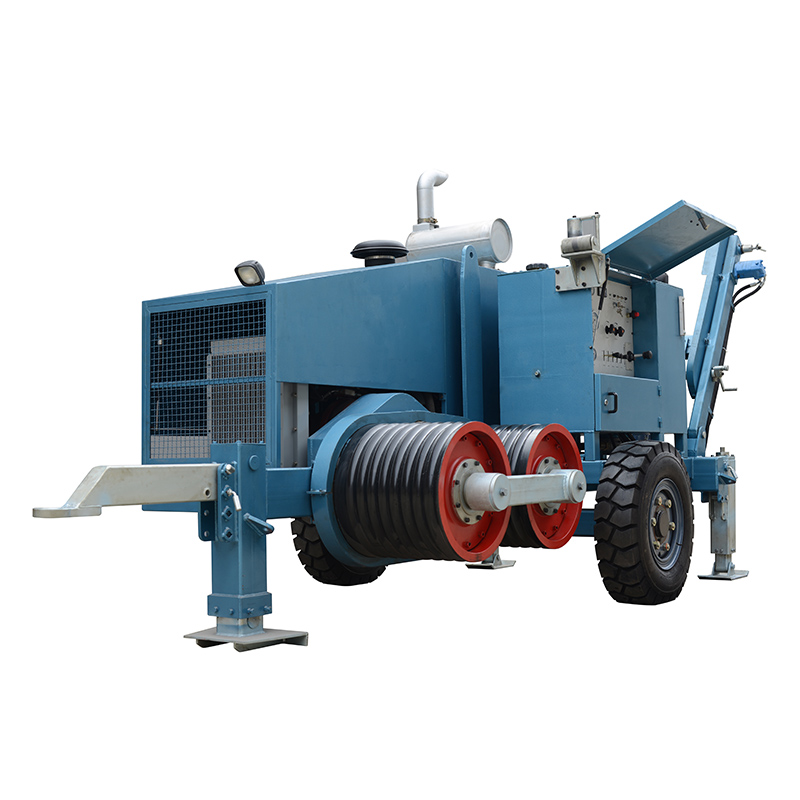


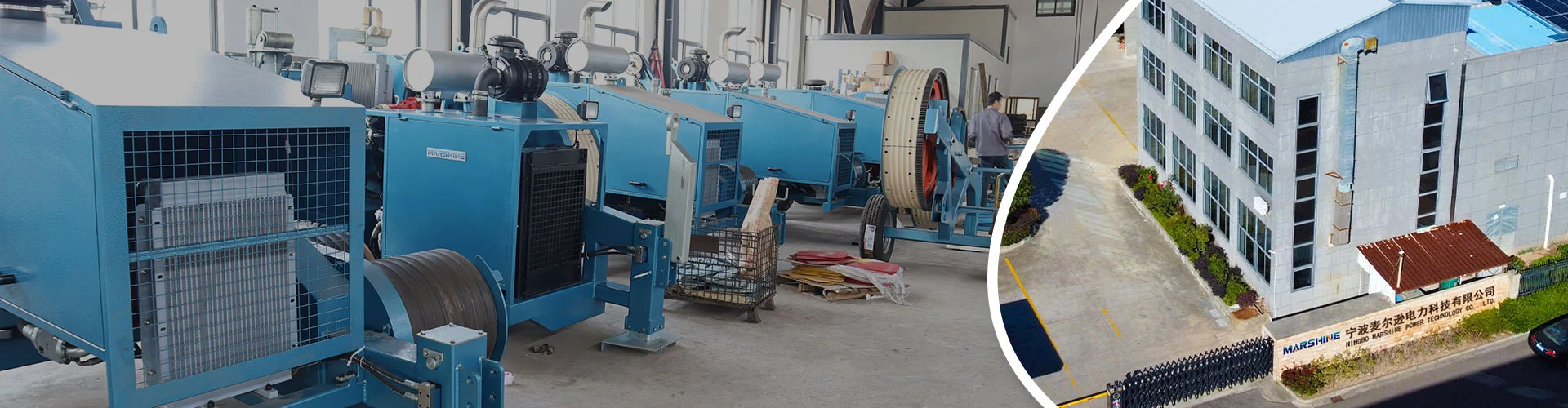
Article Summary: The Portable Capstan Winch AC-2500 Electric Cable Puller from MARSHINE is designed for efficient cable pulling in power, telecommunications, fiber-optic, tunnel, indoor, and other installation projects. With a maximum pulling capacity of 2,500 kg, support for ropes up to 400 m and a 220 V/380 V power option, it combines portability, controlled operation, and safety features for demanding cable installation environments.
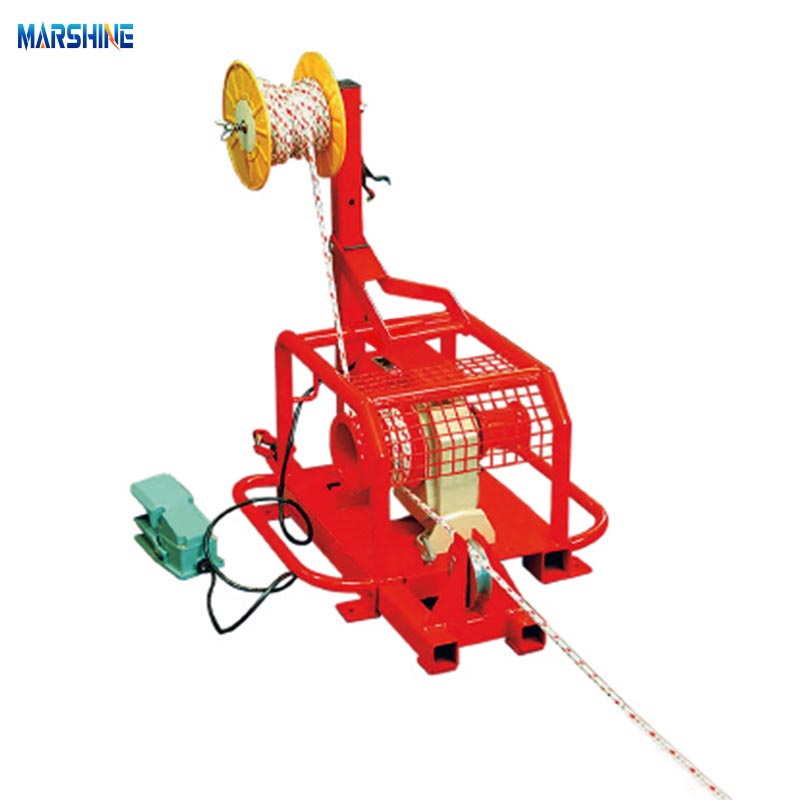
Table of Contents
- Why Does the AC-2500 Stand Out for Cable Pulling?
- What Are the Key Specifications of the AC-2500?
- Which Features Improve Cable Pulling Efficiency?
- Where Can the AC-2500 Electric Cable Puller Be Used?
- How Should You Select and Operate a Portable Cable Puller?
- Frequently Asked Questions
- Why Consider the AC-2500 for Your Next Cable Project?
Why Does the AC-2500 Stand Out for Cable Pulling?
Cable installation often involves long pulling distances, heavy cables, restricted working areas, and strict requirements for controlled tension. Choosing the right pulling equipment can directly influence installation efficiency, cable protection, operator safety, and project completion time.
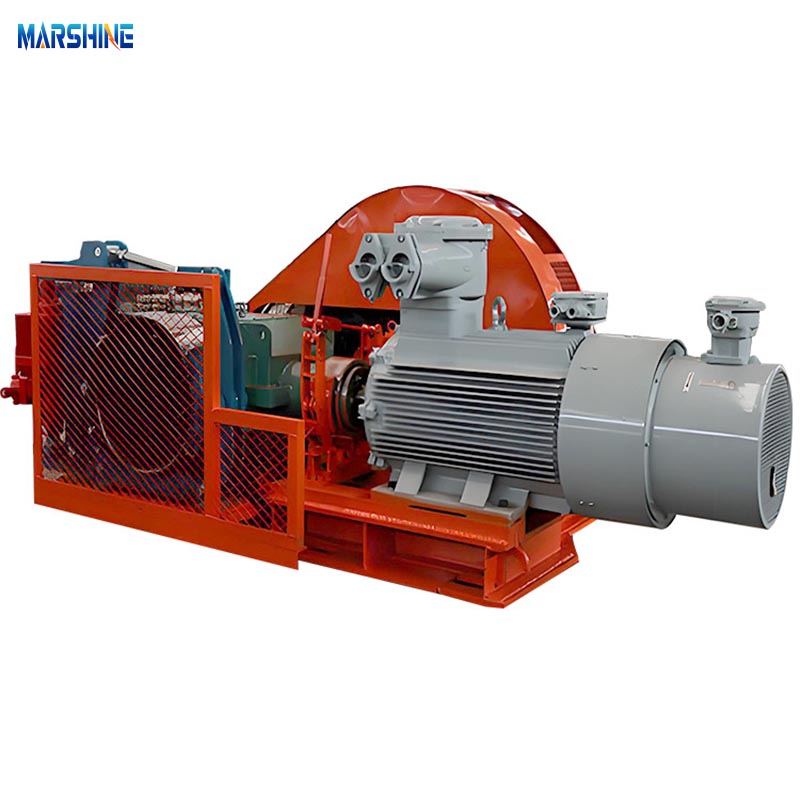
The MARSHINE Portable Capstan Winch AC-2500 Electric Cable Puller is engineered specifically for these conditions. Unlike conventional drum-style winches that require the pulling rope to be wound around a drum, its capstan mechanism transfers pulling force through the rope without requiring the entire rope length to be stored on the machine. This design makes it suitable for long-distance cable pulling where flexible rope lengths are required.
With a maximum pulling capacity of 2,500 kg, the AC-2500 provides substantial pulling force while retaining a relatively compact footprint. Its tubular steel frame, detachable transport wheels, foot-pedal control, electromagnetic safety brake, and automatic overload protection make it practical for professional cable installation teams.
For buyers comparing cable pulling winches, the combination of electric drive, dual-capstan operation, and portable construction makes the AC-2500 particularly relevant to projects where mobility and controlled pulling are equally important.
What Are the Key Specifications of the AC-2500?
Technical specifications should always be evaluated against the cable type, pulling distance, site conditions, and available electrical supply. The following parameters provide a practical starting point for evaluating whether the AC-2500 matches a specific project.
| Parameter | AC-2500 Specification | Practical Significance |
|---|---|---|
| Model | AC-2500 | Identifies the specific electric capstan winch configuration |
| Maximum Pulling Capacity | 2,500 kg | Suitable for demanding cable pulling applications |
| Applicable Cable Diameter | Up to 18 mm rope diameter | Supports commonly used fiber pulling ropes within the rated range |
| Rope Capacity | 50–400 m | Supports medium- and long-distance installation work |
| Approx. Rope Speed | 2.5 m/min | Provides controlled pulling for installation operations |
| Dimensions | 665 × 550 × 400 mm | Compact footprint for easier site transportation and positioning |
| Gross Weight | 80 kg | Designed for relocation between work areas with suitable handling |
| Power Supply | 220 V / 380 V optional | Provides flexibility for different electrical environments |
These specifications should not be considered in isolation. A professional cable installation plan should also account for cable weight, route geometry, friction, bends, pulling distance, anchoring conditions, and the manufacturer's recommended operating procedures.
Which Features Improve Cable Pulling Efficiency?
2,500 kg Maximum Pulling Capacity
The AC-2500 can generate up to 2,500 kg of pulling force, providing the mechanical capacity needed for many power, telecommunications, and fiber-optic cable installation tasks. Selecting a winch with an appropriate capacity helps reduce the need for excessive manual intervention during demanding pulls.
Dual-Capstan Drive System
The dual-capstan configuration gives operators flexibility when different pulling forces or rope speeds are required. This is valuable when project conditions change between cable sections or when different cable weights need to be handled with greater control.
Long-Rope Pulling Capability
Because the capstan mechanism does not depend on winding the complete pulling rope onto a drum, the machine can accommodate rope lengths from approximately 50 to 400 m and potentially longer configurations depending on operating requirements. This is especially useful for extended cable routes.
Electric Induction Motor
The heavy-duty electric motor is available with 220 V or 380 V power options. Compared with fuel-powered equipment, an electric configuration can be advantageous for indoor or enclosed environments where exhaust emissions are undesirable.
Foot-Pedal Operation
A foot switch allows operators to control the pulling process while keeping their hands available for cable positioning and observation. This can improve workflow when precise coordination between the winch operator and cable-handling personnel is required.
Integrated Safety Protection
Safety is particularly important when mechanical equipment is generating substantial pulling force. The AC-2500 incorporates:
- Electromagnetic fail-safe braking for load holding during power loss.
- Automatic overload protection to stop the machine when excessive pulling force is detected.
- Foot-pedal control for convenient operation.
- Reinforced tubular steel construction for job-site durability.
- Detachable wheels and handles for easier transportation.
Efficient Mechanical Transmission
Surface-hardened gears and heavy-duty ball bearings are used to support smooth power transmission and continuous operation. This mechanical configuration is intended to reduce unnecessary transmission losses while supporting reliable performance during repeated cable pulling tasks.
Where Can the AC-2500 Electric Cable Puller Be Used?
The portability and electric configuration of the AC-2500 make it suitable for a broad range of professional cable installation environments. Typical applications include:
- Power cable installation: Pulling cables through prepared routes during electrical infrastructure construction and upgrades.
- Telecommunications projects: Supporting the installation of fiber-optic and communication cables over extended routes.
- Indoor cable installation: Providing a practical solution for factories, commercial buildings, substations, and industrial facilities where combustion-engine equipment may be unsuitable.
- Tunnel projects: Its compact structure can be advantageous in restricted underground working environments.
- Long-distance cable laying: The capstan configuration is useful where the pulling rope needs to extend beyond the storage limitations of conventional drum systems.
- Maintenance and retrofit projects: Portable equipment can be moved between work areas as installation requirements change.
For a project involving long cable routes or restricted working spaces, equipment selection should focus not only on pulling force but also on machine dimensions, power availability, rope compatibility, braking performance, and the overall cable-handling system.
How Should You Select and Operate a Portable Cable Puller?
Choosing a cable pulling machine should begin with the actual installation conditions rather than simply selecting the model with the highest rated capacity. A systematic assessment can help prevent equipment mismatch and unnecessary operating risks.
1. Calculate the Required Pulling Force
Consider cable weight, pulling distance, route friction, bends, elevation changes, conduit conditions, and other resistance factors. The required pulling force should remain within the safe operating limits of the selected equipment and the cable itself.
2. Confirm Rope Compatibility
The pulling rope must be appropriate for the winch, cable load, route length, and expected working conditions. For the AC-2500, the specified applicable rope diameter is up to 18 mm.
3. Check the Electrical Supply
Before operation, verify whether the project site provides a compatible 220 V or 380 V power supply. Electrical connections should be completed according to applicable local safety requirements and manufacturer instructions.
4. Inspect the Installation Route
Remove unnecessary obstacles and confirm that rollers, guides, corners, cable trays, conduits, or other supporting equipment are correctly positioned. A well-prepared route can reduce friction and improve pulling consistency.
5. Use Controlled Pulling Procedures
Operators should avoid sudden loading and monitor the cable, rope, winch, and route throughout the pulling operation. The overload protection system provides an additional safeguard, but it should not replace proper load planning and safe operating practices.
6. Perform Routine Maintenance
- Inspect gears, bearings, brake components, and electrical connections regularly.
- Check the pulling rope for visible wear, deformation, or damage.
- Keep the machine clean and dry when not in use.
- Verify the operation of overload protection and braking systems.
- Follow the manufacturer's maintenance and safety recommendations.
For buyers evaluating different electric cable winch solutions, these considerations provide a useful framework for comparing equipment beyond headline pulling capacity.
Frequently Asked Questions
What is the maximum pulling capacity of the AC-2500?
The AC-2500 has a maximum cable pulling capacity of 2,500 kg. Actual operating requirements should be evaluated according to cable type, route conditions, rope configuration, and applicable safety limits.
What rope length can the AC-2500 handle?
The specified rope capacity is approximately 50–400 m. The capstan design does not require the complete pulling rope to be wound onto a traditional drum, which makes it suitable for long-distance cable pulling applications.
What power supply does the AC-2500 use?
The machine is available with 220 V or 380 V power options. Buyers should confirm the required electrical configuration before placing an order.
Can the AC-2500 be used for fiber-optic cable installation?
Yes. The machine is designed for cable pulling applications including fiber-optic installation, provided that the pulling force, rope configuration, cable manufacturer's limits, and installation conditions are properly matched.
What safety features are included?
The AC-2500 includes an electromagnetic fail-safe brake, automatic overload protection, and foot-pedal control. These features are designed to provide additional control and protection during cable pulling operations.
Is the AC-2500 suitable for indoor projects?
Yes. Its electric drive makes it suitable for various indoor cable installation environments where combustion-engine equipment may be impractical. Site ventilation, electrical safety, route conditions, and applicable regulations should still be considered.
How much does the AC-2500 weigh?
The listed gross weight is approximately 80 kg. The tubular steel frame, handles, and detachable transport wheels help facilitate movement between suitable work areas.
Why Consider the AC-2500 for Your Next Cable Project?
A reliable cable pulling system should balance pulling capacity, operational control, safety, portability, and compatibility with the installation environment. With a 2,500 kg maximum pulling capacity, dual-capstan drive, 50–400 m rope capacity, 220 V/380 V power options, overload protection, electromagnetic braking, and a portable tubular steel frame, the AC-2500 is designed to address many of the practical challenges encountered during professional cable installation.
For utility contractors, telecommunications installers, electrical construction teams, and other professional users, selecting the right equipment at the planning stage can improve installation efficiency while helping protect cables and personnel. If you are comparing specifications, planning a long-distance cable installation, or need guidance on selecting a suitable pulling solution, contact us to discuss your project requirements and receive professional equipment information from MARSHINE.