You have your new MARSHINE 6Ton Manual Chain Lever Block Hoist. This guide gives you easy, step-by-step instructions. You will learn to operate it safely and efficiently. Get ready to lift with confidence!
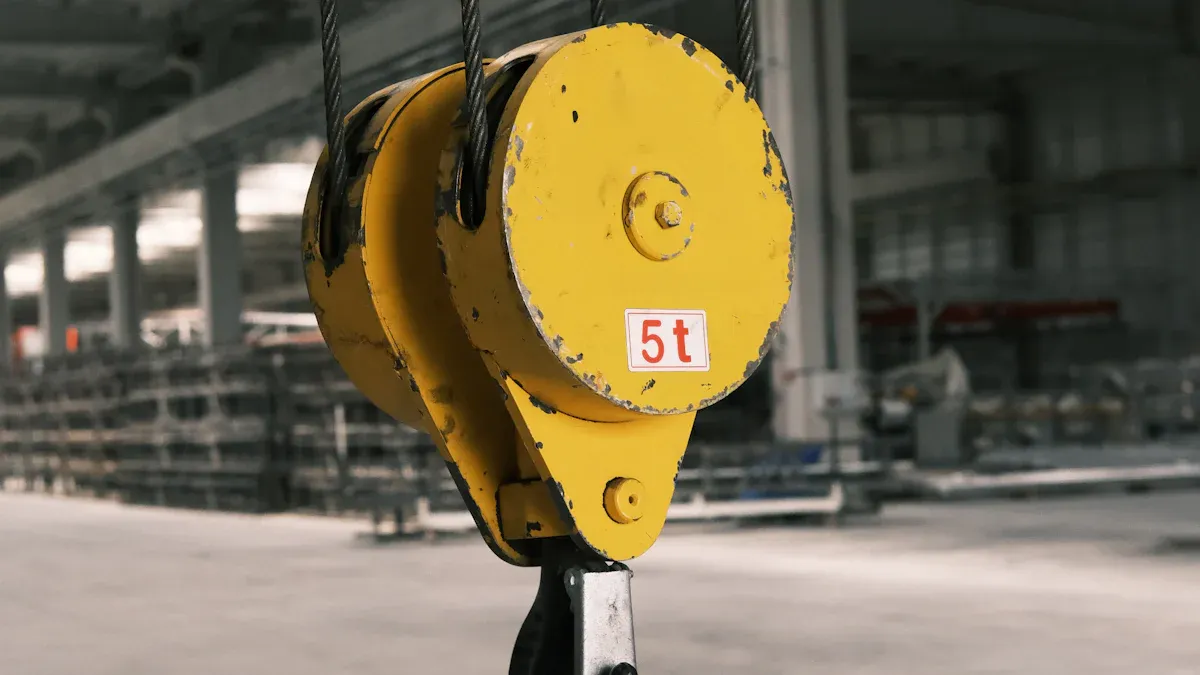
Before you lift anything, you must prepare your hoist. A thorough pre-use inspection is crucial. You need to check several key parts of your MARSHINE 6Ton Manual Chain Lever Block Hoist. Look at the markings and labels; they should be clear and easy to read. Test the hoist controls to make sure the brake works well and holds the load securely. Inspect the hook for any wear, deformation, or cracks. Make sure the safety latch works properly. Examine the chain for excessive wear, twisted links, or damage. It should feed smoothly. Also, check the hoist body and lever for any damage like cracks or bends.
After inspection, think about lubrication. For the gears, use a good quality grease. For the chains, a water-resistant, non-adhesive thin oil works best. This keeps everything moving smoothly and prevents wear.
Next, understand your hoist's load capacity. The manufacturer sets the Safe Working Load (SWL) or Working Load Limit (WLL). This is the maximum weight your hoist can safely lift. Always follow this rating. Exceeding the rated load can cause serious problems. You risk damaging the equipment, like permanent deformation or brake failure. More importantly, it can lead to personal injury or even death. Overloading also voids warranties and can bring legal trouble.
When you set up your hoist, choose a strong, stable anchor point. This point must support the full weight of your intended load. Attach the top hook securely, and always engage the safety latch. Make sure the supporting structure itself can handle the load. Position the hook correctly for even weight distribution.
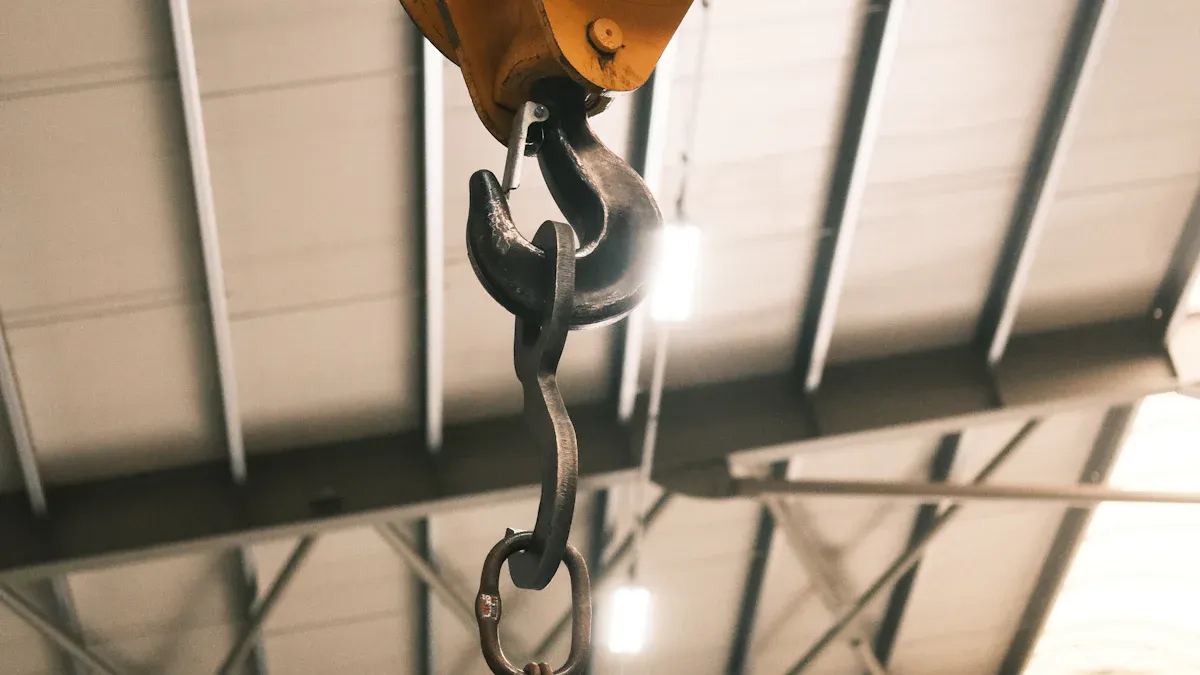
Now that you have prepared your hoist, it is time to put it to work. This section guides you through the actual lifting and lowering process. You will learn how to attach loads, lift them safely, and bring them back down with control.
Proper attachment is the first critical step. You need to connect your hoist to the load securely. The hook at the end of your lever block is for heavy loads. It provides the necessary support. Make sure any support you use fits securely into the hook's seat. It should not push against the hook's point. Always check that the safety latch on the hook works correctly. This latch prevents the load from accidentally slipping off.
Here is how you attach the lifting hook to your load:
Avoid common mistakes when you attach a load. Improper rigging can compromise safety. Always ensure the load is balanced. Use the right rigging hardware. Not all heavy loads are uniform. Some loads might have shifting contents. Others could fall apart. You must consider the load's contents. Stabilize it. Confirm it is suitable for lifting from multiple points. This prevents you from losing control. Also, never use the wrong slings for the job. Incorrect slings can make the whole operation unstable. This puts people and equipment at risk. Always analyze different factors before you pick a sling. Use edge guards to protect slings and make them last longer.
You have attached your load. Now, you are ready to lift. Stand in a stable position. Begin to operate the lever handle. You will feel the load start to rise. Pull the lever in a steady, controlled motion. This engages the internal gears and lifts the chain.
Keep an eye on your load as it lifts. An unbalanced load is dangerous. If the hoist is not directly over the load, it can swing. This swinging load might hit someone. An off-center load also puts extra stress on your hoist. This stress affects the hook, chain, and gears. It shortens the hoist's life. It also increases the chance of a serious failure. You might even see a cracked hoist frame. This damage can happen from extreme side pulls. An unbalanced load also makes slippage more likely. Always center and balance your load when you attach it. For odd-shaped loads, you might need more lifting points or extra rigging. This helps keep things stable.
What if you need to stop lifting mid-way? Your MARSHINE 6Ton Manual Chain Lever Block Hoist has a built-in braking system. When you stop pulling the hand chain, the load's weight tries to reverse the gears. A spring-loaded pawl immediately catches a tooth on the ratchet wheel. This locks the system. It holds the load securely in place. Modern hoists often use a Weston-style brake. This brake uses friction discs. When the load pulls, the ratchet wheel presses friction plates against a brake hub. This creates a strong braking force. If you let go of the hand chain, the brake instantly re-engages. Your load stays put.
Lowering a load requires just as much care as lifting it. To lower the load, you pull the hand chain in the opposite direction. You apply just enough force to overcome the brake's friction. This allows for a controlled descent. Do not rush this process.
Before you start lowering, perform some safety checks:
As you lower the load, keep these points in mind:
Safety is always your top priority when you work with heavy equipment. Following safety precautions protects you and others. It also keeps your MARSHINE 6Ton Manual Chain Lever Block Hoist in good working order.
You must always wear the right personal protective equipment (PPE). This keeps you safe from potential hazards.
Your work area also needs to be safe. You must set up a clear and secure zone around your lifting operation.
Clear communication is very important during lifting. You need to talk to your team. This makes sure everyone knows their role. It also helps you avoid accidents.
Never overload your hoist. You learned about load capacity earlier. Exceeding the rated load can cause serious damage. It can also lead to severe injuries. Always respect the hoist's limits.
Proper maintenance keeps your hoist reliable and safe. You should perform regular checks.
Weekly Checks:
Monthly Checks:
You must also inspect the hoist chain carefully.
Look for specific signs of damage on the chain:
You must know when to remove your hoist from service.
Finally, store your hoist correctly.
Always prioritize safety when you operate your MARSHINE 6Ton Manual Chain Lever Block Hoist. Regular inspections and proper technique ensure efficient, safe lifting. This helps prevent common accidents like dropped goods. Adhering to these guidelines, including manufacturer recommendations, extends your hoist's lifespan. You also prevent accidents and protect your operations.
You should inspect your hoist daily before each use. Also, perform weekly and monthly checks. This ensures safety and extends its lifespan.
No, you should not use your hoist for horizontal pulling. It is designed for vertical lifting only. Horizontal pulling can damage the hoist and cause accidents.
Stop immediately. Do not force the chain. Check for twists, obstructions, or damage. Clear any issues before you try to operate it again.