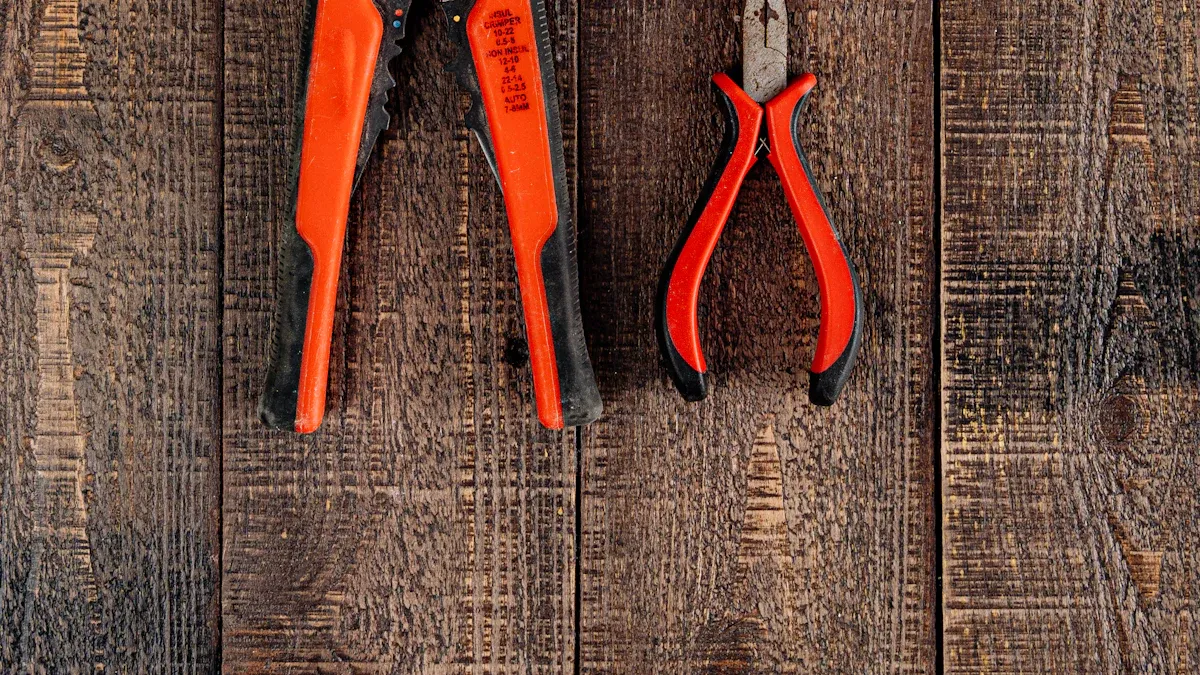
Do you want to prepare wires accurately and safely? This guide helps you master the MARSHINE MS-3 Cable Wire Stripper Peeler Tools. You will learn to achieve precise results for all your projects. Many professionals, like electricians and telecom workers, rely on this tool. Get ready to improve your wiring skills.
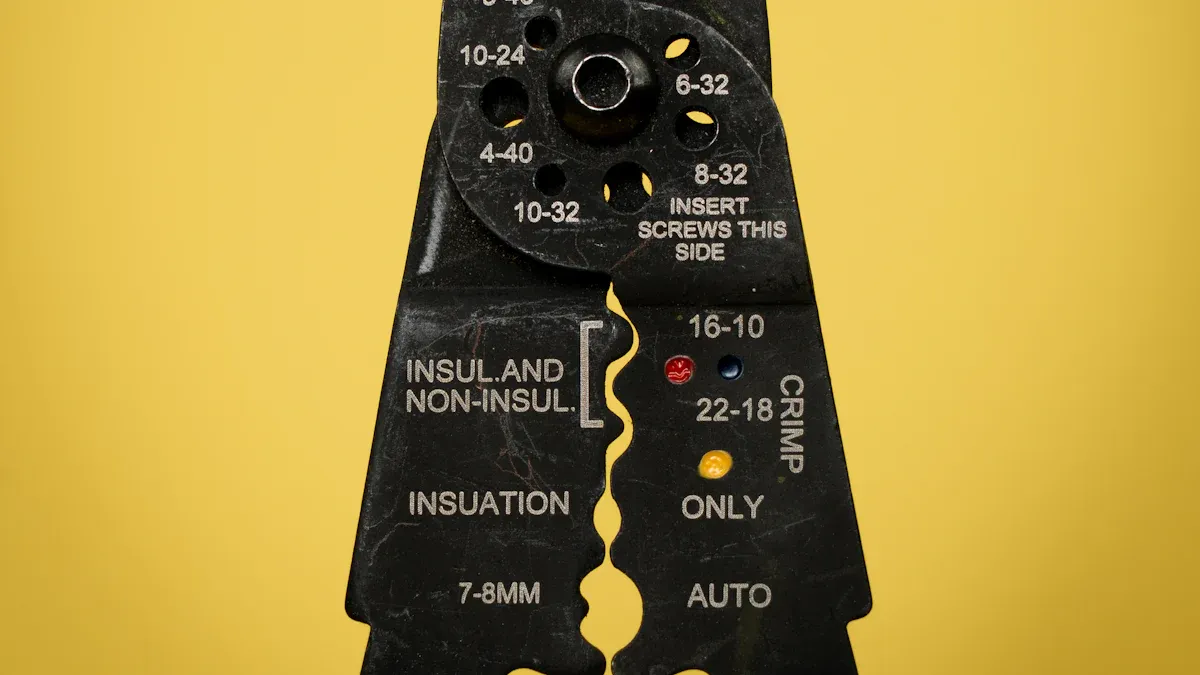
Let's get familiar with your MARSHINE MS-3 Cable Wire Stripper Peeler Tools. Knowing its parts helps you use it right. First, you'll notice the comfortable handles. You squeeze these to operate the tool. At the business end, you have the precision stripping jaws. These jaws are designed to cut through insulation without damaging the wire inside. Look closely, and you'll find an adjustment dial or screw. This crucial part lets you fine-tune the tool for different wire gauges. Some versions also feature a wire stop. This small guide helps you strip the same length of insulation every time. Understanding these components gives you a great start.
Before you start any wiring project, safety is your top priority. You must take a few simple steps. First, always wear safety glasses. Tiny bits of insulation or wire can fly off. Protecting your eyes is non-negotiable. Next, inspect your MARSHINE MS-3 Cable Wire Stripper Peeler Tools. Is it clean? Are the jaws free of debris? A well-maintained tool works better and is safer. If you plan to strip wires connected to power, always, always turn off the power source. This prevents electric shock. Keep your fingers clear of the sharp stripping jaws. They are designed to cut, so be mindful of where your hands are. Stay focused on the job. These precautions help you work safely and efficiently.
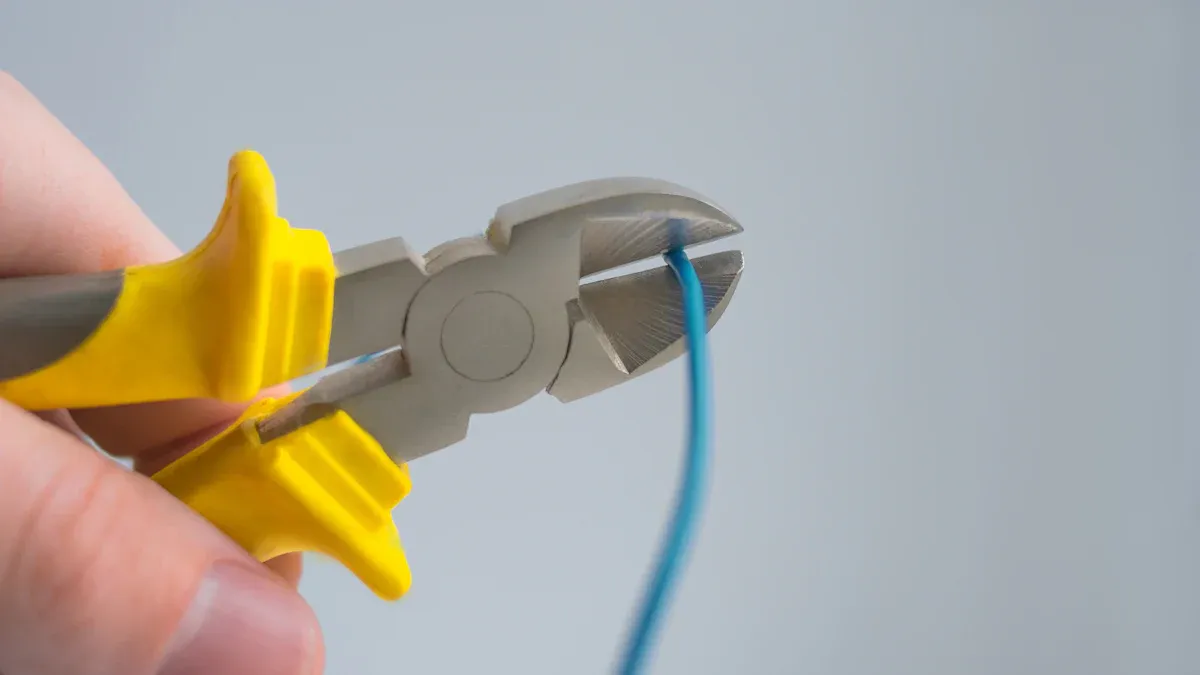
You need to set your tool correctly. Look at the wire you want to strip. It has a specific gauge, like 12 AWG or 14 AWG. Your MARSHINE MS-3 has an adjustment dial or screw. You use this to match the tool to the wire's size. Find the correct setting on the tool. This step is very important. If you set it wrong, you can nick the metal conductor. Nicks can weaken the wire. They can also cause problems later. Improper wire stripping can cause nicks on the metal conductor. This can interrupt connections or lead to short circuits. A proper setting ensures a clean cut. It protects the wire inside.
Now, take the wire. Place it into the jaws of your MARSHINE MS-3. Make sure the wire sits firmly in the correct slot for its gauge. Some tools have a wire stop. This small guide helps you strip the same length every time. Push the wire against this stop. If your tool does not have one, just estimate the length. You want to expose enough metallic core for your connection. For a durable electrical connection, wires must be stripped to expose their metallic core. The length of the stripped wire is subject to code regulations. A consistent strip length helps create a durable electrical connection.
You have the wire in place. Now, firmly squeeze the handles of your MARSHINE MS-3 Cable Wire Stripper Peeler Tools. You will feel the jaws close. They cut through the insulation. Then, they pull it away from the conductor. Apply steady pressure. Do not yank or twist the tool. A smooth, firm squeeze works best. This action separates the insulation from the wire.
As you squeeze and pull, the insulation should slide right off. You will see the bare metal wire. Sometimes, a small piece of insulation might stick. Just gently pull it away. It is important to remove all insulation cleanly. Improperly stripped wire ends can lead to exposed or damaged conductors. This increases electrical resistance. This heightened resistance generates heat. It reduces efficiency. It can also cause failures in electrical circuits. Poorly stripped wires can also result in inadequate contact with connectors. This leads to intermittent connections. You might even get electrical arcing. These issues not only impair device functionality but also pose significant safety hazards.
After stripping, always inspect your work. Look closely at the exposed wire. You want to see a clean, shiny metal conductor. Check for any nicks or cuts on the metal. Even small nicks can weaken the wire. They can interrupt connections. They might even cause short circuits. Make sure the stripped length is correct for your application. A good strip is crucial for safety.
⚠️ Warning: Consequences of Improperly Stripped Wires
- Electrical Fires: Loose or exposed connections can overheat, leading to fires.
- Electrocution Hazards: Poorly secured splices may expose live wires, creating shock risks.
- Voltage Drops and Power Loss: Weak splicing can cause inconsistent power delivery, resulting in appliance malfunctions.
- Code Violations: Many local electrical codes require proper enclosure of splices in junction boxes, which can be violated by improper stripping.
Faulty wiring or connections cause about 34% of electrical fires, as per the NEC. Reports indicate that 60% of electrical failures can be linked to inadequate wire handling, according to the IEC. Your careful inspection prevents these problems.
You want to get the best results from your wire stripper. You also want to fix any problems quickly. This section helps you master your MARSHINE MS-3 Cable Wire Stripper Peeler Tools. You will learn how to make it work perfectly every time.
Wires come with many types of insulation. Your MARSHINE MS-3 handles most of them. Think about PVC, rubber, or even tougher materials like Teflon. Each material has a different hardness. You might need to adjust your tool slightly for each one. Softer insulation, like standard PVC, usually strips easily with the default setting. For harder insulation, you might need to fine-tune the adjustment dial. A slightly tighter setting helps the jaws cut through the tougher material without slipping. Always test on a scrap piece first. This helps you find the perfect setting. You will get a clean strip without damaging the conductor.
You will encounter two main types of wires: multi-strand and solid core. Your MARSHINE MS-3 works well for both. However, you need a slightly different approach. Solid core wires are single, thick pieces of metal. They are quite sturdy. You can usually strip them with a straightforward squeeze. Multi-strand wires contain many thin strands twisted together. They are more flexible but also more delicate. When stripping multi-strand wires, be extra careful. You do not want to cut any of the individual strands. A nicked strand weakens the wire. It can also reduce its current-carrying capacity. Make sure your tool's gauge setting is precise. A slightly looser setting might be better for multi-strand wires to prevent damage. Always check your work closely after stripping.
Consistent strip lengths make your wiring projects look professional. They also ensure better connections. Your MARSHINE MS-3 can help you achieve this. Many models have a built-in wire stop. This small, adjustable guide lets you set the exact length of insulation you want to remove. Simply slide the stop to your desired length. Then, push the wire against it before stripping. If your tool does not have a wire stop, you can use a simple trick. Mark the desired strip length on the wire with a marker. Then, align the jaws of your stripper with that mark. This method helps you get uniform results every time. Consistent strips lead to safer and more reliable electrical work.
Sometimes, you might run into small problems. Do not worry; you can usually fix them easily.
Remember, practice makes perfect. You will quickly learn the best feel for your tool.
Proper care extends the life of your tools. Your MARSHINE MS-3 Cable Wire Stripper Peeler Tools is no different. After each use, take a moment to clean it. Remove any small bits of insulation or wire from the jaws. A small brush or compressed air works well. You can also apply a tiny drop of light machine oil to the pivot points. This keeps the action smooth. Store your tool in a dry place. Keep it away from moisture to prevent rust. A tool bag or a dedicated drawer works great. Proper maintenance ensures your stripper stays sharp and reliable for many years.
You now master the MARSHINE MS-3 Cable Wire Stripper Peeler Tools. This guide helps you work efficiently. You ensure precise and consistent results in all your wiring tasks. Your projects will look professional. You will also have reliable connections.
Match the wire's gauge number to the setting on your MARSHINE MS-3. Always test on a scrap piece first. This prevents wire damage.
Your gauge setting is too tight. Adjust the dial to a slightly larger size. A nicked wire is weak and can cause problems.
Clean your tool after each use. Remove any insulation bits from the jaws. This keeps it working smoothly and extends its life.