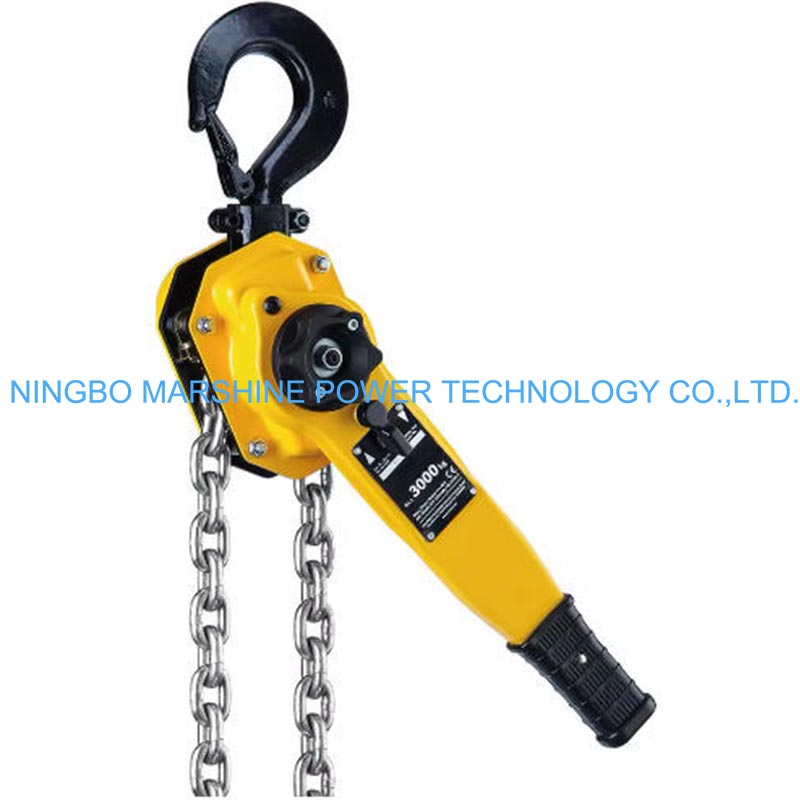
Choosing the right lifting tool is essential. Chain blocks are manual; chain hoists can be manual or powered. This directly impacts your lifting task. The global market for chain blocks, a type of chain block hoist, projects to reach USD 2.1 billion by 2035. Your decision hinges on power source, load capacity, use frequency, portability, and budget. MARSHINE offers many options, including reliable block and chain hoist models.
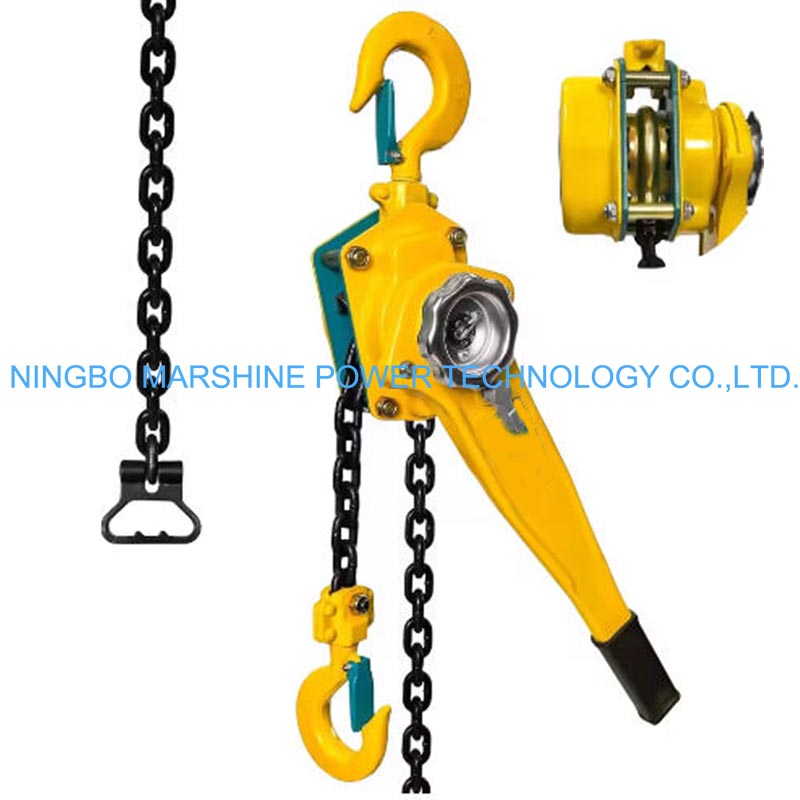
A chain block, often called a hand chain hoist or a manual chain block hoist, is a simple yet powerful lifting device. It allows people to lift very heavy objects with minimal effort. This tool uses a system of chains and gears to multiply the force an operator applies. Key parts of a chain block include:
A chain block operates on the principle of mechanical advantage. This means it trades distance for force. When someone pulls a long length of the hand chain, a shorter length of the load chain moves up. This action greatly magnifies the applied force. Inside, a gear train is the main part for force multiplication. Small, fast gears drive larger gears, which reduces speed but significantly increases the lifting power. A specially designed lift wheel grips the load chain, ensuring the load lifts securely. A self-engaging mechanical brake is a crucial safety feature. It uses the load's own weight to engage, stopping the load from falling when the operator stops pulling.
Chain blocks are incredibly versatile tools found in many industries. On construction sites, workers use them to move heavy machinery and equipment, allowing for precise placement even in tight spots. In automotive shops and workshops, they lift engine parts, press machines, or welding equipment, making repairs much easier. Manufacturing plants and warehouses rely on them for moving large items along assembly lines, transporting raw materials, and loading goods. Shipyards also use chain blocks to lift large components like engine parts or steel plates, especially in confined areas where bigger equipment cannot fit.
Many benefits come with using a chain block. They are very cost-effective, often much cheaper than electric hoists, and do not need external power. This saves money on operational costs. They are also easy to use, requiring little training. Their design is portable and compact, making them simple to move between job sites. For example, a 1-ton model might weigh around 10 kg and stand 30 cm high. Chain blocks offer high load capacities, typically from 0.5 tons up to 20 tons, fitting many different lifting needs. They are durable, made from high-quality steel, and need little maintenance. Safety features like load limiters and brake systems also enhance their reliability.
Despite their many advantages, chain blocks do have some limitations. They are generally slower to operate compared to powered hoists. Since they require manual effort, they are not ideal for repetitive heavy lifts or continuous industrial cycles. They are also limited to vertical lifting only. Users must always pay attention to the Safe Working Load (SWL) to avoid overloading the device, which can be a risk.
Chain blocks come in various sizes and capacities to suit different tasks. They can lift loads up to 50 tons. Most manual chain block hoists have a standard lift height of about 10 feet (3 meters). This makes them suitable for a wide range of overhead lifting applications where precise manual control is important.
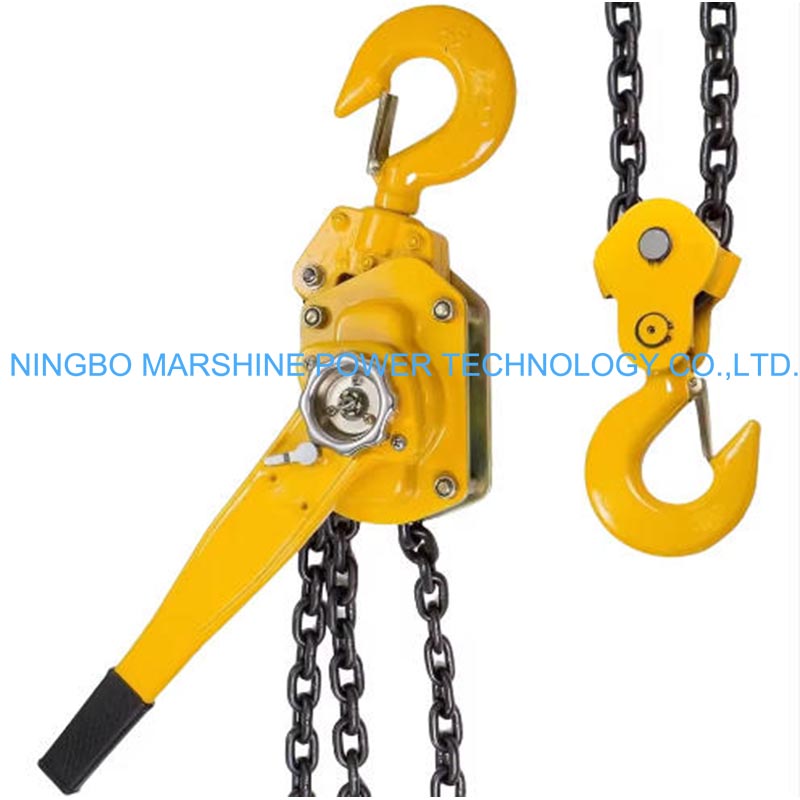
A chain hoist is a mechanical device that lifts and lowers heavy loads using a chain. It can be manual or powered, offering more options than a simple chain block. A chain hoist has several key parts. It includes a motor, which is the main power source for powered versions. A strong chain, usually made of high-strength alloy steel, connects to the load hook. This hook directly holds the item you want to lift and often has a safety latch. The hoist body or frame houses all the internal parts, like the gearbox, which helps reduce motor speed and increase lifting power. A brake mechanism keeps the load safely in place. For control, you might use a push-button pendant or a remote control. Limit switches are also important safety features; they stop the hook from traveling too far. MARSHINE offers robust chain hoists with all these essential components.
Manual chain hoists work much like chain blocks. You pull a hand chain to lift the load. They are simple, reliable, and do not need electricity. This makes them great for places without power or for occasional lifting tasks. They offer precise control, which is good for careful positioning.
Electric chain hoists use an electric motor to lift loads. This makes lifting much faster and easier. They come in different speeds. Single-speed hoists offer one fixed lifting speed, typically 8 to 16 feet per minute, good for general tasks. Dual-speed hoists give you two speeds: a fast one for moving and a slow one for precise placement. VFD-controlled hoists offer smooth, gradual movement, perfect for fragile items. Power requirements vary; smaller hoists might use 120 volts, while heavier ones often need 230 or 460 volts. MARSHINE provides electric chain hoists designed for various power supplies and lifting speeds.
Chain hoists are very useful in many settings. In automotive shops, mechanics use them to lift heavy engines or transmissions. Warehouses use electric chain hoists for frequent lifting, moving heavy items, or breaking down pallets, especially where forklifts cannot go. They are also common in logistics centers and production lines for handling large, heavy goods.
Chain hoists offer many benefits, especially for repetitive lifting. They provide strong lifting capacity and modern safety features. Their motorized action reduces effort and speeds up tasks, which is great for jobs needing steady output. They are also durable and need little maintenance, helping to lower running costs. They allow precise load control, which is crucial for tasks like machinery assembly.
Despite their advantages, chain hoists have some limits. Manual hoists are slow and need physical effort, which can cause fatigue. Electric hoists can be noisy, sometimes exceeding 85 decibels. While they lift up to 20 tons, they might not suit the heaviest tasks compared to wire rope hoists. Also, fixing electrical or mechanical issues often needs special knowledge.
Chain hoists have specific classifications for their duty cycles, like ASME H1 to H5. H1 is for light use, like installation, while H5 is for almost continuous operation, such as in steel mills. For example, an H3 classification means general machining with loads distributed randomly and running up to 25% of the work period. MARSHINE ensures its chain hoists meet these industry standards for various applications.
The most significant difference between a chain block and a chain hoist lies in their power source and how they operate. A chain block, often called a manual chain block hoist, relies entirely on human power. An operator pulls a hand chain, which engages a gear system to lift the load. This manual operation means they do not need electricity or any external power source. Conversely, chain hoists offer more flexibility. They can be manual, working much like a chain block, or electric. Electric chain hoists use a motor to power the lifting mechanism. This motor does all the heavy work, making the lifting process much less strenuous for the operator. The choice between manual and powered operation directly impacts the effort required and the speed of the lift.
Both chain blocks and chain hoists can handle substantial loads, but their lifting speeds differ greatly. A manual chain block hoist can lift heavy items, often up to 20 tons or more, but the lifting speed depends on the operator's strength and endurance. This makes them slower for repetitive tasks or long lifts. Electric chain hoists, however, offer much faster lifting speeds. They can lift loads quickly and consistently, regardless of the operator's physical condition. Many electric models also feature variable speed controls, allowing for precise positioning at slower speeds and rapid lifting for general movement. This speed advantage makes electric chain hoists ideal for environments where efficiency and throughput are critical.
Portability and installation requirements also set these devices apart. Chain blocks are highly portable. They are generally lighter than electric hoists and do not need a power outlet. Workers can easily move a chain block from one location to another, making it perfect for temporary setups or job sites without readily available electricity. Installation is straightforward; you simply hang it from a suitable support structure. Electric chain hoists, on the other hand, are typically heavier due especially to their motors. They require access to an electrical power supply, which might involve installing dedicated wiring or ensuring proper voltage. This makes them less portable and more suited for fixed installations or areas with consistent power access.
Safety is paramount for any lifting equipment. Both chain blocks and chain hoists incorporate essential safety features. They both include automatic brakes that securely hold the load in place, preventing accidental drops. Overload protection mechanisms are also common, stopping the hoist if the load exceeds its rated capacity. Manufacturers ensure proper markings and labels, clearly displaying the rated capacity, manufacturer information, and safety warnings. Responsive and clearly marked controls are vital for safe operation. Operators must always ensure hooks are free from wear, deformation, or cracks, and that safety latches function correctly. Chains must also be free from excessive wear or damage and feed smoothly into sprockets.
Industry standards like ASME B30.21 for lever hoists, OSHA regulations, and ANSI standards provide guidelines for the construction, inspection, testing, and maintenance of these devices. These standards help ensure reliability and safety. When using any lifting equipment, always verify the load weight before lifting and securely attach the load using appropriate rigging techniques. Ensure the hook latch is closed and locked during operation. Maintenance for chain blocks is generally simpler due to fewer moving parts and no electrical components. Electric chain hoists require more specialized maintenance for their motors, electrical systems, and gearboxes.
Cost is a significant factor in choosing lifting equipment. Chain blocks typically have a much lower initial purchase price compared to electric chain hoists. They also incur no ongoing electricity costs, making them very economical to operate over time. Their simpler design often translates to lower maintenance expenses. Electric chain hoists represent a larger upfront investment. They also have ongoing operational costs related to electricity consumption. While their maintenance can be more complex and potentially more expensive, the increased speed and efficiency they offer can lead to long-term savings in labor and productivity, especially in high-volume operations.
The environment where you plan to use the lifting equipment plays a crucial role in your decision. Chain blocks excel in challenging environments. They do not have electrical components, so they produce no sparks. This makes them a safe choice for areas with flammable gases or dust, where electrical equipment could pose a hazard. Users particularly value the lack of electrical hazards near flammable materials. Chain blocks also offer zero energy consumption, minimal maintenance requirements, and resistance to dust and moisture in harsh worksites. Recent innovations, such as corrosion-resistant coatings and ergonomic handles, have expanded their usability in marine and chemical environments. Their mechanical simplicity ensures reliability during power outages, a critical factor for emergency response teams. While some electric hoists are rated for specific harsh conditions, standard electric models require a stable, clean power supply and might not be suitable for extremely dusty, wet, or hazardous locations.
Choosing the right lifting equipment makes a big difference. It affects safety, efficiency, and your budget. Consider several key factors before you make a decision.
First, think about what you need to lift. How heavy are your loads? How often will you lift them? Manual chain hoists typically handle loads from 0.5 to 20 tons. Electric chain hoists offer more power. They can lift items from 0.125 tons to over 50 tons. Some special models even lift up to 100 tons.
It is smart to pick a hoist with a slightly higher capacity than your heaviest load. This ensures safe operation. It also prepares you for any future needs. Always check that your chain hoist meets industry standards. For example, look for ASME B30.16 for overhead hoists or ISO 9001 for quality. Quality hoists include built-in safety features. These include overload protection and limit switches. They stop the hoist from lifting more than its rated capacity. Regularly inspect and test these features. This maintains lifting capacity and prevents accidents. Remember, rigging like wire ropes and hooks often needs a safety factor of 4-5 times the load. Cranes might have a lower factor, around 1.5-2.5 times the load. For general workshop hoists, a design to 4 times the load is common.
Your work environment greatly influences your choice. Is the area hazardous? Lifting equipment in places with flammable gases or dust must meet strict standards. These standards ensure mechanical spark resistance for parts like load blocks, hooks, and chains. Corrosion resistance is also vital in harsh outdoor settings. Think about offshore oil platforms or refineries. Equipment there faces salt spray and corrosive chemicals. Non-sparking materials like copper or bronze are often used for components in these areas. This prevents sparks that could ignite flammable atmospheres.
Consider if you work indoors or outdoors. Indoor spaces are more controlled. However, you still need to think about floor types. Outdoor operations expose equipment to rain, sunlight, and wind. Equipment needs weather-resistant coatings or galvanization. Electrical parts for outdoor use need proper Ingress Protection (IP) ratings. Also, check your space. Headroom, the vertical distance to obstructions, might require low-headroom hoists. Narrow aisles might need compact solutions. For extreme conditions like damp mines or high-temperature foundries, specialized equipment is necessary. This includes sealed motors or explosion-proof hoists. MARSHINE offers a range of tools designed for various challenging environments.
The initial price of a hoist is just one part of the cost. You should think about the Total Cost of Ownership (TCO) over its lifespan. This includes the purchase price, maintenance, and energy costs. For example, an electric hoist might cost $1,000 per year in maintenance over 10 years. It could also use $1,000 per year in energy if it makes 1,000 lifts annually. Hoists usually last 10 to 20 years. Summing these costs gives you the TCO.
Investing in quality hoists can save money in the long run. Durable hoists, like those from MARSHINE, need fewer repairs and last longer. Better-built components mean less frequent servicing. Modern electric hoists are also more energy-efficient. They often use Variable Frequency Drives (VFDs). These adjust speed based on the load, reducing electricity use. Upgrading older hoists can also save energy and improve safety. If an old hoist is beyond repair, a new, efficient model offers better long-term value. It provides lower maintenance, better productivity, and improved safety features. The operating environment also affects energy use. Extreme temperatures or dusty conditions can increase friction and energy consumption. Regular maintenance specific to your environment helps preserve efficiency.
How quickly do you need to lift things? How important is it to move items fast? Manual chain blocks are reliable, but they rely on human effort. This means they lift slower. If you have many lifts to do or need to move items quickly, an electric chain hoist is usually a better choice. Electric hoists lift loads much faster and more consistently. They reduce the physical strain on workers. This leads to higher productivity and efficiency in busy workplaces. For tasks requiring continuous operation, the speed of an electric hoist can significantly cut down on project times.
Some lifting tasks require very careful placement. For delicate items or precise assembly, control is key. Manual chain blocks offer good control because you directly manage the lifting speed. However, for even finer adjustments, other systems excel. Pneumatic systems use compressed air for smooth, precise movements. They are great for delicate handling. Hydraulic systems also provide very precise control. They allow for variable speed, making movements gradual and smooth. This is valuable for sensitive or fragile loads.
Modern electric lifting systems often feature automated controls and adjustable speeds. Robotic lifting systems are programmable for extreme precision. Specialized rigging equipment, like turnbuckles, helps fine-tune tension for exact load control. Load indicators give real-time feedback on weight. This helps operators stay within safe limits. When precision is critical, choosing a system with advanced control mechanisms ensures safety and accuracy.
Standard lifting equipment does not always fit every job. Some environments demand specialized solutions. For example, low headroom environments, like basements or shipping containers, need specialized 'low headroom' hoists. These hoists run parallel to the beam, reducing vertical space needed. Outdoor and marine applications require galvanized or stainless steel chains and weatherproofing. This protects against rust and corrosion. Hazardous locations, such as petrochemical plants, use explosion-proof or spark-resistant hoists. These feature non-ferrous metals and sealed motor enclosures. Clean room environments, like those in electronics manufacturing, need hoists that do not shed particles. These hoists often have stainless steel construction and food-grade lubricants. For unique load shapes, specialized lifting clamps, like plate clamps or drum lifters, become necessary.
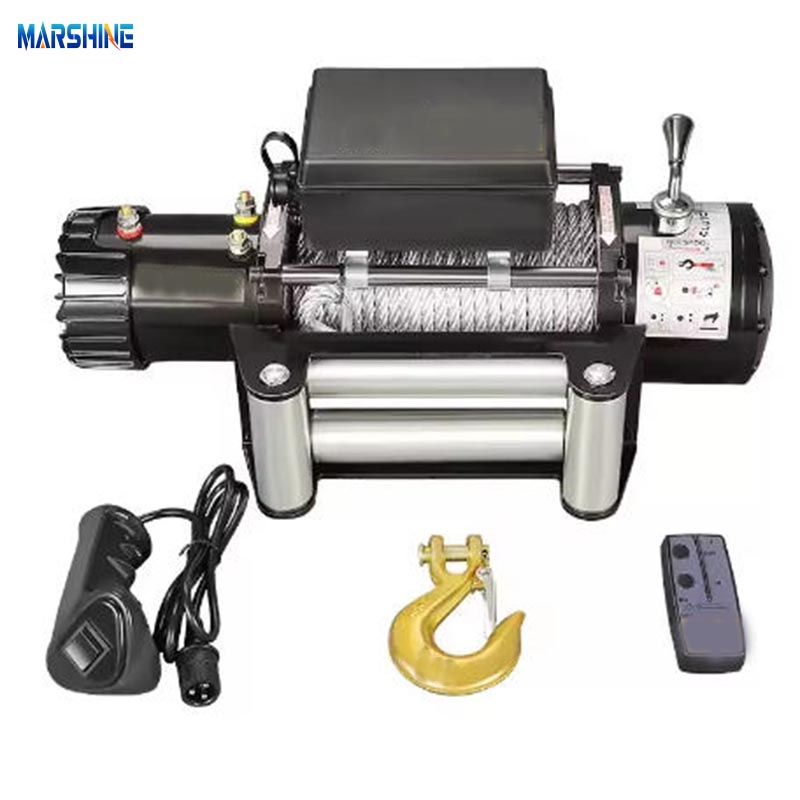
Lifting technology constantly evolves. Advanced smart lifting systems now use sophisticated sensors. These sensors track load weights and movement behaviors in real-time. Artificial intelligence (AI) suggests optimal lifting paths. It also automatically prevents dangerous operations. Telescopic systems adjust range and capability for specific jobs. Built-in cameras enhance operator visibility. These innovations collectively improve safety and efficiency. They also minimize human error. Sustainability is another key trend. New equipment prioritizes recyclable materials and energy-efficient motors. This reduces carbon footprints. Smart hoists now include load-sensing technology and remote operation capabilities. Electric winches offer variable speed control and wireless operation.
Safety is paramount in lifting operations. OSHA 1917.42(h) outlines requirements for chains and chain slings. Manufacturers' ratings for safe working loads must always be available and followed. If not, ANSI B30.9-1971 tables provide guidance. Proof coil steel chain is not recommended for slinging. Sling chains need daily visual inspections for defects. They also require quarterly thorough inspections for wear or deformation. Chains must be removed from service if they show excessive wear or stretch. Only designated persons can inspect chains. Repairs must happen under qualified supervision. Repaired chains must be proof-tested.
Regular chain inspections are critical. They ensure structural integrity, minimizing failure risks. Inspections identify issues early, preventing costly downtime. They also help identify wear or damage, extending equipment lifespan. This ensures compliance with industry regulations. During inspection, look for stretched, bent, or gouged links. Check for weld spatter or heat damage. Discoloration indicates high temperatures, which affect chain strength. Worn links show excessive material diameter reduction. Keeping loads within ratings helps prolong chain life.
The future of lifting equipment looks smart and sustainable. Advanced smart lifting systems will become more common. They will feature AI for optimal lifting paths and automated safety. Sustainability will drive design choices, focusing on eco-friendly materials and energy efficiency. Smart hoists will continue to evolve with enhanced safety features and user interfaces. They will offer more precise control and remote operation. MARSHINE continues to develop and innovate advanced, safe, and easy-to-handle products. They meet these evolving industry demands.
Choosing the right lifting tool ensures both efficiency and safety. Consider key factors like power, capacity, frequency of use, portability, and budget. MARSHINE provides diverse, reliable options for every need. Prioritizing safety and understanding a tool's limitations are always paramount for successful operations. 🛠️
Chain blocks use manual power. An operator pulls a hand chain. Electric chain hoists use a motor. This makes electric hoists faster and easier to operate. MARSHINE offers both reliable types.
Choose a manual chain block for occasional lifts or places without power. They are portable and cost-effective. MARSHINE chain blocks are durable and reliable for many tasks.
Electric chain hoists offer speed and reduce physical effort. They are great for frequent lifting. MARSHINE electric hoists have strong lifting capacity and modern safety features. 🚀