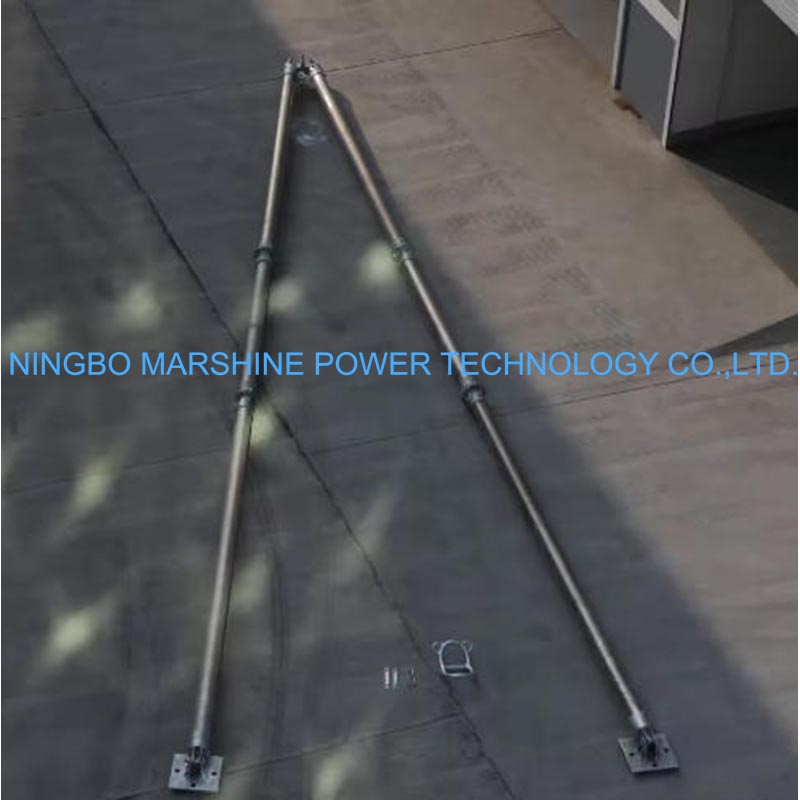
Understanding a gin pole's purpose is crucial for safe, efficient heavy lifting operations. This knowledge significantly enhances operational capabilities, helping professionals solve challenging lifting scenarios. Mastering gin pole principles is vital for those in relevant fields, ensuring both efficiency and safety. MARSHINE, a trusted manufacturer, provides quality tools, including a robust gin pole for sale, supporting these critical applications.
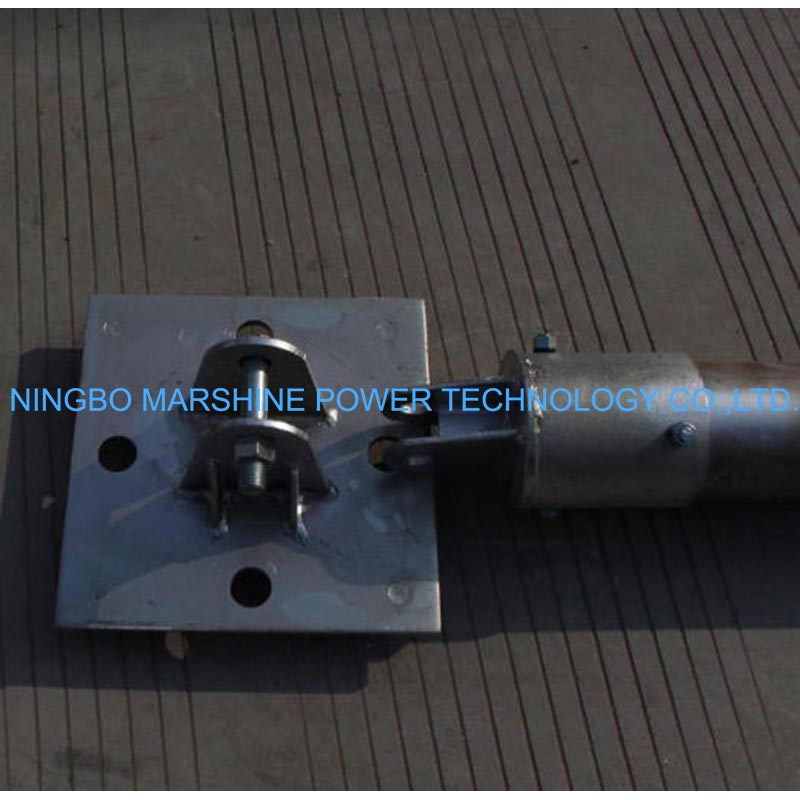
A gin pole is a simple yet powerful lifting device. It essentially works as a pivoting mast, often called a boom or spar. This mast stands upright, supported by strong guy-wires. At its top, a pulley or a block and tackle system is attached. This system allows workers to lift heavy loads. The pole's bottom end is usually braced or placed into a shallow hole for stability. Three or more guy wires secure the pole, keeping it steady during operations.
The main pole itself is crucial. It determines the strength and weight capacity of the entire setup. Often, it is a steel cylinder, but some use high-strength aluminum alloy tubes or even white spruce poles. Its length is important because it needs to attach to the structure and position the pulley correctly.
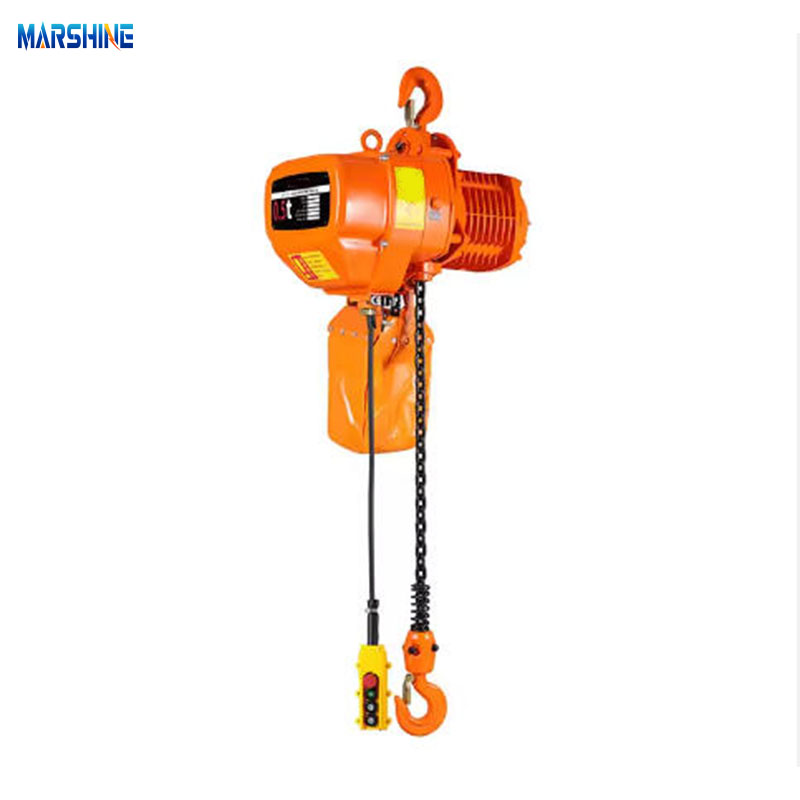
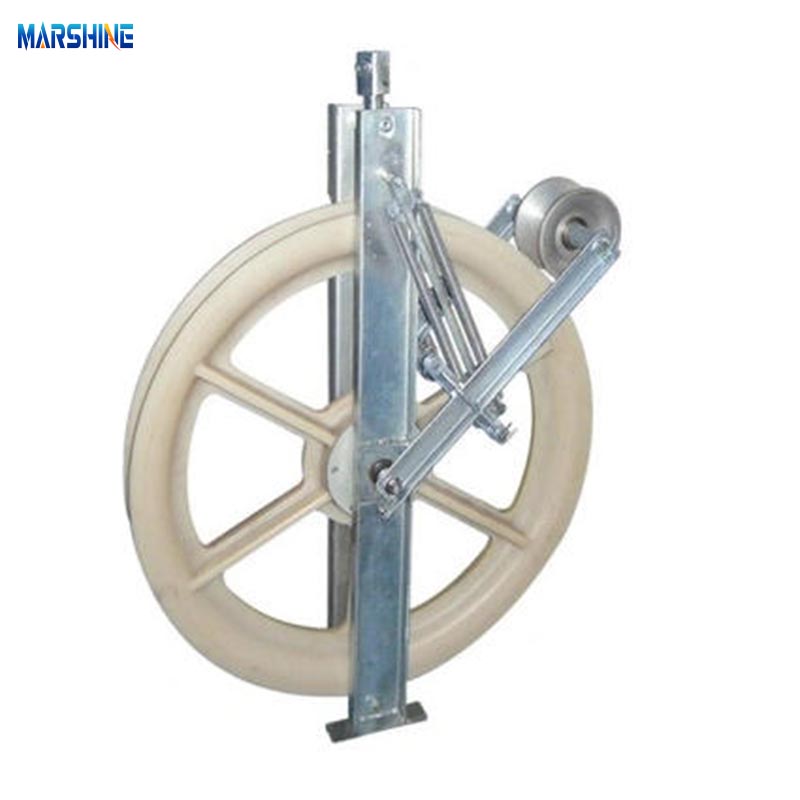
Here are some key components that make up a gin pole system:
Other vital parts include:
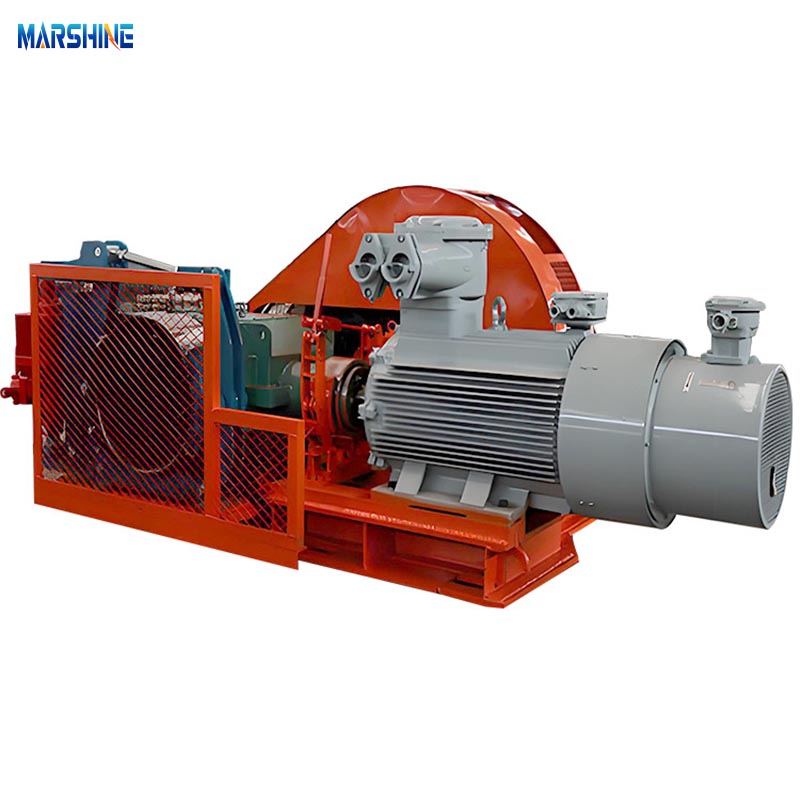
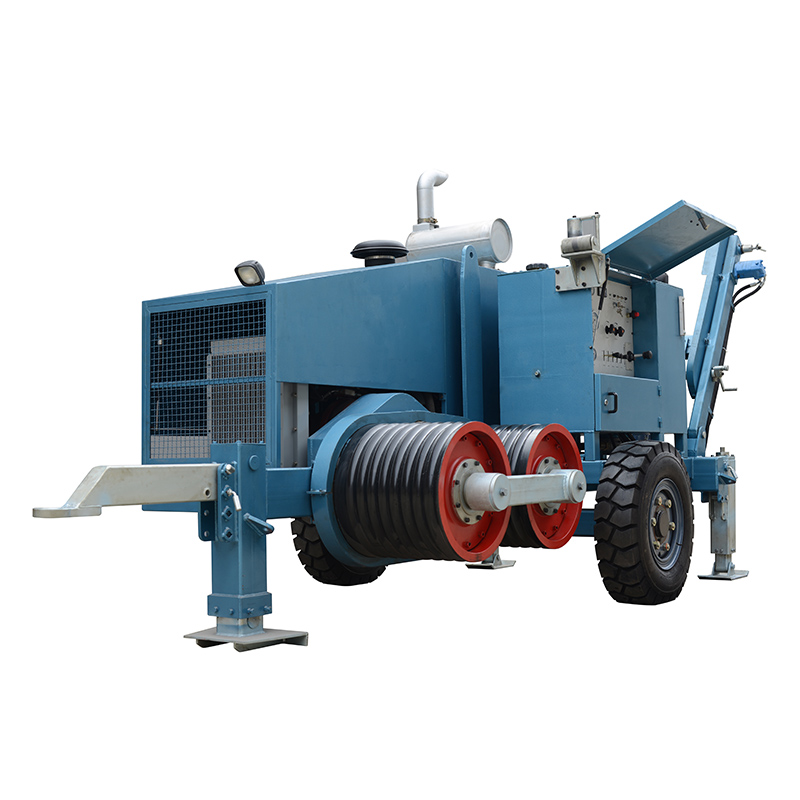
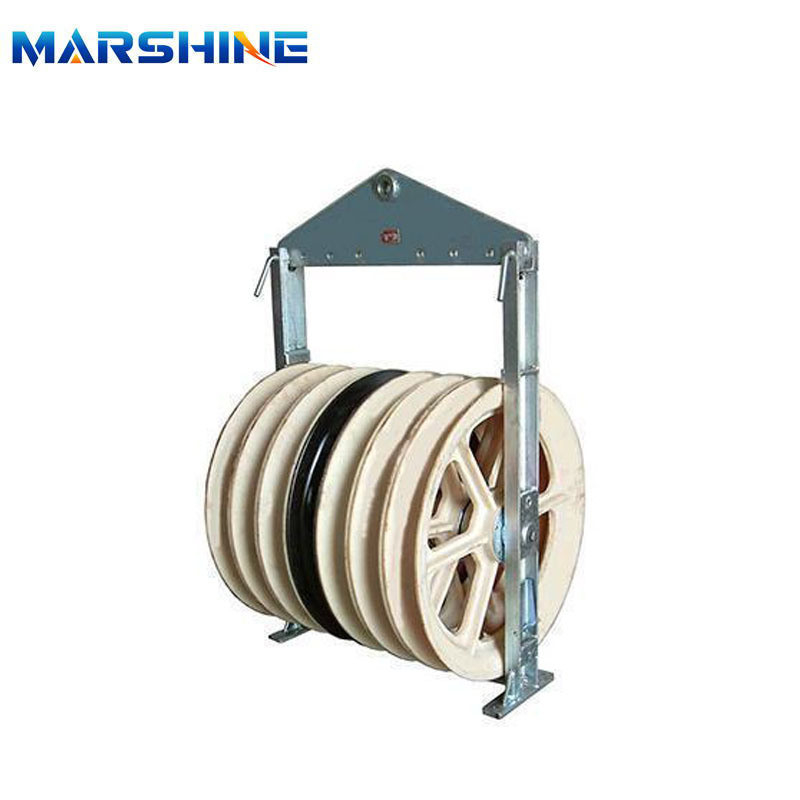
The basic function of a gin pole is to provide a stable, elevated point for lifting heavy objects. Workers set up the pole, secure it with guy wires, and attach the pulley system. They then run a load line through the pulley. A hoist or winch pulls this line, lifting the load. The roosterhead at the top allows for precise positioning of the load. Tag lines help guide the load safely. This simple setup makes it very effective for various lifting tasks. MARSHINE offers a robust gin pole, designed for reliability and ease of use in these operations.
People often see the gin pole as a primitive crane or a fundamental lifting device. Its design is straightforward, yet it performs complex lifting tasks. Historically, people used gin poles for many significant construction projects.
Consider these examples of its use:
Despite its simple appearance, a gin pole can handle impressive weights. For instance:
| Gin Pole Type | Maximum Lifting Capacity |
|---|---|
| Matt's Arm | Up to 1,600 pounds |
| Inner-suspended lattice gin poles | 5-20 metric tons |
These examples show the gin pole's enduring utility and strength, even in modern times.
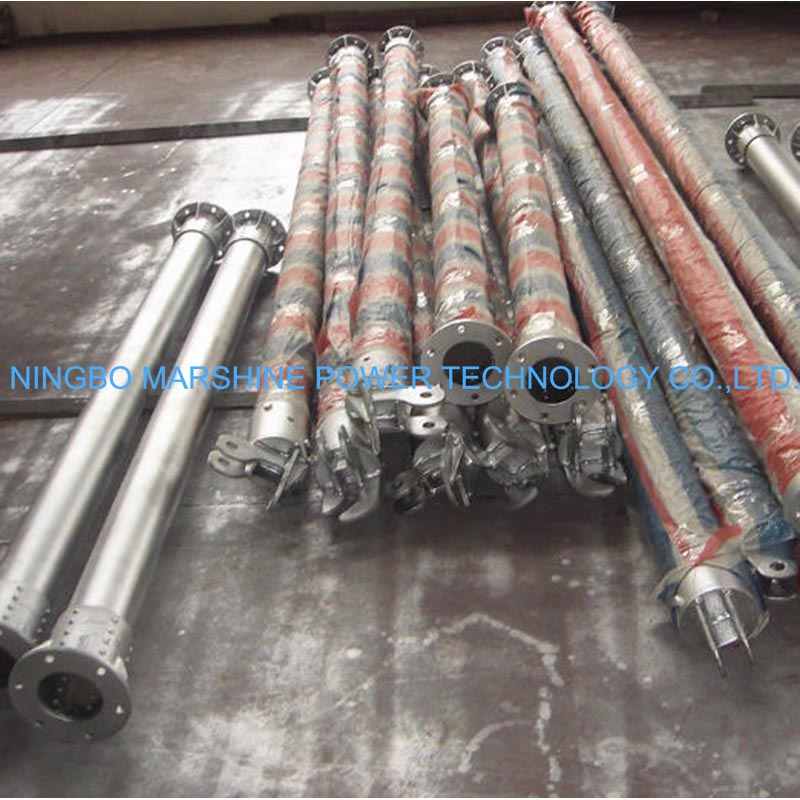
Gin poles are incredibly versatile tools. They find use in many different industries. Their simple design allows them to perform complex lifting tasks. This makes them essential for various specialized operations.
Gin poles play a critical role in building and maintaining towers. Workers use them for overhead power line construction. They also help with material lifting. MARSHINE provides high-quality tools, including gin poles, that support these demanding tasks.
Consider the specific steps for erecting tower sections:
For guyed towers, workers rig the gin pole to the highest point of the tower. This is just above its midpoint. This allows slightly less than half of its height to extend beyond the tower top. This extended height, called cantilever or 'head-room,' must be enough to hoist and place a new section. A typical section is 20 feet high. It goes above the tower's highest point. As the tower gets taller, the cantilever shrinks. This means workers must raise the gin pole again. This ensures enough cantilever for continued stacking. Also, guy wires at intermediate levels must be secure and properly tensioned. This happens before proceeding with erection. Temporary guys may also be necessary. This depends on the structure's weight and design.
Gin poles are common for many types of towers:
Tower climbers frequently use gin poles. They build and maintain telecom towers. They also install stacked tower sections. They haul other items up on a tower.
Gin poles excel at heavy lifting in tight areas. Large cranes often cannot fit into these confined spaces. The gin pole's compact design and maneuverability make it ideal. Workers can set it up in small footprints. This allows them to lift heavy components where other equipment fails. Its ability to operate vertically without a large swing radius is a huge advantage. This makes it perfect for urban construction sites or inside industrial facilities.
Remote sites and oilfields present unique challenges. They often lack easy access and heavy equipment. The gin pole's portability makes it a perfect solution.
Here is why it works so well:
For backcountry rescue, where weight and portability are critical, gin poles are designed for this. They focus on minimalism and efficiency. This makes them well-suited for long hikes and remote operations. Their lightweight construction ensures easier transport over long distances. They simplify setup due to their fixed height. This speeds up deployment. In oilfields, workers use gin poles for lifting pipes, equipment, and structural components. They often operate in harsh, isolated conditions. The gin pole provides a reliable lifting solution without needing extensive infrastructure.
Gin poles offer significant financial benefits compared to larger, more complex cranes. They have a relatively low acquisition cost. This makes them an attractive option for many projects. For specific tasks, like offshore disassembly, they reduce expenses by eliminating the need for large crane vessels. Their design also allows for easy movement. This portability makes them highly maneuverable in tight spaces or remote locations. MARSHINE provides durable and reliable tools, including gin poles, which further enhance cost-effectiveness through their long lifespan and consistent performance.
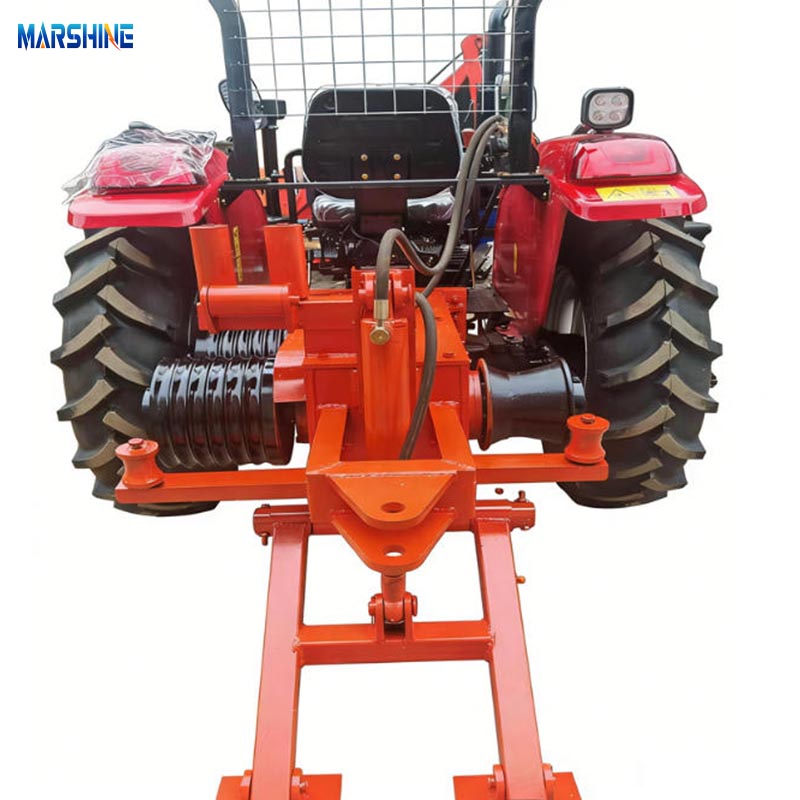
| Feature | Gin Pole (Tractor-mounted) |
|---|---|
| Acquisition Cost | Relatively low |
| Lifting Capacity | Significantly increased |
| Portability | Portable and easily maneuverable |
| Reach | Limited compared to larger cranes |
| Suitability | Versatile for various farm tasks, not suitable for all lifting situations |
| Setup/Operation | Requires careful setup and operation, proper training and understanding for safe operation |
Workers appreciate the straightforward setup of a gin pole. Its design allows for quick deployment, which saves valuable time on job sites. This simplicity means teams can get to work faster, especially in situations where complex machinery would cause delays. MARSHINE designs its tools for user-friendliness, ensuring efficient setup and operation for professionals.
Safety is paramount when operating any lifting equipment, including a gin pole. Employers must ensure a qualified person conducts a documented annual inspection. Before each use, a competent person visually inspects the gin pole and rigging. They ensure everything is in safe operating condition. Any identified issues require repair before continued use.
Employers shall maintain at the work site the operating manual developed by the manufacturer for the specific make and model hoist being used, as well as documentation for any inspection, testing, and operator training certification required by the rules in this Section.
Before starting a lift, critical safety checks are essential:
These practices ensure safe and successful operations.
Understanding a gin pole's purpose is crucial for efficient and safe operations in many environments. Mastering its principles expands professional capabilities and helps solve complex lifting tasks. Proper knowledge ensures successful project execution and adherence to safety standards. MARSHINE provides reliable tools, supporting these critical operations with quality and performance.
A gin pole is simpler and more portable than a crane. It uses a single mast and guy wires. This makes it ideal for tight spaces and remote areas. MARSHINE's gin poles are compact and easy to transport.
Yes, gin poles are safe when workers follow proper procedures. They need training and regular inspections. MARSHINE designs its gin poles for reliability and safety. They meet high-quality standards.
Gin poles excel in confined spaces, remote sites, and tower erection. They are cost-effective and easy to deploy. MARSHINE's tools support these challenging operations with high technology and reliable quality.