

Cable pulling often comes down to control: too little tension slows the job, while too much can damage conductors, overload anchors, or create unsafe rigging conditions. A mechanical chain hoist gives crews a practical way to apply steady, incremental force when positioning heavy aerial or underground cables, especially where fine adjustment matters more than speed. Used correctly, it can reduce manual strain, shorten tensioning cycles, and limit expensive rework. This article explains where chain hoists fit in cable installation, what safety limits and specifications matter, and how they work alongside cable winches, stringing blocks, pulleys, and come-along clamps to create a safer, more efficient pulling setup.
Why Mechanical Chain Hoists Improve Jobsite Economics
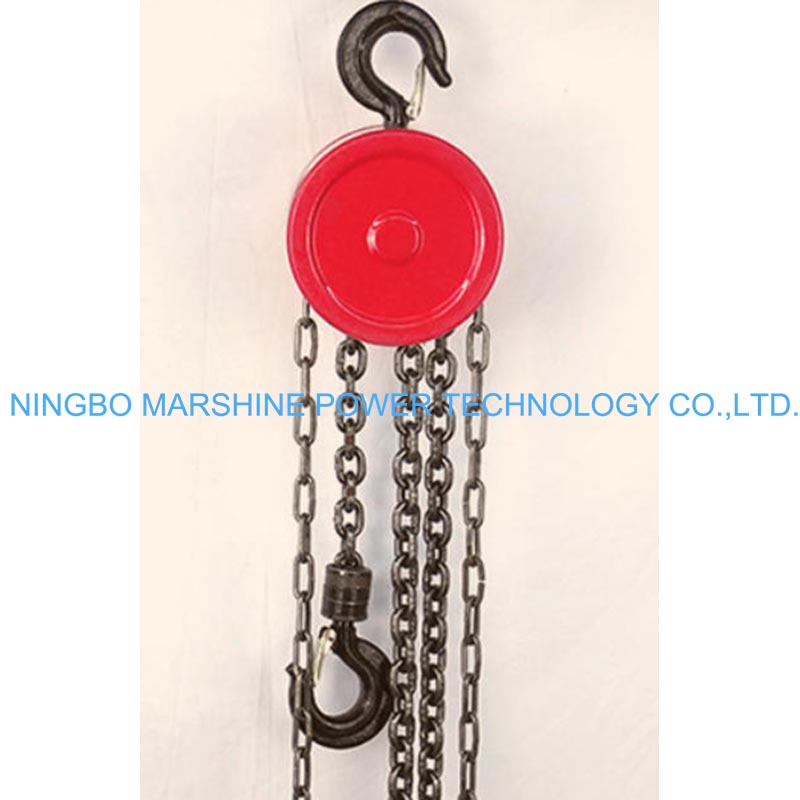
While mechanical chain hoists are designed primarily for vertical lifting, they are highly effective for the secondary application of safe, limited-use cable tensioning. When installing heavy aerial or underground cables, crews constantly face the challenges of precise alignment and controlled movement. A mechanical chain hoist solves these problems by providing micro-adjustments that prevent damage to delicate conductors. This improves jobsite economics through concrete benefits: fewer crew members are needed for manual tensioning, faster tensioning cycles speed up the workflow, and precise control drastically reduces costly rework. To survive harsh environments, these hoists feature rugged enclosures that protect internal gears from dust and moisture, alongside durable alloy steel load chains, sealed bearings, and anti-corrosion coatings. Consolidating these reliable design choices into a single piece of equipment ensures less downtime for maintenance and a longer operational lifespan for power grid construction and cable installation projects.
Key Specifications for Safe Lifting
For safe lifting and short-distance pulling, adhering to strict specifications and operational limits is critical. A quality mechanical chain hoist typically covers safe working loads ranging from 0.5 to 10 tons. Safety standards, such as ASME B30.16, usually require these units to withstand a factory proof test load of at least 1.25 to 1.5 times their rated capacity.
Because mechanical chain hoists are primarily overhead-lifting devices, using them for horizontal or angled cable pulling requires a proper rigging assessment, load-path analysis, and qualified supervision. Crews must set up dedicated anchor points that are fully load-bearing and rated for the anticipated horizontal tension. It is important to note that using a lifting hoist for pulling may void manufacturer warranties or violate safety standards unless the unit is specifically rated for that application, and local regulations may require a qualified engineer or rigger to approve the setup. Operators must be trained to align the load path correctly to avoid dynamic shock loading and severe side-pulling, as off-axis tension can severely damage the hoist. Dual-pawl brake systems and forged steel hooks with heavy-duty safety latches provide an extra layer of security, ensuring the load will not slip during these angled pulls.
How Chain Hoists Support Cable Pulling
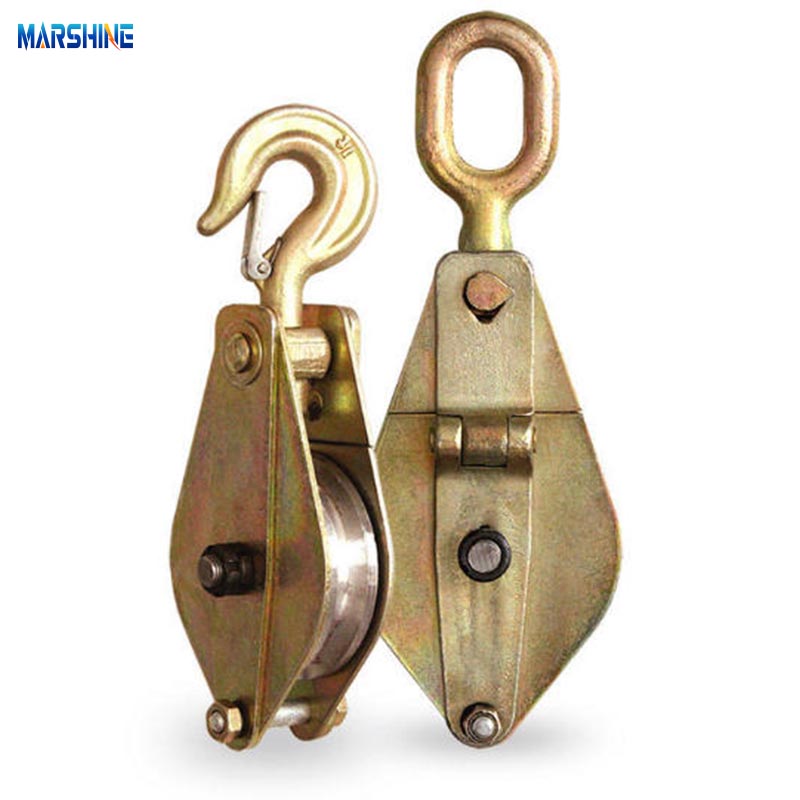
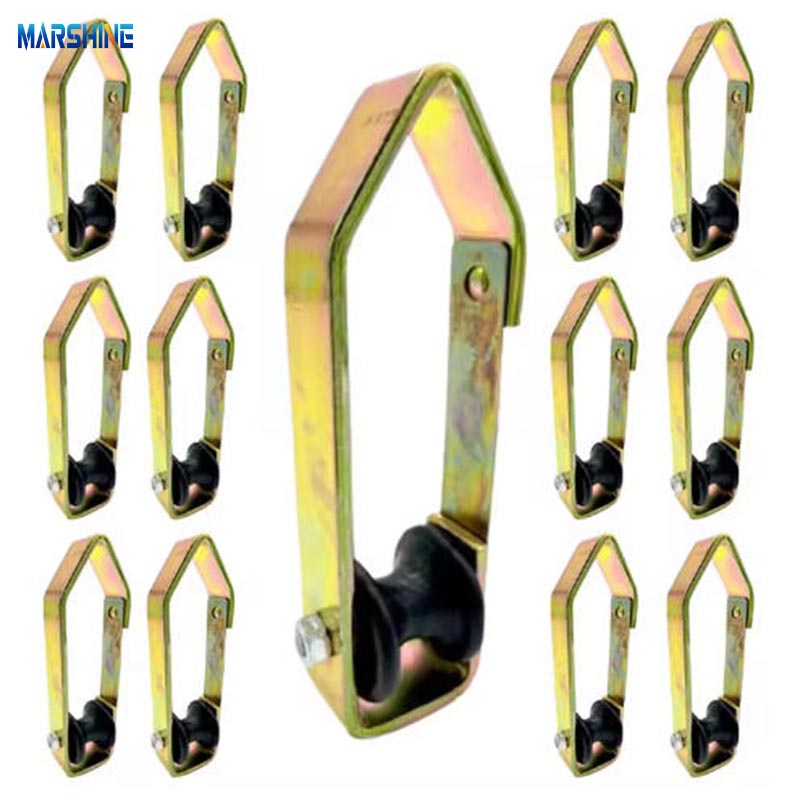
While often associated strictly with vertical lifting, mechanical chain hoists are incredibly useful for precise cable tensioning. The low headroom design of a modern hoist allows for tight-space operations, while the smooth gear ratio ensures steady tension and reduces manual labor. A typical step-by-step workflow involves: first, securing the hoist to a rated anchor point; second, attaching a come-along clamp to the cable; third, connecting the hoist hook to the clamp; and finally, actuating the mechanism to apply steady, micro-adjusted tension. High-quality equipment, such as tools sourced from specialized suppliers, can integrate seamlessly with other power line construction gear, including universal stringing blocks, wire rope pulleys, and come-along clamps, to create a highly efficient pulling ecosystem. This synergy minimizes the physical strain on operators and speeds up the overall installation timeline.
Mechanical Chain Hoists vs. Winches
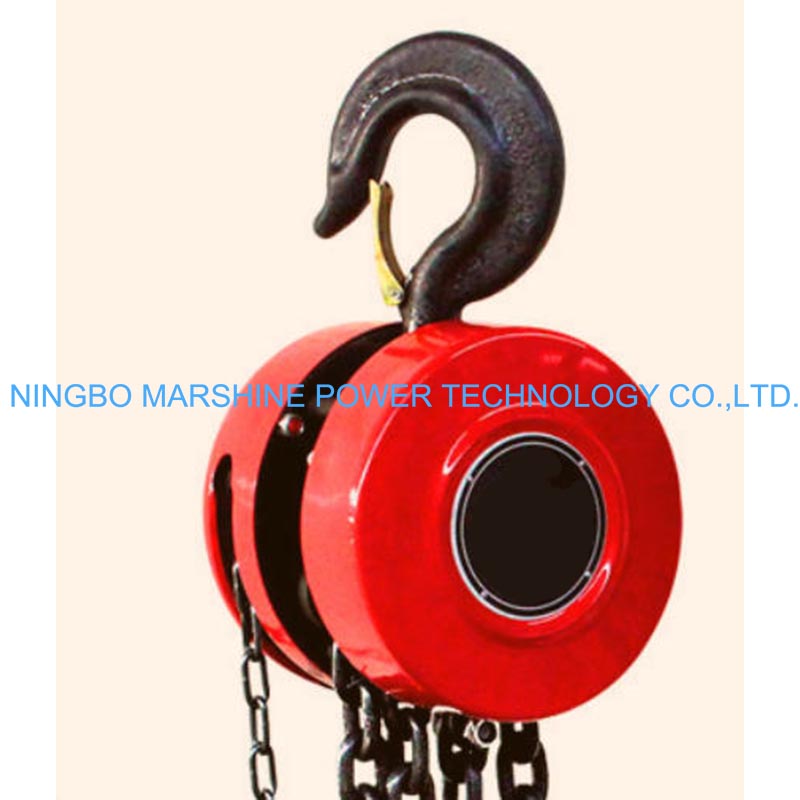
It is common to see crews debating whether to use a mechanical chain hoist or a dedicated winch for specific tasks. Both are essential, but they serve entirely different primary functions. A mechanical chain hoist is characterized by its compact, portable nature and its ability to handle immense vertical loads or short, precise tensioning pulls without needing an external power source.
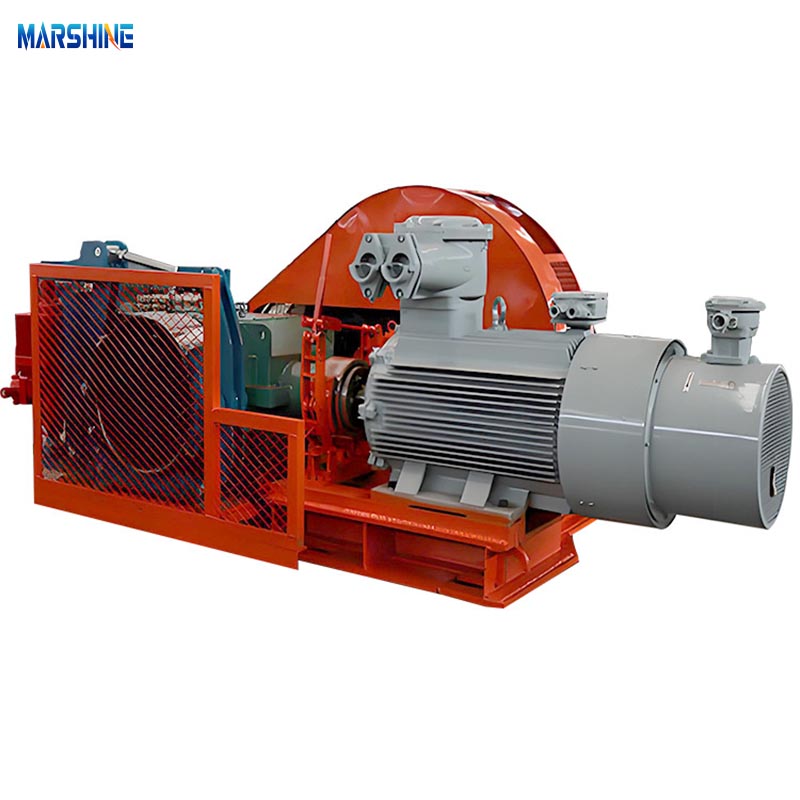
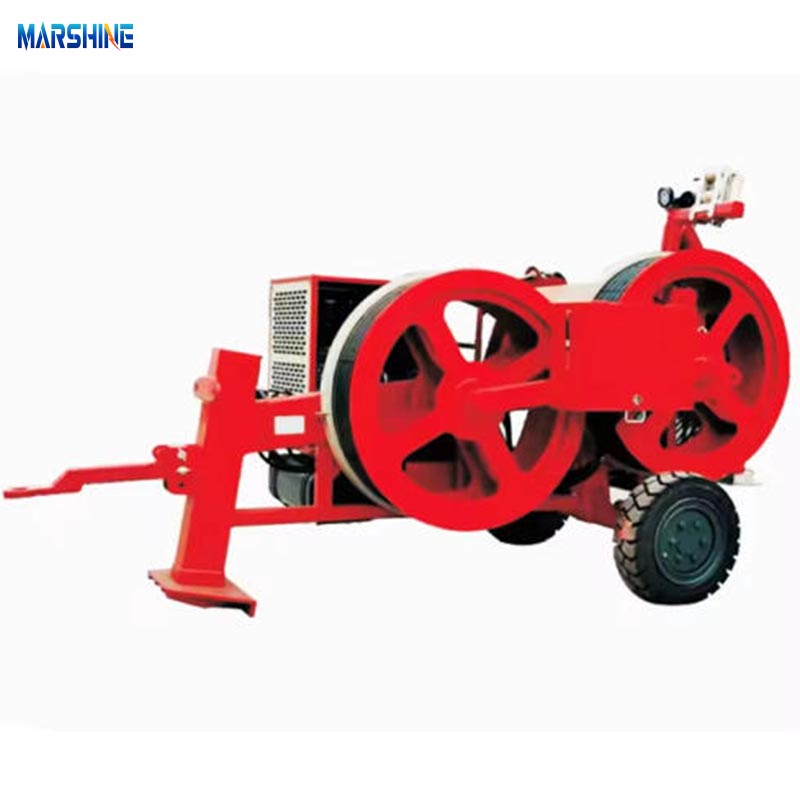
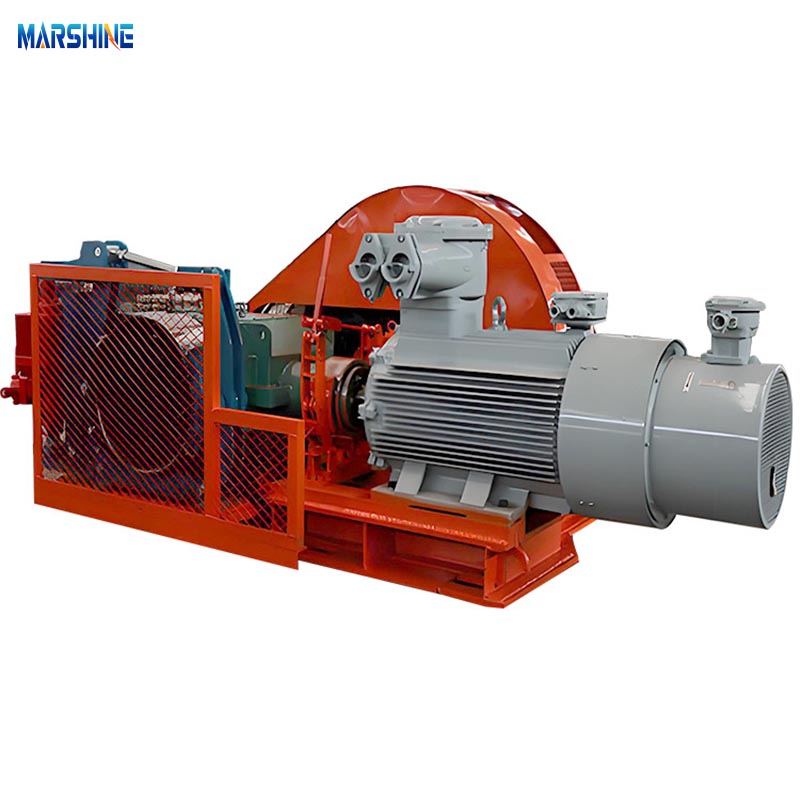
However, mechanical chain hoists have limitations for pulling, including operator fatigue, a limited duty cycle, and short travel distances. For long horizontal cable pulls, crews must turn to motorized alternatives. When evaluating a heavy-duty wire rope winch for a project, managers recognize that winches feature large spooling capacities and motorized power designed specifically for long-distance horizontal pulls. As a general decision checkpoint: choose a chain hoist for short pull distances, low duty cycles, and high-precision micro-adjustments; opt for a winch when the task requires long-distance continuous pulling and broad power. Understanding the distinct capabilities of each helps deploy the right tool, minimizing equipment wear and preventing rigging failures.
Performance and Safety Comparison Points
To break down the operational differences, here is a quick look at how they compare in the field:
| Specification | Mechanical Chain Hoist | Cable Pulling Winch |
|---|---|---|
| Primary Axis | Vertical lifting / Short tensioning | Horizontal pulling |
| Standard Distance | Standard drops (e.g., 3m to 10m) | 100m to 500m+ spool |
| Power Source | Manual (Hand chain or lever) | Engine, Electric, or Hydraulic |
| Precision | Highly precise micro-adjustments | Broad, continuous pulling |
Specifications That Matter During Use
During actual use, operator fatigue and equipment reliability are top concerns. A well-engineered mechanical chain hoist requires manageable hand-pull force to tension a full 1-ton load, thanks to optimized gear transmission. High manufacturing standards drastically reduce the risk of mid-pull failures that could endanger the crew. Furthermore, maintenance and inspection intervals must follow standard categories—pre-use, frequent, and periodic—rather than relying on a misleading "annual inspection" benchmark. The exact intervals depend heavily on the duty cycle, operating environment, and applicable standards such as ASME B30.16 or ISO 4309. This structured maintenance approach ensures safety, contrasting with the frequent wire rope replacements, lubrication schedules, and motor servicing required by heavy motorized winches.
How to Choose the Right Mechanical Chain Hoist
Picking the right equipment involves more than just glancing at a load rating; it requires a clear understanding of the project's daily demands. Rather than relying on a manufacturer's catalog size, buyers should focus on concrete selection criteria, such as the hoist's compatibility with stringing blocks, the availability of secure load-bearing anchor points, and the required chain length for the specific job.
While long-distance pulls might require an industrial wire rope winch, integrating a mechanical chain hoist into a localized pulling setup requires understanding how it interacts with other gear like cable rollers and fiberglass duct rodders.
Further reading:
Key Takeaways
- Use mechanical chain hoists for controlled, limited-use cable tensioning only after confirming the hoist, anchors, and rigging path are rated for the expected load.
- Select a hoist capacity within the typical 0.5 to 10 ton range based on calculated cable tension, not guesswork or crew experience alone.
- Verify that the hoist meets relevant safety expectations such as ASME B30.16 proof testing at 1.25 to 1.5 times rated capacity.
- Avoid severe side-pulling and shock loading because off-axis tension can damage the hoist and create unsafe load conditions.
- Pair the hoist with rated come-along clamps, stringing blocks, and pulleys to reduce manual labor and improve cable alignment accuracy.
- Choose rugged hoists with alloy steel chains, sealed bearings, and anti-corrosion protection for longer service life on power grid and cable installation jobsites.
Frequently Asked Questions
Can a mechanical chain hoist be used for cable pulling?
Yes, but mainly for limited-use tensioning and short-distance pulling. Because it is primarily a lifting device, the setup must be reviewed for load path, anchor rating, side loading, and local safety requirements.
What capacity range is typical for mechanical chain hoists?
Many quality mechanical chain hoists are available in safe working loads from 0.5 to 10 tons. Crews should select capacity based on calculated cable tension, rigging geometry, and an adequate safety margin.
Why is precise tension control important during cable installation?
Micro-adjusted tension helps align heavy aerial or underground cables without overstressing conductors. This reduces cable damage, rework, crew fatigue, and installation delays.
What safety features should crews look for?
Important features include dual-pawl brake systems, forged hooks with safety latches, alloy steel load chains, sealed bearings, and corrosion-resistant protection for dusty or wet jobsites.
Can using a chain hoist for pulling affect warranty or compliance?
Yes. Using a lifting hoist for horizontal or angled pulling may void warranties or conflict with standards unless the equipment is rated for that use and approved by a qualified person.