

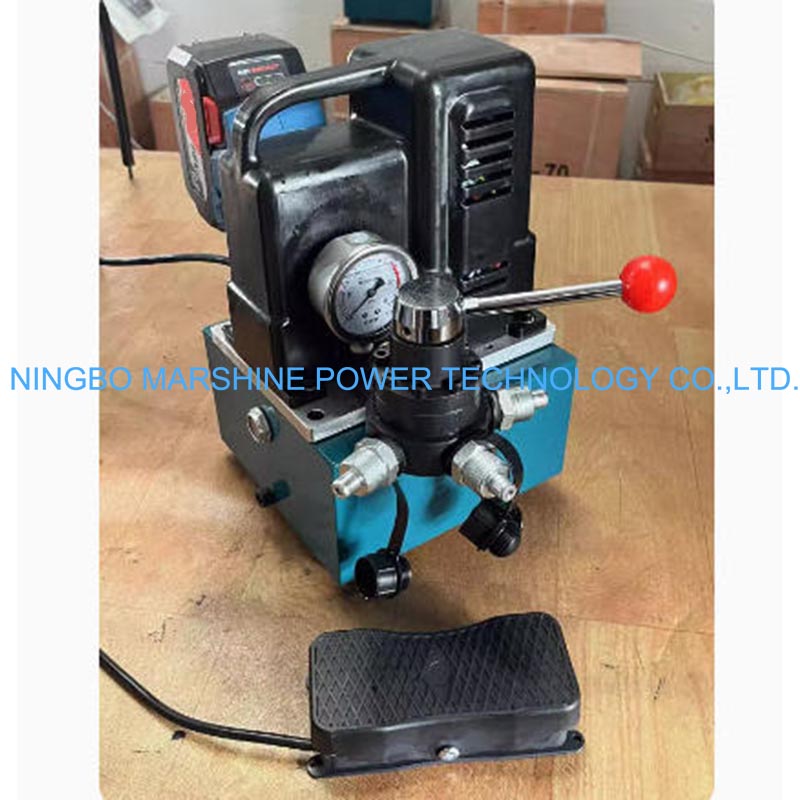
Remote utility work leaves little room for slow setup, mismatched fittings, or equipment that runs out of power mid-cycle. A battery-powered hydraulic pump can give linemen and construction crews cleaner, faster mobility than generator-based systems, but only if it matches the tools and workload in the field. The right choice depends on measurable factors: pressure rating, oil capacity, flow, runtime, battery platform, couplers, and control features. This guide explains how to translate real jobsite tasks—such as crimping, cutting, punching, and lifting—into practical specifications so crews can choose a unit that improves productivity without compromising safety or compatibility.
Define the Job Before Choosing a Cordless Unit
Equipping a field crew with the right tools significantly impacts a project's efficiency, especially when working on remote power grids or confined underground vaults. Transitioning away from bulky gas generators and tethered systems to a modern cordless hydraulic power unit gives crews the freedom to move quickly without tripping over hoses or breathing in exhaust fumes. However, picking the right unit requires more than just grabbing the first battery-powered pump off the shelf.
Modern battery-operated units boast distinct product features like spill-free sealed oil reservoirs, brushless motors for extended life, and ergonomic carrying handles designed specifically for linemen and construction crews. Before investing, it is crucial to map out exactly what the equipment needs to accomplish on the jobsite.
Identify the hydraulic tool applications
The first step is looking closely at the tools the crew already uses. A reliable cordless electric hydraulic pump must seamlessly drive existing hydraulic crimping tools, cable cutters, punches, or lifting jacks. Knowing whether the team performs high-volume, repetitive crimping on aerial lines or occasional heavy-duty cutting in underground trenches will determine the ideal pump style.
Different tasks call for specific operational features. Precision aerial cable work, for instance, often relies on sensitive manual release valves for exact control. Conversely, heavy underground tasks are better served by automatic retraction features that speed up repetitive cycles. Outlining these daily routines ensures the chosen unit enhances rather than hinders the crew's workflow.
List the required core specifications
Once the applications are clear, translate those tasks into hard numbers. The industry standard for most electrical transmission and distribution tools is a maximum operating pressure of 10,000 psi (700 bar). Choosing a unit that consistently hits this threshold is non-negotiable for safe and compliant operation.
Usable oil capacity is another critical specification. Compact units might feature a 0.5-gallon reservoir, which is perfect for single-acting crimpers but completely inadequate for larger, double-acting cylinders that typically require 1.5 to 2 gallons of fluid. Matching the pump's oil capacity to the tool's cylinder volume prevents the system from running dry mid-operation. Additionally, crews must verify coupler compatibility. Mismatched fittings are a real-world failure point, so ensure that common NPT, 3/8-inch, or proprietary threaded fittings match your existing fleet equipment, as these components are not universally interchangeable.
Compare Key Cordless Hydraulic Power Unit Specs
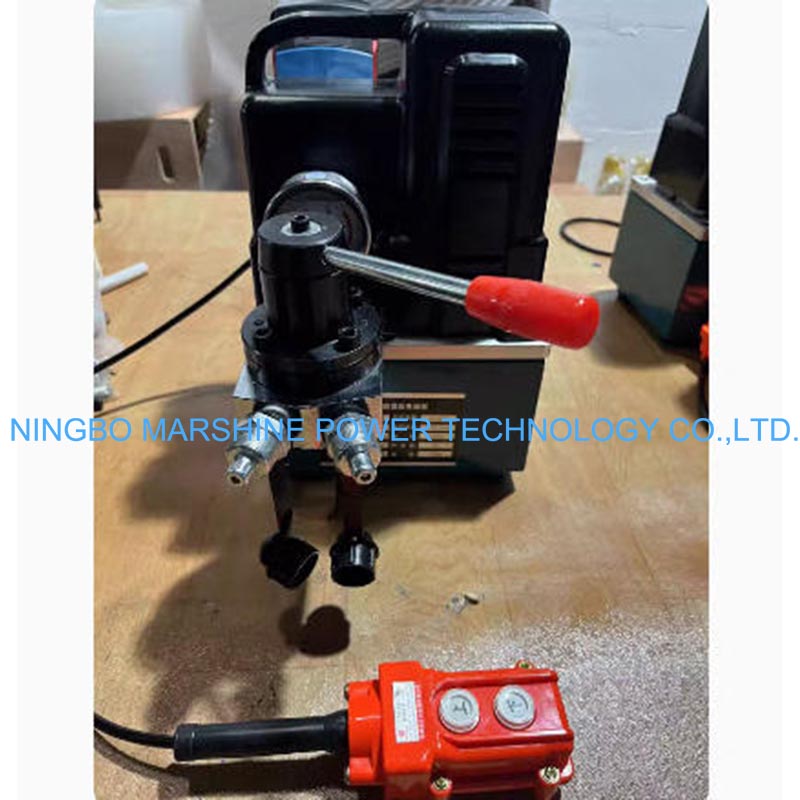
With the baseline job requirements established, evaluating the technical capabilities of a portable electric hydraulic pump for powering your hydraulic tools comes down to comparing performance metrics. Today's cordless units are highly engineered pieces of equipment designed to maximize efficiency and minimize downtime on the job.
Rank pressure, flow, runtime, and battery capacity
Performance is a balancing act between pressure, flow rate, and battery runtime. Most advanced units utilize a two-stage pumping mechanism that shifts gears automatically to save battery and reduce cycle times: a low-pressure, high-flow stage (often around 200 psi) quickly advances the tool to the workpiece, followed by a high-pressure, low-flow stage to complete the work. According to manufacturer-reported data, a higher flow rate in the second stage—such as 30 cubic inches per minute compared to a standard 15 cubic inches per minute—drastically cuts down the time spent waiting on a crimp.
Battery capacity dictates how much work gets done before a swap is needed. Standard 18V lithium-ion platforms with 5.0Ah batteries typically deliver an estimated 40 to 50 crimps per charge on standard utility cables. Keep in mind that actual runtime varies with tool type, pressure load, temperature (including cold-weather battery derating), and battery age. Buyers should validate runtime claims by requesting test cycle data or demo units, and carefully check battery warranty conditions regarding continuous-duty hydraulic loads. Upgrading to heavier-duty 54V or 60V platforms with 9.0Ah or 12.0Ah batteries can often push that manufacturer-reported number well past 100 cycles. Look for units with smart battery management systems that offer thermal overload protection and duty-cycle regulation to prevent overheating during continuous use.
Evaluate compact size versus power output
Power means little if the crew refuses to carry the equipment. Older corded or gas pumps often weighed in excess of 50 lbs, requiring two people to load them into a bucket truck. Modern cordless units feature high-impact polymer and fiberglass housings, bringing the weight down to a highly portable 15 to 25 lbs in many compact models.
The figures in the table below represent typical market ranges for these tool classes rather than specific model data, illustrating the general trade-offs buyers can expect:
| Specification | 18V Compact Class | 60V Heavy-Duty Class |
|---|---|---|
| Operating Voltage | 18V / 20V Max | 54V / 60V Max |
| Max Pressure | 10,000 psi (700 bar) | 10,000 psi (700 bar) |
| High-Pressure Flow | 15 cu. in./min | 30 cu. in./min |
| Weight (w/ battery) | 15 - 20 lbs | 25 - 35 lbs |
| Target Application | Light crimping, tight spaces | Heavy cutting, continuous grid work |
This table highlights the typical trade-off: lighter units are easier to maneuver in tight spaces, but heavier units offer the flow rates and battery reserves necessary for non-stop grid construction.
Turn Specs Into a Buying Decision
Armed with the right specifications, the final step is navigating the market to make a sound purchasing decision. A cordless hydraulic power unit is a significant investment, with typical manufacturer-reported prices ranging from $1,500 to over $3,500 depending on the battery platform and pump features. Ensuring that investment pays off requires looking beyond the spec sheet and evaluating the brand behind the tool.
Check manufacturer experience and support
A manufacturer's track record in the power industry is a strong indicator of tool reliability. When evaluating options, look for established, brand-agnostic criteria: reputable manufacturers—such as MARSHINE or other specialized industry brands—should have a proven track record in developing cable pulling and hydraulic tools specifically for utility applications.
Further reading:
Key Takeaways
- Define the crew’s daily applications first, because repetitive aerial crimping and heavy underground cutting require different pump controls and cycle behavior.
- Select a unit rated for 10,000 psi, or 700 bar, when supporting standard electrical transmission and distribution hydraulic tools.
- Match reservoir size to tool demand, since a 0.5-gallon pump may suit single-acting crimpers but not double-acting cylinders needing 1.5 to 2 gallons.
- Verify coupler type before purchase, because NPT, 3/8-inch, and proprietary fittings are not universally interchangeable across hydraulic tool fleets.
- Prioritize features such as brushless motors, sealed oil reservoirs, automatic retraction, and ergonomic handles to reduce downtime and improve field mobility.
Frequently Asked Questions
What pressure rating should a cordless hydraulic power unit have?
Most transmission and distribution tools require up to 10,000 psi, or 700 bar. Choose a unit that can consistently meet that rating for safe crimping, cutting, punching, and lifting operations.
How do I match oil capacity to my hydraulic tools?
Check the cylinder volume of each tool. Compact 0.5-gallon reservoirs may suit single-acting crimpers, while larger double-acting cylinders often need 1.5 to 2 gallons to complete a full cycle without running dry.
Why is coupler compatibility important?
Mismatched fittings can stop work in the field. Confirm whether your tools use NPT, 3/8-inch, or proprietary threaded couplers before buying a cordless pump for your existing hydraulic tool fleet.
Are cordless hydraulic units better than gas-powered pumps?
They are often better for mobile crews, vaults, and indoor or confined work because they reduce hoses, exhaust fumes, noise, and generator setup time. Gas units may still suit some long-duration heavy applications.
What features help crews work faster with hydraulic crimping tools?
Automatic retraction speeds repetitive crimping and cutting, while manual release valves give better control for precision aerial work. Brushless motors, sealed reservoirs, and ergonomic handles also improve field productivity.