


A utility crew’s cable cutter is more than a convenience tool—it can influence outage duration, operator fatigue, and job-site safety. Thick copper, aluminum, ACSR, and armored cables demand equipment that matches real field conditions, not just catalog claims. The right battery operated cable cutter should balance cutting force, working weight, cycle speed, battery compatibility, and maintenance requirements. This guide explains how to compare mechanical and electro-hydraulic options, read capacity ratings correctly, and evaluate total cost of ownership for fleet use. For crews working from bucket trucks, vaults, or roadside repair zones, choosing the right cutter can turn a slow, high-strain task into a safer and more repeatable process.
Why the Right Battery Operated Cable Cutter Matters
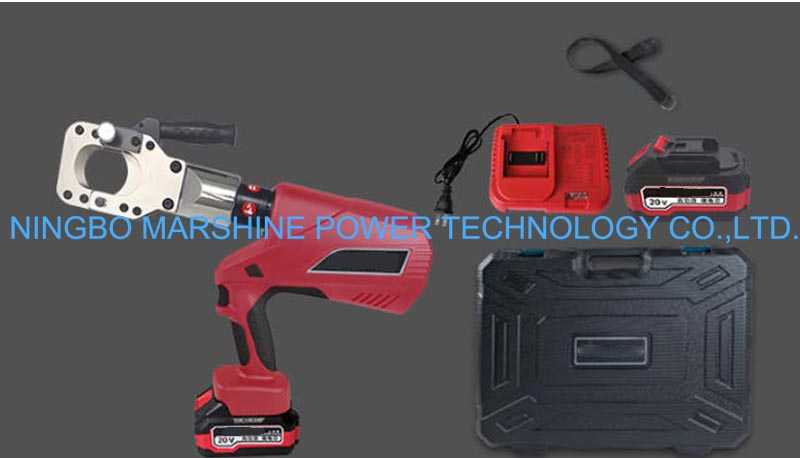
Utility crews face demanding conditions out in the field, and struggling with thick, stubborn cables shouldn't add to the difficulty. Relying on outdated manual tools consumes valuable time and pushes physical limits. Upgrading to a reliable battery operated cable cutter transforms a grueling manual struggle into a more efficient, manageable task. Buyers should note that these tools generally fall into two categories: mechanical battery-powered cutters (utilizing scissor-action or ratcheting mechanisms for lighter duties) and electro-hydraulic systems designed for heavy-duty utility applications.
Key Performance Factors for Utility Crews
When crews are working in bucket trucks or down in tight underground vaults, tool weight and ergonomics matter. Modern battery-operated cutters often feature lightweight base designs—some models claim bare-tool weights under 7 pounds. However, buyers must verify the true working weight, ensuring published figures include the battery and hydraulic fluid (if applicable), as overhead ergonomics and safety change dramatically once fully loaded.
Cutting cycle time is another critical performance factor. Depending on the model, a top-tier electro-hydraulic tool might feature an automated retraction system that resets the blade in a typical range of 3 to 8 seconds after a successful cut. This rapid cycle time, combined with well-balanced grips and responsive triggers, helps operators tackle heavy workloads efficiently. Because hydraulic models generate immense force, proper operator training and certification are essential to ensure safe handling.
Business Benefits: Speed, Safety, and Downtime Reduction
From a business standpoint, investing in advanced cutting tools yields measurable returns when evaluating the Total Cost of Ownership (TCO). While reducing operator fatigue and musculoskeletal injuries is a clear safety benefit, TCO is heavily influenced by fleet battery interoperability and maintenance schedules. Standardizing on a major cordless platform (such as Milwaukee, DeWalt, or Makita) rather than a proprietary battery system prevents ecosystem lock-in and avoids the hidden costs of managing incompatible battery inventories.
Speed and reliability directly impact the bottom line. Less time spent cutting means faster grid repairs and shorter outage durations. Built-in safety features like rapid blade stops and electronic overload protection keep the crew safe. Furthermore, establishing strict calibration schedules and routine maintenance protocols ensures these tools remain operational, preventing costly downtime during critical outage restorations.
Specifications to Compare Before Buying
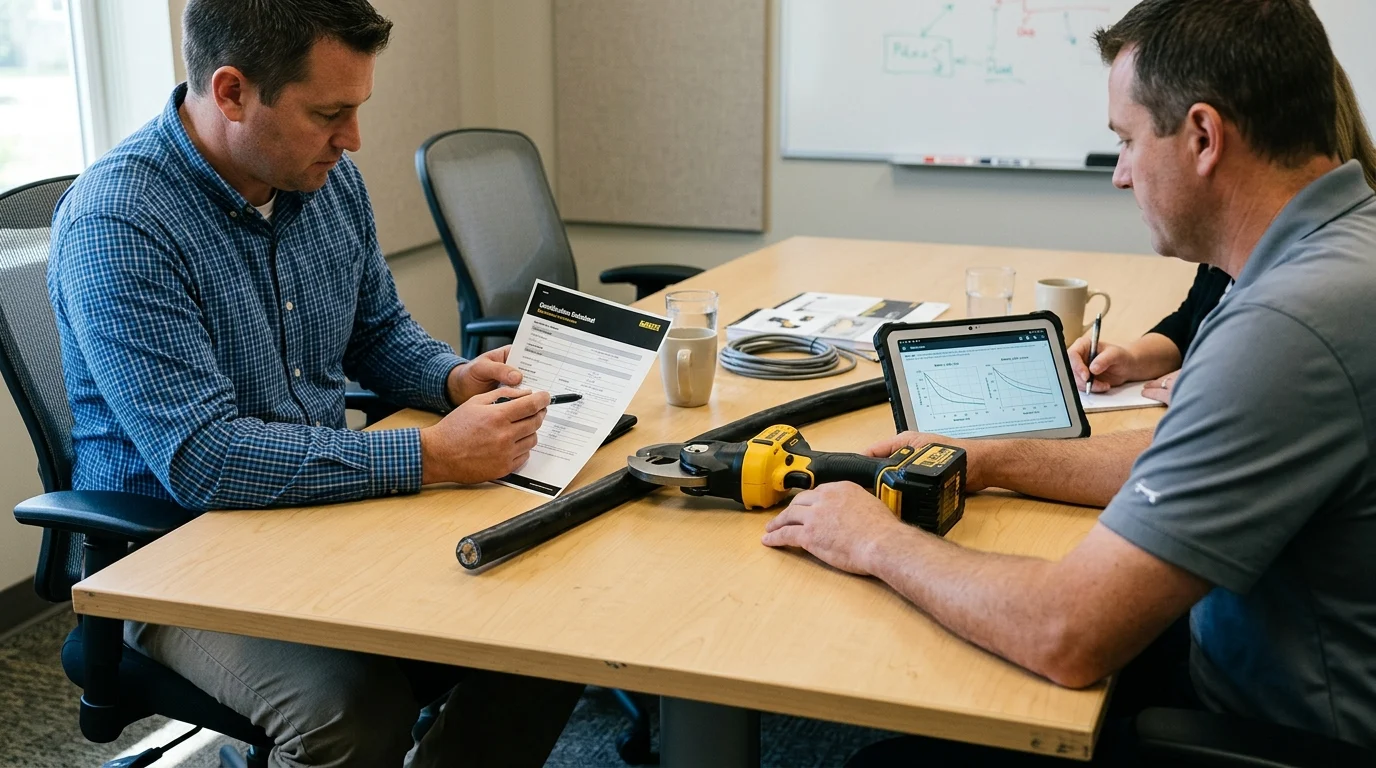
Not all cutting tools are built the same, so knowing exactly what specifications to look for is crucial. Whether dealing with standard distribution lines or heavily armored underground feeds, dialing in the right specifications ensures your cordless hydraulic cable cutter won't stall out on the job. Evaluate your specific application to determine if a lighter mechanical ratcheting model suffices, or if the high-force output of a hydraulic system is required.
Cutting Capacity for Copper, Aluminum, and Armored Cable
The first thing to check is the tool's maximum cutting capacity, which dictates what materials it can sever safely. Maximum cutting diameters are typically rated for soft copper or aluminum and often derate substantially for ACSR and armored cables. Always match the tool's rated capacity to the actual conductor types and sizes encountered in specific field work. Be aware of limitations when cutting highly compressed or heavy steel-reinforced cables, which can quickly dull blades or stall the motor.
For standard copper and aluminum, a cutter rated for up to 85 mm is typical of a standard tier, while heavy-duty armored cables might require a jaw capacity of up to 105 mm. The table below serves as a specific product-tier example (representing a standard 60kN to 120kN hydraulic class) to illustrate how force and jaw opening scale with different conductor types, rather than representing universal industry benchmarks.
| Cable Type | Typical Max Diameter (mm) | Required Blade Material | Hydraulic Force Needed |
|---|---|---|---|
| Copper / Aluminum | 85mm | Standard High-Carbon Steel | 60kN |
| ACSR | 40mm - 50mm | Specially Hardened Steel | 60kN - 85kN |
| Armored Underground | Up to 105mm | Heavy-Duty Alloy | 120kN |
Battery, Hydraulic, Blade, and Safety Features
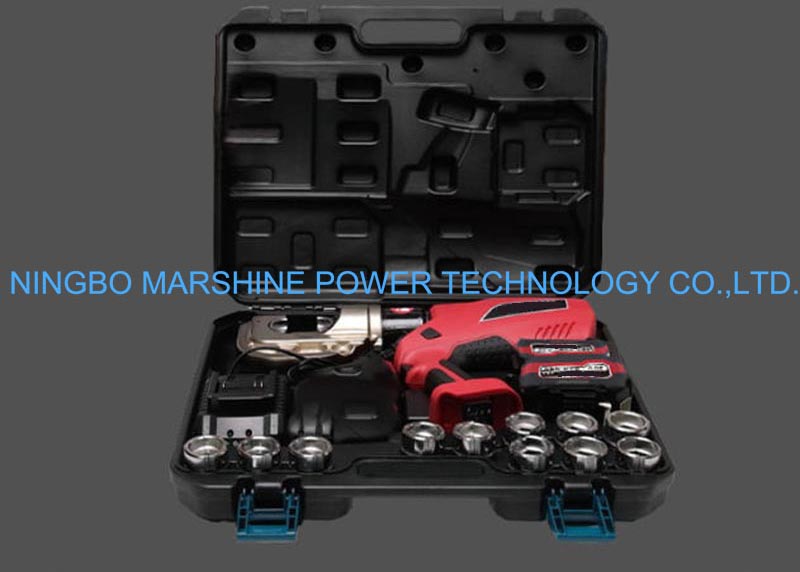
Powering through thick metal requires robust battery and mechanical specifications. Most professional-grade tools run on an 18V or 20V lithium-ion platform. As a typical example, an 18V 5.0Ah battery might deliver up to 150 cuts on a single charge, though this varies depending on the cable diameter and material hardness. Explicitly checking if the tool uses a proprietary battery or integrates with your existing fleet's major cordless platform is vital for standardization.
On the hydraulic side, an electric hydraulic cable cutter generally pushes between 60 kN and 120 kN of output force. Features like a two-stage hydraulic system allow for rapid advance until the blade hits the cable, followed by a high-pressure, slower cut. Safety features shouldn't be ignored; prioritize models with bright LED work lights, manual pressure release valves, and locking pins.
Crucially, buyers must account for long-term maintenance caveats. Hydraulic systems require regular inspections for seal integrity and fluid leaks, which are critical long-term cost factors for utility fleets. Additionally, factor in blade sharpening intervals and replacement costs, as hardened materials will inevitably wear down cutting edges over time.
How to Choose the Best Battery Operated Cable Cutter
Choosing the right tool isn't just about grabbing the one with the highest specifications on paper. It involves matching the equipment to the daily realities of utility crews and partnering with a supplier that stands behind their products with verifiable data and support.
Practical Selection Steps for Field Applications
Start by mapping out where the tool will see the most action. If crews spend their days in narrow underground trenches, a cutter with a 360-degree rotating head is highly beneficial. Cutter head geometry must also match your most common field scenarios. Open-head designs allow crews to quickly hook and sever already-installed cables, though they require careful alignment. Conversely, closed-head designs fully contain the cable, offering improved safety and higher cutting forces for loose ends.
Environmental conditions play a big role.
Further reading:
Key Takeaways
- Choose an electro-hydraulic battery operated cable cutter for heavy-duty utility applications, while reserving mechanical battery-powered cutters for lighter cable cutting tasks.
- Verify the fully loaded tool weight, including battery and hydraulic fluid, because bare-tool ratings can understate fatigue risks during overhead or confined-space work.
- Compare cutting capacity by material, since a cutter rated for copper or aluminum may be significantly derated for ACSR or armored cable.
- Prioritize models with fast automatic blade retraction, typically around 3 to 8 seconds, to improve productivity during repeated field cuts.
- Standardize on a widely used battery platform when possible to reduce fleet complexity, battery inventory costs, and downtime.
- Use calibration schedules, maintenance routines, and operator training to keep high-force hydraulic cutters safe and reliable in utility service.
Frequently Asked Questions
What type of battery operated cable cutter is best for utility work?
For heavy utility work, an electro-hydraulic cutter is usually the better choice because it delivers the force needed for large copper, aluminum, ACSR, or armored cables. Lighter mechanical battery-powered cutters may be suitable for smaller, less demanding applications.
Why should I check the cutter weight with the battery installed?
Bare-tool weight can be misleading. Crews often work overhead, in bucket trucks, or inside vaults, so the real working weight—including battery and hydraulic fluid—affects fatigue, control, and job-site safety.
How important is cutting capacity when selecting a cordless hydraulic cable cutter?
Cutting capacity is critical because ratings vary by material. A cutter rated for soft copper or aluminum may have a much lower capacity for ACSR or armored cable, so always match specifications to the actual cable types your crew handles.
What cycle time should utility crews look for?
Efficient electro-hydraulic cutters often reset the blade automatically within about 3 to 8 seconds after a cut. Faster retraction helps crews complete repetitive cuts more quickly during maintenance, installation, or outage restoration work.
Are standard cordless battery platforms better than proprietary batteries?
In many fleets, yes. Using common platforms such as Milwaukee, DeWalt, or Makita can reduce battery inventory issues, limit charger clutter, and lower long-term ownership costs compared with proprietary battery systems.