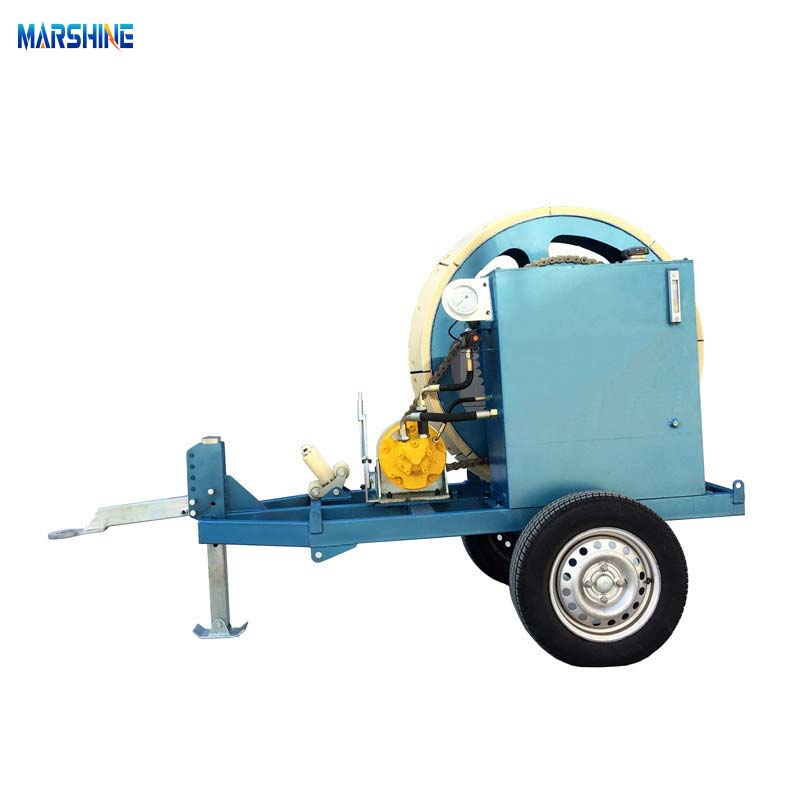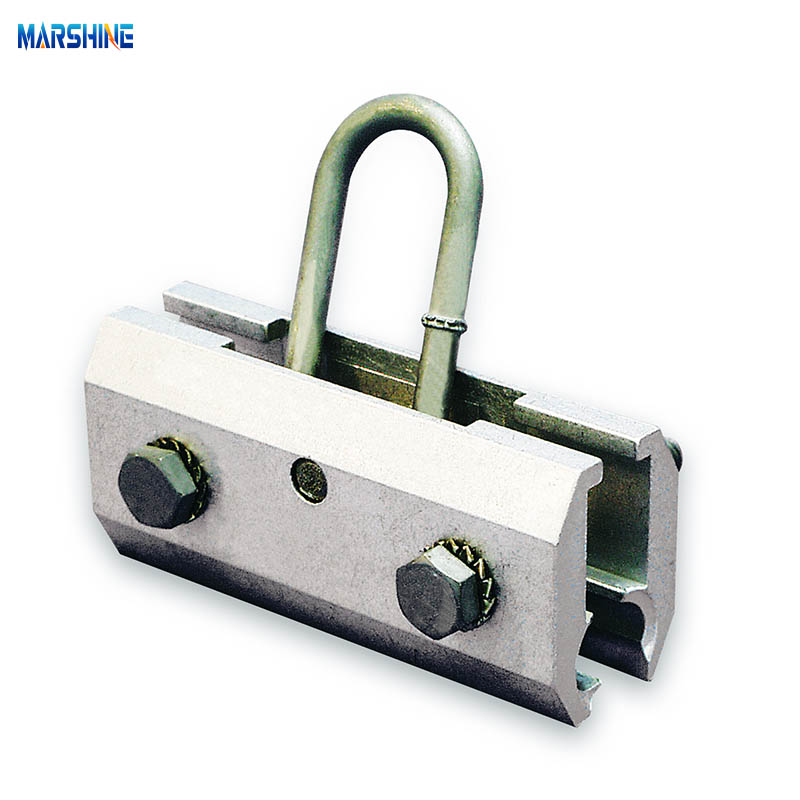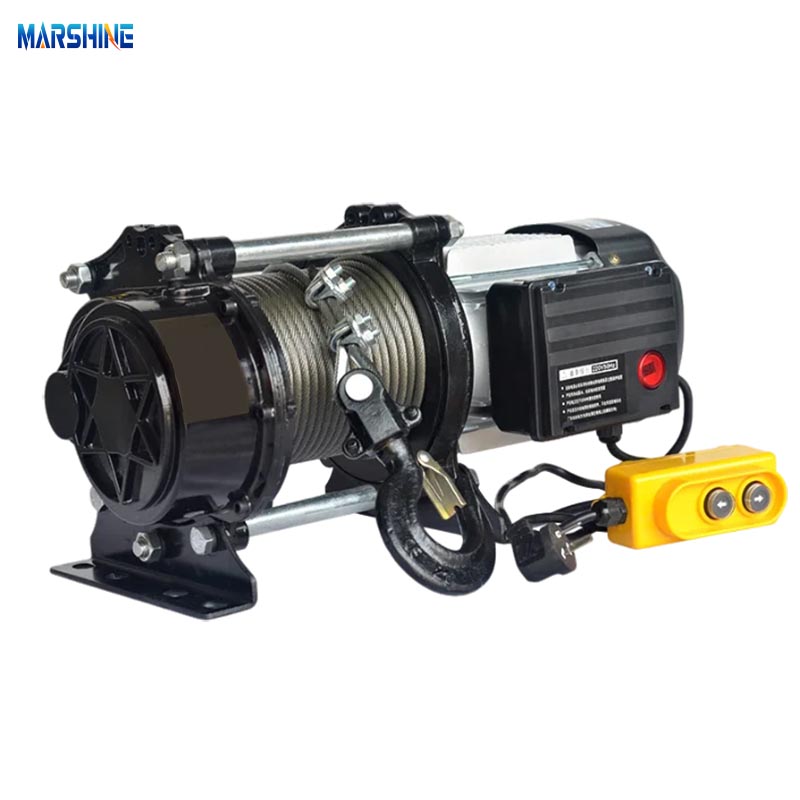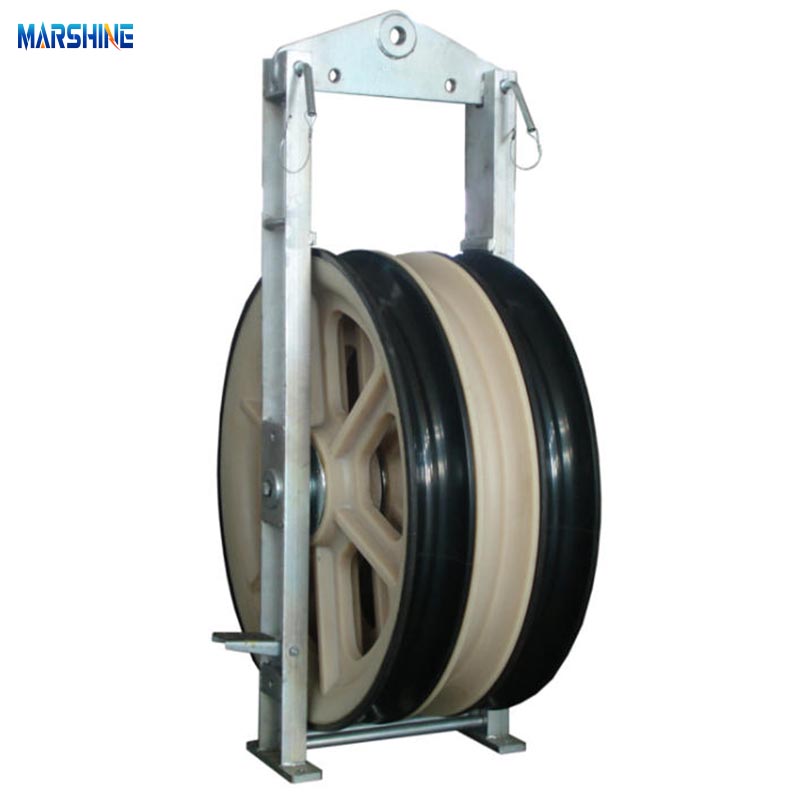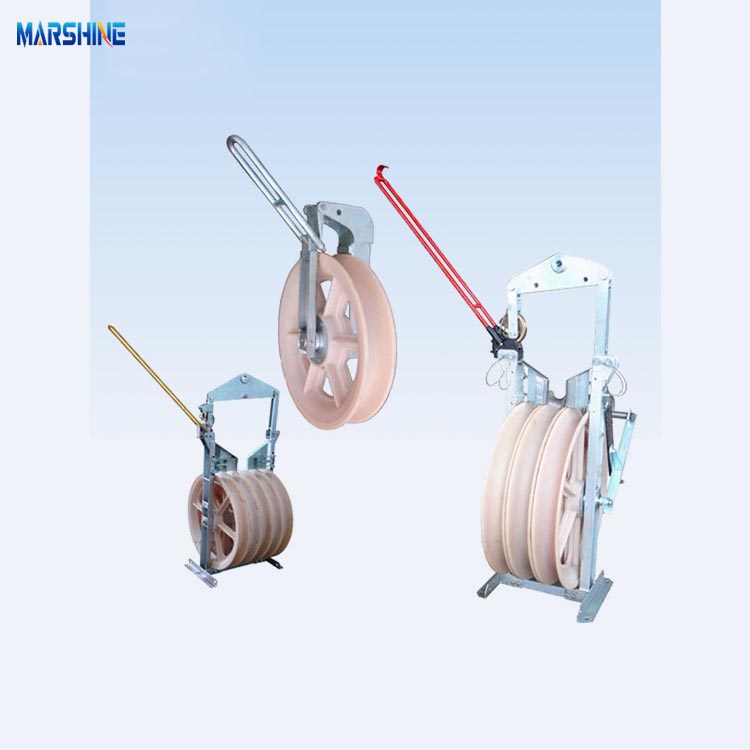
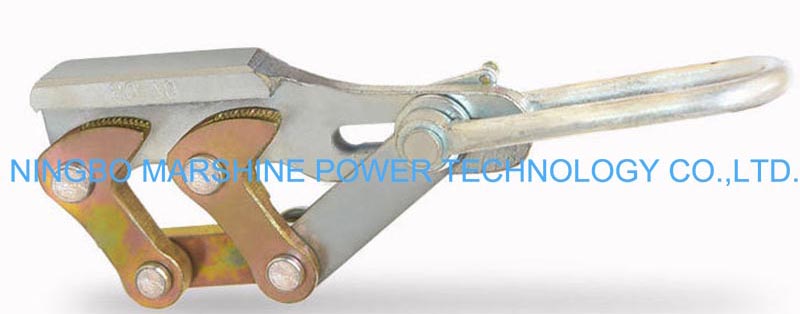
Using a Come Along Clamp correctly is crucial for achieving maximum efficiency in your projects. This handy tool allows users to pull and secure loads with ease. The Alloy Steel Dual Cam Wire Rope Grip enhances this process by providing a strong, reliable hold. With MARSHINE's innovative design, including the Come Along Grip, you can trust that your tasks will go smoothly.
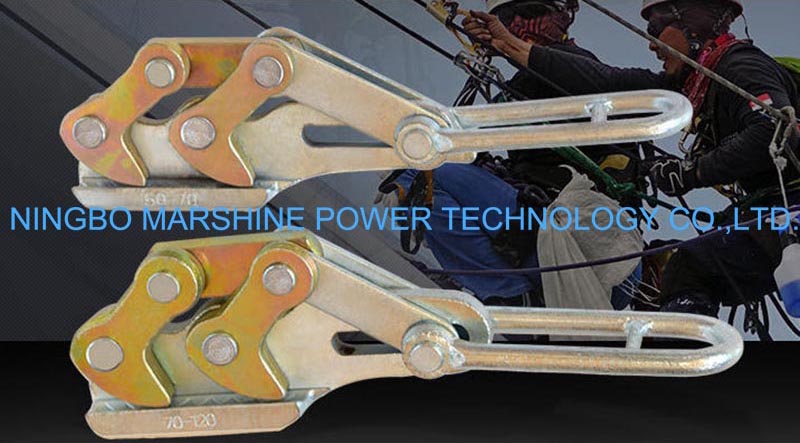
The Come Along Clamp is a vital tool in industrial settings. It plays a crucial role in lifting, pulling, and securing heavy loads. This tool stands out due to its high strength, precision, and reliability. These features make it essential for various professional applications.
Here are some key benefits of using a Come Along Clamp:
You can find Come Along Clamps in many industries, each using them for specific tasks. Here’s a quick look at some common applications:
| Industry | Common Applications | Type of Come Along Used |
|---|---|---|
| Construction | Aligning beams, tensioning cables, pulling equipment | Hydraulic and manual chain come alongs |
| Marine & Shipping | Securing cargo, winching boats, adjusting rigging | Galvanized cable come alongs (corrosion-resistant) |
| Mining | Moving heavy machinery, stabilizing structures | Heavy-duty hydraulic models |
| Automotive & Recovery | Vehicle towing, winching operations, off-road recovery | Electric and manual cable come alongs |
| Agriculture | Fencing, lifting bins, moving equipment | Manual cable or chain clamps |
| Utilities & Telecommunications | Installing poles, tensioning lines, securing cables | All types (hydraulic, electric, manual) |
The Come Along Clamp consists of several components that contribute to its operation. Each part plays a role in ensuring safety and efficiency during use. Here’s a breakdown of these components:
| Component | Contribution to Operation |
|---|---|
| Secure Load Control | Prevents unexpected slippage or sudden movement, enhancing safety during operations. |
| Reduced Manual Handling | Minimizes risk of injuries by allowing safe distance from tension points. |
| Stability Under Tension | Holds consistent pressure, reducing load swing and vibration to prevent accidents. |
| Ergonomic Benefits | Reduces physical strain and likelihood of repetitive stress injuries. |
| Specialized Jaw Design | Maximizes grip strength by conforming to the shape of the cable or rope. |
| Non-Marring Options | Protects delicate ropes and insulated wires from abrasion or crushing. |
| Versatile Sizing | Accommodates different diameters, enhancing versatility in applications. |
| Adjustable Tension | Allows fine-tuning of clamping force for optimal grip based on material and load. |
Understanding these features and applications helps users maximize the efficiency of their Come Along Clamp. Whether you’re in construction, agriculture, or utilities, this tool can make your tasks easier and safer.
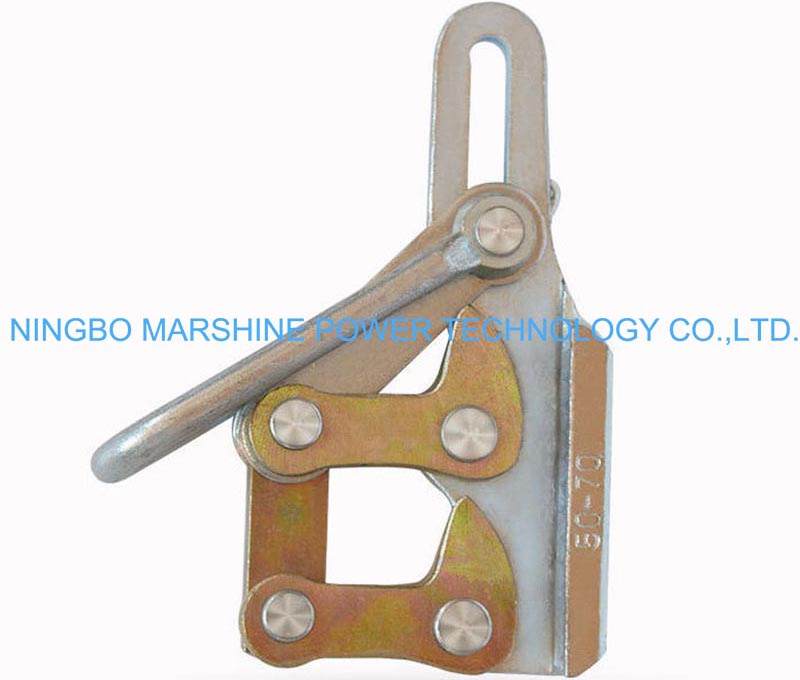
The Alloy Steel Dual Cam Wire Rope Grip stands out in the world of cable pulling tools. Its design incorporates several key features that enhance both safety and efficiency. Let’s explore what makes this grip a preferred choice among professionals.
The dual cam mechanism offers several benefits that improve performance and safety. Here’s a quick look at its advantages:
| Advantage | Description |
|---|---|
| Secure Grip | This mechanism provides a reliable hold, ensuring safety during operations. |
| System Integration | It fits seamlessly into comprehensive fall protection systems, making it versatile. |
| Professional Standard | The design meets industry standards, ensuring quality and safety in every use. |
| Safety Precision | It allows for precise control over fall protection, enhancing user confidence. |
The alloy steel used in the Dual Cam Wire Rope Grip is designed to withstand harsh conditions. Here are some of its corrosion resistance properties:
When considering materials for cable pulling tools, it’s essential to evaluate their environmental impact. Here’s how alloy steel clamps compare to other materials:
| Material Type | Corrosion Resistance | Environmental Suitability |
|---|---|---|
| Alloy Steel Clamps | Moderate | Suitable for dry environments, less for wet ones |
| Stainless Steel | High | Ideal for wet, humid, or chemically aggressive environments |
| Coated Carbon Steel | Moderate | Economical for moderate corrosion risks |
The Alloy Steel Dual Cam Wire Rope Grip not only excels in performance but also demonstrates a commitment to durability and environmental considerations. By choosing this grip, users can ensure they have a reliable tool that meets both their operational needs and safety standards.
Before using a Come Along Clamp, it's essential to prepare it properly. Follow these steps to ensure everything is set up correctly:
Once the clamp is prepared, it’s time to attach the grip. Make sure to choose a clamp that fits your work needs. For quick tasks, an automatic clamp works well, while a manual clamp offers precision. Always evaluate the load capacity and ensure it exceeds the maximum weight you expect to handle by 20-25%.
Now that everything is ready, you can operate the clamp safely and efficiently. Here’s how:
By following these steps, users can maximize the efficiency of their Come Along Clamp while ensuring safety throughout the process.
To get the most out of a Come Along Clamp, users should follow some best practices. These tips can help ensure safety and enhance performance during operations.
Measure the Turn-Back Length: Always measure a turn-back length that is at least six times the cable diameter. This ensures that the clamp operates effectively. Place the saddle on the live-end side of the turn-back for optimal grip.
Position the U-Bolt Correctly: Make sure the U-bolt straddles the dead-end side. Never place the saddle on the dead end, as this can significantly reduce both efficiency and strength.
Tighten Nuts in a Cross-Pattern: When securing the nuts, tighten them in a cross-pattern to the manufacturer-specified torque. After the initial tightening, re-check for even pressure to maintain a secure hold.
Regular Maintenance: Keep the clamp in top shape with routine maintenance. Regular cleaning prevents debris buildup and rust. Replace worn-out parts proactively to avoid interruptions. Tighten any loose components to maintain holding capacity.
Store Properly: Store the clamp in dry conditions to prevent corrosion. This simple step ensures that it’s ready for use when needed.
Conduct Inspections: Perform daily visual inspections and weekly cleaning routines. Monthly lubrication checks and quarterly component assessments help maintain efficiency. An annual comprehensive evaluation can catch any potential issues early.
By following these tips, users can maximize the efficiency of their Come Along Clamp, ensuring smooth operations and enhanced safety.
Using a Come Along Clamp can be safe and efficient, but it’s crucial to follow some basic safety precautions. Here are some common hazards to watch out for:
To protect yourself while operating a Come Along Clamp, consider wearing the following personal protective equipment (PPE):
Regular inspections are also vital for ongoing safety. Here’s a quick guide on how often to check your clamps:
By following these precautions, users can enhance their safety and efficiency while using a Come Along Clamp. Remember, safety first leads to successful operations!
Using a Come Along Clamp correctly is essential for safety and efficiency. Operators should always select the right clamp for their tasks, conduct regular inspections, and follow safe operating procedures. These practices help minimize risks and enhance performance.
Practicing the outlined techniques will lead to better results. Remember, consistent use of the Alloy Steel Dual Cam Wire Rope Grip not only boosts safety but also extends the tool's life and improves your professional reputation.
Keep honing your skills, and you'll see the benefits in your work!
A Come Along Clamp is used for pulling, lifting, and securing heavy loads in various industries, including construction, agriculture, and utilities.
Regularly clean it, check for wear, and lubricate moving parts. Store it in a dry place to prevent corrosion.
Yes, you can use it for towing, but ensure the clamp's load capacity exceeds the weight of the vehicle being towed.