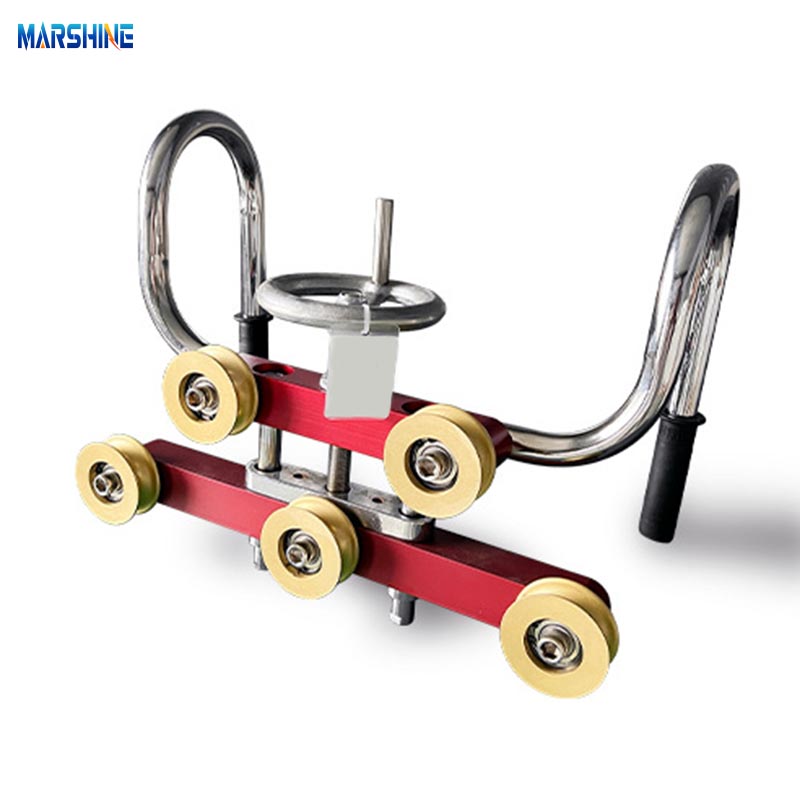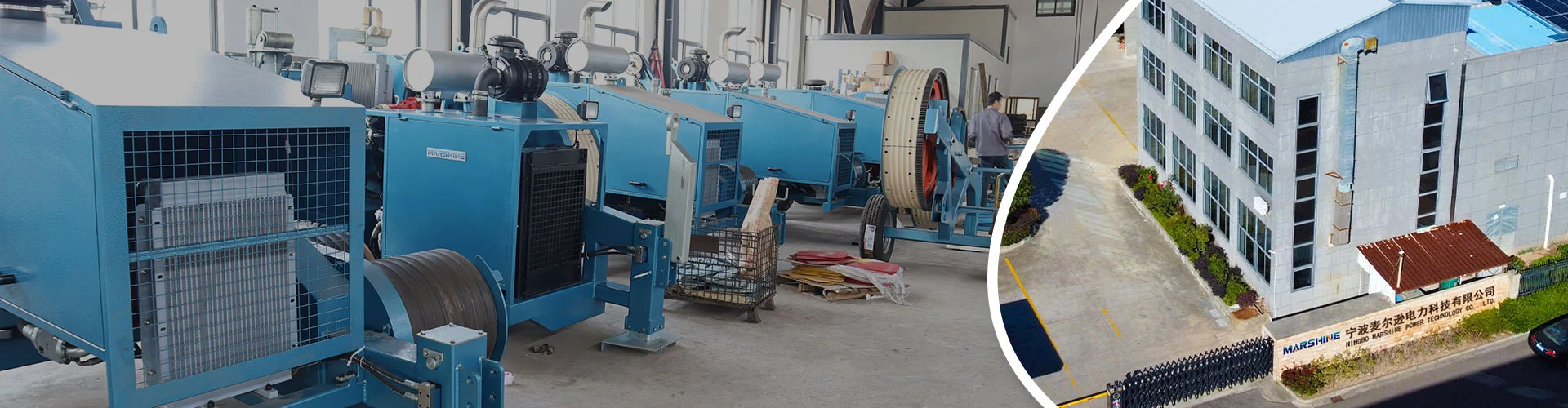
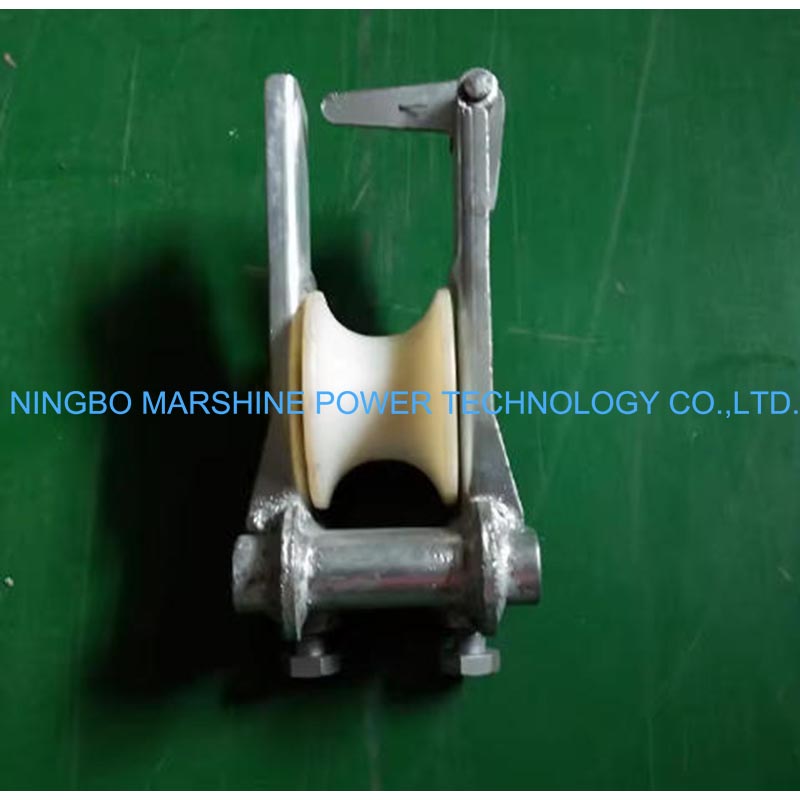
Choosing the right cable roller is essential for project safety and efficiency. A proper cable roller can greatly enhance productivity by allowing for smoother cable management. It also minimizes the risk of strain injuries, making the work environment safer. With MARSHINE's advanced cable rollers, you'll find tools designed to meet your unique needs, including options like cable sheaves and stringing blocks, ensuring that every installation goes smoothly.
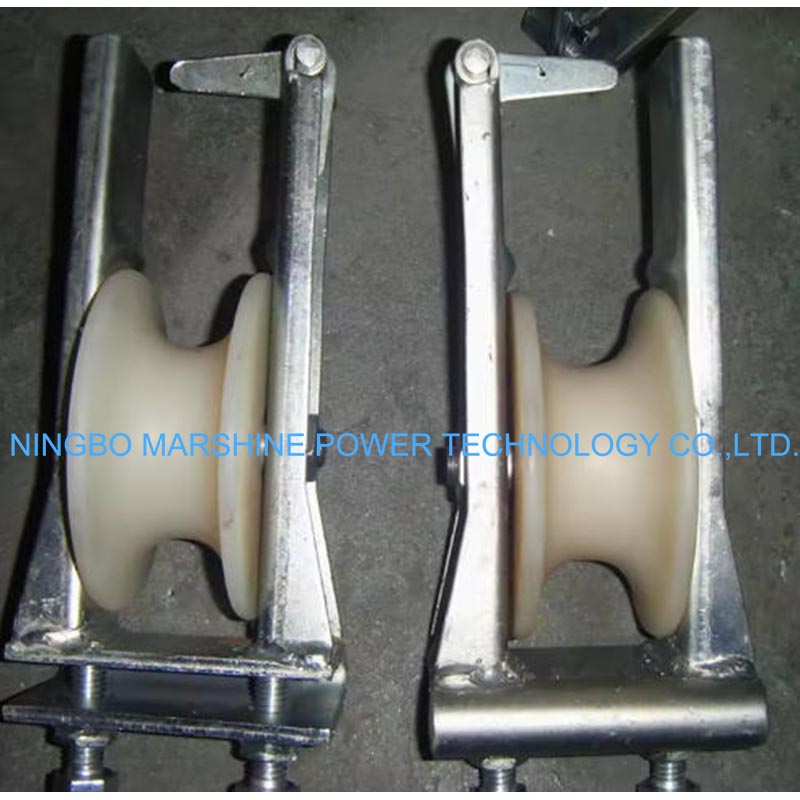
Cable rollers play a vital role in the installation and management of cables. They help guide cables smoothly through various obstacles, reducing friction and preventing damage. This function is essential for maintaining the integrity of the cables, as it minimizes kinks, twists, and abrasions that can occur during installation.
Understanding the main components of cable rollers can help you choose the right one for your needs. Here’s a quick overview of some important features:
| Component/Feature | Description |
|---|---|
| Safety Catches | Prevent reels from falling off the machine. |
| Slip Clutch | Protects the drive train and maximizes safety. |
| Drive Rotation | Variable speed control for optimal reel assistance. |
| Reel Diameter | Adjustable idler roller side for various diameters using pop pins and guides. |
| Leveling Feet | Allows leveling on uneven ground. |
| Side Guides on Rollers | Adjustable for different reel widths. |
| Frame | Extra heavy-duty, rigid frames for durability. |
| Loading Capacity | Varies from 20,000 to 80,000 lbs (10-40 ton). |
| Turning Speed | Ranges from 2.5 to 47.5 RPM for efficient operation. |
| Design | Lightweight and easy-to-use for quick operation. |
These components work together to ensure that cable rollers function effectively. For instance, the slip clutch protects the drive train, while the adjustable side guides accommodate different reel widths.
Cable rollers guide and support cables, significantly reducing friction during installation. This reduction is crucial for preventing damage such as kinking, crushing, or abrasion. By providing a smooth path for the cables, they help maintain the cables' integrity and performance, especially over long distances.
The materials used in manufacturing cable rollers also impact their durability and performance. Here’s a quick look at common materials:
| Material | Description |
|---|---|
| Steel | Used for pulleys with spherical bearings. |
| Aluminum | Used for alloy wheels with sliding bearings. |
| Nylon | Used for wheels with plain bearings. |
Each material has its own advantages, making it important to choose one that fits your specific needs.
When selecting a cable roller, several key factors come into play. Understanding these factors can help you make an informed decision that suits your specific needs.
Load capacity is one of the most critical aspects to consider. It refers to the maximum weight the cable roller can support without risking deformation or failure. Professionals recommend choosing a roller rated for at least 20-30% more than the weight of the cable being used. This extra capacity accounts for dynamic loads, which can occur during installation.
| Evidence | Explanation |
|---|---|
| Load Capacity | The roller must safely support the maximum tension and weight of the cable under installation conditions. Overloading can result in roller deformation, failure, or unsafe working conditions. |
| Rated Load Capacity | Check the roller’s rated load capacity (measured in pounds or kilograms) and ensure it exceeds your cable’s maximum pulling tension by at least 20–30% for safety. |
| Dynamic Loads | Consider dynamic loads—tension spikes during pulling—especially in long runs or directional changes. |
| Heavier Cables | Heavier cables (e.g., high-voltage power cables) require rollers with reinforced frames and bearings to maintain smooth rotation under load. |
The material of the cable roller significantly impacts its durability and performance. Different materials offer various advantages and disadvantages depending on the environment in which they will be used.
| Material | Advantages | Disadvantages |
|---|---|---|
| Plastic | - Low cost, lightweight, corrosion proof. | - May not be as strong as steel in heavy-duty applications. |
| - Modular design allows for easy replacement of damaged links. | ||
| - Can glide on themselves in long travel applications. | ||
| Steel | - Sturdy and durable, suitable for heavy-duty applications. | - Heavier and may require more complex support systems. |
| - Special coatings can enhance corrosion resistance. | - More expensive than plastic options. | |
| Plywood | - Cost-effective and reliable for cable storage. | - May not be as durable in extreme weather conditions compared to plastic or steel. |
| - Lightweight and easy to handle. | ||
| - Suitable for shipping various types of cables. |
Choosing the right material ensures that the cable roller can withstand the conditions it will face, whether indoors or outdoors.
The size of the cable roller is another important factor. It should correlate with the diameter of the cable being used. Maintaining the minimum bend diameter (MBD) is crucial to prevent damage to fiber cables during installation. Using small diameter rollers can lead to not maintaining the MBD, which is a common cause of cable damage.
Finally, consider the intended use of the cable roller. Different applications may require different types of rollers. Here are some recommended practices for matching cable roller types to their intended use:
| Selection Factor | Recommended Use Cases | Material & Design Tips | Budget Consideration |
|---|---|---|---|
| Manual Installation | Small-scale jobs, tight spaces, indoor wiring | Lightweight polymers, foldable frames | Low cost, high flexibility |
| Mechanical Installation | Large cable runs, utility projects, tunnels | Steel-reinforced, motorized or belt-driven | Moderate to high investment |
| Temporary Use | Events, construction, emergency repairs | Durable yet portable, quick-release mounts | Mid-range, reusable |
| Permanent Installation | Power plants, marine docks, factories | Stainless steel, corrosion-resistant seals | Higher initial cost, long-term savings |
| High Load / Harsh Environment | Heavy power cables, offshore, mining | Reinforced bearings, sealed housings | Premium pricing, essential for safety |
By understanding these factors, you can select a cable roller that not only meets your project requirements but also enhances safety and efficiency.
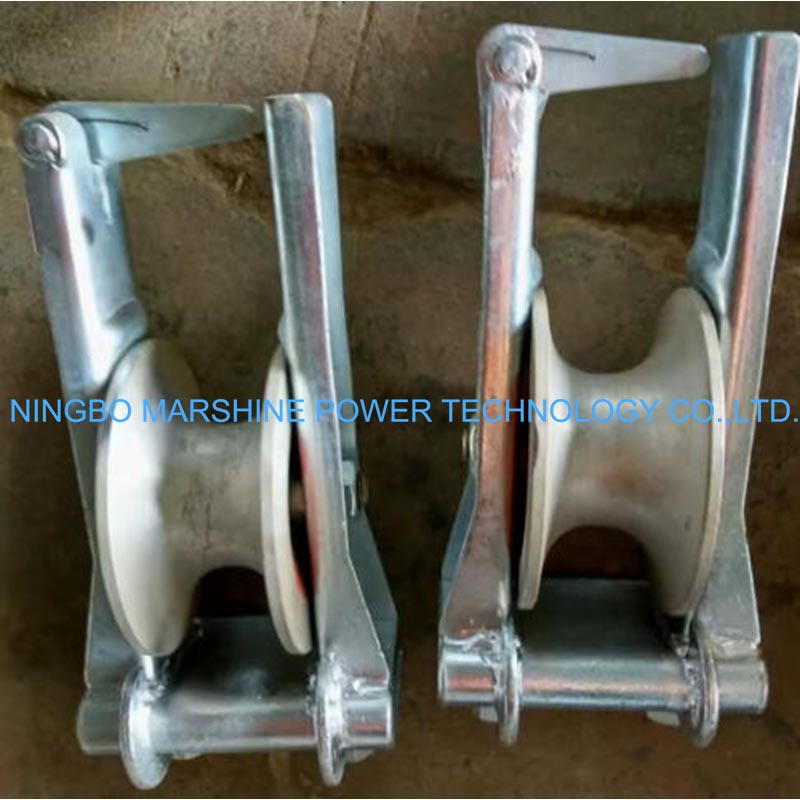
When it comes to cable rollers, variety is key. Different types serve unique purposes, making it easier to choose the right one for your project. Here’s a look at some popular types of cable rollers available in the market:
Each type has its own strengths. For example, straight cable rollers are perfect for laying cables in trenches. They help reduce kinks and manage cable loads effectively. On the other hand, corner cable rollers guide cables around bends and corners, preventing kinks and making pulling easier.
Here’s a quick comparison of straight and corner cable rollers:
| Type of Roller | Application Description | Performance Characteristics |
|---|---|---|
| Straight Cable Roller | Used for laying cables in trenches, reducing kinks and managing cable loads effectively. | Can withstand loads of up to 300kg, bridges cables on trenches. |
| Corner Cable Roller | Guides cables around bends and corners, preventing kinks and facilitating easier pulling. | Can hold a weight of up to 300kg, can be linked together to cover corners. |
Choosing the right type of cable roller can make a significant difference in your project's success. Whether you need a roller for heavy-duty applications or a lightweight option for smaller jobs, there's a perfect fit out there for you.
Cable rollers find their place in numerous industries, each benefiting from their unique capabilities. Here’s a look at some of the most common applications:
| Industry | Applications |
|---|---|
| Construction | Essential for installing electrical infrastructure in buildings, bridges, and tunnels. |
| Mining Operations | Vital for deploying power and communication systems in challenging environments. |
| Electrical Utilities | Used for installation and maintenance of power distribution networks. |
| Oil and Gas Industry | Supports secure handling of cables in offshore and hazardous environments. |
| Aerospace and Defense | Facilitates installation of critical wiring systems in aircraft and military equipment. |
| Marine Industry | Essential for deploying electrical systems in ships and offshore vessels. |
| Manufacturing Sector | Drives automation and power systems in modern manufacturing facilities. |
| Telecommunications | Used for installing fiber-optic and coaxial cables for networks. |
| Railway Systems | Powers signaling and communication infrastructure along rail corridors. |
| Renewable Energy | Deploys cabling in wind farms and solar power plants. |
| Event & Infrastructure | Temporary power distribution for events and emergency setups. |
In telecommunications, cable rollers play a crucial role. They support various communication cables, including fiber optic and coaxial types. By placing these rollers along cable pull paths, teams can minimize friction and enhance installation speed. This ensures a damage-free deployment, making the process smoother and more efficient.
Cable rollers also help overcome common challenges faced during installation. For instance, they reduce friction between cables and surfaces, making it easier to navigate complex routes. They keep cables elevated and organized, enhancing safety and improving overall productivity.
Maintaining your cable roller is crucial for ensuring its longevity and performance. Here are some essential tips to keep your roller in top shape:
Routine Cleaning: Regularly clean your cable roller to prevent dust, dirt, and contaminants from accumulating. This buildup can harm the roller's surface and affect its operation. Use appropriate cleaning agents recommended by the manufacturer, as different materials may react differently to chemicals.
Regular Inspections: Conduct routine inspections to catch any signs of wear and tear early. Look for unusual sounds like grinding or squeaking during operation. If you notice sticking or jerky movement, it might be time for maintenance.
Lubrication: Keep moving parts well-lubricated to ensure smooth operation. This practice helps eliminate dust and oily residues that can obstruct functionality and attract moisture.
Timely Replacement: If you see visible damage such as chips, cracks, or rust, consider replacing the roller. Also, if the roller is around 7–10 years old, it may be time for an upgrade.
Tip: Avoid common mistakes during maintenance. For instance, using a single roller type for all cables can lead to inefficiencies. Always match the roller to the specific cable type and load capacity.
| Selection Factor | Common Mistakes to Avoid |
|---|---|
| Cable Compatibility | Using a single roller type for all cables |
| Load Capacity | Ignoring dynamic tension spikes |
| Material & Durability | Using untreated steel in wet environments |
| Mobility & Transport | Using fixed, heavy rollers on mobile jobs |
| Adjustment Features | Using non-adjustable rollers in complex routes |
By following these maintenance tips, you can ensure a safe working environment, promote efficient installation processes, and extend the usable lifespan of your cable roller.
In summary, choosing the right cable roller involves understanding your specific needs. Consider key factors like load capacity, material, size, and intended use. For instance, stainless steel rollers excel in marine environments due to their corrosion resistance. On the other hand, aluminum alloy rollers are lightweight and perfect for aerial installations.
Tip: Always match the roller material to your project requirements. Using the wrong type can lead to safety hazards and costly damage.
By keeping these considerations in mind, you can ensure a successful installation.
Cable rollers guide and support cables during installation, reducing friction and preventing damage.
Choose a roller rated for at least 20-30% more than your cable's weight to ensure safety.
It's best to match the roller type to the specific cable to avoid damage and ensure efficiency.