

A heavy cable reel can weigh several tons, and once it starts turning under pull tension, small specification mistakes become serious safety risks. Hydraulic reel support equipment helps crews lift, position, and control large drums with far less manual strain, but the right setup depends on more than headline capacity. Buyers need to compare load ratings, drum diameter range, spindle compatibility, braking method, and ground stability before committing to a model. This guide explains the key selection factors for contractors, utility crews, and procurement teams, including when a dedicated hydraulic solution makes more sense than screw jack stands, reel trailers, or short-term rental equipment.
Define Hydraulic Drum Stand Requirements
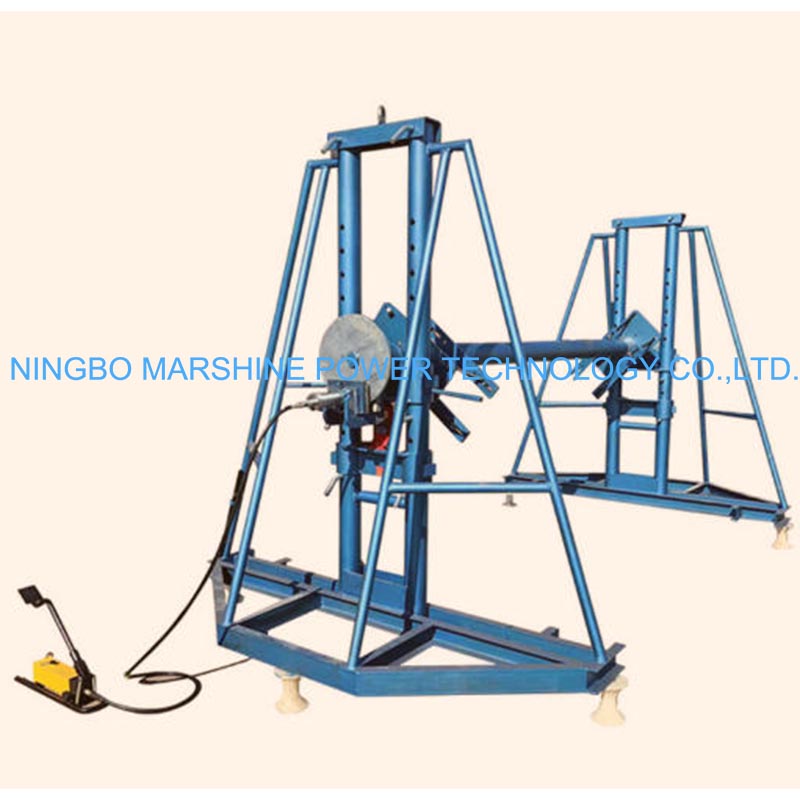
When crews hit the jobsite for a major cable pull, having the right equipment to support massive spools of wire is non-negotiable. While mechanical screw jack stands or trailer-mounted reel carriers are viable alternatives for light-duty pulls, a dedicated hydraulic cable reel holder takes the physical strain out of heavy-duty operations, providing a safe, controlled spooling process. Because these stands are almost always deployed in matched pairs to support a single reel across a spindle, a single unit is insufficient for standard setups. Choosing the ideal pair—or deciding between a short-term rental for infrequent, specialized pulls versus a long-term purchase for regular stringing operations—requires evaluating specific project demands to ensure the equipment holds up under real-world pressure.
Key Load and Drum Capacity Parameters
The most critical starting point is matching the equipment to your typical reel dimensions and weights. Note that load ratings generally apply to the combined capacity of the matched pair. Depending on the manufacturer, hydraulic drum stands are rated for specific load bands, frequently ranging from 30 kN (roughly 3 tons) for lighter distribution work up to 100 kN (10 tons) or more for heavy transmission cables. Crucially, static load ratings do not fully account for tension spikes, snatching, or shock loads during active cable pulls. Buyers should factor in a dynamic safety margin by selecting a matched pair rated for 1.5 to 2 times the expected peak load, including snatch forces.
Beyond raw weight, the drum's physical size dictates the required frame geometry. A versatile setup needs to accommodate drum diameters anywhere from 1,200 mm up to massive 3,200 mm spools. Equally important is drum width and stand span adjustability; matched pairs must accommodate varying flange widths and arbor lengths to ensure a secure fit. When handling reels of this size, also account for wind exposure, which can create significant lateral loads. The spindle bar—the solid steel shaft that runs through the reel—must have a high enough yield strength to prevent bending under heavy loads, while fitting through typical 50 mm to 120 mm drum arbor holes. Always verify compatibility with your existing spindle bar inventory before finalizing specifications.
Additionally, check whether the stand includes an integral braking mechanism to control payout tension. It is important to distinguish between brake types—such as manual band brakes, hydraulic disc brakes, and passive friction devices—because payout control and maintenance requirements vary significantly and directly affect crew safety. Ensure the chosen braking system is compatible with different reel flange materials, whether wood, steel, or composite.
Jobsite Conditions That Affect Specifications
Equipment specifications must translate well to the actual working environment. Soft soil, mud, and uneven gravel are the norm, making the stand's ground bearing pressure incredibly important. Buyers should also consider environmental operating limits; equipment must feature adequate corrosion protection, such as hot-dip galvanizing, and utilize hydraulic fluid compatible with the ambient temperature ranges of your specific region.
To prevent the heavy reel from sinking and tipping over, look for stands featuring wide, reinforced base plates designed to distribute ground pressure safely. Furthermore, independent hydraulic jacks on each side allow operators to level the drum on uneven terrain, a crucial feature for preventing the cable from tracking to one side and binding during a high-tension pull.
Compare Hydraulic Drum Stand Specifications
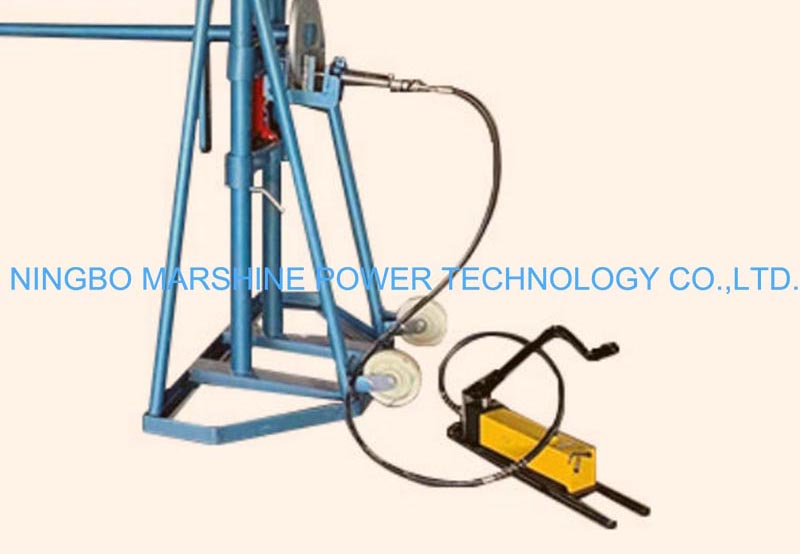
Comparing hydraulic drum stands involves looking past the fresh paint to examine structural integrity, lifting mechanics, and manufacturer credentials. Evaluating these hardware features and supplier signals separates professional-grade equipment from budget alternatives, ultimately reducing setup times and minimizing the risk of a dropped drum.
Frame, Lifting, and Stability Features
The backbone of any good stand is a high-strength welded frame, typically constructed from industrial-grade structural steel. When evaluating the lifting mechanism, pay attention to the hydraulic cylinder stroke length. A longer stroke—typically between 300 mm and 500 mm—gives crews more clearance to lift oversized drums off uneven ground.
Operational safety requires mechanical spindle locks during setup to secure the arbor bar, as well as a mechanical lock-off collar or pin system on the hydraulic ram. If a hydraulic seal blows during a pull, this mechanical backup prevents the drum from crashing down. Ensure the manufacturer provides clear hydraulic seal maintenance intervals; while routine inspections are often recommended every 6 to 12 months, these intervals are not universal and will vary significantly based on the manufacturer, region, and duty cycle.
Here is a quick reference table illustrating typical hydraulic drum stand classes (note that these represent illustrative manufacturer groupings rather than universal industry standards, and exact specifications will vary):
| Stand Class | Max Load Capacity | Supported Drum Diameter | Typical Lift Stroke |
|---|---|---|---|
| Light Duty | 3 Tons (30 kN) | 800 - 1,400 mm | 250 mm |
| Medium Duty | 5 Tons (50 kN) | 1,200 - 2,400 mm | 350 mm |
| Heavy Duty | 10 Tons (100 kN) | 2,000 - 3,200 mm | 500 mm |
| Super-Heavy Duty | 15+ Tons (150+ kN) | 2,500 - 3,600 mm | 600 mm |
Supplier Capability and Support Signals
The quality of the stand is intrinsically linked to the capability of its manufacturer. Experienced buyers look for suppliers with a proven history in manufacturing power line construction equipment. Instead of relying on vague marketing claims, prioritize vendors that provide concrete procurement documentation, such as factory proof-load certificates, third-party weld inspection reports, and regional lifting-equipment compliance documentation.
Procuring equipment through an established industrial supplier should involve a strict selection checklist to ensure your drum stands integrate perfectly with your cable pulling winches, stringing blocks, and tensioners. A supplier with a robust service network, reliable spare parts availability, and recognized safety certifications (such as CE, ISO 9001:2015, or ANSI/ASME) guarantees that your equipment will perform safely on high-stakes power grid projects.
Choose the Right Hydraulic Drum Stand
Making the final call on a hydraulic reel support stand comes down to balancing technical specifications with everyday usability.
Further reading:
Key Takeaways
- Use hydraulic drum stands as a matched pair because standard cable pulling requires two supports and a compatible spindle bar.
- Choose a pair rated for 1.5 to 2 times the expected peak load to account for dynamic pulling forces and shock loads.
- Verify drum diameter, width, arbor hole size, and spindle yield strength before finalizing any stand specification.
- Select a braking system that matches your payout control needs and the reel flange material, such as wood, steel, or composite.
- Assess soil, slope, weather exposure, and corrosion risk because real jobsite conditions can reduce stability and equipment life.
Frequently Asked Questions
Do hydraulic drum stands need to be used in pairs?
Yes. Standard cable pulling setups use two matched stands supporting one reel on a spindle bar. A single unit is generally not sufficient for safe reel lifting, payout, or alignment.
What load rating should I choose for a hydraulic drum stand?
Select a matched pair rated at least 1.5 to 2 times the expected peak reel load, including pulling tension, snatch forces, and possible shock loads.
What drum sizes can hydraulic drum stands support?
Many heavy-duty stands are designed for drum diameters from about 1,200 mm to 3,200 mm, but you must also confirm drum width, arbor hole size, and spindle compatibility.
Is a braking system necessary for cable payout?
For controlled cable pulling, a brake is strongly recommended. Manual band brakes, hydraulic disc brakes, and friction systems offer different levels of payout control and maintenance needs.
How do jobsite ground conditions affect stand selection?
Soft soil, mud, and uneven gravel increase tipping and sinking risks. Choose stands with stable bases, suitable ground bearing pressure, and use support mats when needed.