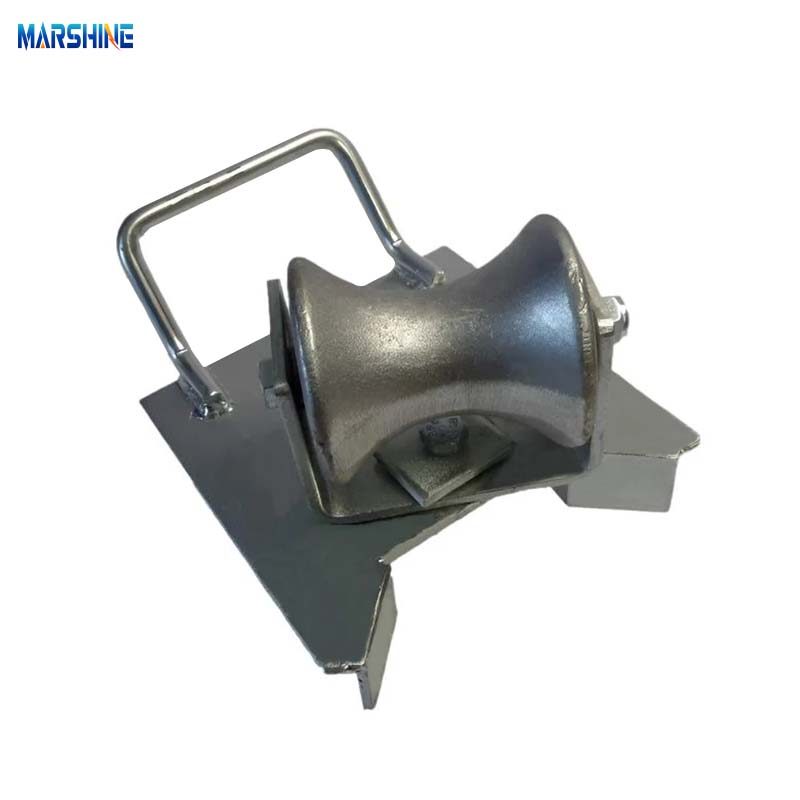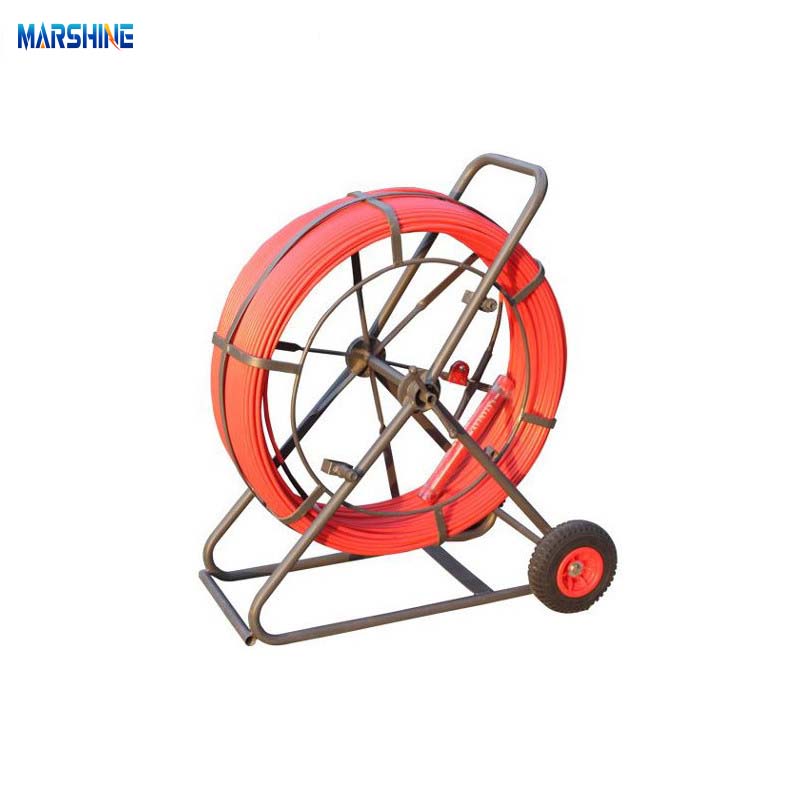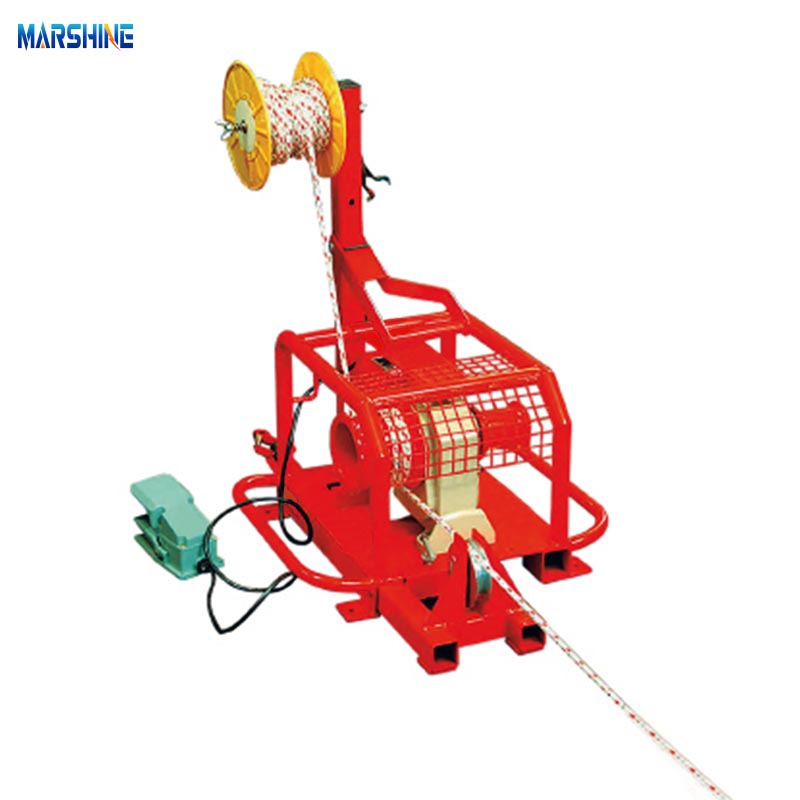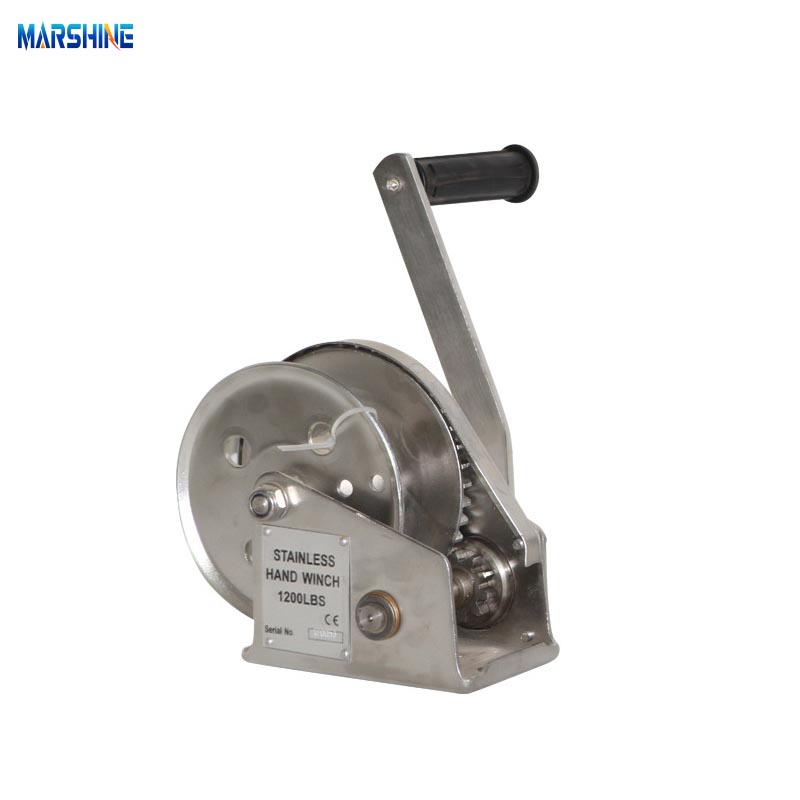


A wire rope pull can shift from routine to hazardous in seconds if the block, rope, or winch is mismatched. The right lifting block does more than redirect force; it protects the rope from excessive bending, controls friction and heat, and helps prevent dangerous snapback during high-tension work. This article explains the safety basics behind selecting and using lifting blocks in cable pulling systems, including Working Load Limit, common 5:1 design-factor expectations, and the widely used 15:1 D:d ratio guideline. It also clarifies why pulling blocks and overhead lifting blocks are not automatically interchangeable, and which design features help crews reduce risk on demanding utility and industrial jobs.
Lifting Block Safety Basics
When planning a rigging operation, a reliable lifting block is an essential component that keeps wire ropes running smoothly and crews safe. While standard lifting blocks are engineered specifically for vertical suspension under stringent overhead standards, many operations require dual-rated lifting blocks capable of handling dynamic horizontal or angled pulling forces. Crucially, standard pulling blocks and overhead lifting blocks are not interchangeable. Never use a pulling block for overhead suspension unless it is explicitly dual-rated by the manufacturer and clearly bears the applicable compliance markings. Conflating the two risks dangerous misapplication on job sites; if a block fails under load, the resulting snapback can be catastrophic for both the infrastructure and the rigging crew.
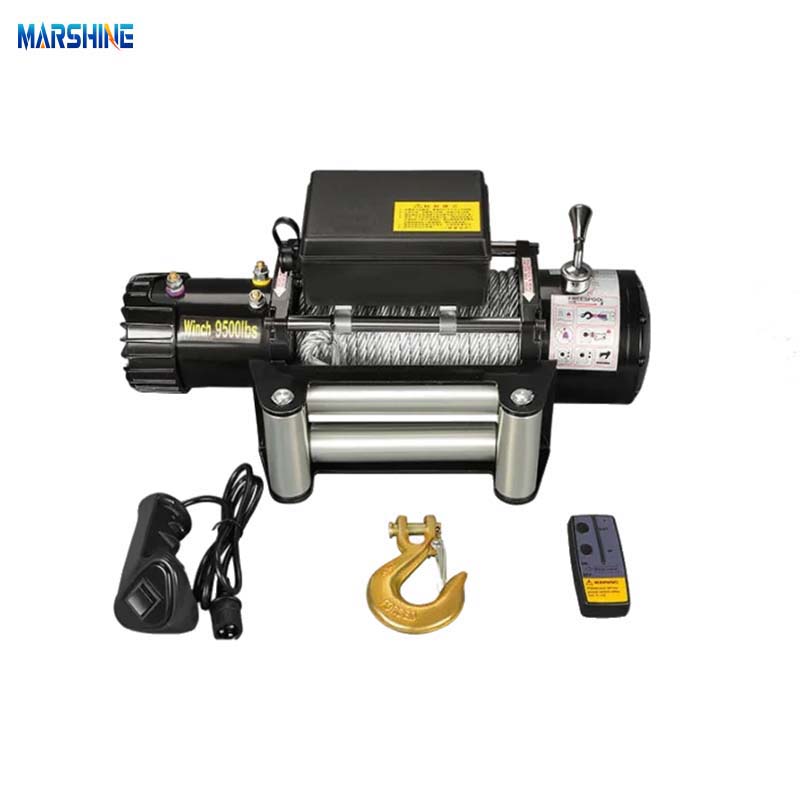
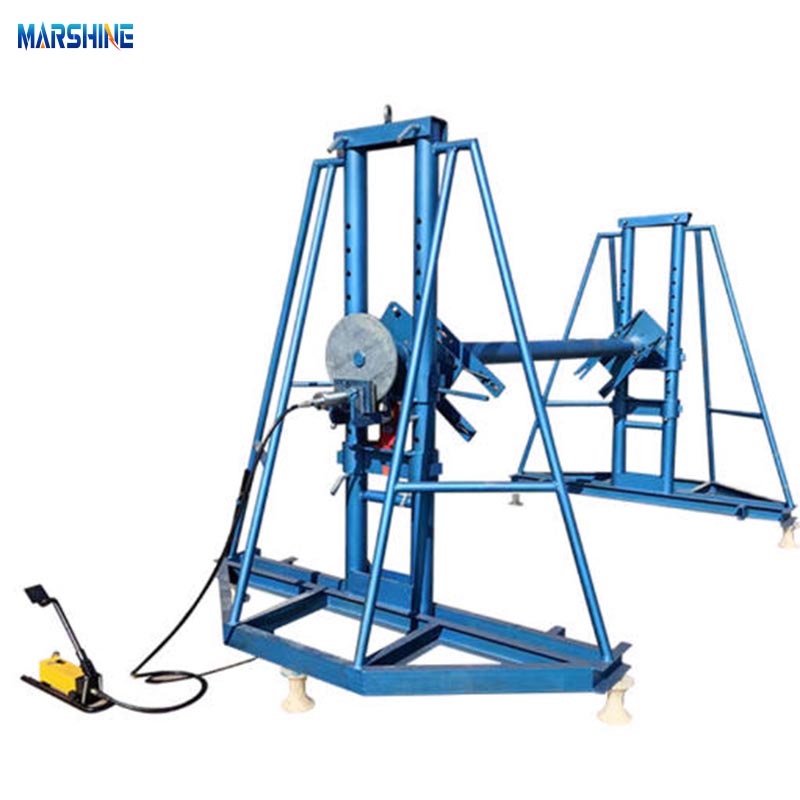
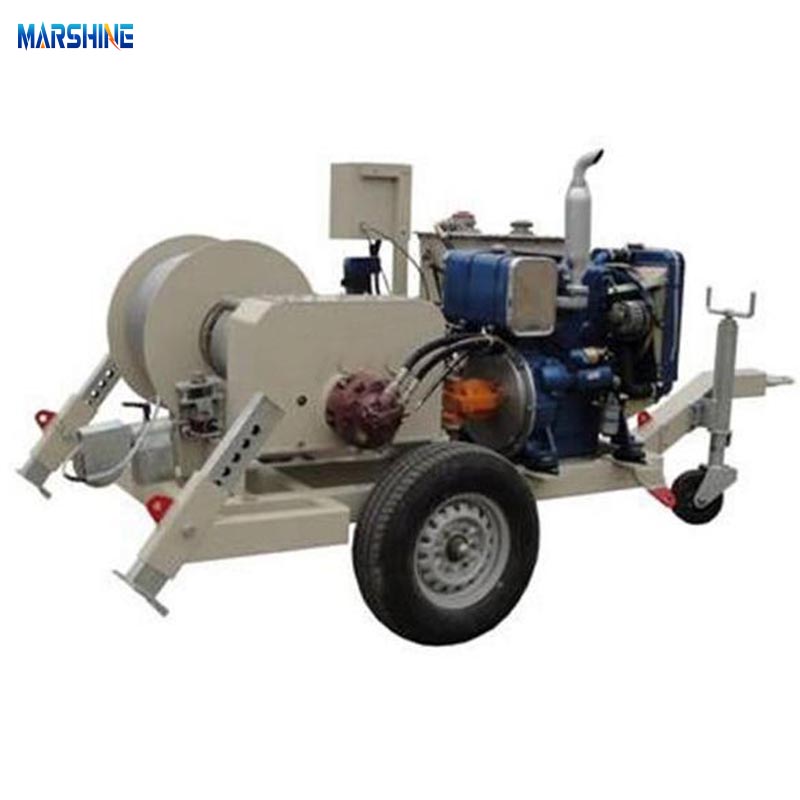
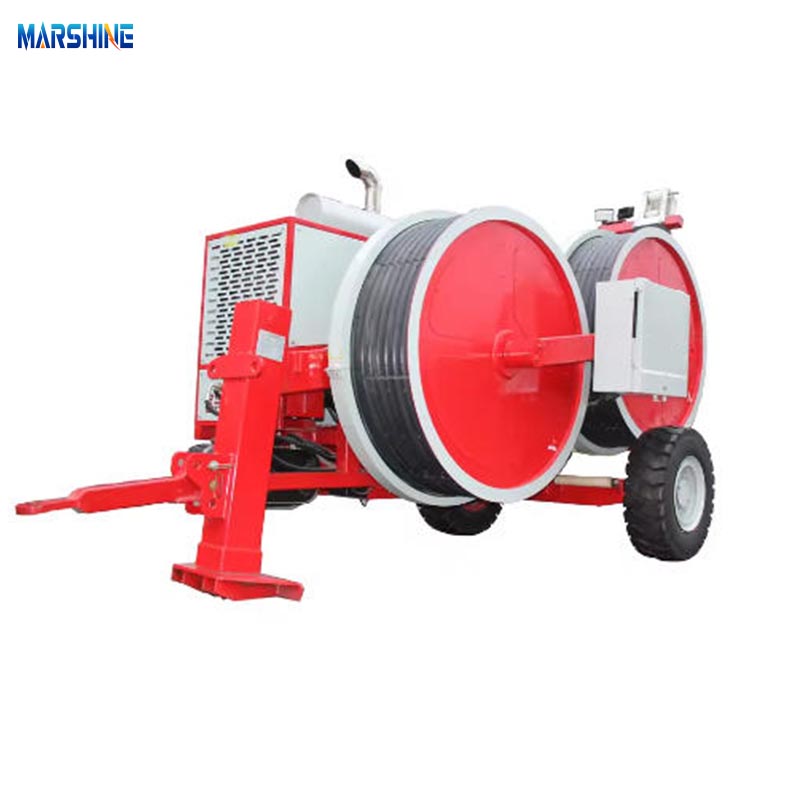
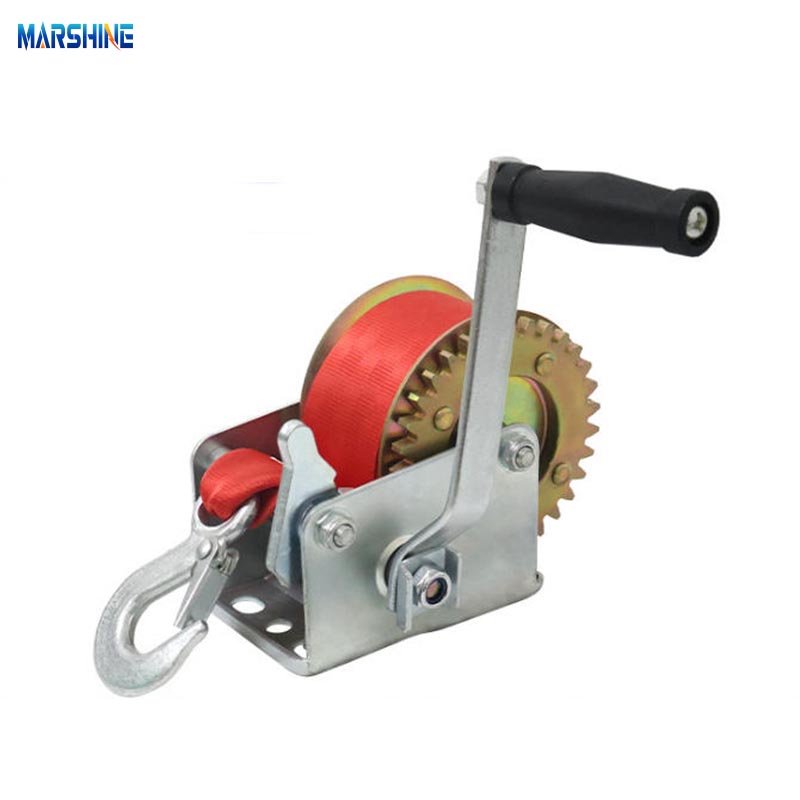
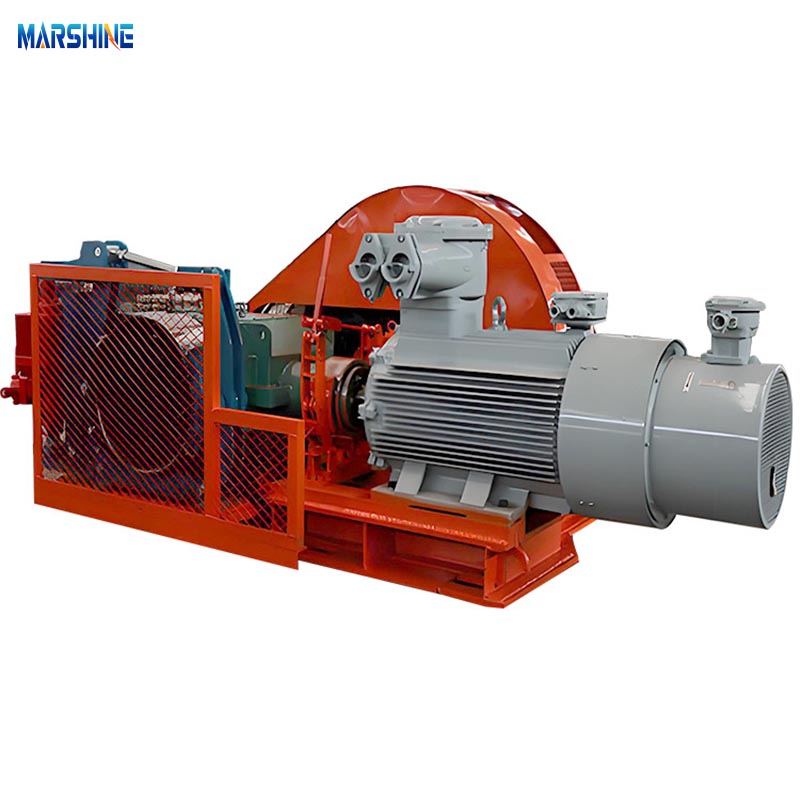
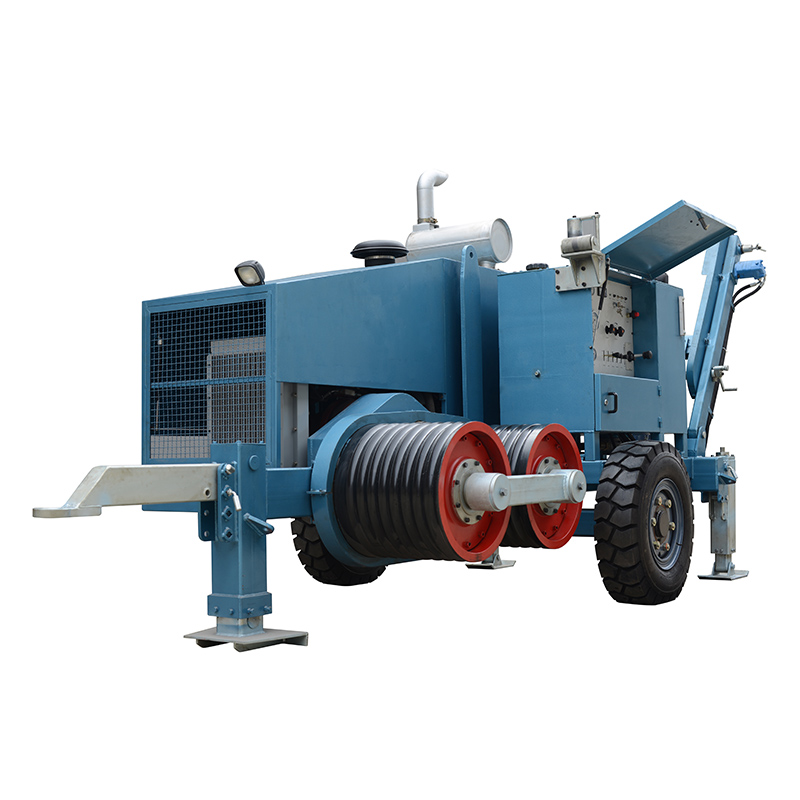
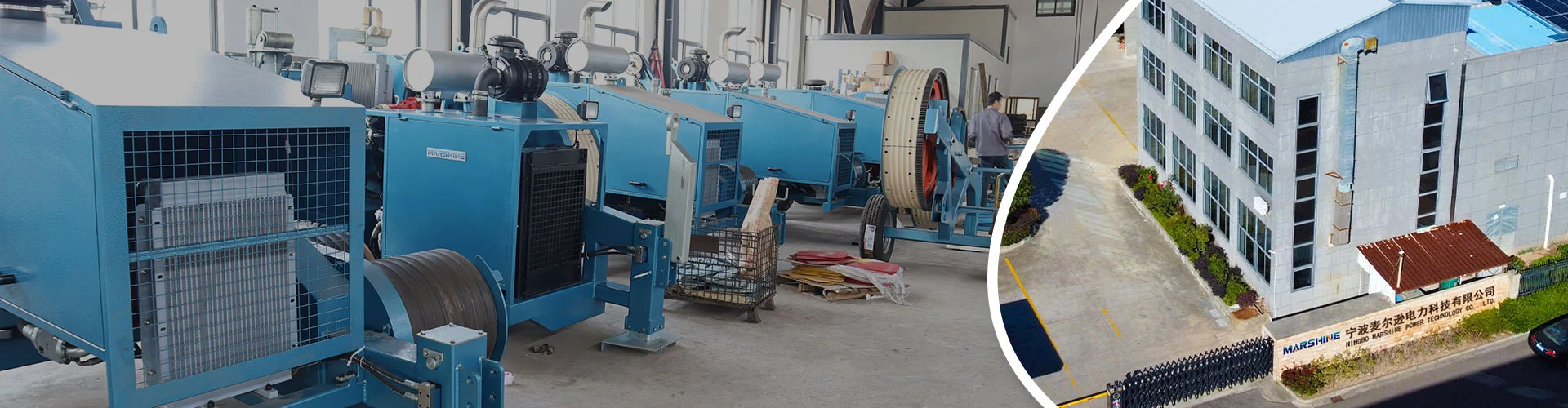
A lifting block rarely works alone; it is part of a larger rigging ecosystem, operating in tandem with wire rope winches, cable pulling socks, and cable drum trailers. Industrial cable winch systems utilize robust blocks designed to handle extreme, sustained stresses, ensuring that power grid construction and heavy industrial operations proceed safely. Modern dual-rated lifting blocks integrate essential structural features that prevent rigging failures.
Key Specifications for Safe Wire Rope Pulling
Specifying the right lifting block starts with understanding the math behind the operation. The Working Load Limit (WLL) is the absolute baseline. Under recognized industry guidelines like ASME B30.26 (Rigging Hardware) and specific manufacturer utility guidelines, rigging hardware typically mandates a minimum design factor of 5:1, though standards can differ by jurisdiction and application. Some specific manufacturer specifications for pulling applications may cite a 4:1 design factor. In a 5:1 system, a block officially rated for a 5-ton working load is engineered to withstand up to 25 tons before catastrophic structural failure occurs. However, this design factor is strictly a structural safety margin for unforeseen conditions, not permission to exceed the WLL. Dynamic overloads can quickly exceed the WLL, so shock loading must be explicitly prohibited.
Another critical specification is the D:d ratio, which calculates the ratio of the sheave diameter to the wire rope diameter. To prevent premature wire fatigue and dangerous snapping caused by bending stresses, industry guidelines commonly recommend a minimum D:d ratio of 15:1 as a general rule of thumb for standard wire rope applications, unless the manufacturer specifies otherwise. Adhering to these numerical thresholds is a vital aspect of safe project planning.
How Design Features Reduce Pulling Risks
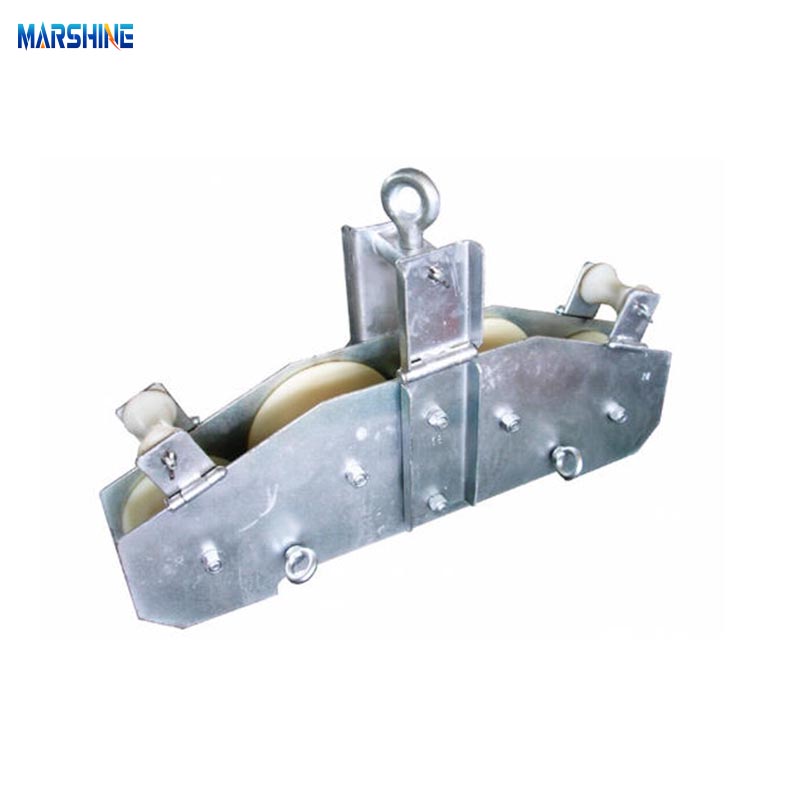
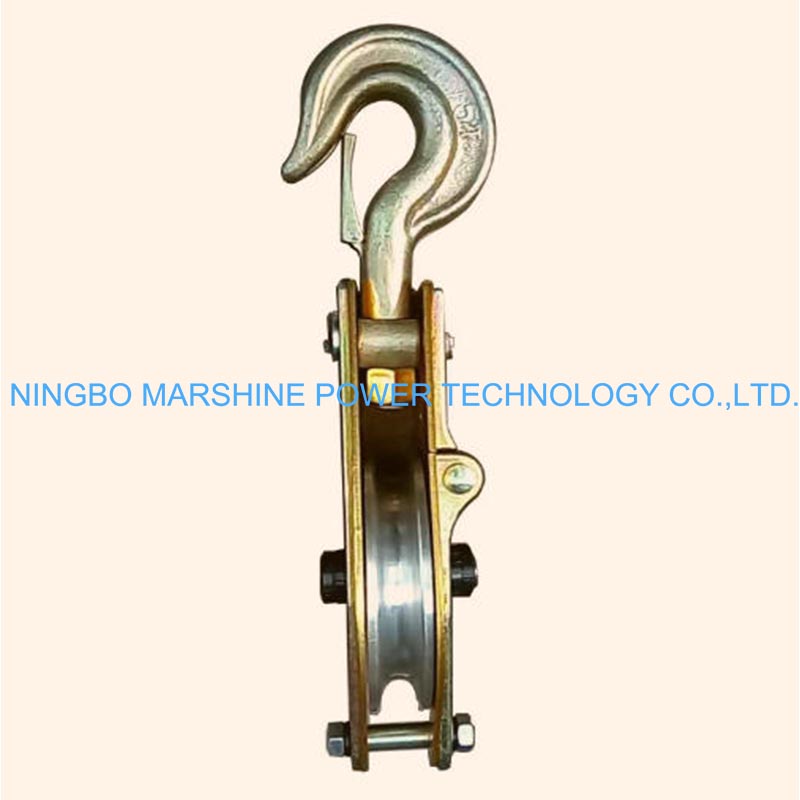
The physical features of a lifting block reduce daily risks on the job site. Modern blocks feature advanced self-lubricating bronze bushings or sealed roller bearings that drastically cut down rotational friction, preventing the wire rope and block from overheating during a long, high-tension operation. Snatch blocks, a specific type of block featuring hinged side-plate opening mechanisms for easy mid-line rope insertion, are commonly used in these dynamic systems.
Additionally, high-quality lifting blocks incorporate secure, spring-loaded locking pins and heavily reinforced, drop-forged side plates. These physical barriers ensure the stranded wire rope cannot jump out of the sheave groove, a common hazard that can instantly slice through adjacent rigging gear or snap the line under tension. Environmental factors like corrosion, UV exposure on synthetic components, and temperature extremes must also be accounted for to guarantee a safe and reliable product for the entire crew.
Comparing Lifting Block Options
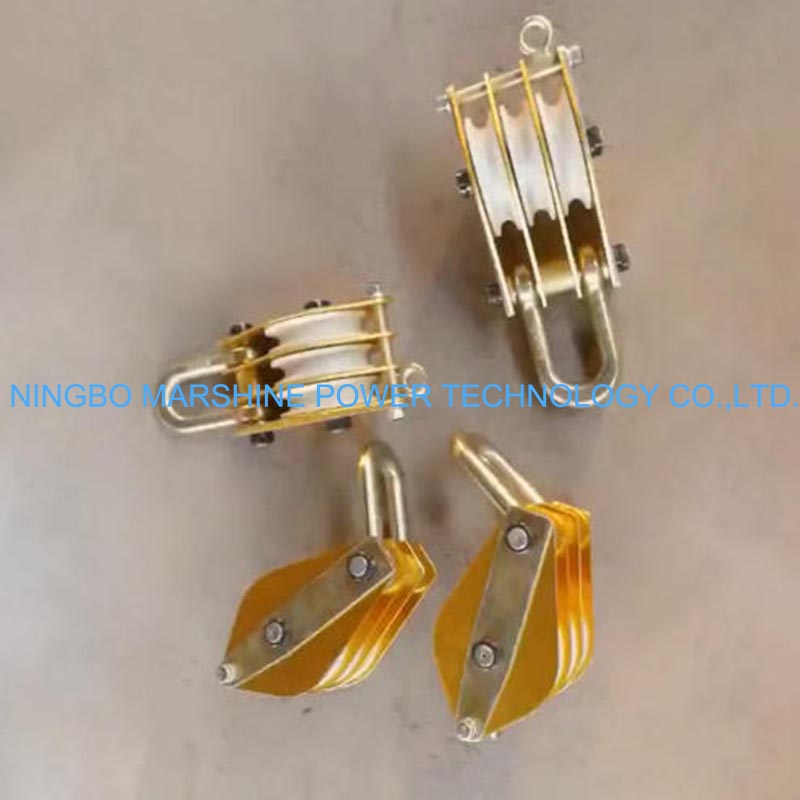
Not all lifting blocks are built the same, and matching the right hardware to the specific job site environment is a major part of risk management. Selecting the appropriate block requires evaluating key decision criteria, including the type of load, environmental conditions, and crew mobility.
Whether crews are working on high-altitude aerial cable setups that demand portability or pulling heavy underground lines through tight conduits, the market offers a variety of specialized dual-rated lifting blocks to meet these demands. Understanding the nuanced differences in materials, load ratings, and design is crucial for keeping operations safe.
Materials, Load Ratings, and Sheave Design
The choice of material dictates both the physical weight of the lifting block and its suitability for specific applications. Forged steel blocks are the standard for heavy-duty rigging, offering durability and deformation resistance for extreme tension. Conversely, aluminum blocks paired with specialized sheave materials offer a lightweight alternative that is much easier for crews to haul up utility poles.
| Feature | Forged Steel Block | Aluminum Alloy Block |
|---|---|---|
| Typical Application | Heavy underground pulls | Aerial cable stringing |
| Weight Profile | Heavy (often requires machinery) | Lightweight (man-portable) |
| Load Capacity Profile | High-tonnage industrial pulls | Moderate-tonnage utility pulls |
| Sheave Material | Solid Steel | Aluminum or Nylon Wheels |
Selecting a specialized Sheave Block based on these parameters ensures the hardware won't warp or fail under pressure. Design features like nylon wheels specifically protect delicate fiber optic cables from crushing forces, highlighting how material choice directly impacts both safety and cable integrity.
Inspection, Certification, and Supplier Quality
Even the best materials require rigorous quality control and reliable field inspections to ensure safety. A safe lifting block must meet strict, verifiable standards before use. Rather than relying solely on manufacturer guarantees, crews must utilize an actionable field-inspection checklist before each operation.
This pre-use inspection must include concrete retirement criteria. Crews should check side plates for any visible deformation and test bearing rotation to ensure it spins freely without grinding. Instead of merely guessing at wear, inspectors should use a sheave gauge to measure groove wear, retiring the block if the wear exceeds a measurable percentage (often 10%, or the manufacturer's specific limit). Additionally, inspectors must verify that all locking pins engage securely and that locking mechanisms fully seat. Adhering to these strict mechanical checks ensures that every tool, from standard wire rope pulleys to complex transmission stringing blocks, is retired before bearing degradation or structural fatigue causes a failure in the field.
Choosing and Using the Right Lifting Block
Procuring a certified, high-quality lifting block is only the first step in safe operations.
Further reading:
Key Takeaways
- Verify that the lifting block is rated for the exact application, and never use a pulling block for overhead lifting unless it is clearly dual-rated and properly marked.
- Treat the Working Load Limit as the maximum allowable service load, because a 5:1 design factor is a safety margin and not permission to overload the block.
- Use the correct sheave size for the wire rope, with a 15:1 D:d ratio as a common minimum guideline unless the manufacturer specifies otherwise.
- Plan for angled and horizontal pulling forces, since dynamic loads and shock loading can quickly exceed the block’s rated capacity.
- Choose blocks with sealed roller bearings or self-lubricating bushings, reinforced side plates, and secure locking pins to reduce friction, heat, and failure risks.
- Match the lifting block with the full cable pulling system, including the wire rope winch, pulling socks, and cable drum trailer, before starting work.
Frequently Asked Questions
Is a pulling block the same as an overhead lifting block?
No. Pulling blocks and overhead lifting blocks are designed for different load directions and standards. Use a pulling block for overhead suspension only if the manufacturer explicitly dual-rates it and the block carries the required compliance markings.
What does WLL mean on a lifting block?
WLL means Working Load Limit, the maximum load the block is rated to handle in service. It must never be exceeded, even if the block has a structural design factor such as 5:1.
Why is the D:d ratio important for wire rope safety?
The D:d ratio compares sheave diameter to wire rope diameter. A common minimum guideline is 15:1, unless the manufacturer states otherwise. Too small a sheave increases bending stress and can shorten rope life.
Can shock loading damage a lifting block?
Yes. Shock loading can create dynamic forces far above the expected pulling load and may exceed the WLL. Smooth winch control, proper planning, and avoiding sudden starts or stops are essential.
What design features make a lifting block safer?
Safer blocks often include sealed roller bearings or self-lubricating bronze bushings, reinforced drop-forged side plates, and spring-loaded locking pins. These features reduce friction, heat, rope wear, and accidental opening risks.