


A clean wire rope cut is not just about appearance; it affects fitting, crimping, load handling, and jobsite safety. The right manual cutter can slice through steel cable efficiently without flattening strands or leaving frayed ends, while the wrong tool can slow the crew and increase injury risk. This guide explains how to evaluate hand operated wire rope cutters by capacity, handle leverage, blade design, rope construction, and field conditions. It also clarifies when a compact manual tool is the practical choice and when thicker, high-tensile, or high-volume work calls for a hydraulic alternative.
Why Hand Operated Wire Rope Cutter Selection Matters
Selecting the correct manual wire rope cutter directly impacts jobsite efficiency and safety. Reliable equipment is critical for demanding rigging operations. A high-quality tool features drop-forged construction alongside precision-ground blades, ensuring clean cuts without fraying the steel strands. Proper selection helps avoid repetitive strain injuries while maintaining productivity during complex tasks. Crucially, remember that bolt cutters are not safe substitutes for purpose-built wire rope cutters.
Key Specifications to Check First
Verify the maximum cutting capacity before purchasing. Most standard models handle diameters ranging from 4mm up to 14mm. While some heavy-duty manual versions tackle slightly thicker lines, diameters above 14mm typically require hydraulic cutters. Note that rated capacity does not guarantee ease of use; cutting 12mm to 14mm wire rope manually requires significant hand strength and may not be suitable for high-volume work.
Seek tools featuring high-leverage handles and shear-cut blade designs, which trap the cable to prevent flattening. Keep in mind that rope construction significantly affects the required cutting force. For example, dense steel cores, stainless steel alloys, and compacted strands increase resistance compared to standard fiber cores. Additionally, cutting PVC-coated ropes often reduces the effective capacity of the tool and requires more frequent blade cleaning. A cutter with specially angled jaws prevents strands from unravelling, saving time during ferrule crimping procedures. Always ensure the wire rope is never cut under tension.
| Cutter Capacity | Example Handle Length | Example Tool Weight | Common Application |
|---|---|---|---|
| Up to 5mm | 190–200mm | 0.3–0.5 kg | Light rigging, fencing |
| Up to 9mm | 600–650mm | 2.0–2.5 kg | Standard utility work |
| Up to 14mm | 800–900mm | 5.0–5.5 kg | Heavy lifting cables |
When Manual Cutters Are the Better Choice
Manual cutters often outperform hydraulic alternatives in remote locations. A standard manual tool requires zero battery power and weighs significantly less than powered units, often staying under the 2.5 kg mark for a 9mm capacity model. When working at extreme heights or in harsh weather conditions, these cutters provide immediate usability without the maintenance overhead of complex hydraulic systems. Their simplicity eliminates downtime caused by blown seals or dead batteries, offering consistent operation in the field.
How to Compare Hand Operated Wire Rope Cutter Models
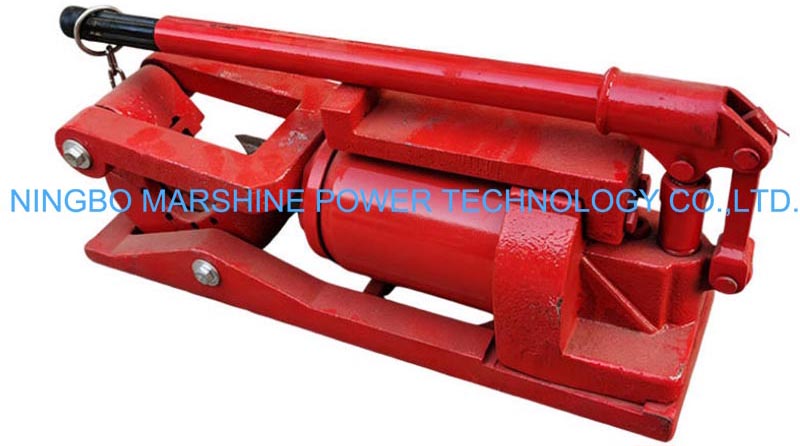
Evaluating the industrial market requires looking closely at how each tool performs under continuous mechanical stress. When sourcing from industry suppliers, compare models based on their robust construction designed specifically for the rigorous demands of daily rigging and pulling tasks. A well-engineered cutter includes corrosion-resistant finishes, protecting it from rust during outdoor storage.
Blade Quality, Capacity, and Cutting Performance
Blade hardness heavily dictates the functional lifespan of the tool. Look for cutters equipped with appropriately hardened blades tailored to the specific rope type, ensuring the cutting edges resist chipping when slicing through high-tensile steel cables. Hardness requirements vary by manufacturer and application, so verify the specifications match the intended workload. A properly manufactured cutter features a shear-type or notched jaw profile, leaving the wire rope round and ready for threading into aluminum sleeves or tensioning fittings. Note that even with high-quality blades, manual cutting may occasionally produce burrs that require deburring. Furthermore, reliable models utilize adjustable pivot bolts, allowing users to realign the blades after months of heavy usage.
Durability, Safety, and Ease of Use
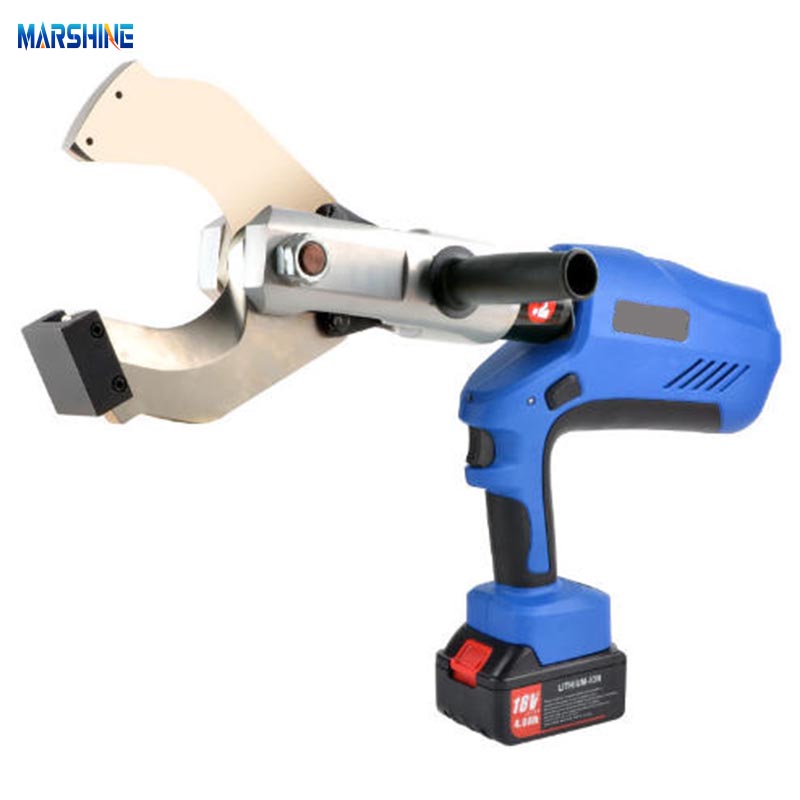
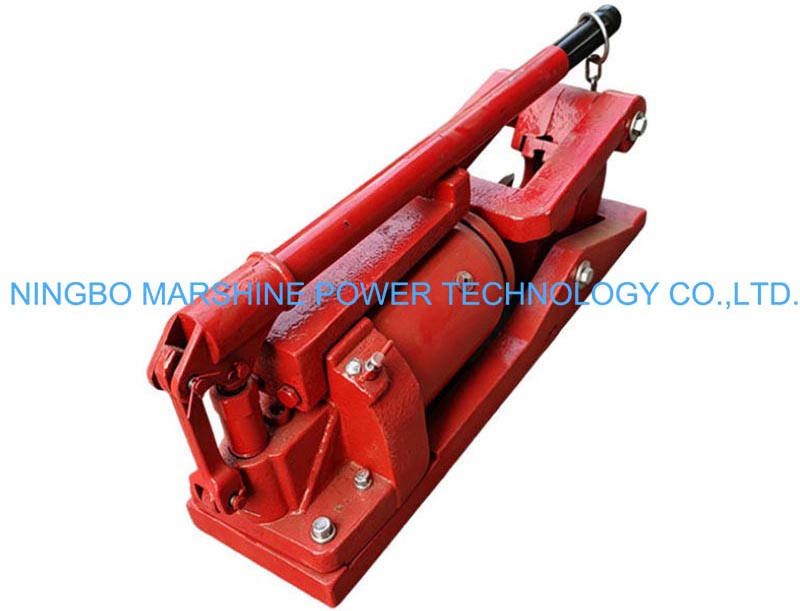
Long-term durability relies heavily on handle construction and pivot joint integrity. A premium cutter includes tubular steel or fiberglass handles measuring between 600mm and 900mm to maximize mechanical advantage. If higher capacity is needed without excessive manual force, evaluating a hand hydraulic wire rope cutter helps determine the appropriate balance of speed and sheer power. Essential safety features must include slip-resistant rubber grips and secure locking mechanisms, preventing accidental jaw opening during transit.
How to Choose the Right Cutter for Your Crew
Matching the tool to specific requirements ensures practical long-term value and lowers the total cost of ownership. The right cutter depends heavily on daily usage scenarios, crew ergonomics, and environmental exposure. A carefully chosen model features weather-resistant coatings and field-replaceable parts to minimize operational downtime. Selecting equipment with readily available spare components guarantees it remains functional through years of demanding work.
Jobsite Factors That Affect Selection
Unpredictable environmental conditions heavily influence equipment selection. For extremely confined working spaces, a compact manual wire rope cutting tool featuring a sub-200mm profile allows easier maneuvering in tight trenches. In hazardous industrial areas, a manual cutter eliminates the electrical and power-source hazards associated with battery-operated grinders or abrasive saws.
However, it is a dangerous misconception that standard steel manual cutters offer "spark-free operation." Steel-on-steel contact can and does produce sparks. For chemical plants, refineries, and other highly combustible environments, always specify non-sparking alloy tools. Proper personal protective equipment (PPE) and correct cutting techniques are required to ensure full operator safety.
Final Buying Checklist
Before finalizing a purchase, complete a strict technical evaluation:
- First, measure the actual wire rope diameter and construction type (e.g., stainless steel, compacted strands, or coated) used on the job, rather than relying solely on generic maximum capacity ratings.
- Second, test the cutting action and handle ergonomics if possible, ensuring your crew can operate the tool safely without excessive physical strain.
- Finally, ensure replacement blades and adjustable pivot bolts remain readily available to maintain the tool's service life, prioritizing manufacturers that provide clear maintenance guidelines and recognized quality certifications.
Further reading:
Key Takeaways
- Choose a manual cutter rated for your largest regular rope diameter, noting that most standard models handle about 4mm to 14mm.
- Use purpose-built wire rope cutters instead of bolt cutters to avoid crushed strands, fraying, and unsafe cut quality.
- Select high-leverage handles and shear-cut blades when cutting thicker rope or when clean ends are needed for ferrule crimping.
- Consider hydraulic cutters for diameters above 14mm or for frequent cuts through dense steel-core, stainless, or compacted wire rope.
- Check blade hardness, corrosion resistance, and forged construction when comparing cutters for daily rigging and pulling work.
- Always cut wire rope only when it is fully de-tensioned to reduce the risk of recoil, kickback, and injury.
Frequently Asked Questions
What cutting capacity should I choose for a manual wire rope cutter?
Match the cutter to the largest wire rope diameter you cut regularly. Standard hand operated models commonly cover 4mm to 14mm, but 12mm to 14mm cuts require more force and are less suitable for frequent high-volume work.
Can I use bolt cutters instead of a wire rope cutter?
No. Bolt cutters are not designed for wire rope and can crush, fray, or deform the strands. A purpose-built wire rope cutter uses shear-style blades that help produce a cleaner, safer cut.
When is a hydraulic cutter better than a hand operated cutter?
Choose a hydraulic cutter when cutting rope above about 14mm, working with very dense steel cores, or making many repeated cuts. Manual cutters are better for portability, remote jobs, and situations where batteries or hydraulic maintenance are impractical.
Why does wire rope construction affect cutting performance?
Dense steel cores, stainless alloys, compacted strands, and coated ropes increase cutting resistance. A cutter rated for a certain diameter may still feel difficult to use if the rope is harder, denser, or PVC-coated.
What features improve cut quality?
Look for precision-ground, hardened blades, high-leverage handles, shear-cut jaw geometry, and angled jaws that hold the rope securely. These features reduce flattening, fraying, and strand unraveling before ferrule crimping or installation.