

Key Line Tensioning Machine Specifications
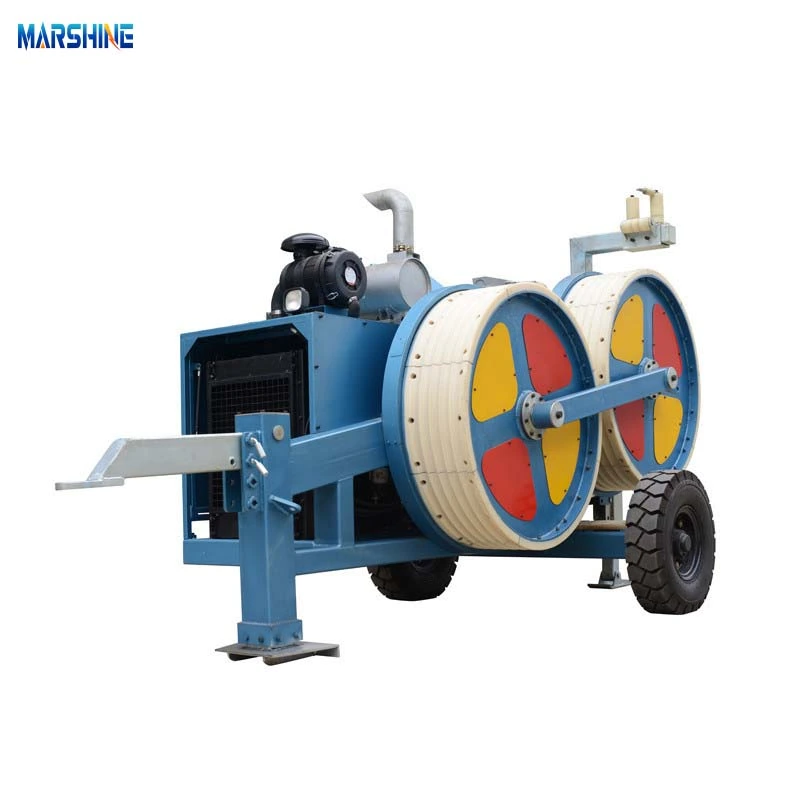
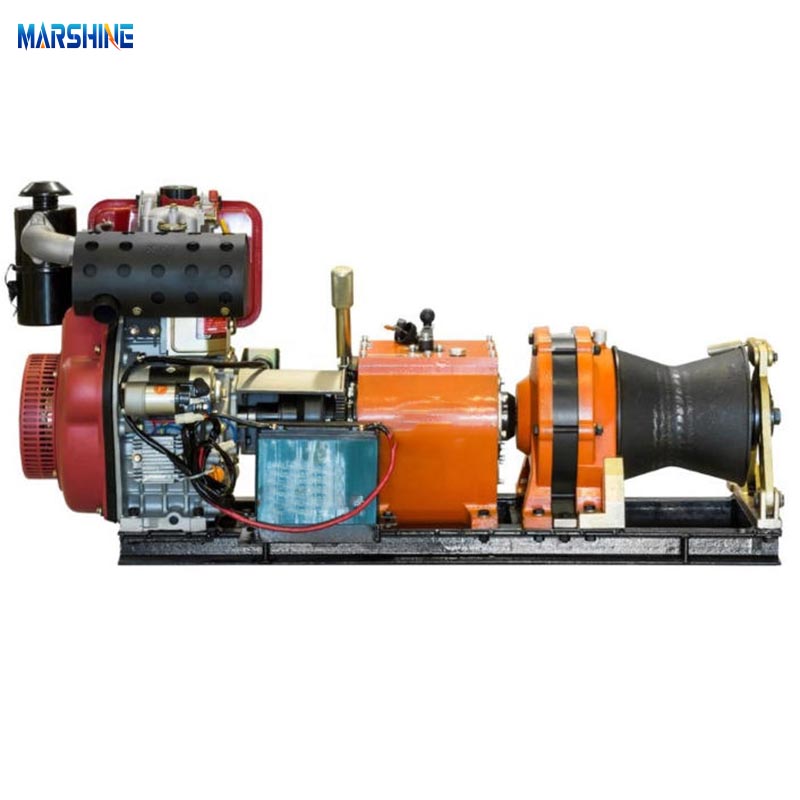
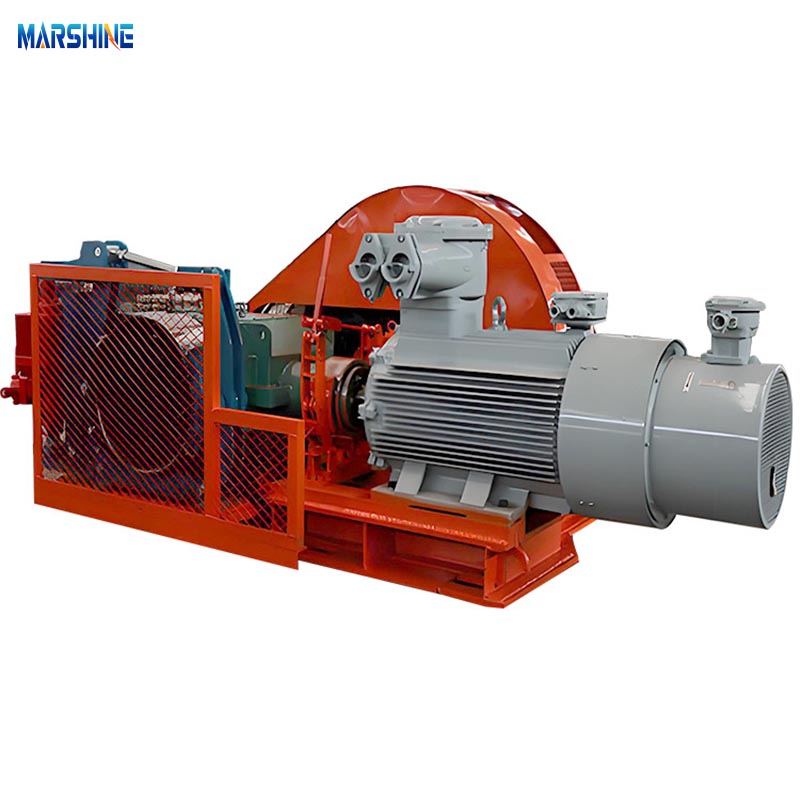
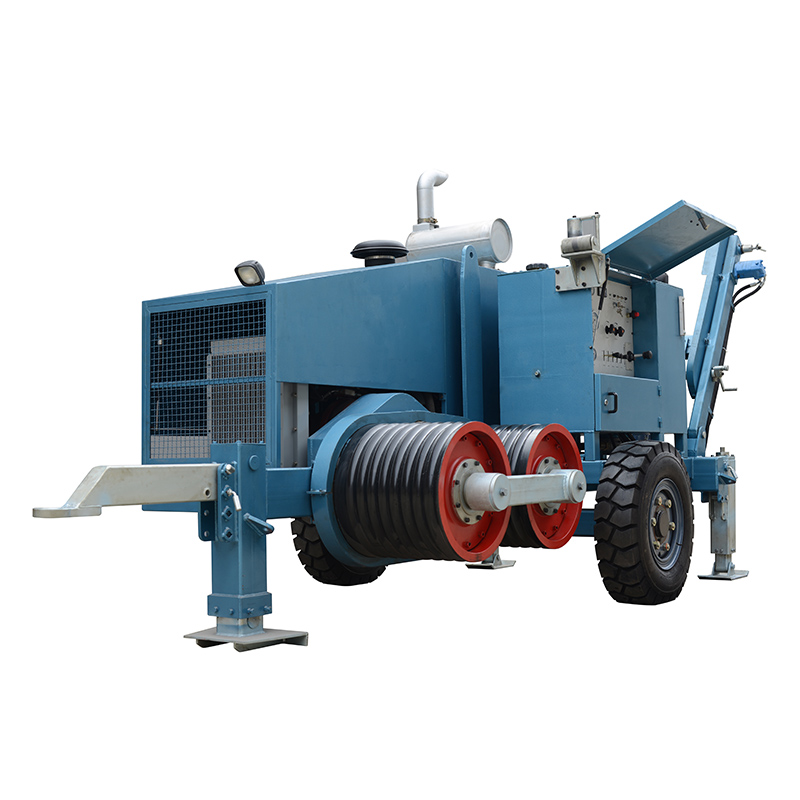
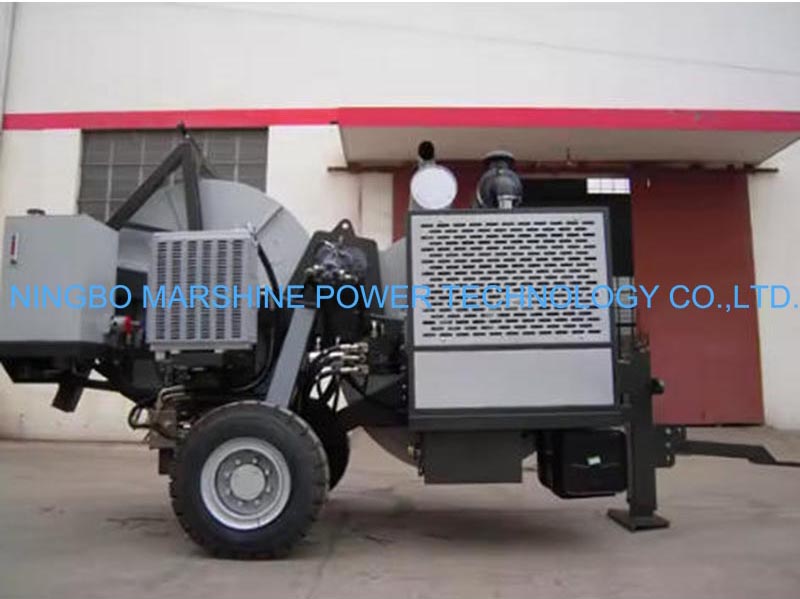
When sourcing a line tensioning machine for large-scale grid construction or telecommunications deployment, procurement teams must look well beyond basic pulling functionality. Modern hydraulic tensioners feature advanced systems designed to protect expensive cables from abrasive damage while maintaining precise stringing speeds. Wear-resistant nylon or aluminum bullwheel segments, closed-loop hydraulic circuits, variable displacement pumps, and automated overload protection are now standard in top-tier equipment. As grid expansion projects grow more complex, selecting the right specifications directly impacts project timelines, safety records, and the bottom line.
Core Performance Metrics for Buyers
The most critical specification for any conductor tension machine is its continuous tension capacity, measured in kilonewtons (kN). For standard transmission line projects, procurement teams typically require machines offering between 30 kN and 40 kN of continuous tension. However, heavy-duty applications—such as crossing wide rivers or mountainous terrain—can demand 90 kN or up to 180 kN.
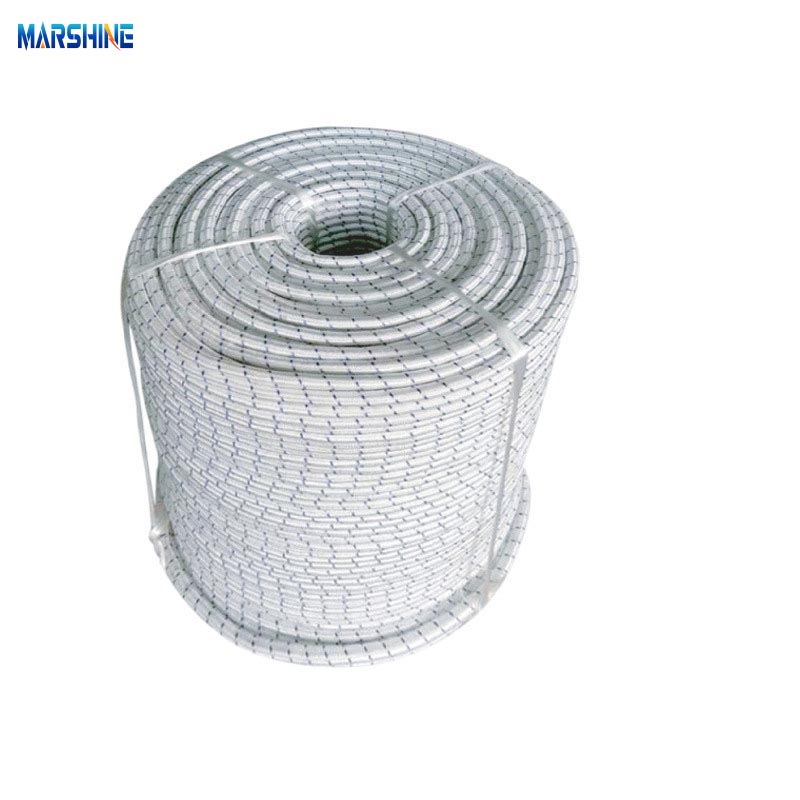
Bullwheel diameter is another vital specification. Diameters ranging from 1300 mm to 1500 mm are common, specifically designed to prevent bending stress on thick aluminum conductor steel-reinforced (ACSR) cables. Buyers must also verify the maximum allowable rope diameter—usually between 18 mm and 28 mm—to ensure compatibility with existing braided steel ropes. Furthermore, verify the maximum stringing speed and hydraulic system pressure limits. Typical speeds hover around 5 km/h with hydraulic pressures maxing out near 25 MPa, providing a balance of rapid deployment and reliable tension control.
Trade and Compliance Checks
Beyond technical specifications, trade compliance and quality certifications are non-negotiable for a smooth importing experience. Buyers must verify that the manufacturer holds relevant, up-to-date quality management certificates. Reputable suppliers carry GB/T19001-2008 (ISO 9001:2008) quality system certification, ensuring consistent manufacturing standards. When importing into Europe or North America, look for CE or UL markings on hydraulic and electrical control panels to ensure customs clearance and regulatory compliance.
From a logistics perspective, standard minimum order quantities (MOQs) for these heavy industrial machines usually sit at one unit. However, ordering spare parts kits—such as extra nylon wheel liners, hydraulic filters, or cable pulling socks—in bulk can help negotiate better freight terms. Expect lead times of 30 to 45 days for standard models, which can stretch to 60 days for customized bullwheel configurations. Additionally, consider shipping dimensions; a standard 40 kN machine typically weighs around 2,500 kg and fits inside a standard 20-foot shipping container, keeping international freight costs manageable.
How B2B Buyers Compare and Select Models
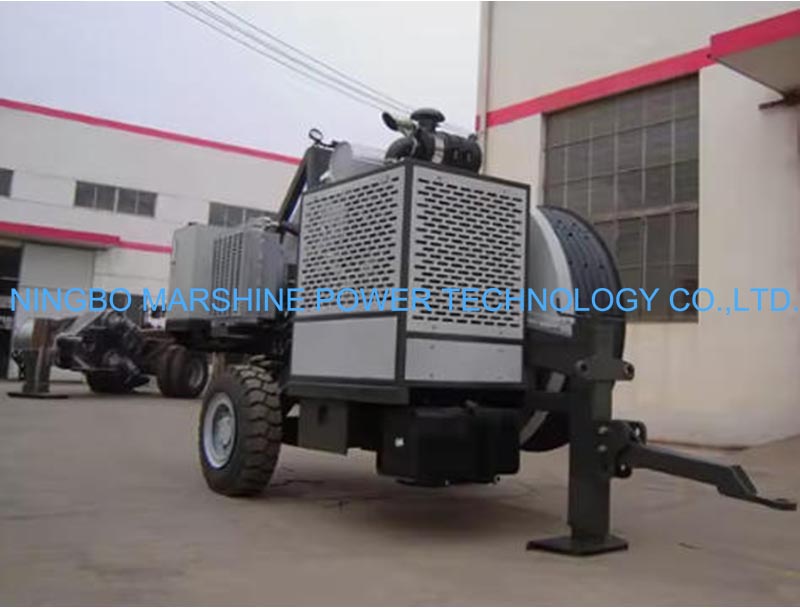
Choosing the right model involves comparing robust product features against specific operational needs rather than simply selecting the lowest price. B2B buyers must weigh the initial capital expenditure against the machine's long-term durability, maintenance intervals, and versatility across different stringing scenarios. High-quality line tensioning equipment features advanced heat dissipation systems, such as oversized radiators for continuous operation, and digital interfaces for precise tension monitoring. These features reduce physical strain on operators and minimize the risk of cable snapping during high-tension pulls.
Model Comparison Criteria
Comparing models requires evaluating the power-to-weight ratio, fail-safe braking systems, and the quality of hydraulic components. A reliable cable tension control machine features multi-groove bullwheels and spring-applied, hydraulic-release brakes that instantly lock the cable if pressure drops. Selection ultimately depends on matching the machine's capabilities to typical job site requirements.
Below is a comparison of the typical specifications and features B2B buyers evaluate when deciding between medium-duty and heavy-duty models:
| Specification / Feature | Medium-Duty Tensioner | Heavy-Duty Tensioner |
|---|---|---|
| Tension Capacity | 30 - 45 kN | 80 - 180 kN |
| Max Pulling Speed | 5 km/h | 4 km/h |
| Bullwheel Diameter | 1200 mm | 1500 - 1700 mm |
| Engine Power | 50 - 80 hp | 100 - 150 hp |
| Braking System | Standard Hydraulic Release | Dual-Circuit Fail-Safe |
| Typical Weight | ~2,500 kg | 6,000+ kg |
Supplier Evaluation Steps
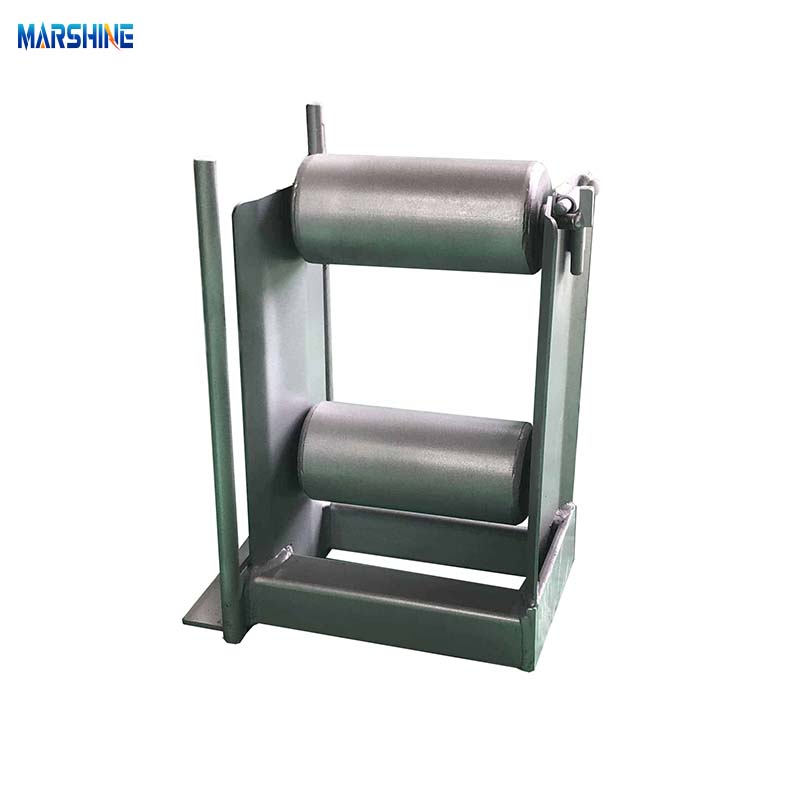
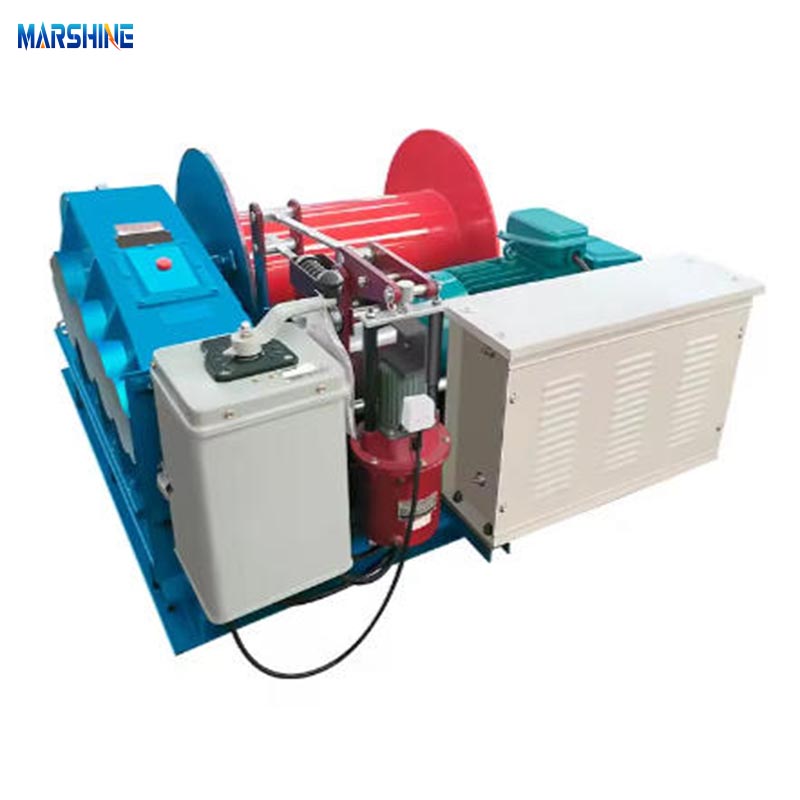
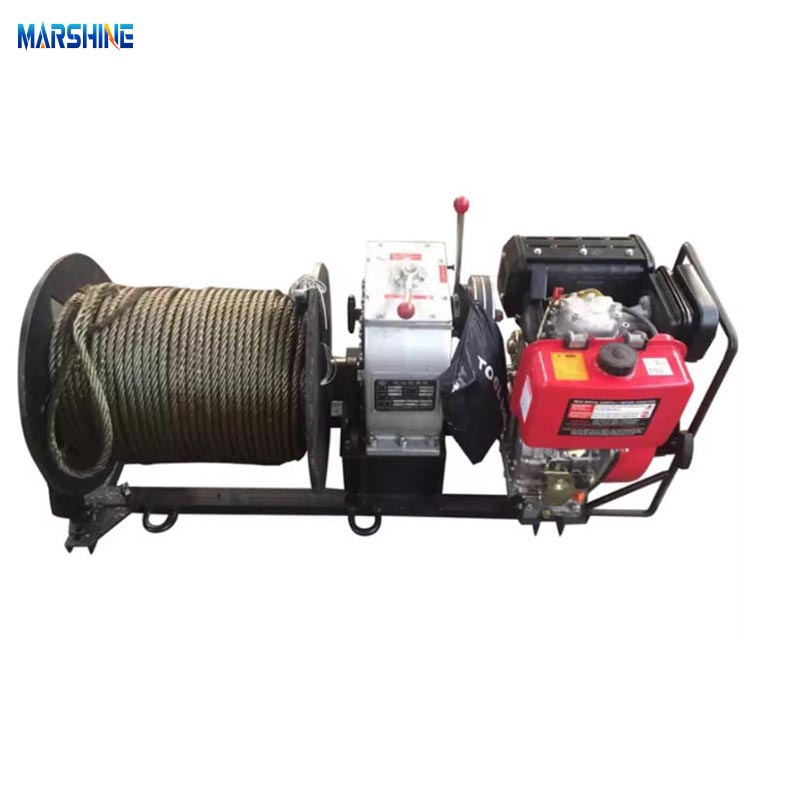
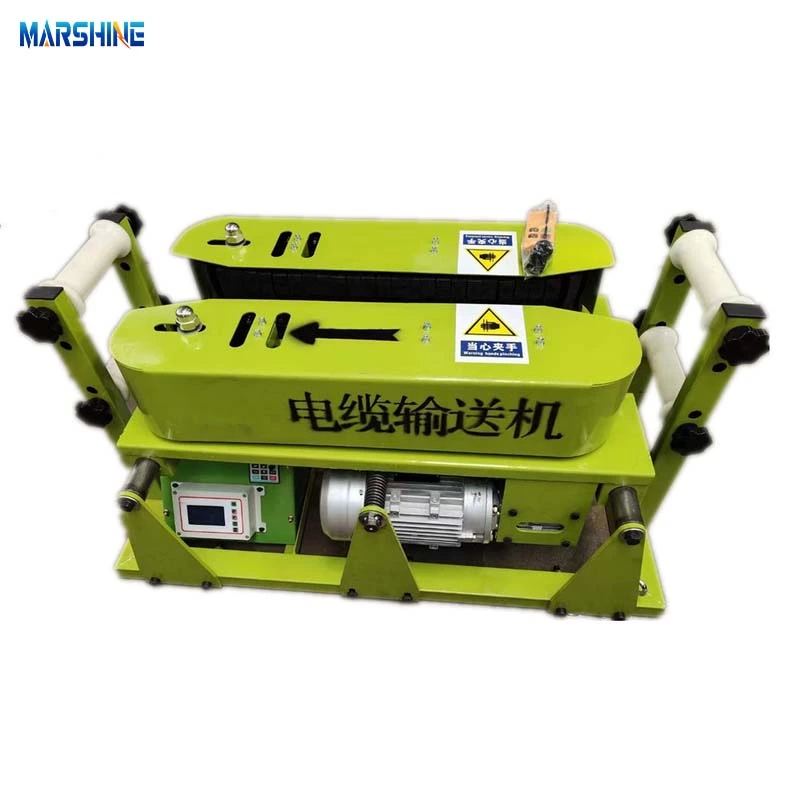
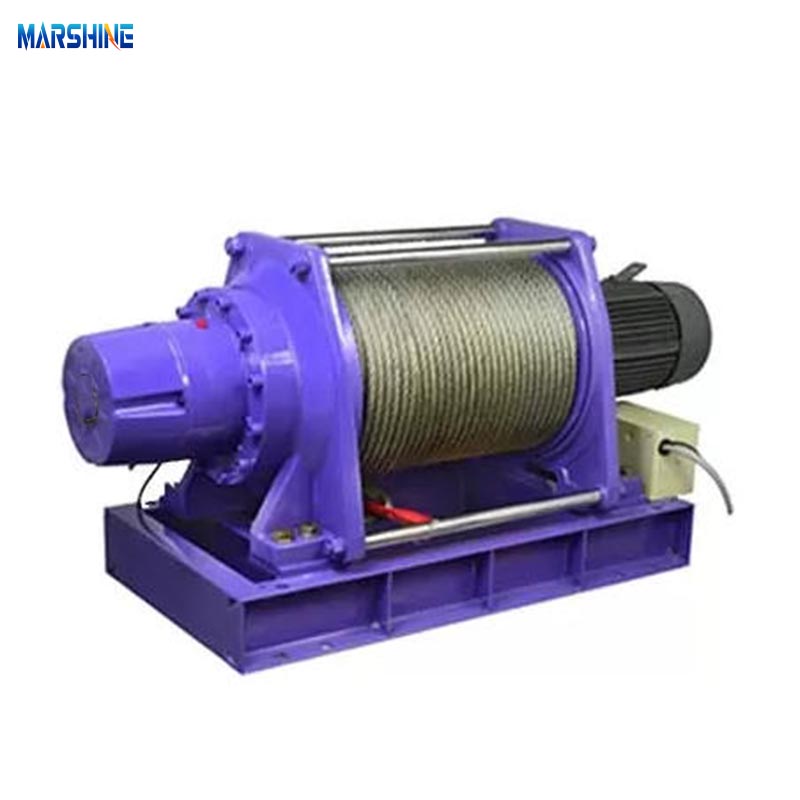
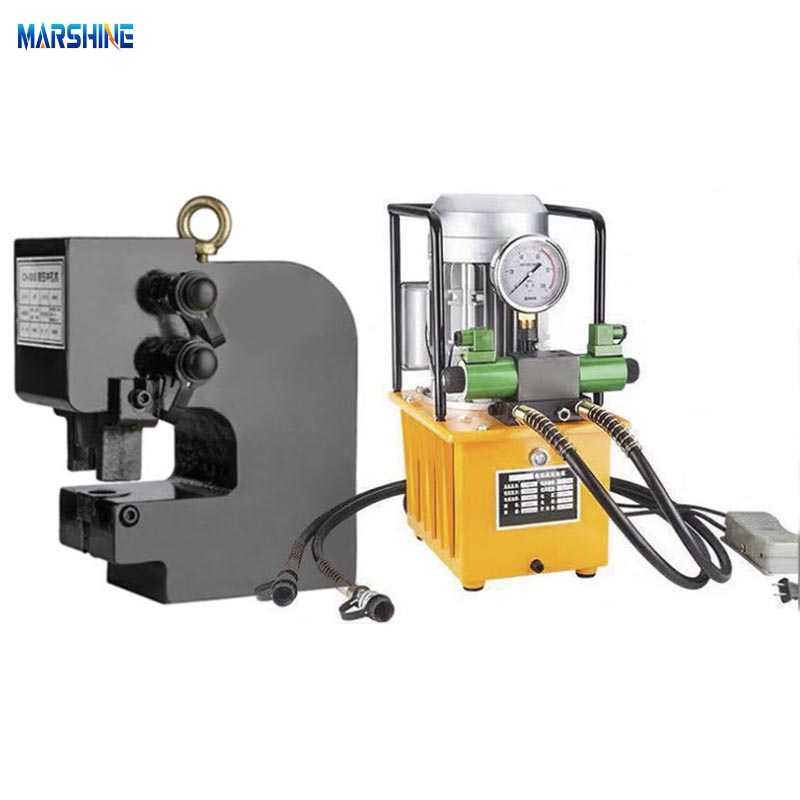
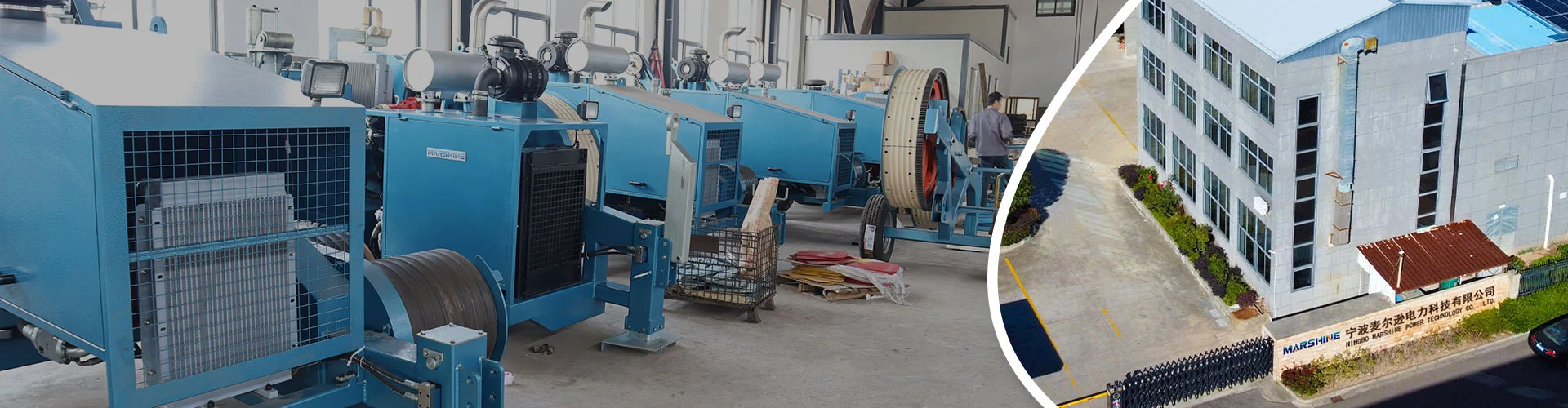
Evaluating the manufacturer is just as important as assessing the machine. A strong supplier offers a comprehensive ecosystem of compatible tools. For example, industry leaders like MARSHINE manufacture over a thousand kinds of circuitry construction tools across 20 distinct series. Their catalog covers everything from wire rope winches, universal stringing blocks, and cable rollers to fiberglass duct rodders, cable drum trailers, and hydraulic crimping tools. This breadth of product lines indicates deep engineering capability and allows procurement teams to consolidate sourcing with one reliable partner.
Buyers should also assess the supplier's after-sales support system. Look for partners who offer quality tracking, responsive service monitoring, and readily available spare parts to minimize downtime. A supplier committed to a technology-oriented management philosophy will continuously innovate to provide advanced, safe, and easy-to-handle products. Prioritizing suppliers with a strong quality and customer-first approach ensures that large-scale power grid constructions and aerial cable operations run on schedule without costly equipment bottlenecks.
Further reading:
Key Takeaways
- Wholesale sourcing and supply-chain implications for line tensioning machine
- Specifications, compliance, and commercial terms buyers should validate
- Actionable recommendations for distributors and procurement teams
Frequently Asked Questions
What tension capacity should B2B buyers choose for a line tensioning machine?
For typical transmission work, 30–40 kN continuous tension is common. For river crossings, mountain routes, or heavy conductors, consider 90–180 kN.
Why does bullwheel diameter matter when buying a line tensioning machine?
A larger bullwheel, usually 1300–1500 mm, reduces bending stress and surface damage on ACSR and other thick conductors during stringing.
Which rope diameter and speed specs should buyers verify?
Check compatibility with your steel rope, often 18–28 mm, and confirm stringing speed around 5 km/h for efficient yet controlled cable deployment.
What certifications should import buyers request from suppliers like cable-winch.com?
Ask for ISO 9001 quality certification and confirm CE or UL markings on hydraulic and electrical controls if shipping to Europe or North America.
What delivery and shipping details matter before ordering?
Standard lead time is usually 30–45 days, up to 60 for custom models. A 40 kN unit often weighs about 2,500 kg and fits a 20-foot container.