Article Summary: Choosing the right braided steel rope is not only about strength. For contractors, power line teams, lifting crews, and industrial buyers, the real challenge is finding a rope that can handle pulling tension, repeated bending, outdoor exposure, abrasion, and equipment compatibility without creating unnecessary safety risks or downtime. This article explains how braided steel rope works, where it performs best, what problems buyers often face, and how to evaluate construction, tensile grade, flexibility, surface condition, and supplier support before placing an order.
Table of Contents
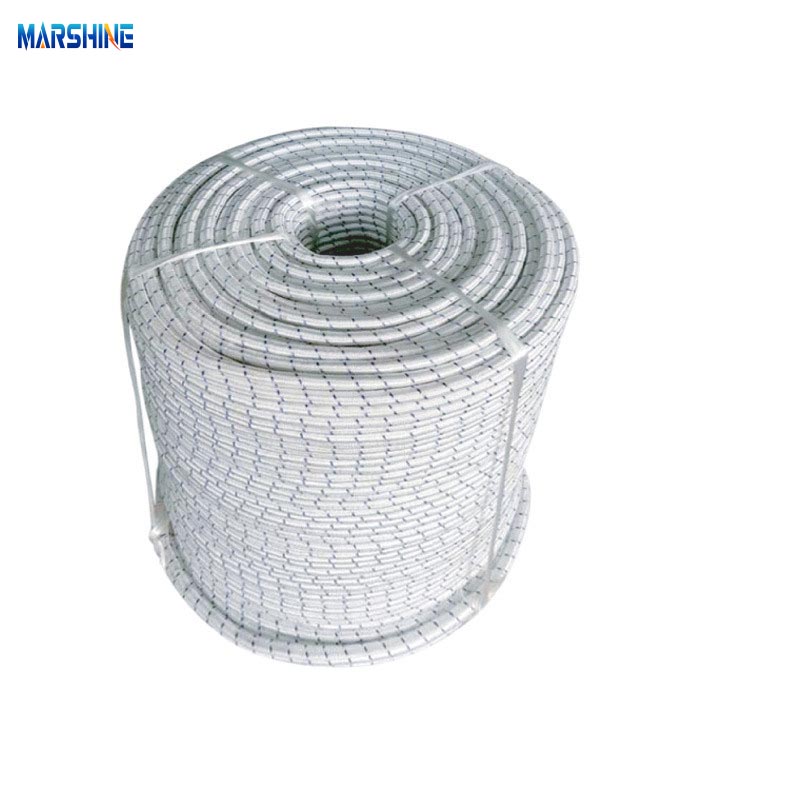
On many job sites, rope failure is not a small inconvenience. It can delay a cable pulling schedule, damage equipment, increase labor costs, or create serious safety hazards. This is why braided steel rope is often selected for heavy-duty pulling, lifting, securing, and industrial handling tasks where ordinary rope cannot provide enough load-bearing stability.
Unlike simple single-strand rope, braided steel rope is made with interwoven steel wires or strands that work together under tension. The braided structure helps the rope distribute force more evenly, maintain flexibility, and resist sudden deformation during pulling or lifting operations. For teams working with cable winches, transmission line construction tools, hoisting equipment, or rigging systems, this balance of strength and handling comfort is extremely valuable.
For buyers, the goal is rarely just “buying a rope.” The real goal is to reduce risk. A contractor wants smoother cable installation. A purchasing manager wants fewer complaints from the field. A project engineer wants the rope to match the equipment. A maintenance team wants longer service life. Braided steel rope helps address these practical concerns when it is selected correctly and used under proper working conditions.
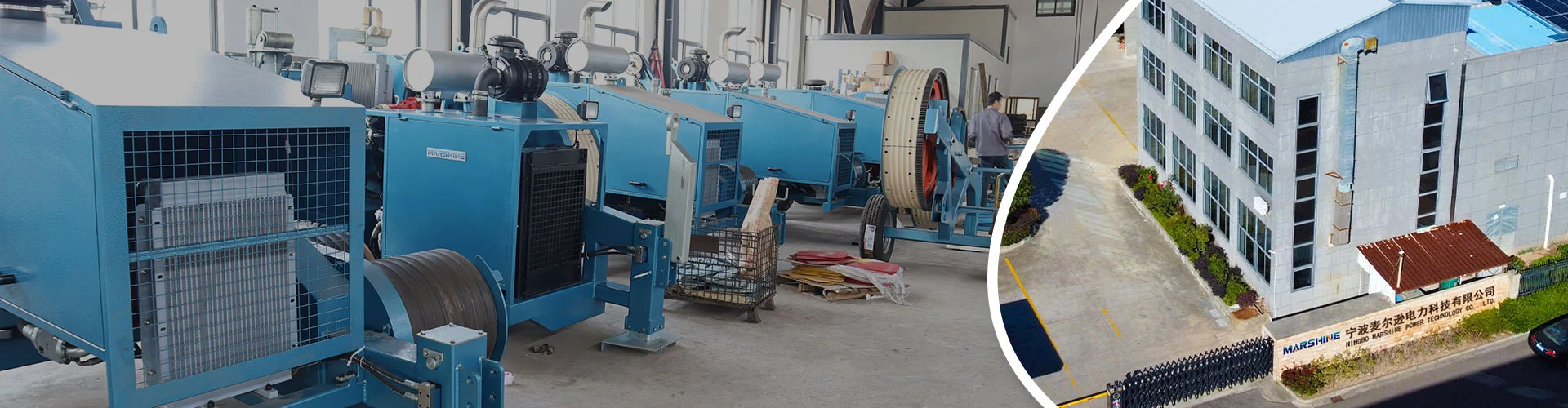
Ningbo Marshine Power Technology Co., Ltd. provides cable installation tools and rope solutions for electric power construction, lifting, pulling, and related industrial applications. When buyers evaluate braided steel rope, it is helpful to look beyond the product name and focus on load requirements, work environment, rope construction, surface resistance, and long-term usability.
Many purchasing mistakes happen because buyers focus only on price or rope diameter. In real projects, two ropes with similar appearance may perform very differently. A lower-cost option may seem acceptable at first, but if it twists, wears quickly, becomes difficult to handle, or fails earlier than expected, the hidden cost becomes much higher than the initial saving.
These are not theoretical problems. They happen on real job sites where time pressure is high and replacement is inconvenient. A better purchasing decision starts by defining what the rope needs to do, not simply what it looks like in a catalog.
Practical note: A rope should never be selected based on breaking strength alone. Working load, bending frequency, installation distance, drum size, operating environment, and inspection routine all influence real performance.
The main value of braided steel rope comes from its structure. Braiding allows multiple strands to share tension and movement. When the rope bends around a pulley or passes through pulling equipment, the braided pattern can help reduce concentrated stress in one single area. This is one reason braided rope is widely used in pulling and lifting conditions that require both strength and manageable flexibility.
A well-made braided steel rope can provide several advantages. First, it supports high tensile performance for demanding operations. Second, it can offer better resistance to twisting compared with some ordinary constructions, especially when designed as an anti-twist rope. Third, it improves handling because the rope can remain more stable under repeated bending. Fourth, the outer braided surface can provide better contact behavior when used with compatible drums, wheels, and guiding devices.
However, not all braided ropes are the same. Some are designed for general pulling. Some are optimized for anti-twist performance. Some use stainless steel for improved corrosion resistance. Some may combine steel with advanced synthetic fibers to reduce weight or improve handling. Buyers should match the rope design to the actual application instead of assuming that one rope can solve every problem.
| Rope Type | Main Advantage | Suitable Use | Buyer Concern It Solves |
|---|---|---|---|
| Standard braided steel rope | Balanced strength and flexibility | General cable pulling, securing, and lifting support | Need for reliable daily-use pulling rope |
| Anti-twist braided steel rope | Better control under rotational force | Power line stringing and long-distance pulling | Rope rotation, unstable pulling, and handling difficulty |
| Stainless steel braided rope | Improved corrosion resistance | Outdoor, marine, humid, or exposed environments | Rust, surface damage, and shorter service life |
| Composite braided rope | Lower weight with improved flexibility | Special projects requiring easier handling | Heavy rope handling and operator fatigue |
Choosing braided steel rope becomes easier when buyers use a clear checklist. A professional supplier will usually ask about the working environment, equipment type, expected load, and application details before recommending a model. If these questions are skipped, the risk of mismatch becomes higher.
The first factor is tensile strength. Buyers should understand the expected working load and avoid using breaking strength as the normal working limit. A safe project usually includes an appropriate safety factor based on industry practice, application risk, and site conditions.
The second factor is rope diameter. A larger diameter may provide higher strength, but it may also be heavier and less flexible. A smaller diameter may be easier to handle, but it may not provide enough load capacity. The correct choice depends on both the load and the equipment.
The third factor is flexibility. For cable pulling and winch operations, the rope may need to bend repeatedly. If the rope is too rigid, it may not wind properly or may wear faster at bending points. If it is too soft for the job, it may deform under heavy stress.
The fourth factor is surface and environmental resistance. A rope used indoors in a controlled environment faces different challenges from a rope used in rain, mud, salt air, or rough outdoor construction sites. Corrosion resistance, abrasion resistance, and cleaning requirements should all be considered.
The fifth factor is compatibility. Rope must work with the full system, including cable winches, pulleys, stringing blocks, clamps, drums, and guiding tools. A rope that does not match the equipment may cause slipping, crushing, bending fatigue, or unexpected wear.
Braided steel rope is used across many industries because it offers a practical combination of strength, durability, and control. In power construction, it can support cable pulling, line stringing, and equipment-assisted installation work. In industrial lifting, it can help with hoisting and securing heavy materials when used with suitable equipment. In construction environments, it can be used for pulling, fastening, guiding, and handling tasks that require dependable tensile performance.
Marine and offshore environments may require special attention because moisture, salt, and continuous exposure can damage ordinary materials. In these cases, buyers may consider stainless steel braided rope or other corrosion-resistant options. For oil and gas, mining, logistics, and manufacturing sites, the key concerns often include abrasion, pulling force, operational safety, and rope life.
For electric power construction teams, braided steel rope is especially relevant because cable installation work often involves long routes, repeated tension, outdoor conditions, and strict safety requirements. When paired with suitable cable winches, stringing blocks, and pulling tools, the right rope can improve project efficiency and reduce unnecessary stoppages.
| Industry | Common Application | Important Rope Requirement |
|---|---|---|
| Electric power construction | Cable pulling, conductor stringing, line installation | Anti-twist performance, tensile strength, equipment compatibility |
| Construction | Lifting support, pulling, securing materials | Durability, abrasion resistance, stable load handling |
| Marine and offshore | Winching, mooring support, equipment handling | Corrosion resistance and long-term outdoor reliability |
| Industrial manufacturing | Material handling, pulling, rigging assistance | Consistent strength and predictable performance |
| Logistics and maintenance | Securing, dragging, controlled movement | Easy handling, flexibility, and wear resistance |
A reliable comparison should include more than price. Price matters, of course, but it should be evaluated together with service life, safety, replacement frequency, downtime, and field performance. A cheaper rope that fails early is not truly economical. A stronger rope that does not match equipment is not truly suitable. A premium rope without the right technical guidance may still be used incorrectly.
Buyers can compare braided steel rope options by asking several direct questions. What is the rope construction? What working conditions is it designed for? What equipment is it commonly paired with? What inspection routine is recommended? What kind of packaging and delivery support is available? Can the supplier help choose the right rope instead of offering a generic model?
This comparison process protects the buyer from three common mistakes: overspecifying, underspecifying, and misapplying. Overspecifying means buying a rope that is stronger, heavier, and more expensive than necessary. Underspecifying means choosing a rope that cannot safely handle the job. Misapplying means using a rope in an environment or equipment system it was not designed for.
Even high-quality braided steel rope needs regular inspection. Rope is a working component, not a permanent item. Its condition changes with load, bending, abrasion, storage, and environmental exposure. A simple inspection routine can help teams find problems before they become serious.
Before use, operators should check for broken wires, crushed areas, corrosion, severe kinks, unusual flattening, or visible deformation. During use, the rope should not be dragged across sharp edges without protection. After use, mud, moisture, and chemical contamination should be cleaned when necessary. Storage should be dry, organized, and away from corrosive materials.
Good maintenance also includes correct winding. Improper winding can create twisting, uneven pressure, and local damage. If the rope is used with a winch drum, the operator should follow the recommended winding direction and avoid sudden shock loading. Shock loading can place stress on the rope far beyond the expected working load.
| Inspection Point | What to Look For | Why It Matters |
|---|---|---|
| Surface condition | Broken wires, rust, cuts, scratches, or worn areas | Surface damage may reduce rope strength and service life |
| Shape stability | Kinks, flattening, crushing, or birdcage deformation | Deformation can affect load distribution and safe operation |
| Flexibility | Stiff sections or unusual bending resistance | Loss of flexibility may indicate internal damage or contamination |
| Connection points | End fittings, clamps, hooks, or spliced sections | Many failures begin at poorly maintained connection areas |
| Storage condition | Moisture, chemical exposure, poor winding, or heavy pressure | Bad storage can damage rope even before the next job starts |
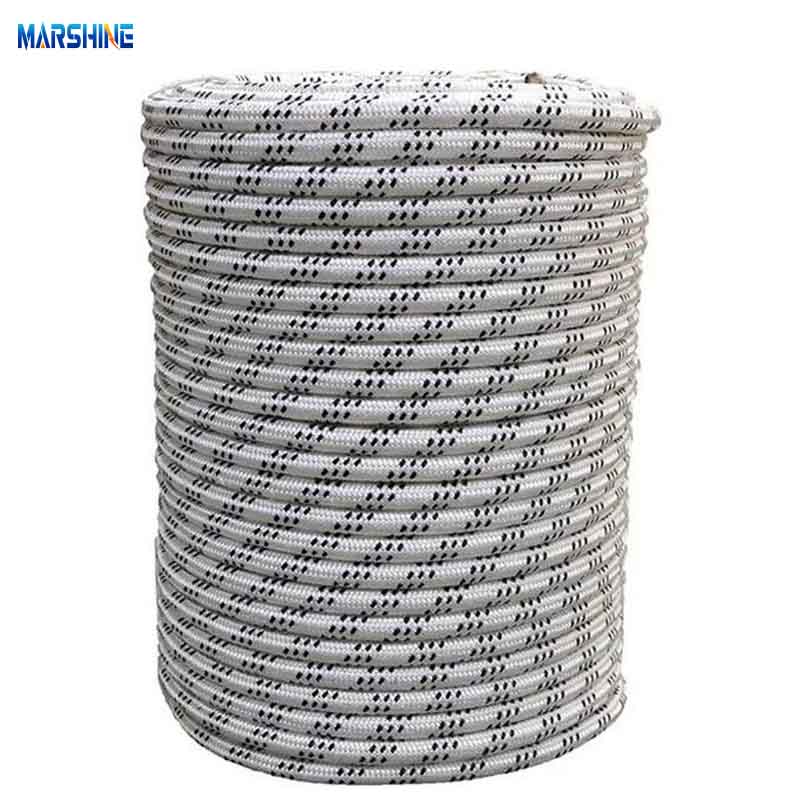
A braided steel rope supplier should do more than ship products. In many projects, the buyer needs help matching rope type, tensile grade, length, diameter, and construction to specific equipment and job-site conditions. This is especially important for cable pulling, power construction, and industrial handling tasks where incorrect selection can cause delays or safety concerns.
Ningbo Marshine Power Technology Co., Ltd. works with cable installation tools, cable winches, hydraulic cable pullers, stringing blocks, cable rollers, and related construction equipment. This product background matters because braided steel rope is often used as part of a complete pulling or lifting system. When the supplier understands the full system, it becomes easier to recommend a rope that fits the actual project instead of treating the rope as an isolated item.
Good supplier communication should include clear product descriptions, application advice, practical selection guidance, and responsive after-sales support. For overseas buyers, stable communication is also important because project schedules, shipping times, documentation, and replacement planning may all affect the final purchasing decision.
For buyers who want fewer surprises, the best approach is to share project details early. Information such as application type, equipment model, working load, rope length, operating environment, and target delivery time can help the supplier recommend a more suitable solution.
Braided steel rope is mainly used for heavy-duty pulling, lifting support, securing, rigging, cable installation, and industrial handling tasks. It is especially useful when strength, flexibility, and stable tension control are needed at the same time.
The braided structure uses interwoven strands to distribute force and improve handling under tension. Depending on the design, it may offer better flexibility, better rotation control, and stronger resistance to demanding work-site conditions.
You should check working load, rope diameter, length, tensile grade, construction type, environmental exposure, bending frequency, and compatibility with cable winches, pulleys, drums, and clamps.
It depends on the project. For long-distance pulling, power line stringing, or operations where rope rotation may create handling problems, anti-twist rope can be a better choice. For simple short-distance work, standard braided steel rope may be enough.
Yes, it can be used outdoors when the correct material and construction are selected. For wet, coastal, or corrosive environments, buyers should consider corrosion-resistant options and follow proper cleaning and storage practices.
It should be inspected before each use and checked more carefully after heavy loads, shock loading, rough site conditions, or long operating periods. Any rope with serious deformation, broken wires, severe corrosion, or unsafe connection points should be removed from service.
Use the rope within its proper working range, avoid sharp edges, reduce shock loading, keep it clean, store it dry, wind it correctly, and inspect it regularly. Correct equipment matching also helps prevent unnecessary wear.
Braided steel rope is valuable because it solves several practical problems at once. It provides strength for demanding pulling and lifting tasks, flexibility for equipment handling, and durability for tough work environments. For buyers, the most important step is not simply choosing the strongest rope, but choosing the rope that matches the load, equipment, environment, and project routine.
A well-selected braided steel rope can help reduce downtime, improve work-site control, lower replacement frequency, and support safer operation. Whether the project involves electric power construction, industrial lifting, marine handling, or general heavy-duty pulling, careful product selection makes a measurable difference.
If you are planning a cable pulling, lifting, or industrial handling project and need a reliable braided steel rope solution, Ningbo Marshine Power Technology Co., Ltd. can help you review your application, compare suitable options, and prepare a practical purchasing plan. For product details, technical guidance, or a customized quotation, please contact us today and let our team help you choose the rope that fits your working conditions.