A gin pole is one of those tools that many project teams only fully appreciate when site conditions become difficult, lifting space gets tight, and every delay starts costing real money. In tower erection, line construction, and overhead lifting work, the wrong setup can create instability, slow progress, increase manual handling, and raise the chance of equipment damage. The right gin pole helps solve those problems by improving controlled lifting, reducing unnecessary repositioning, and making field operations more predictable.
In this article, I explain what a gin pole does, where it creates the most value, what buyers should check before choosing one, and how to avoid the most common mistakes in procurement and field use. I also compare lightweight and heavy-duty options, outline practical selection factors, and answer the questions customers usually ask before placing an order.
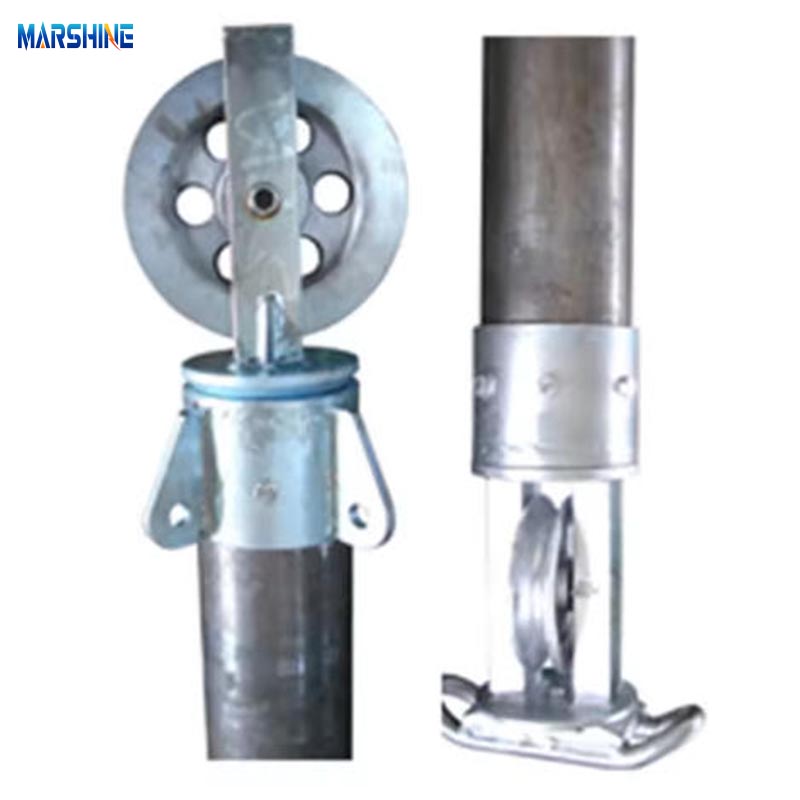
A Gin Pole is a temporary lifting and positioning tool used to raise components vertically in places where conventional cranes are inefficient, impractical, or too expensive to deploy. It is especially valuable in tower erection, power line construction, telecommunications projects, and other jobs where crews need height, control, and mobility at the same time.
What makes a Gin Pole so important is not just the lifting action itself. It is the combination of controlled hoisting, stable positioning, and adaptability to jobsite limitations. On many projects, the real challenge is not simply moving a load up. It is moving it accurately in a restricted work zone, under changing ground conditions, with limited downtime and strict safety expectations.
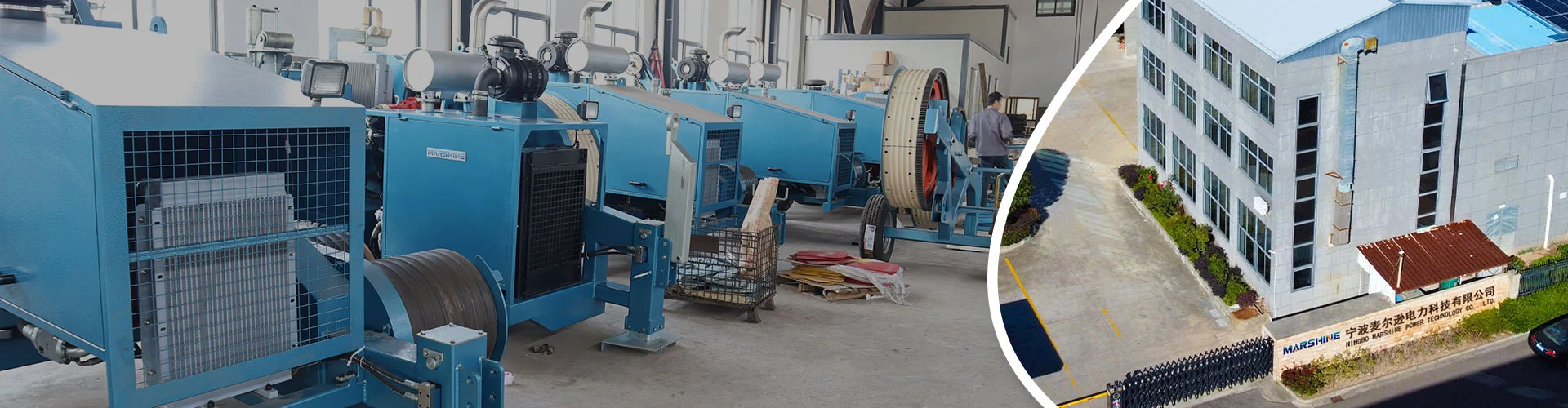
This is exactly where a well-designed solution becomes valuable. Ningbo Marshine Power Technology Co., Ltd. is known for developing tools used in electrical power and cable construction work, and its gin pole category is positioned around practical field lifting needs, especially where portability and dependable operation matter to crews working outdoors.
Buyers rarely search for a Gin Pole because they want another item on a quotation sheet. They are usually trying to solve one or more urgent operational problems:
These pain points sound simple at first, but together they affect productivity, staffing, project timing, and risk exposure. A poor lifting method often leads to secondary costs that do not appear in the first purchase price: more labor hours, more coordination delays, a higher chance of component damage, and more pressure on supervisors during critical lifts.
That is why experienced buyers usually focus less on the cheapest offer and more on whether the tool fits the real working environment.
It may sound contradictory, but the right Gin Pole often makes a project safer by making it smoother. When a lifting method is better controlled, crews spend less time improvising. When assembly is simpler, the work becomes more repeatable. When the structure is easier to transport and position, jobsite friction goes down.
Here are the operational gains many buyers are looking for:
In other words, the right Gin Pole does not only lift. It removes friction from the entire operation.
The cheapest option can become the most expensive one if it adds site delays, requires extra labor, or creates repeated handling issues. A useful comparison should always consider total field efficiency, not just unit cost.
A smart purchase decision starts with the job, not the catalog. Before choosing a Gin Pole, I would look at five practical questions:
Material selection also matters. A lightweight aluminum alloy structure may be highly attractive when crews need easier handling, transport convenience, and efficient setup. A heavier-duty option may be more appropriate where load intensity or repeated heavy use becomes the priority.
The best choice is rarely the most extreme one. It is the one that matches the normal working pattern of your projects.
When buyers compare products, they often focus first on appearance or a basic capacity figure. That is not enough. The decision should be based on how each feature supports real field use.
| Feature | Why It Matters | What Buyers Should Look For |
|---|---|---|
| Load Capacity | Directly affects whether the equipment can handle real lifting demands safely | Rated performance suitable for actual components, not just ideal conditions |
| Material | Influences portability, durability, and field handling | Balance between lightweight transport and structural reliability |
| Assembly Design | Impacts how quickly crews can prepare for work | Modular, practical, site-friendly construction |
| Stability | Critical for controlled lifting and confidence during use | Structural form suited to vertical lifting and positioning tasks |
| Transport Convenience | Important for teams moving between remote or multiple sites | Reasonable weight, manageable sections, easier loading and unloading |
| Application Fit | Determines whether the equipment supports the actual project category | Suitability for tower work, utility jobs, telecom structures, or construction tasks |
A capable supplier should be able to discuss these points clearly instead of pushing buyers toward generic claims. That matters because a Gin Pole is not a one-size-fits-all purchase. It is a project tool, and project tools need context.
I see the same issues come up again and again when companies choose lifting tools too quickly. Here are the most common mistakes:
Good procurement is not about guessing. It is about matching equipment to workflow. That is why serious buyers normally ask how the product behaves in real jobs, not just how it is described in a brochure.
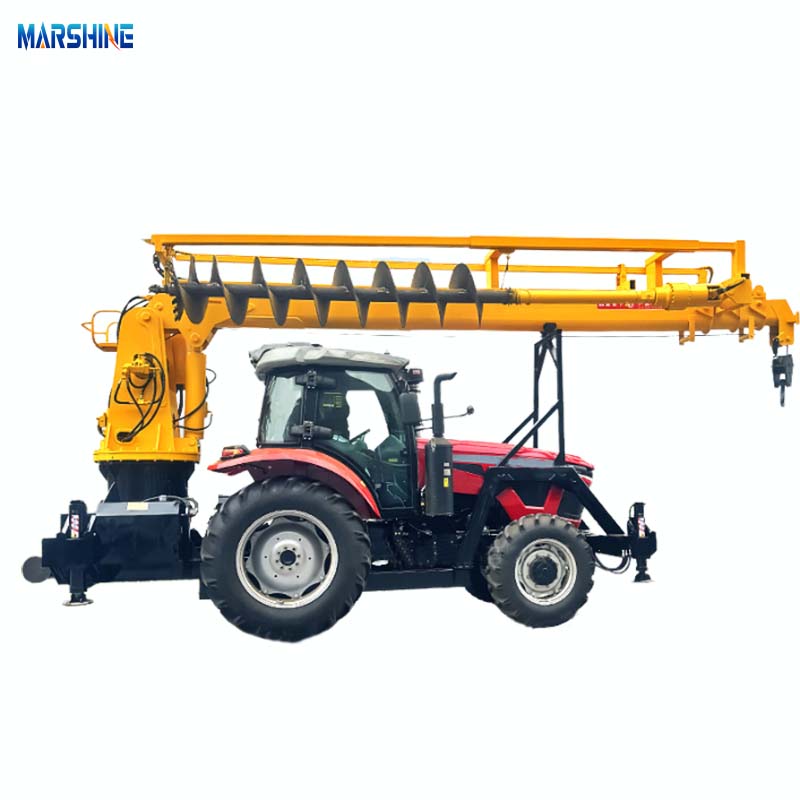
A Gin Pole is widely used in sectors where vertical lifting, structural positioning, and field adaptability matter more than brute-force machine size. Typical application areas include:
In these environments, the value of the tool often comes from practicality. Teams need equipment that can be transported, assembled, trusted, and used with confidence under field pressure. That is why many buyers pay close attention to whether a supplier truly understands jobsite needs instead of simply offering a general lifting product.
Public product information from MARSHINE indicates a focus on lifting and rigging support for industries such as power transmission, telecommunications, construction, and related sectors. That direction makes sense because these are exactly the environments where controlled temporary lifting solutions create measurable advantages in daily work.
What is the main purpose of a Gin Pole?
Its main purpose is to lift and position loads vertically in a controlled way, especially in places where cranes are inconvenient, oversized, or too costly to use.
Which projects benefit most from a Gin Pole?
Projects involving tower erection, utility work, line construction, telecommunications structures, and remote lifting tasks usually benefit the most.
Is a lightweight Gin Pole always better?
Not always. Lightweight designs are excellent for portability and field handling, but the best option depends on the actual load, work frequency, and site conditions.
What should I check before buying?
Check load requirements, work height, transport frequency, site environment, ease of assembly, and the supplier’s ability to recommend a configuration that fits your application.
Can a Gin Pole help reduce project delays?
Yes, when properly selected. It can improve lifting efficiency, reduce unnecessary repositioning, and support a smoother jobsite workflow.
Why does supplier communication matter so much?
Because practical recommendations often depend on real project details. A responsive supplier can help you avoid mismatches that cost time and money later.
If your team is comparing lifting solutions for tower work, utility construction, or field installation tasks, the most important step is to choose a partner who understands how the equipment will actually be used. A well-matched Gin Pole should support safe handling, efficient lifting, and smoother progress from one site to the next.
Ningbo Marshine Power Technology Co., Ltd. presents its product range around practical power construction and cable installation needs, which makes it a relevant option for buyers who want equipment aligned with field realities rather than generic selling language.
If you are planning a tower erection project, upgrading your lifting tools, or looking for a dependable Gin Pole solution that fits real jobsite conditions, now is the right time to review your requirements carefully and move with confidence. Contact us to discuss your application, compare suitable options, and get support in choosing a lifting solution that helps your crew work more safely, more efficiently, and with fewer interruptions.