

Abstract
A Come Along Clamp looks simple at first glance, yet the wrong choice can create expensive delays, damaged conductors, unsafe handling, and unreliable tension control. This article explains what buyers and field teams should really check before choosing one, from jaw grip and material strength to corrosion resistance, portability, and application fit. It also explores common jobsite pain points, compares clamp types, and shows how a well-matched tool can improve both safety and productivity. The discussion includes practical guidance for utility, cable installation, maintenance, and construction work, with a clear FAQ for buyers who need a dependable decision.
Table of Contents
- Article Outline
- Why does the right clamp matter so much
- What problems are buyers really trying to solve
- Which features should you never overlook
- How do different clamp styles compare
- What should you check before placing an order
- How can you keep performance consistent over time
- Why does the supplier matter as much as the product
- FAQ
- Final thoughts
Outline
- Define what a Come Along Clamp does in real field applications
- Identify the most common purchase and usage frustrations
- Break down the key structural and material features that affect results
- Compare common clamp styles for different cable and conductor tasks
- Provide a practical buying checklist for engineers, contractors, and distributors
- Explain maintenance habits that extend service life and improve jobsite reliability
- Show why choosing an experienced manufacturer can reduce risk and simplify procurement
Why does the right clamp matter so much
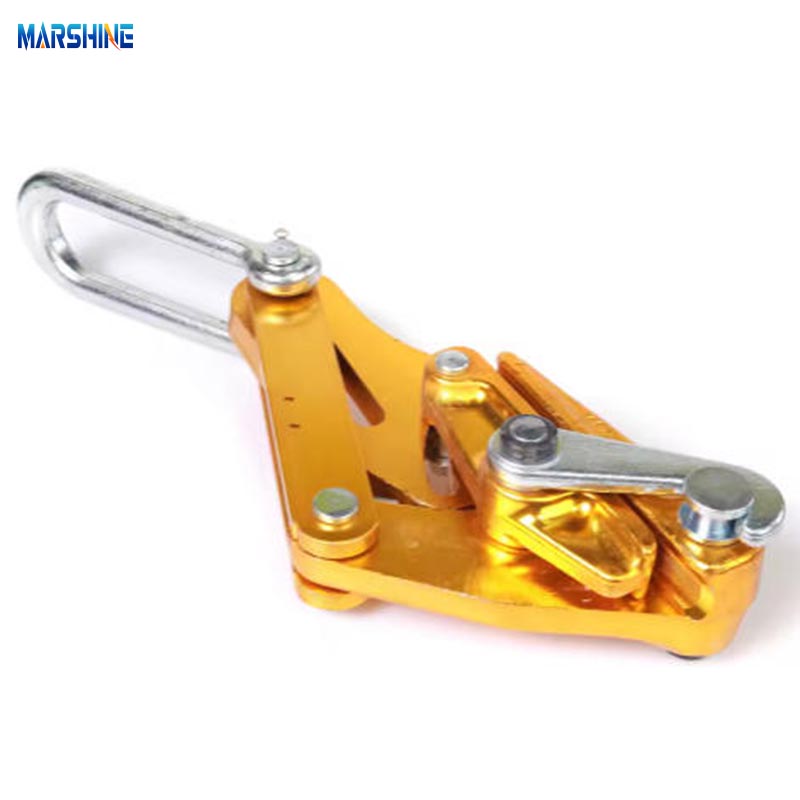
When crews work with conductors, cables, or lines under tension, they need a tool that can grip firmly without turning the material itself into the weak point. That is where a Come Along Clamp becomes valuable. It is used to hold, pull, align, or tension line materials during installation, maintenance, adjustment, and repair. In practice, it supports smoother handling, more controlled force, and a safer workflow.
But many buyers discover the same problem too late: not every clamp performs the same way under field pressure. A clamp may look robust in a catalog, yet behave very differently on site. One model may bite too aggressively and mark the conductor. Another may slip when the load changes. A third may be durable enough, but too heavy or awkward for repeated positioning in outdoor work.
This is why the selection process should go beyond price and appearance. The right Come Along Clamp helps reduce downtime, protect cable surfaces, improve crew confidence, and maintain steady progress on demanding jobs. The wrong one often creates hidden cost through rework, equipment wear, and avoidable safety exposure.
In simple terms: buyers are not just purchasing a clamp. They are purchasing grip stability, field efficiency, material protection, and predictable performance.
What problems are buyers really trying to solve
Most customers do not start by asking for a clamp. They start by trying to solve a jobsite headache. In my experience, the real buying questions usually sound more like this:
- How do we keep the line from slipping when tension changes suddenly?
- How do we avoid damaging the cable while still holding it securely?
- How do we choose a model that works outdoors without rusting too quickly?
- How do we reduce operator fatigue during repeated use?
- How do we avoid ordering a clamp that does not match the conductor size?
- How do we buy with confidence when catalog descriptions are vague?
These pain points matter because line work is rarely carried out in perfect conditions. Crews may be dealing with weather, uneven ground, time pressure, limited access, and strict installation windows. If the clamp is difficult to release, awkward to transport, or inconsistent in grip, the entire workflow slows down.
Another common concern is application mismatch. Some users need a clamp for conductor installation in power projects. Others need it for cable gripping in construction, repair, or industrial maintenance. A buyer who chooses only by nominal load or a product photo may miss key details such as jaw profile, surface treatment, compatibility, or ease of handling. That is how avoidable procurement mistakes happen.
Which features should you never overlook
If you want a Come Along Clamp that works reliably in the field, focus on the features that directly affect safety, fit, and handling.
| Feature | Why It Matters | What Buyers Should Check |
|---|---|---|
| Jaw design | Determines grip quality and how the clamp contacts the cable or conductor | Whether the jaw profile suits the line type, size range, and required holding style |
| Material strength | Affects load capacity, wear resistance, and long-term durability | High-strength steel, aluminum alloy options, or other application-appropriate materials |
| Surface treatment | Protects against corrosion in outdoor or demanding environments | Galvanized or other anti-corrosion finishes for longer service life |
| Weight and portability | Influences handling comfort and efficiency in field conditions | Whether the clamp is easy to carry, position, and release repeatedly |
| Size compatibility | Prevents slipping, crushing, or poor fit | Conductor diameter range and application limits |
| Release mechanism | Impacts workflow speed and user control | Whether release is smooth, quick, and manageable under real work conditions |
Jaw design is especially important. A clamp that grips securely but damages the line is not a good solution. Buyers should look for a design that balances holding force with material protection. This becomes even more important in projects where conductor quality, outer finish, or installation accuracy matters.
Material choice also deserves attention. Lightweight options can improve portability and reduce fatigue, while heavier-duty constructions may be better for high-load environments. There is no single best answer. The right answer depends on where and how the clamp will be used.
For buyers comparing suppliers, detailed specifications and clear application guidance are a good sign. If the product description says very little about jaw range, material, finish, or use case, that usually means you will have to guess later, and guessing is expensive.
How do different clamp styles compare
Not every Come Along Clamp is built for the same job. Some users prioritize light weight. Some need stronger resistance against outdoor corrosion. Others care most about convenient self-gripping action. A simple comparison can make selection much easier.
| Clamp Style | Typical Advantage | Best Fit | Possible Trade-Off |
|---|---|---|---|
| Aluminum alloy type | Lighter handling and easier portability | Field service, frequent repositioning, jobs where lower weight matters | May not be the first choice for every heavy-duty condition |
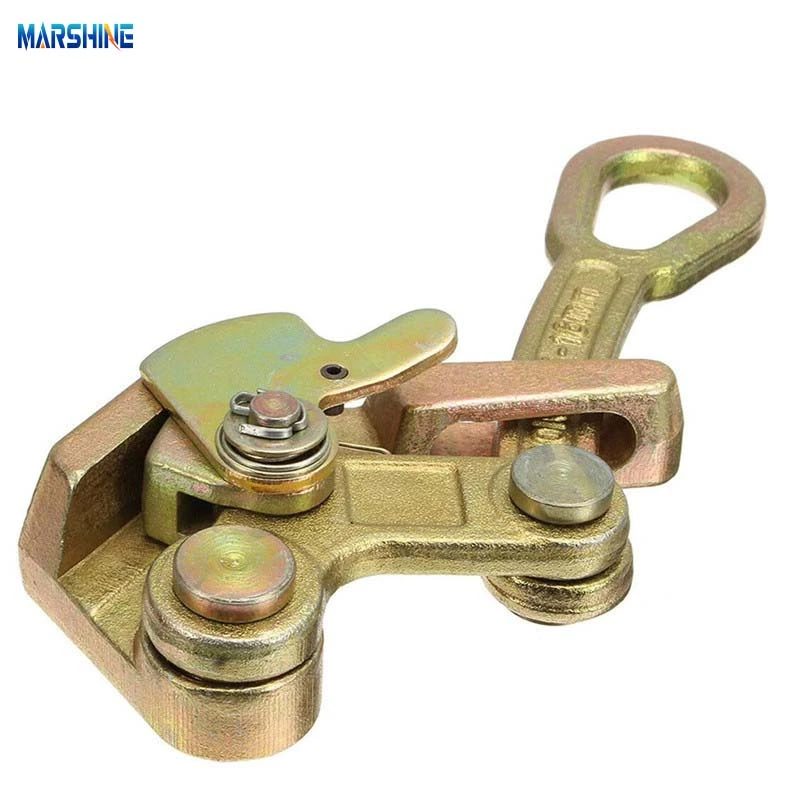
| Galvanized type | Better resistance to rust and outdoor exposure | Construction sites, outdoor line work, demanding environments | Can be heavier depending on build |
| Self-gripping type | Convenient operation and efficient cable adjustment | Crews that need faster setup and repeatable handling | Must still be matched carefully to the correct conductor and task |
This is where application clarity matters. If your team spends long hours moving tools across a site, weight becomes more important. If your work happens outdoors in moisture-prone environments, corrosion resistance becomes a bigger priority. If quick line adjustment is central to the job, ease of grip and release may outweigh other factors.
A smart buyer does not ask only, “Which clamp is strongest?” A smarter question is, “Which clamp solves the actual working problem with the least compromise?”
What should you check before placing an order
Before ordering a Come Along Clamp, it helps to slow down and confirm a few basics. This small step can prevent mismatched inventory, delivery frustration, and field complaints later.
- Confirm the exact cable or conductor type. Different materials and diameters require different gripping behavior.
- Define the working environment. Indoor workshop conditions and outdoor utility sites do not create the same demands.
- Clarify load expectations. Buyers should know the realistic working load rather than relying on broad assumptions.
- Ask about jaw range and compatibility. This reduces the chance of poor fit or over-compression.
- Review handling needs. If crews will operate the clamp repeatedly, ergonomics and release speed matter.
- Evaluate consistency of supply. A good product is not enough if the supplier cannot support repeat purchasing.
- Check technical communication. Fast and clear answers from the supplier often predict smoother project support later.
For companies sourcing tools across multiple projects, consistency is often underrated. Even if one low-cost supplier offers a cheaper unit, inconsistent finish quality or vague technical support can create more trouble than it saves. Procurement teams usually benefit more from a supplier that communicates clearly, delivers stable specifications, and understands the application than from one that simply quotes the lowest number.
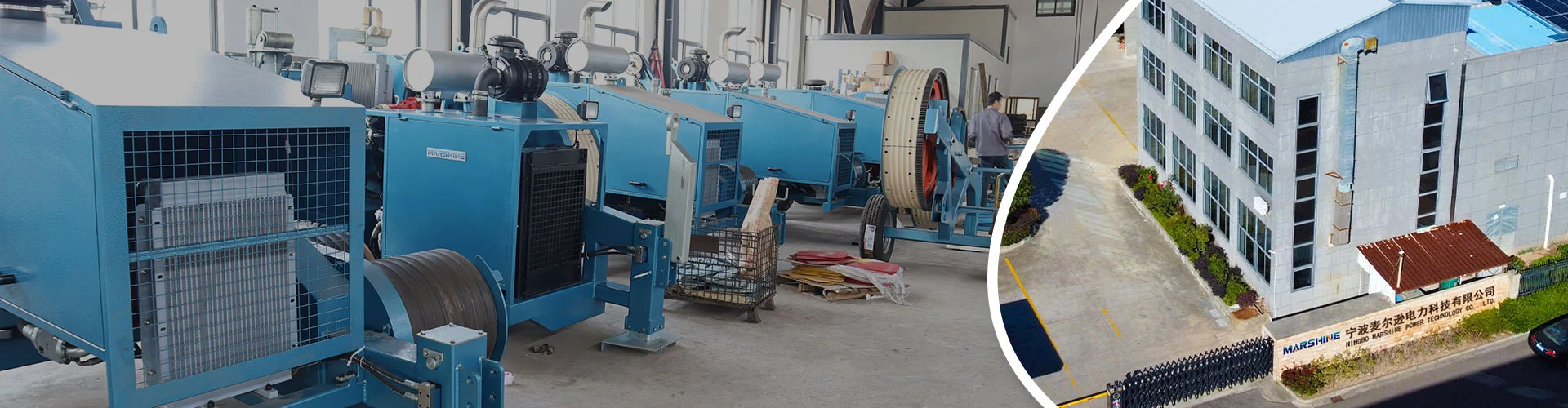
This is also where an established manufacturer such as Ningbo Marshine Power Technology Co., Ltd. can be relevant to buyers looking for practical cable installation tools and line work equipment. A supplier with a clear product focus is generally better positioned to discuss fit, operating conditions, and application differences than a generic seller working from broad catalogs alone.
How can you keep performance consistent over time
Even a high-quality Come Along Clamp will not perform well forever if it is neglected. Good maintenance is not complicated, but it should be intentional.
- Inspect the jaw surfaces regularly for wear, contamination, or deformation.
- Check moving parts for smooth action before each major job.
- Keep the clamp clean after outdoor use, especially in wet or dirty environments.
- Store it in a dry place instead of leaving it exposed between jobs.
- Retire any clamp that shows signs of cracking, severe corrosion, or compromised grip stability.
These habits do more than extend service life. They help maintain trust in the tool. When crews know the clamp will behave as expected, they work with better rhythm and fewer interruptions. That matters on every project, but especially on jobs where timing, access, and safety margins are already tight.
Why does the supplier matter as much as the product
Many purchasing problems are not caused by the clamp itself. They start earlier, during communication. A buyer asks for a clamp for cable work, receives a generic recommendation, and later discovers the model was not ideal for the material, environment, or workflow. That is not simply a product issue. It is a support issue.
A capable supplier helps buyers narrow down the real requirement. That means discussing use conditions, line type, size range, handling preferences, and durability needs. It also means giving straightforward answers instead of vague sales language.
For long-term buyers, this matters even more. Contractors, distributors, and project teams often need repeatable quality, dependable lead times, and easier reorder decisions. When the supplier understands the working context, future purchasing becomes faster and less risky.
That is why the best buying outcome usually comes from matching three things at the same time: the right product style, the right technical fit, and the right manufacturing partner.
FAQ
Can a Come Along Clamp be used for different cable sizes?
Some models can accommodate a range of sizes, but that does not mean one clamp is suitable for every conductor. Buyers should always confirm the working range and intended application before ordering.
Is a lighter clamp always better?
No. A lighter clamp can be easier to carry and reposition, but the best choice depends on load, environment, and work frequency. Light weight is useful only when it still provides the required grip and durability.
How do I reduce the risk of conductor damage?
Choose a clamp with the correct jaw design for the material and size you are handling, and make sure the clamp is used within its intended range. A strong grip should never mean uncontrolled surface damage.
Why is corrosion resistance important for a Come Along Clamp?
Outdoor projects expose tools to moisture, dirt, and changing weather. Corrosion resistance helps preserve both appearance and functional reliability over time, especially in repeated field use.
What information should I send to a supplier before asking for a quotation?
It is helpful to provide conductor or cable type, size range, application scenario, expected working load, and whether the clamp will be used mainly indoors or outdoors. The more precise the input, the better the recommendation.
What is the smartest next step if you want a more reliable clamp solution
If your team is trying to reduce slipping, protect conductors, improve field handling, and buy with fewer uncertainties, choosing the right Come Along Clamp is a practical place to start. A well-matched clamp supports safer work, steadier tension control, and better day-to-day efficiency across installation and maintenance tasks.
For buyers who want dependable product guidance and a more application-focused approach, Ningbo Marshine Power Technology Co., Ltd. is worth considering as part of the decision process. If you are comparing specifications, reviewing clamp styles, or planning your next procurement step, contact us to discuss your project needs and find a more confident solution for cable and line handling work.