

Cable pulling looks straightforward until friction, distance, conduit bends, and cable weight multiply into several tons of resistance. That is where a wire rope electric winch becomes a critical production and safety decision, not just another piece of site equipment. The right machine can shorten pulling time, reduce manual strain, and protect expensive power or communication cables from shock loading. The wrong one can overheat, stall, damage cable jackets, or create a serious rigging hazard. This guide explains the practical factors that matter most when specifying an electric winch for cable work, including capacity, line speed, motor duty cycle, wire rope strength, anchoring, and application fit.
What Is a Wire Rope Electric Winch
A wire rope electric winch is a heavy-duty mechanical device engineered primarily for pulling and tensioning operations in demanding environments. It is critical to distinguish early on between winches, which are designed for horizontal pulling, and hoists, which are built for vertical lifting. While some devices are rated for both, pulling and lifting carry vastly different regulatory and safety requirements. Known for their robust construction, these machines replace manual labor with high-torque electric motors to handle massive loads efficiently. Whether you are dealing with substation upgrades or basic structural rigging, a reliable winch reduces project timelines and minimizes physical strain on the crew. However, because of the extreme forces involved, operation always requires certified rigging personnel to ensure compliance with site safety protocols.
Key Components and Operating Principles
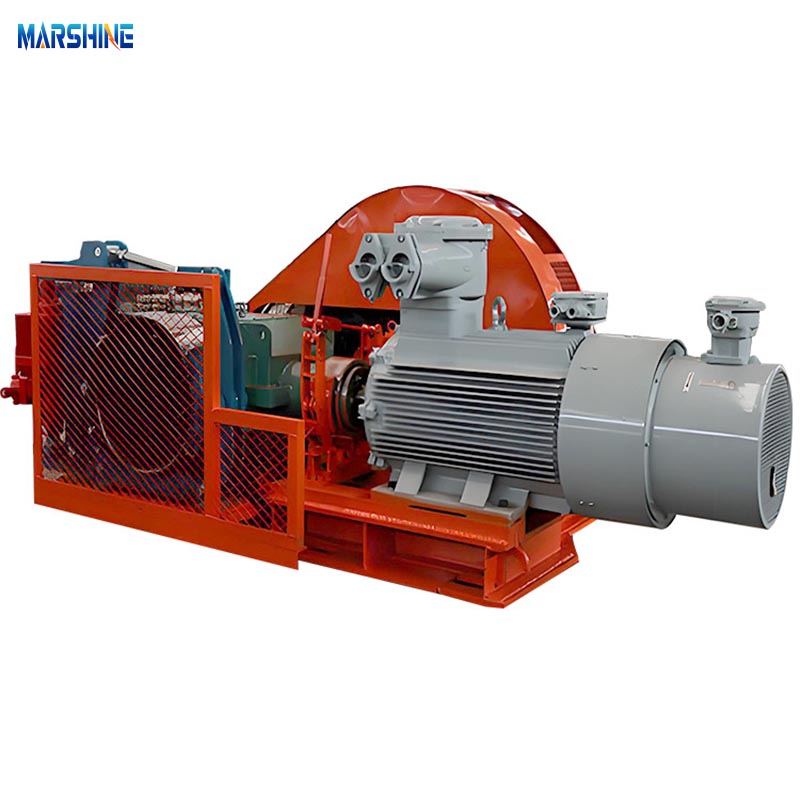
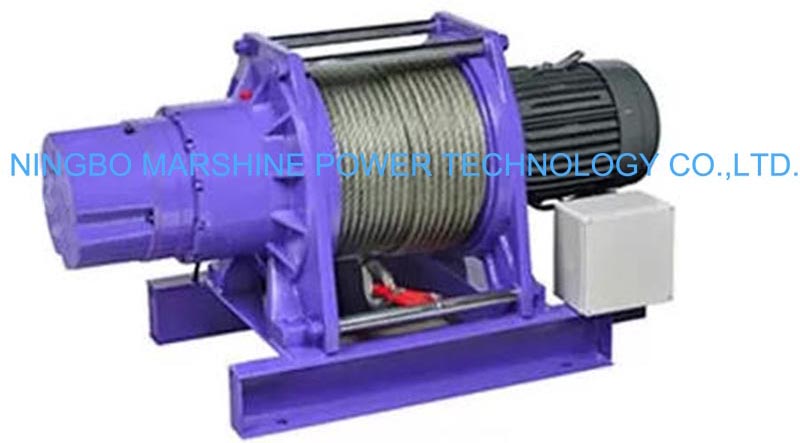
The core of an Electric Hoisting Winch consists of an electric motor, a reduction gearbox, a heavy-duty drum, and a braided steel wire rope. When powered, the motor drives the gearbox, which reduces rotational speed to multiply torque. This immense force is transferred to the drum, spooling the wire rope at a controlled pace. To ensure maximum durability, the wire rope features high tensile strength—often ranging from 1,670 to 1,960 N/mm² depending on the specific grade and manufacturing standard—allowing it to withstand extreme pulling forces without snapping. A precision-machined drum prevents rope tangling and reduces uneven wear during high-tension pulls. Modern units also integrate overload protection circuits that instantly cut motor power if the load exceeds safe operational limits. Additionally, buyers must account for duty cycle limitations; motors are rated for either continuous or intermittent operation, and exceeding these limits is a common mistake that causes overheating and premature failure.
Common Applications and Use Cases
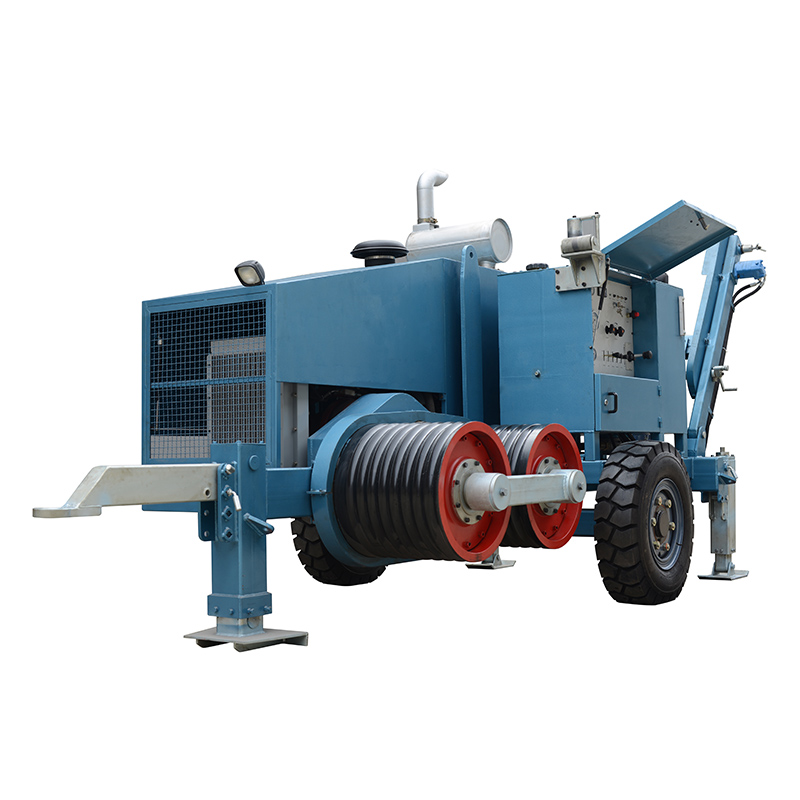
These winches are indispensable in long-distance transmission line stringing, telecommunications, and heavy infrastructure projects. Crews frequently rely on them for pulling heavy underground cables through tight conduits or tensioning aerial power lines across vast distances. Because job sites are often rugged and remote, these winches feature a portable yet highly stable frame design. Insufficient anchoring is a major operational risk, so they must be secured properly to concrete pads or specialized ground stakes. Whether pulling a 5-ton fiber optic bundle or maneuvering heavy equipment into position, the smooth, continuous pull eliminates jerky movements that could damage sensitive cable jackets or internal optics.
Key Wire Rope Electric Winch Specifications
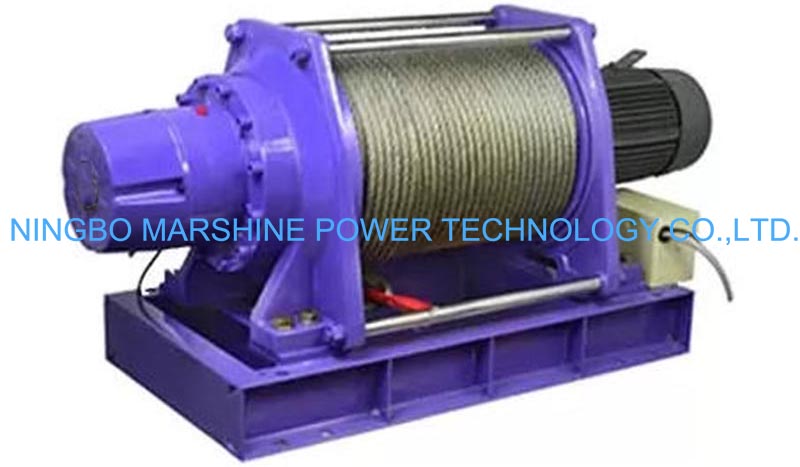
Evaluating technical specifications is the best way to guarantee a winch has the right features for a specific project. A mismatched machine can lead to damaged cables, stalled operations, or serious safety hazards on site. Knowing exactly which metrics to look for takes the guesswork out of equipment procurement.
Load Capacity, Line Speed, and Motor Power
The three most critical metrics to evaluate are load capacity, line speed, and motor power. Load capacity dictates the maximum weight or tension the winch can handle, typically ranging from 1 ton for light telecommunication jobs up to 30 tons for major infrastructure installations. Line speed measures how fast the rope travels, usually sitting between 8 and 16 meters per minute (m/min) to balance operational efficiency with safe handling. Motor power directly correlates with these two factors; a higher kilowatt rating ensures the winch does not overheat during continuous, heavy-duty pulls. The table below provides illustrative classification ranges; however, these values vary significantly by manufacturer and region, and should be verified against specific product data sheets.
| Winch Classification | Rated Load Capacity | Typical Line Speed | Motor Power Range |
|---|---|---|---|
| Light-Duty | 1 - 3 Tons | 12 - 16 m/min | 1.5 - 4.0 kW |
| Medium-Duty | 5 - 10 Tons | 10 - 15 m/min | 5.5 - 11.0 kW |
| Heavy-Duty | 15 - 30+ Tons | 8 - 12 m/min | 15.0 - 30.0 kW |
Braking, Safety Factor, and Rope Configuration
Beyond brute strength, safety and configuration specs define the true reliability of an Electric Drum Winch. A non-negotiable feature is a fail-safe electromagnetic braking system, which instantly locks the drum if power is lost, preventing unintended load shifts. As noted earlier, pulling and lifting applications carry different legal requirements and safety factors; using a pulling winch for vertical lifting is a dangerous mistake. Industry standards usually dictate a minimum safety factor of 3:1 for horizontal pulling operations and a stricter 5:1 ratio for overhead lifting tasks. Additionally, rope configuration matters immensely. The drum must be sized to hold the required rope length—often ranging between 100 and 500 meters—while maintaining the correct fleet angle. Fleet angle errors can cause the braided steel rope (commonly a 6x19 or 6x37 wire construction) to spool unevenly, crushing its own layers under tension.
How to Choose a Wire Rope Electric Winch Supplier
Finding the right equipment is only half the battle; partnering with a reliable manufacturer ensures those machines perform optimally in the field. A systematic selection framework involves three steps: assessing specific site conditions, verifying the supplier's technical customization capabilities, and auditing their quality certifications and warranty terms. A top-tier supplier offers a diverse catalog of tools and backs them up with verifiable performance data, ensuring the equipment stands the test of time.
Site Requirements and Product Selection
Evaluating a supplier starts with how well their equipment aligns with exact site requirements. Rather than relying on generic specifications, buyers must clarify specific site factors such as terrain stability, physical access constraints, extreme weather conditions, and power availability. A capable manufacturer should offer a wide range of solutions accommodating various voltages and environmental challenges. For example, if a project requires pulling a 10-ton cable through a flooded underground conduit, the supplier must be able to recommend a winch with a sealed gearbox and marine-grade protective coatings. The ability to customize drum capacity or motor specifications to meet exact torque thresholds separates industry leaders from standard equipment distributors.
Manufacturing Quality and After-Sales Support
Further reading:
Manufacturing Quality and After-Sales
Further reading:
Key Takeaways
- Choose a winch for horizontal pulling and a hoist for vertical lifting, unless the equipment is specifically rated and approved for both tasks.
- Verify load capacity, line speed, and motor power before purchase because these three specifications determine whether the winch can complete the pull safely and efficiently.
- Select high-tensile wire rope appropriate for the job, with many industrial grades rated around 1,670 to 1,960 N/mm².
- Check the motor duty cycle and avoid running an intermittent-duty winch continuously, as overheating can cause premature failure.
- Anchor the winch securely to concrete pads, ground stakes, or approved structures before applying high pulling force.
- Use smooth, controlled pulling to reduce jerky movement and help protect cable jackets, fiber optics, and other sensitive cable components.
Frequently Asked Questions
What is the main difference between a winch and a hoist?
A winch is mainly designed for horizontal pulling and tensioning, while a hoist is built for vertical lifting. Always confirm the equipment rating because lifting applications have stricter safety and regulatory requirements.
How do I choose the right load capacity for a wire rope electric winch?
Select a winch with a rated pulling capacity above the maximum expected load, including friction, slope, cable weight, and safety margin. Undersizing can stall the pull, damage cable, or create site hazards.
Why does duty cycle matter when selecting an electric winch?
Duty cycle shows whether the motor is designed for continuous or intermittent operation. Exceeding it can overheat the motor, shorten service life, and cause failure during long cable-pulling jobs.
What wire rope strength is commonly used in heavy-duty electric winches?
Many industrial wire ropes use high-tensile steel rated around 1,670 to 1,960 N/mm², depending on grade and standard. The correct rope should match the winch rating and pulling conditions.
Can a wire rope electric winch be used for underground cable pulling?
Yes. These winches are commonly used to pull heavy underground cables through conduits, especially when steady force is needed to avoid jerks that could damage cable jackets or internal fibers.