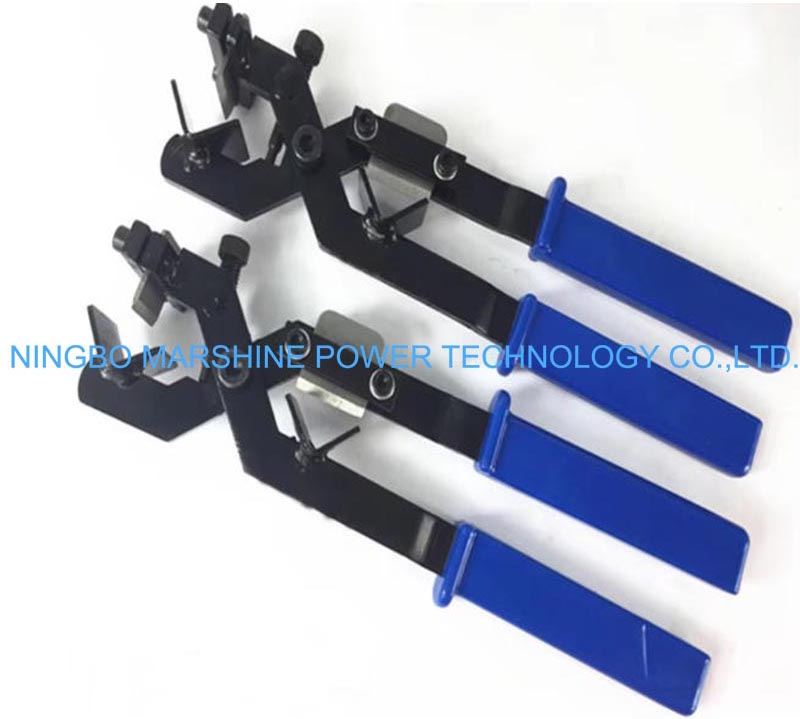
The secret to quickly stripping wires with a hand wire stripper tool involves three key elements: selecting the correct tool, mastering proper technique, and understanding different wire types. Achieving fast, damage-free wire stripping means focusing on these pillars. A quality manual stripping tool helps prevent common issues like nicks or incomplete stripping. MARSHINE, known for reliable electrical power equipment tools, offers excellent options for any wire stripper tool need.
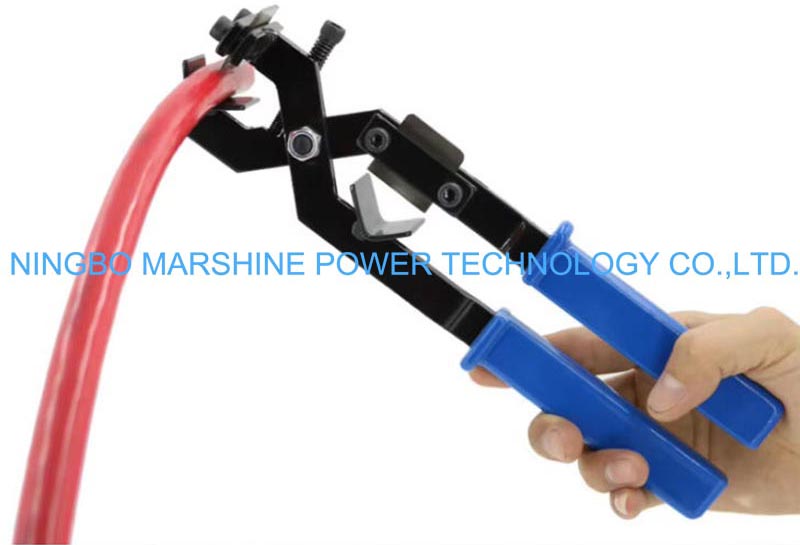
Selecting the correct hand wire stripper tool is crucial for achieving speed and efficiency in your work. Different tools offer unique advantages, depending on the task at hand. Understanding these differences helps you pick the best tool for your needs.
Automatic hand wire strippers are excellent for rapid action. They save manual effort because they adjust and remove insulation in one smooth motion. This simplicity and speed are very valuable when you handle many wires of different sizes quickly. These tools grip and strip the wire in a single motion, making them much faster than manual options. They are well-suited for users who need to complete high-volume stripping tasks efficiently.
Automatic strippers also increase speed and efficiency because they eliminate the need to change settings for different wire sizes. You simply insert the wire and squeeze the handle to strip the insulation. This capability speeds up repetitive tasks, allowing professionals to strip many wires quickly without slowing down. They also ensure precision and consistency, which is important for safe connections. These tools consistently achieve clean and accurate strips by grabbing the wire and removing insulation without cutting the metal. This prevents common mistakes like nicks in wires and uneven strips. MARSHINE offers reliable electrical power equipment tools, including options that provide such efficiency.
Manual hand wire strippers offer precise control. They are often preferred for delicate work or when you need a very specific strip. These tools require more user input, but they allow for fine adjustments. This precision helps prevent damage to the wire's core, especially with sensitive or unique wire types. While they might not be as fast as automatic versions for high volume, their accuracy is unmatched for certain tasks.
Multi-purpose hand wire strippers provide great versatility. These tools combine several functions into one, making your toolbox lighter and your work more flexible. Many models include bolt cutters and shears for cutting thicker materials like copper and aluminum. They often feature crimping functionality, which secures wire connectors to wire ends, ensuring firm connections.
Some multi-purpose tools have adjustable gauges, allowing them to handle various wire sizes without needing a tool change. This means one hand wire stripper tool can work with both solid and stranded wires. They might also include needle nose pliers for reaching tight spaces or wire cutters for trimming wires cleanly. These combined features make multi-purpose strippers a smart choice for diverse projects.
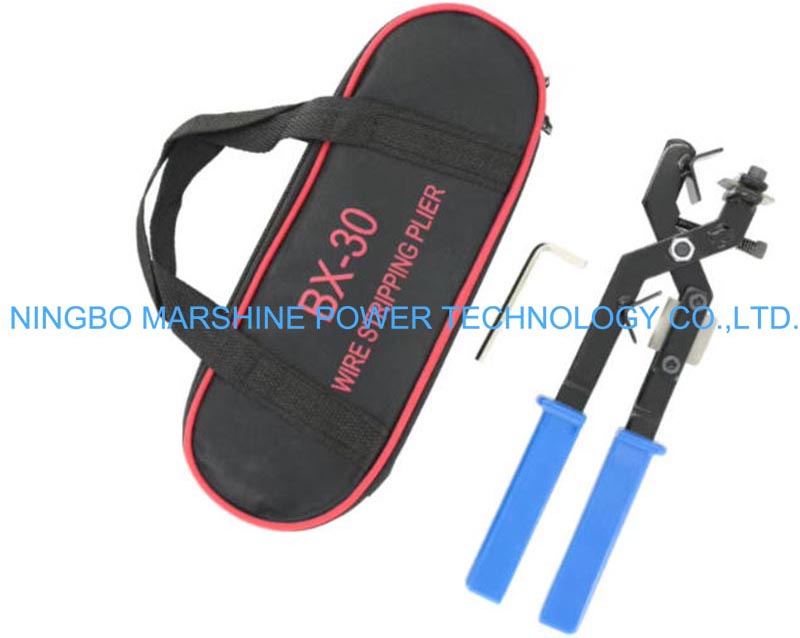
Achieving speed and precision when stripping wires comes down to more than just having the right tool. It also involves mastering effective techniques. With practice, anyone can strip wires quickly and cleanly, avoiding common mistakes that slow down work or damage materials.
A good grip and stable stance are fundamental for efficient wire stripping. When you hold your hand wire stripper tool, ensure a firm but relaxed grip. This prevents fatigue during repetitive tasks. Your dominant hand should control the tool, while your non-dominant hand holds the wire steady. Position your body so you have a clear view of the wire and the stripping blades. A stable stance, with your feet shoulder-width apart, provides balance and allows you to apply consistent pressure. This setup minimizes slips and ensures each strip is accurate. MARSHINE designs its tools with ergonomic handles, making them comfortable to hold and easy to maneuver, which helps maintain this optimal grip and stance.
The "score, rotate, and pull" method is a highly effective technique for clean and quick wire stripping. First, you "score" the insulation by gently closing the stripper blades around the wire at the desired length. Do not cut all the way through. Next, "rotate" the wire or the tool a full 360 degrees. This scores the insulation evenly around the entire circumference. Finally, "pull" the insulation straight off the wire. This method creates a clean break in the insulation without nicking the conductor underneath. It works well for various wire types and sizes, ensuring a professional finish every time.
Setting the correct gauge and blade depth on your hand wire stripper tool is critical for both speed and wire integrity. Most quality strippers have markings for different wire gauges. Always match the tool's setting to the wire's actual gauge. This ensures the blades only cut through the insulation, not the metal conductor.
Incorrect blade depth settings can significantly compromise wire integrity. For instance, if the blade depth is set improperly, such as 0.15 mm for a 0.5 mm² wire, it can lead to nicked strands. More than 20% nicked strands can reduce the wire's tensile strength by 35%. Improper blade alignment can damage the wire insulation or nick the conductors themselves. This compromises the overall integrity of the wire, potentially leading to electrical issues and creating safety hazards. Ignoring specific parameters like wire gauge and insulation type can result in uneven cuts, damaged conductors, and compromised wire integrity. Even minimal blade penetration beyond the insulation can cause reduced electrical efficiency, increased failure rates under load, and long-term reliability issues. Inaccurate or uneven stripping leads to weak solder or crimp joints, poor electrical continuity, and more frequent rework and inspection. MARSHINE's tools often feature clear markings and precise adjustment mechanisms, helping users set the correct gauge and blade depth with confidence, thus preventing these critical issues.
Even with the best hand wire stripper tool, mistakes can happen. Avoiding common errors helps you strip wires faster and more safely. It also ensures the integrity of your electrical connections.
Preventing damage to wires is crucial for both safety and performance. Many common errors lead to nicked conductors or incomplete stripping. For example, using the wrong tool, like a knife instead of a proper stripper, often results in uneven cuts and a high chance of cutting into the wire itself. Similarly, using the wrong notch or size setting on your stripper can cause problems. A notch that is too small might cut the copper, while one that is too large will not cut the insulation effectively. Matching the wire gauge to the correct setting is essential to avoid cutting the metal conductor.
Applying too much force is another frequent mistake. You only need to cut the insulation. If you need to use excessive force, the tool or its setting might be wrong. Also, not removing enough insulation can prevent good electrical contact. Removing too much exposes bare wire, which can lead to accidental contact or corrosion. Always inspect the result after stripping for damage like cut strands or deep nicks. Installing a compromised wire can lead to failure later. Ignoring damaged wiring can cause worsening issues over time due to corrosion, heat stress, and repeated electrical faults. This weakens the entire system and leads to more expensive repairs. MARSHINE's precision-engineered tools help minimize these risks, ensuring clean strips and reliable connections.
Inconsistent pressure during stripping can lead to several issues. You might notice uneven stripping length, which happens when the wire feeding pressure is not steady. Problems with embossing on the wire can also indicate incorrect pressure settings. If the wire inlet wheel's grip is too weak, you might see significant variations in stripped length. A wire head that gets stuck or a stubborn wire tail that does not strip correctly often points to insufficient wheel pressure.
To maintain consistent pressure, first, ensure you correctly adjust the wire stripper for the specific wire gauge. Practice your technique to apply steady pressure and movement. Insert the wire into the appropriate gauge slot. Then, apply even pressure when squeezing the handles of the stripper. Avoid using excessive force. Practice on scrap wires to develop a feel for the correct amount of pressure. Close the stripper handles firmly so the blades penetrate the insulation. Apply enough pressure to cut through the insulation without damaging the internal copper wire. If you use adjustable strippers, fine-tune the tension for optimal results. A well-adjusted stripper enhances speed and consistency. MARSHINE designs its tools for ergonomic comfort, which helps users apply consistent pressure more easily.
A sharp, undamaged hand wire stripper tool is vital for both efficiency and safety. Dull blades or misaligned jaws can tear insulation or require extra force. This increases the risk of conductor damage. Nicking or cutting into the wire’s conductor can lead to several problems. A cut or scored wire has less cross-sectional area, which reduces its conductivity and increases electrical resistance. This can cause the wire to run hotter under load. In extreme cases, overheating can lead to melted insulation or fire hazards.
A notched wire is also more prone to breaking, especially if bent or vibrated. This creates a stress point that can snap during installation or later use, leading to an open circuit. If insulation bits remain or the wire is partly cut through, the connection will be subpar. This can result in only a few strands making contact or a loose fit, leading to high resistance and heat. Over-stripping exposes more bare conductor than necessary. This could accidentally touch other wires or metal surfaces, causing a short circuit, tripping breakers, damaging components, or even causing shocks and fires. MARSHINE ensures its cable stripping tools are manufactured with high-quality materials, providing sharp, durable blades for safe and efficient operation.
Selecting the right tool, using proper technique, and understanding wire types create synergy for quick stripping. Consistent practice builds speed and precision. You can confidently and efficiently strip wires with your tools. This mastery makes every task easier.
Automatic hand wire strippers are best for quick work. They strip wires in one smooth motion. This saves time and effort. MARSHINE offers reliable electrical power equipment tools for efficiency.
Always match the tool's setting to the wire's gauge. This prevents nicks in the conductor. MARSHINE's precision-engineered tools help minimize damage.
A sharp stripper ensures clean cuts and prevents conductor damage. Dull blades tear insulation. MARSHINE uses high-quality materials for durable blades.