

A power cable crimp is only as reliable as the tool, die, and hydraulic setup behind it. In high-load electrical work, a poor match can create micro-voids, excess resistance, overheating, and costly field failures. A separate crimping head gives crews valuable flexibility because the pump can remain on the ground while the lighter head is positioned in a trench, cabinet, or aerial bucket. But choosing the right head requires more than checking tonnage. Cable size, copper or aluminum conductors, lug standards, die profiles, pump pressure, couplers, hose length, and working environment all affect safety and performance. This guide explains what to verify before putting a crimping head into service.
Choosing the Right Separate Crimping Head for Power Cables
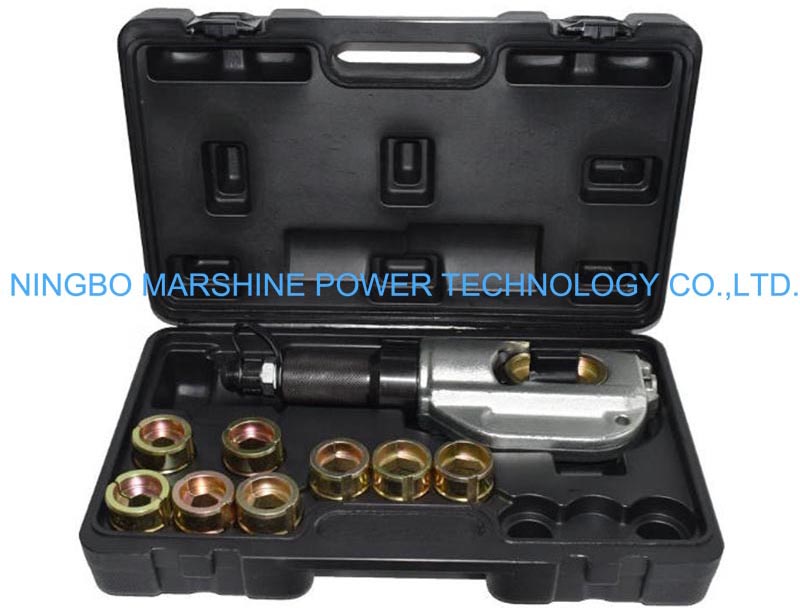
Choosing the right separate crimping head requires matching the hardware to the specific demands of your power cable project. Because these heads operate independently from the hydraulic pump, they offer incredible flexibility in tight trenches or high up on aerial buckets. By leaving the heavy pump on the ground and lifting only the crimping head, this separation significantly reduces operator fatigue at height and allows crews to position the crimping face perfectly before applying pressure. To fully realize these safety and usability benefits, field ergonomics and hose management are critical. Crews must account for hydraulic hose length to ensure ground-based pumps can reach aerial buckets without tension. Additionally, heads featuring 360-degree rotation or swivel couplers, along with secure die retention mechanisms, allow operators to easily align the tool in confined spaces without wrestling stiff, pressurized hoses. Furthermore, separate heads provide excellent operational value through interoperability, as they can be powered by various manual, electric, or battery-operated hydraulic pump sources.
Cable Size, Conductor Material, Lug Type, and Die Compatibility
You must look closely at the cable size, conductor material, and the lugs you plan to use before finalizing your selection. Power cables often feature heavy-duty copper or aluminum conductors, typically ranging from 16 sq mm up to massive 1000 sq mm cross-sections. It is crucial to explicitly distinguish between these materials: while copper is relatively straightforward, aluminum typically demands oxide-inhibiting compounds, different die profiles, and specific crimping sequences beyond simply matching the lug type. A high-quality separate hydraulic crimping head features interchangeable dies that accommodate both standard hexagonal crimps and deep indent crimps. It is critical that buyers verify adherence to relevant die and connector standards, such as IEC, IEEE, or DIN, before field deployment. Die sets are often proprietary or must strictly match the connector manufacturer's specifications. If your dies do not perfectly match the lug type, you risk micro-voids in the connection, which can lead to dangerous localized overheating and high-resistance joints under heavy electrical loads.
Hydraulic Pump Pressure, Stroke Length, Head Opening, and Crimping Force
The physical capabilities of the head must match your hydraulic pump output. Most industry-standard hydraulic pumps push oil at a working pressure of 700 bar (around 10,000 psi). However, you cannot assume any 700 bar pump will work. You must verify whether the head requires a single-acting or double-acting pump, ensure the oil flow rate meets the tool's volume demands, and match specific coupler genders and thread standards (e.g., 3/8" NPT, BSPP, or Enerpac-style quick connects) so buyers can physically verify pump-to-head mating rather than relying solely on generic pressure matching. Environmental factors also matter; for example, cold-weather operations require monitoring hydraulic oil viscosity limits to prevent sluggish performance. If your crimping head expects 700 bar but your pump falls short, you will never achieve the required output force—often between 12 and 60 tons depending on the model. It is also essential to ensure the system includes proper hydraulic pressure relief mechanisms to prevent over-pressurization. Furthermore, you must verify the stroke length, head opening, and necessary electrical clearances for safe operation. A stroke length of 25mm might be sufficient for standard splices, but working with oversized H-taps or thick sleeves requires a larger head opening to easily slip over the connector without damaging the surrounding insulation.
Comparing Hydraulic Separate Crimping Head Types
Once you know the baseline specifications your project demands, it is time to evaluate the physical geometry of the tool. The shape of a separate crimping head dictates how easily it slides into confined workspaces and how much raw pressure it can safely handle without warping.
C-Type, U-Type, H-Type, and Other Head Designs
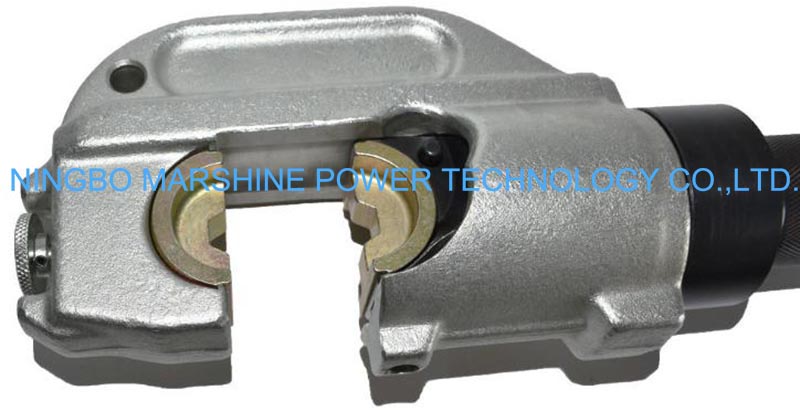
The most common geometries you will encounter are C-type, U-type, and H-type designs. C-type heads are incredibly popular because the open jaw allows operators to slide the tool directly over a continuous cable run without threading the wire through a closed loop. Similarly, U-type heads typically feature open-frame designs for accessibility, whereas H-type frames are closed, offering superior structural rigidity for extreme high-tonnage applications. These closed frames prevent the jaw from flexing under massive hydraulic loads, making them a staple for heavy substation work. While construction methods vary by manufacturer and application, a reliable separate crimping head typically utilizes reinforced steel forgings or materials meeting strict industry standards to ensure the frame does not stretch after repeated use.
Output Tonnage, Crimp Range, Weight, and Field Usability
Balancing output tonnage with field usability is a constant trade-off for line crews. A lightweight 12-ton output head might weigh just 4.5 kg, making it easy to maneuver overhead all day. Step up to a massive 45-ton output head for 1000 sq mm cables, and operators are suddenly lifting 15 kg of solid steel. Knowing your crew's physical limits and the typical cable sizes they handle is critical for efficiency.
| Head Design | Typical Tonnage | Max Cable Size (Cu/Al) | Avg. Weight (kg) | Best Application |
|---|---|---|---|---|
| C-Type (Open) | 12 - 20 Tons | Up to 400 sq mm | 4.5 - 7.0 | Fast field splices, tight spaces |
| U-Type (Open) | 20 - 35 Tons | Up to 630 sq mm | 8.0 - 12.0 | Standard distribution lines |
| H-Type (Closed) | 45 - 60+ Tons | Up to 1000+ sq mm | 15.0 - 22.0 | Substations, heavy transmission |
Note: The tonnage, weight, and cable size ranges provided above are representative examples that vary by manufacturer. These figures must always be cross-checked against the tool’s certified die chart, as maximum capacity depends on the specific die set and tool series, not solely on the head geometry.
Selecting a Reliable Separate Crimping Head Supplier
Even the best specifications on paper mean nothing if the tool breaks down on a remote job site.
Further reading:
Key Takeaways
- Match the separate crimping head to the cable cross-section, conductor material, lug type, and connector standard before selecting a model.
- Verify die compatibility with IEC, IEEE, DIN, or the connector manufacturer’s specifications to prevent overheating and high-resistance joints.
- Do not rely on pressure rating alone; confirm pump type, oil flow, coupler standard, and hose compatibility with the crimping head.
- Choose ergonomic features such as 360-degree rotation, swivel couplers, and secure die retention for safer operation in trenches, cabinets, and aerial buckets.
- For aluminum conductors, plan for oxide-inhibiting compound, proper die profiles, and the required crimping sequence rather than treating them like copper cables.
- Ensure the hydraulic system can deliver the required force, often 12 to 60 tons depending on the head and cable application.
Frequently Asked Questions
What is a separate crimping head used for?
A separate crimping head is used to crimp power cable lugs and connectors while being powered by an external hydraulic pump. This setup lets crews keep the pump on the ground and position only the lighter crimping head in trenches, cabinets, or aerial work areas.
How do I match a crimping head to cable size?
Check the head’s rated cable range, conductor material, lug type, and compatible die sets. Power cable applications may range from 16 sq mm to 1000 sq mm, so the head and dies must match the exact connector specification.
Can one crimping head work with both copper and aluminum cables?
Yes, but only if the head supports the correct dies and crimp profiles for both materials. Aluminum often requires oxide-inhibiting compound, specific dies, and proper crimping sequences to avoid high-resistance joints.
Is any 700 bar hydraulic pump compatible with a separate crimping head?
No. Besides pressure, you must verify single-acting or double-acting operation, oil flow, coupler type, thread standard, and hose compatibility. A 700 bar rating alone does not guarantee safe or functional matching.
Why is die compatibility so important?
Incorrect dies can create micro-voids inside the crimped connection. These voids increase resistance, generate localized heat, and may cause premature failure under heavy electrical load.