

Introduction
Cable installation depends on steady force, careful tension control, and the ability to keep work moving over long distances. A capstan winch machine improves this process by using friction around a rotating capstan instead of winding rope onto a storage drum, which helps maintain consistent pulling power and supports continuous operation. This matters in power, utility, and underground cable projects where interruptions, excess mechanical stress, and uneven traction can slow progress or risk damage. The sections that follow explain how the machine works, why it increases pulling efficiency, and where its design offers practical advantages over conventional winching methods.
Why Does a Capstan Winch Machine Improve Cable Pulling Efficiency
In modern electrical power grid construction, minimizing mechanical stress on conductors while maximizing installation speed is paramount. A capstan winch machine fundamentally transforms this process by delivering consistent pulling force without the limitations of traditional drum winches. By utilizing a friction-based pulling mechanism, these machines prevent cable accumulation on the drum, allowing for infinite rope length and uninterrupted operations. Implementing this technology routinely reduces overall cable pulling time by up to 40%, particularly in complex underground duct networks or extensive aerial transmission projects. The core product feature of these machines is their ability to decouple pulling power from rope storage, ensuring operations remain highly efficient regardless of the cable run length.
What is a capstan winch machine
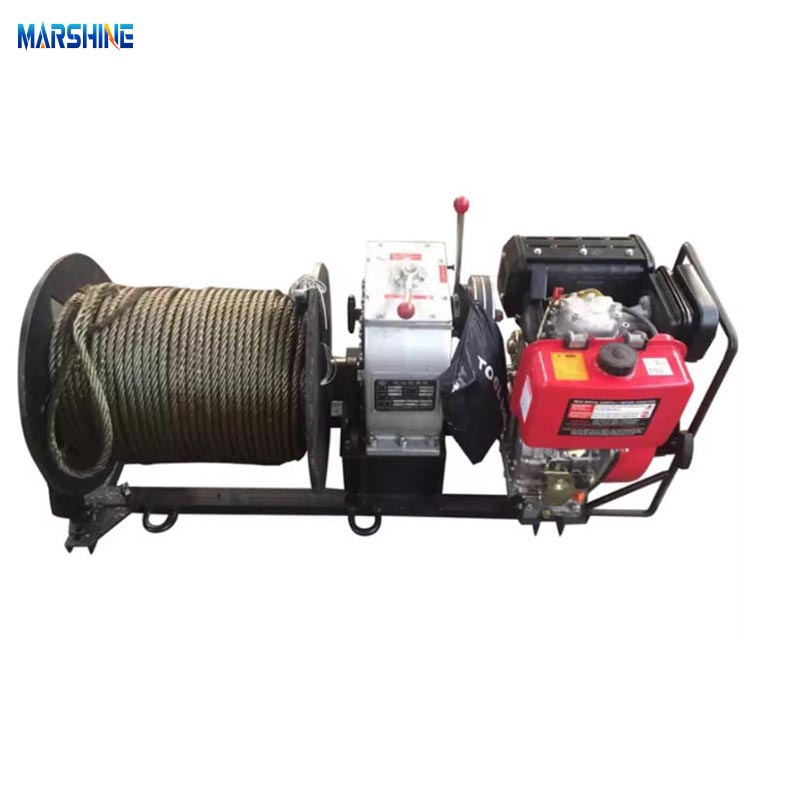
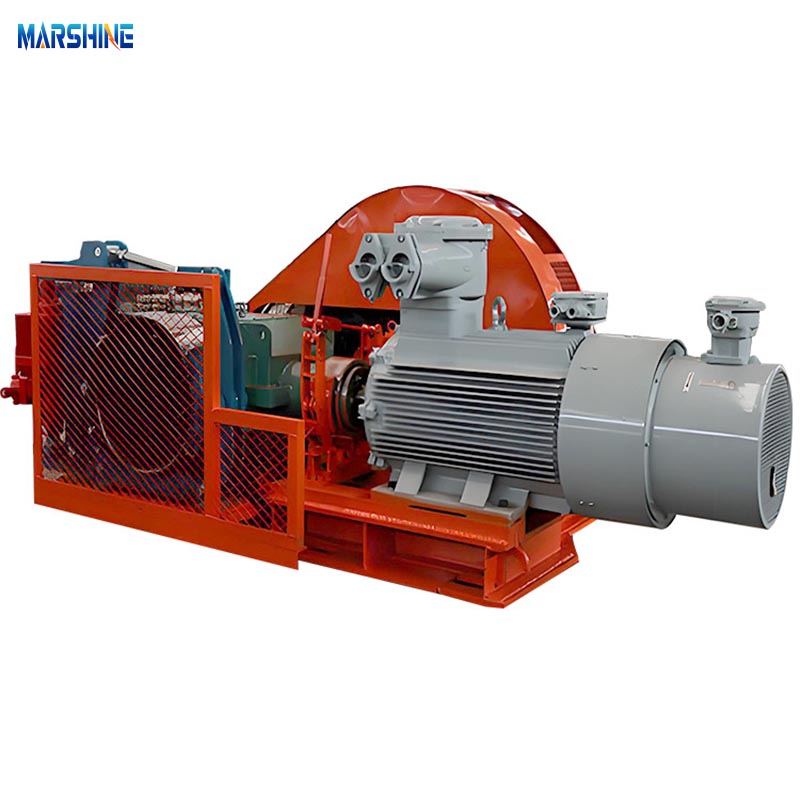
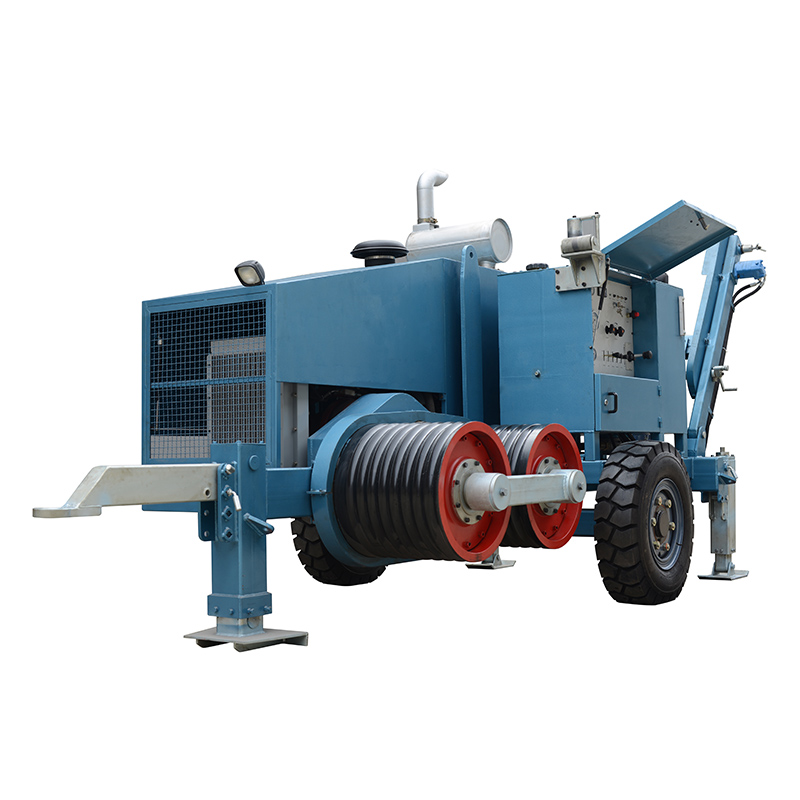
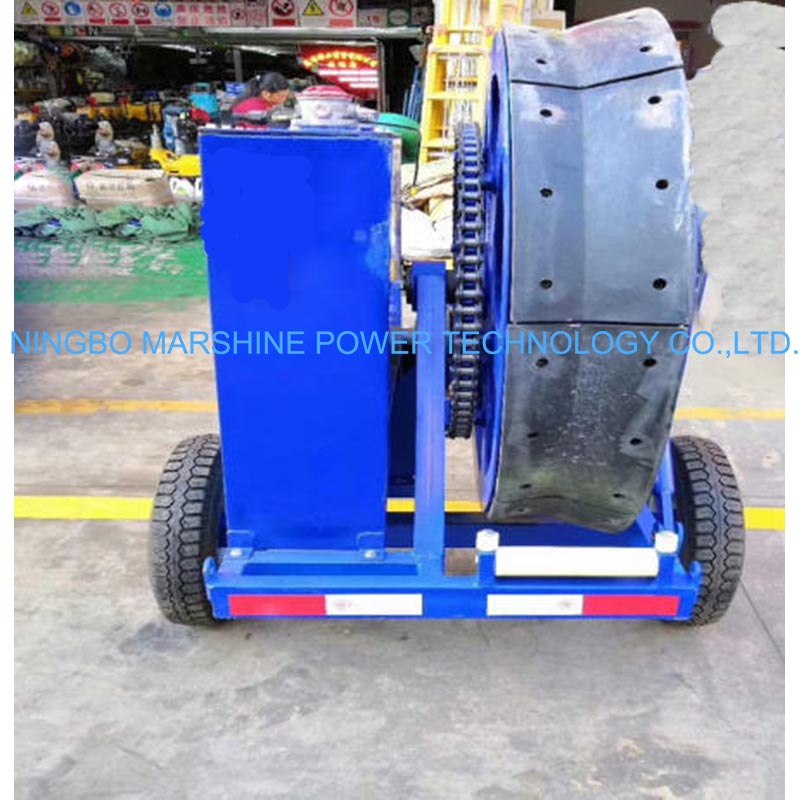
A capstan winch machine is a specialized pulling device where the synthetic or wire rope wraps around a rotating cylindrical drum—the capstan—rather than spooling onto it. Because the rope enters and exits the capstan continuously, the machine maintains a constant line pull and uniform speed regardless of the pulling distance. Leading manufacturers like MRSHINE engineer these machines with precision-machined capstan heads to optimize the friction coefficient, preventing rope slippage while minimizing wear. Standard industrial models typically deliver pulling capacities ranging from 30 kN to 80 kN, operating at steady line speeds of 10 to 25 meters per minute.
This continuous-pull capability is a critical product characteristic for long-distance installations. Unlike standard winches where the pulling force decreases and speed increases as the drum fills, the capstan design ensures that torque remains perfectly stable from the first meter of cable to the last. This stability prevents the "bird-caging" effect in wire ropes and eliminates the risk of micro-fractures in sensitive high-voltage lines.
Which operating advantages matter most
The most significant operational advantage of a capstan winch machine is its ability to protect high-value conductors from sudden tension spikes. Modern units feature integrated dynamometers and automatic overload protection systems. If the pulling tension exceeds a pre-set threshold—such as 45 kN on a 50 kN rated machine—the system automatically halts operation, preventing catastrophic damage to the cable jacket or the structural integrity of the conduit.
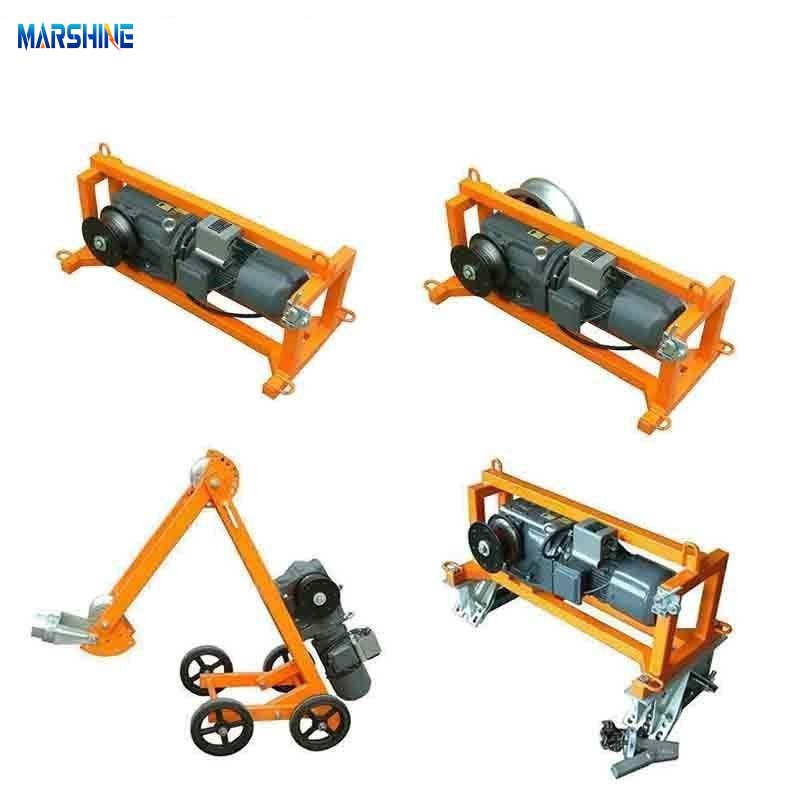
Furthermore, advanced models function effectively as a transmission line winch in rugged terrains. Their compact, modular design allows for rapid deployment in confined urban spaces or remote off-road sites. The separation of the pulling mechanism from the rope storage reel means operators can utilize heavy-duty braided steel ropes or lightweight synthetic lines interchangeably, adapting instantly to the specific load requirements of the grid infrastructure.
What Specifications and Application Conditions Should Buyers Evaluate
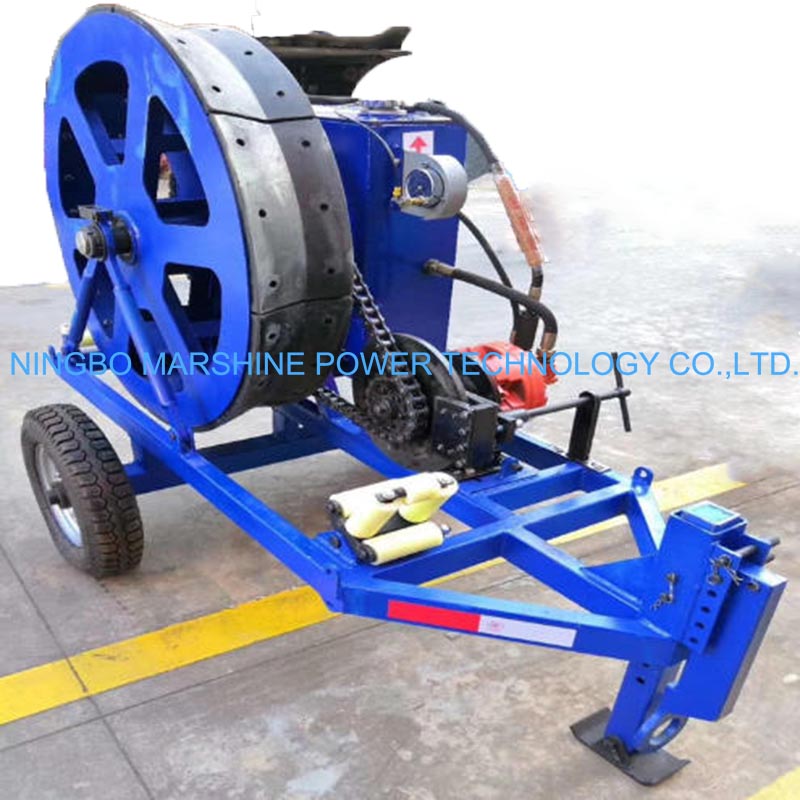
Selecting the optimal capstan winch machine requires a rigorous evaluation of both project specifications and the inherent features of the equipment. Engineers must match the machine's mechanical output to the physical demands of the cable route. A core product feature to evaluate is the drive system's thermal management; sustained pulls under high tension generate significant heat, necessitating robust cooling mechanisms to maintain efficiency across standard operating temperature ranges of -20°C to +50°C.
How do project variables affect machine selection
Project variables dictate the baseline specifications required for a successful installation. Contractors must calculate the total pulling tension, which is heavily influenced by the cable weight, the trajectory of the conduit, and the friction coefficient (typically ranging from 0.3 to 0.5 for lubricated PVC ducts). For instance, pulling a heavy 400 mm² cross-linked polyethylene (XLPE) cable through an underground conduit with multiple 90-degree sweeps requires a machine capable of sustaining high torque at low speeds without engine stalling or motor overheating.
Additionally, the power source availability at the site plays a critical role. Remote aerial line stringing often necessitates engine-driven or fully hydraulic systems that operate independently of the electrical grid, whereas urban underground installations may favor electric models to comply with strict municipal noise and exhaust emission regulations.
Which trade-offs should guide evaluation
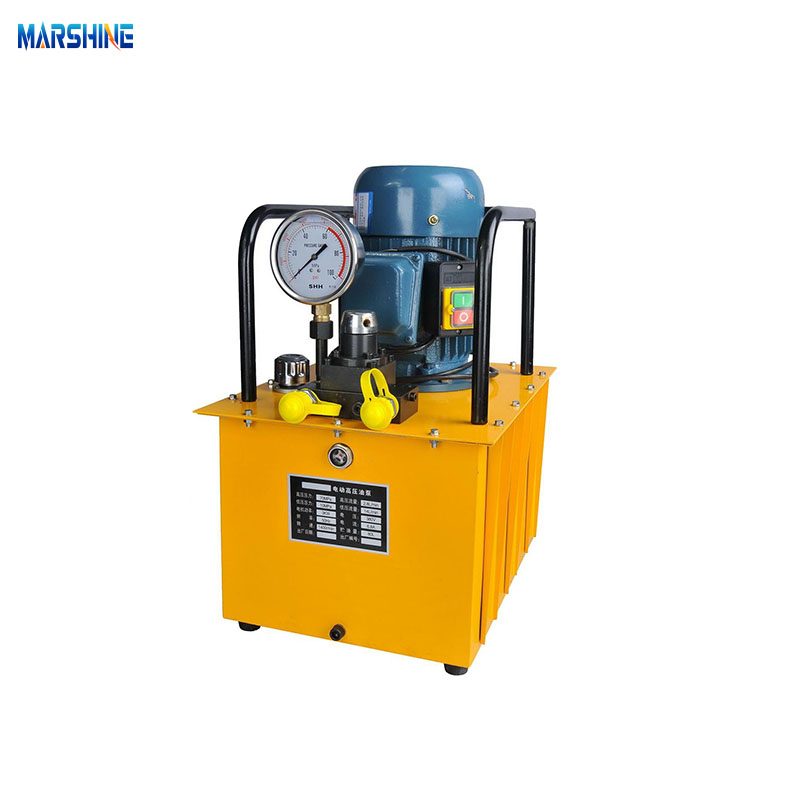
When evaluating different models, buyers must weigh the trade-offs between hydraulic and electric drive systems. A hydraulic capstan winch offers superior variable speed control and exceptional durability under continuous heavy loads, though it requires more stringent maintenance of fluid levels and high-pressure hoses. Conversely, electric units provide cleaner operation and lower maintenance but may lack the extreme torque needed for the heaviest transmission lines.
| Specification | Hydraulic Capstan Winch | Electric Capstan Winch |
|---|---|---|
| Max Pulling Force | 50 kN - 100+ kN | 20 kN - 50 kN |
| Speed Control | Infinitely variable | Stepped or variable frequency |
| Maintenance Level | High (fluid, filters, seals) | Low (motor brushes, bearings) |
| Ideal Application | Heavy transmission, remote sites | Urban distribution, indoor ducts |
Ultimately, the chosen machine must feature robust structural integrity, intuitive control interfaces, and precise tension limiters. Evaluating these trade-offs ensures that the selected winch aligns with both the capital expenditure limits and the technical demands of the specific grid construction project.
How Should Contractors Source and Implement a Capstan Winch
Procuring a high-performance capstan winch machine extends beyond comparing spec sheets; it requires verifying the manufacturer's quality management systems and establishing strict operational protocols. Reliable cable pulling relies heavily on the integration of advanced circuitry construction tools and adherence to standardized implementation practices. The defining feature of a successful deployment is the seamless synergy between the equipment's mechanical capabilities and the operator's technical expertise.
How should suppliers be verified
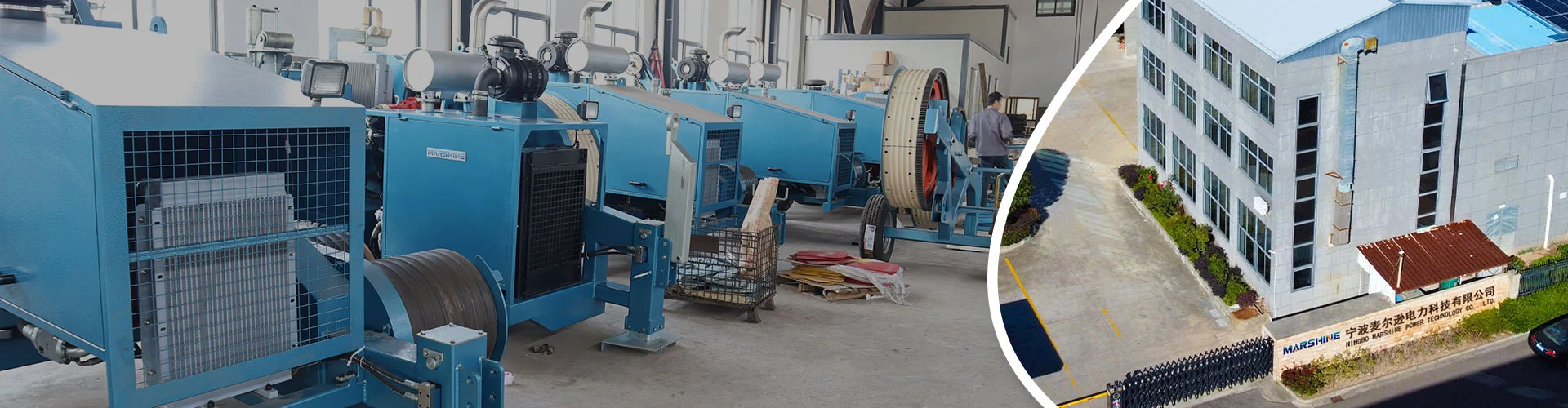
Contractors must source equipment from established manufacturers with documented quality assurance frameworks. For example, Ningbo Marshine Power Technology Co., Ltd. operates under the GB/T19001-2008 quality system certification, ensuring consistent manufacturing tolerances across their extensive catalog of over a thousand kinds of tools in 20 series. Evaluating a supplier involves verifying their capacity to conduct rigorous factory acceptance testing, including 120% dynamic overload tests on the capstan heads to ensure structural safety.
Furthermore, a reliable supplier embodies the philosophy of 'quality first, users first' by providing comprehensive after-sales systems and quality tracking.
Further reading:
Key Takeaways
- The most important conclusions and rationale for capstan winch machine
- Specs, compliance, and risk checks worth validating before you commit
- Practical next steps and caveats readers can apply immediately
Frequently Asked Questions
What makes a capstan winch machine more efficient than a drum winch?
It uses continuous friction pulling instead of rope spooling, so line pull and speed stay stable over long distances, reducing stops and cutting pulling time.
How do I choose the right pulling capacity for my project?
Match the machine’s rated kN to cable weight, route length, bends, duct friction, and safety margin. For exact sizing, request guidance from cable-winch.com with your route data.
When should I choose a hydraulic capstan winch machine?
Choose hydraulic models for remote sites, heavy loads, and long pulls where grid power is limited. They handle rugged terrain and sustained high-tension work well.
Are capstan winch machines safer for high-value power cables?
Yes. Constant line pull, overload protection, and tension monitoring help prevent sudden spikes that can damage cable jackets, conductors, or ducts during installation.
What site conditions matter before buying from cable-winch.com?
Check required line pull, line speed, power source, ambient temperature, terrain access, and rope type. Also confirm cooling performance if the job involves long, continuous pulls.