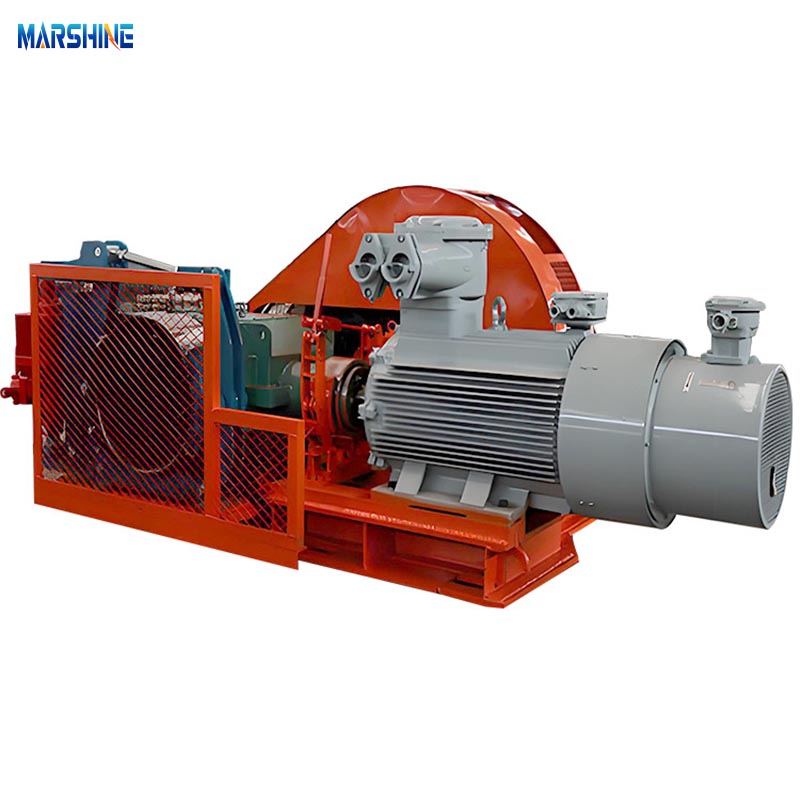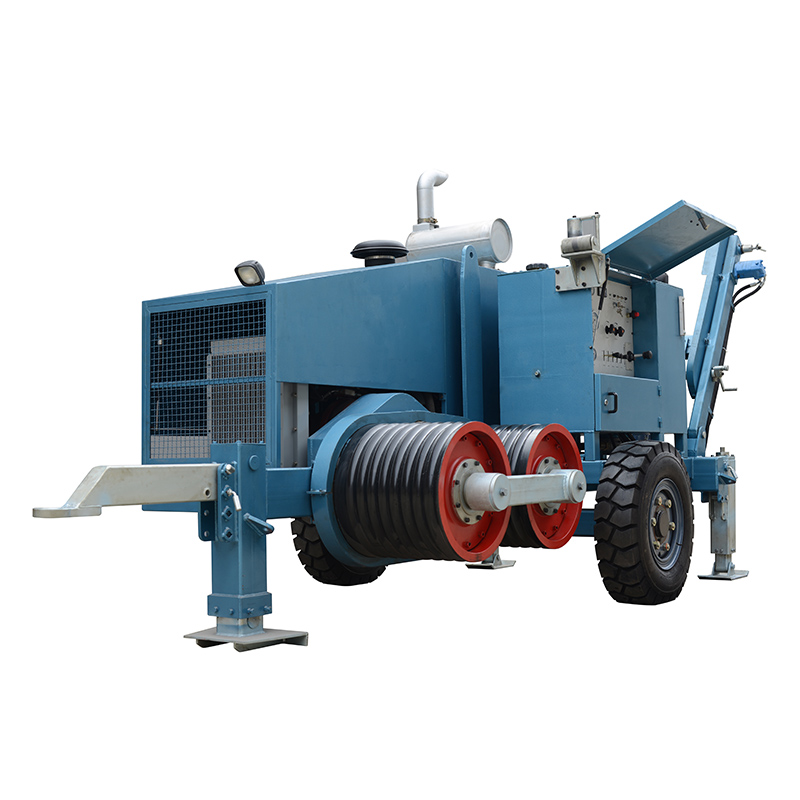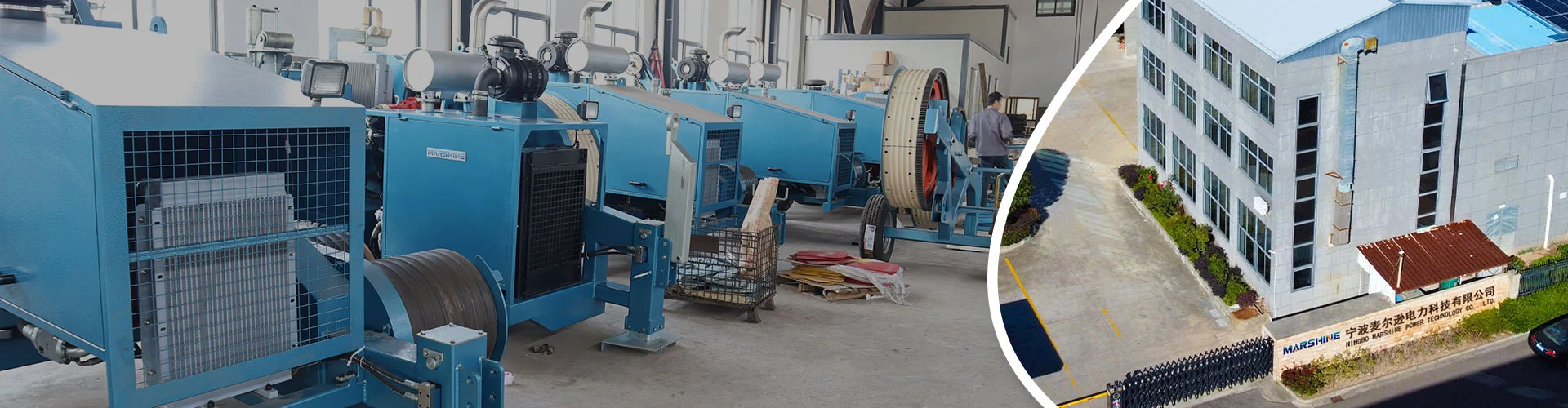
A hydraulic cable puller is a powerful and reliable cable installation machine widely used in power transmission, telecommunications, and infrastructure projects. Compared with traditional manual or electric pulling tools, hydraulic cable pullers offer higher pulling force, better control, and enhanced safety. This article explains what a hydraulic cable puller is, how it works, its key advantages, applications, selection tips, and why professional contractors increasingly rely on trusted manufacturers like MARSHINE for large-scale cable pulling operations.

A hydraulic cable puller is a heavy-duty mechanical device designed to pull electrical cables, optical fiber cables, and conductors through ducts, trenches, or overhead routes using hydraulic power. Unlike manual systems that rely on human strength, hydraulic cable pullers use pressurized hydraulic oil to generate consistent and controllable pulling force.
These machines are commonly used in:
The working principle of a hydraulic cable puller is based on converting hydraulic pressure into mechanical pulling force. The system typically includes a hydraulic pump, motor, control valves, and a pulling mechanism.
This precise control allows smooth cable installation, even over long distances or through complex routes with bends and elevation changes.
| Component | Function |
|---|---|
| Hydraulic Pump | Generates pressure to power the system |
| Hydraulic Motor | Converts hydraulic energy into mechanical motion |
| Pulling Drum / Capstan | Provides grip and pulling force for cables |
| Control Valve | Regulates pulling speed and direction |
| Frame and Chassis | Ensures stability and durability during operation |
Hydraulic cable pullers significantly improve efficiency compared to manual or electric alternatives. Key efficiency benefits include:
In large infrastructure projects, using a hydraulic cable puller can reduce total installation time by over 30%, leading to significant cost savings.
| Method | Pulling Capacity | Efficiency | Safety |
|---|---|---|---|
| Manual Pulling | Low | Low | High risk |
| Electric Winch | Medium | Medium | Moderate |
| Hydraulic Cable Puller | High | High | High safety |
Hydraulic cable pullers are widely used across multiple industries:
For demanding environments and long-distance installations, professional contractors often rely on heavy-duty hydraulic pullers from established manufacturers such as MARSHINE.
When selecting a hydraulic cable puller, consider the following factors:
Choosing the correct model ensures optimal performance, reduced downtime, and longer equipment lifespan.
To ensure safe operation and long service life:
Proper maintenance not only enhances safety but also protects your investment.
MARSHINE is a trusted manufacturer specializing in cable installation equipment. Their hydraulic cable pullers are designed to meet international standards and deliver consistent performance in challenging environments.
The pulling force varies by model and application, typically ranging from several tons to tens of tons for large-scale projects.
Yes. With proper tension control, hydraulic cable pullers are ideal for delicate fiber optic installations.
Stable hydraulic control reduces sudden tension changes, minimizing the risk of cable breakage or operator injury.
Routine inspection, oil replacement, and proper storage are usually sufficient to keep the machine running efficiently.
A hydraulic cable puller is an essential tool for modern cable installation projects, offering unmatched efficiency, safety, and control. Whether for power transmission, telecommunications, or infrastructure development, investing in a high-quality hydraulic cable puller can significantly enhance project outcomes.
If you are looking for reliable, high-performance hydraulic cable pulling solutions, MARSHINE offers professional equipment tailored to your project needs. Contact us today to learn more and get expert support for your next cable installation project.