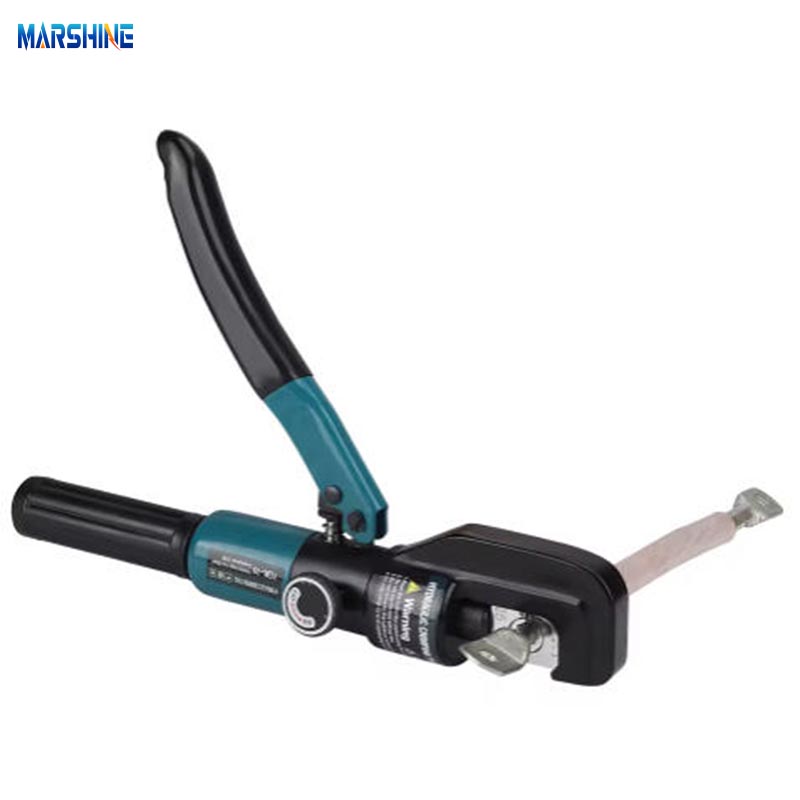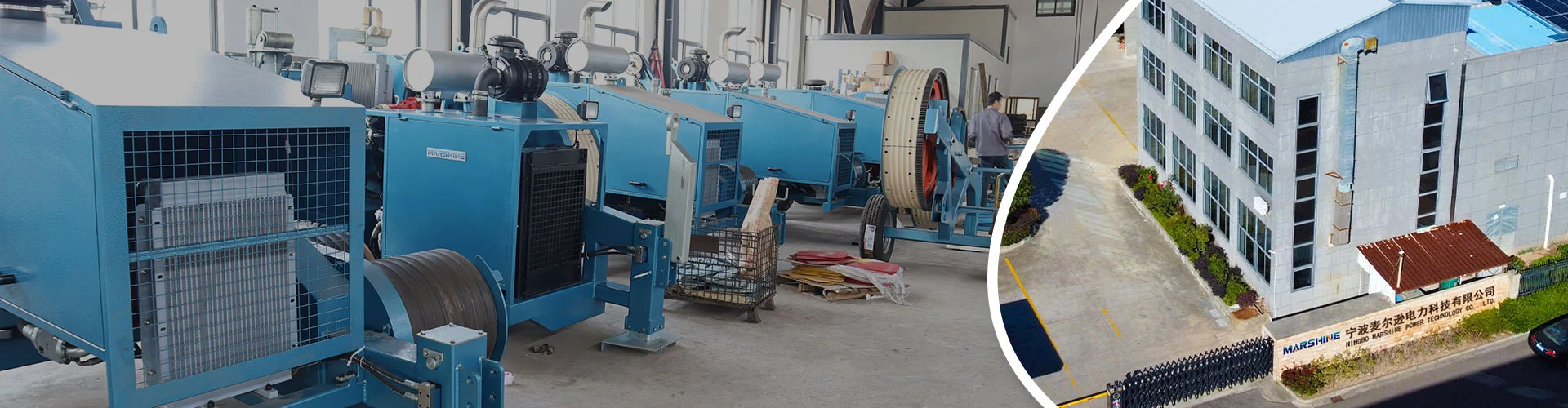
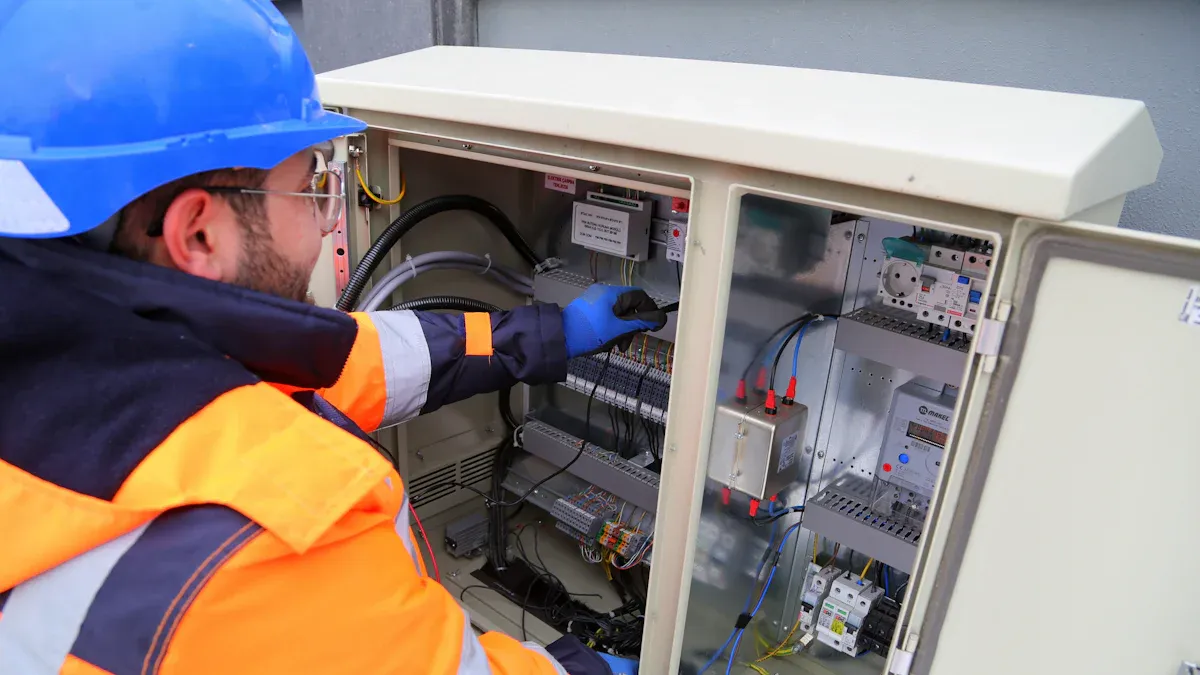
You know how crucial reliable electrical connections are, right? Electric cable crimping tools are vital for electricians because they ensure secure, reliable, and safe electrical connections. Did you know poor connections cause over 30% of all electrical failures? Tools like the MARSHINE Electric Powered Hydraulic Copper Pipe Crimping Tool directly impact performance and safety, helping you avoid those issues.
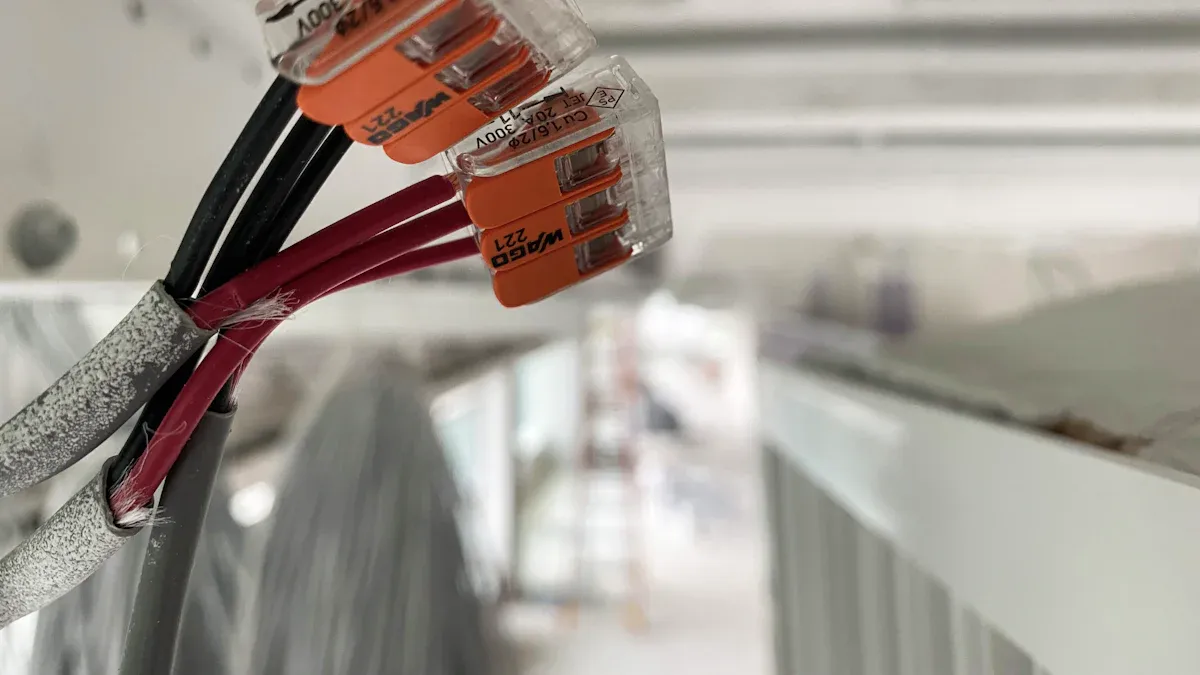
You want your electrical connections to last, right? A superior crimp is not just about squeezing metal. It involves a precise scientific process. When you use an electric cable crimping tool, you create a special kind of bond. This bond is a gas-tight, cold-welded connection. It happens through plastic deformation, not by melting anything. The tool applies enough pressure to permanently change the shape of the connector material. This action compresses the wire strands tightly together. It eliminates any tiny air gaps between them. This process also prevents oxidation at the contact surface. Oxygen cannot reach the copper strands. This minimizes corrosion and keeps your electrical resistance stable. Crimping mechanically joins a wire to a connector. It deforms the connector around the wire strands. This uses controlled pressure. You get a gas-tight connection. You also achieve strong mechanical retention. This ensures stable electrical conductivity. The main idea is cold-welding the wire strands and connector together through compression.
Loose connections are a big problem in electrical work. They can cause many issues. You might see incomplete crimps. These don't hold wires securely. Sometimes, the connector isn't oriented properly in the tool. This can lead to a weak spot. You might also have mismatches between wire size and connector size. This causes problems like too much wire extending out. Or, you might see stray wires sticking out. These issues weaken the connection. Other common failures include improperly seated wires or deformed connectors. You might also find loose strands. A crimp that doesn't hold securely will fail a pull test. High electrical resistance will fail a resistance check. These are signs of a bad crimp.
Loose connections also degrade over time. Mechanical wear and fretting can happen. Repeated use causes contact surfaces to wear down. This can damage the plating. It exposes the contact material underneath. Vibration and temperature changes make this worse. Debris from this wear can build up. This causes fretting corrosion. It increases resistance. Electrical contacts can also lose their spring-back ability. They don't return to their original shape after being compressed. This reduces the force holding the connection. It leads to intermittent connections. You might also see signal degradation. Mechanical wear creates tiny wear particles. These particles can get stuck between contacts. They increase electrical resistance. This causes intermittent connections, signal problems, or even overheating.
You want your electrical installations to last for years. Proper crimping helps ensure this. Non-crimped connections often face challenges. They are susceptible to increased resistance. This happens because of repeated thermal cycling. Different materials in a connection expand and contract at different rates. This occurs when they heat up and cool down. This differential expansion can loosen terminations. It increases resistance. Eventually, it can even cause separation. This is especially true for compression-type connectors.
An aging management program helps ensure metallic electrical cable connections keep working. This program addresses age-related degradation. It looks at things like increased resistance. This can come from thermal cycling, heating, electrical surges, vibration, or corrosion. Properly crimped connections resist these issues better. They maintain their integrity over long periods. Twist-pin contacts, for example, show great resilience. They handle vibration, motion, and mechanical shock well. Their design distributes force across many contact points. This ensures continuous engagement. This spring-like interface absorbs stress. It prevents intermittent signals and micro-motion failures. These are common problems in other contact types. Crimping provides a similar level of robust, long-term reliability for your connections.
You know safety is paramount in electrical work, right? Electric cable crimping tools are not just about making connections; they are about protecting lives and property. They help you meet strict safety standards and avoid dangerous situations.
You want to prevent electrical fires. A major cause of these fires is poor electrical connections. When you use an electric cable crimping tool, you create a superior connection. This connection has low contact resistance. This means less heat builds up. A proper crimp also forms a gas-tight connection. This prevents corrosion. Oxygen cannot reach the copper strands. This keeps electrical resistance stable. It also reduces heat buildup.
Think about it: high-quality crimps form gas-tight joints. They compress specially designed splice bands or crimp terminations. This reshapes wire strands. You get a solderless electrical connection with low resistance. Gas-tight joints are crucial. They prevent metal corrosion from moisture and oxygen. This ensures stable electrical resistance. The crimping process also creates tiny connections. These help current travel smoothly. Proper crimping helps you avoid issues like burnout or hotspots. These can happen from errors like over-tightening or incorrect wire ratios. You are actively minimizing fire risks with every good crimp you make.
Electrical shocks are a serious danger. You want to protect yourself and others. Many shocks happen because of connection failures. Poorly maintained or improperly installed electrical systems are big culprits. Exposed wires and loose connections also cause problems. Imagine a worker fatally electrocuted. This happened when someone improperly spliced a 3-wire power cord to a 2-wire cord. There was no grounding or GFCI protection. Another worker died from an electrical fault. The tool's original power cord was replaced with an unsuitable flat cord. Strain relief was missing. The ground prong was gone. No GFCI protection existed. These incidents show you the severe risks.
This is where insulated crimp terminals become your best friend. They have a protective coating, usually PVC or nylon. This acts as a safeguard against electrical shorts. It significantly reduces the risk of electrical shocks. These terminals provide a barrier. This barrier sits between conductive metal and its surroundings. It ensures current flows as it should. It minimizes accidental contact or short circuits. The insulating layer greatly reduces electrical accidents. It protects both you and your equipment. Insulated crimp connectors have an insulating sleeve. This sleeve protects the connection from moisture, dust, and accidental contact with conductive surfaces. The insulation helps prevent short circuits, corrosion, and potential electrical hazards. It keeps metal parts safe from external elements. It also keeps you safe from electrical shock. The housing of insulated single crimp terminals prevents direct contact between wires. This isolates them. It reduces risks of fire, electric shock, or equipment damage from short circuits. The insulating shell also reduces the risk of accidental electric shock. This happens if you inadvertently touch live wires, especially in busy work environments.
You must meet industry standards. These standards ensure safety and quality. Organizations like the International Electrotechnical Commission (IEC) set these rules. For example, IEC 60803 is a key industry standard. It governs electrical crimping practices. This standard provides recommended dimensions for hexagonal and square crimping-die cavities. It also covers indentors, gauges, outer conductor crimp sleeves, and center contact crimp barrels. This is especially important for R.F. applications. Following these standards is not optional.
What happens if you do not comply? The consequences are severe. Companies can face financial penalties. These can be up to $16,550 for each serious violation. Fines can even escalate to $165,514 per incident for repeated or deliberate violations. Not having valid certificates can lead to fines up to $30,000. Your insurance coverage may become void. This happens if your business operates without proper certification. You would then be responsible for all damages from electrical incidents. Organizations with expired certificates face fines up to $30,000. Their insurance coverage becomes void during electrical incidents. They face major disruptions and higher liability for electrical problems. Electrical contractors who fail to comply with electrical codes may face fines and legal action. You can also be held liable for any damages or injuries. These damages or injuries would result from non-compliant electrical systems. Failure to meet electrical regulatory standards can lead to operational disruptions for businesses. It can mean costly repairs for homeowners. It can also decrease property values. Violations often result in significant fines and legal complications. Using a reliable electric cable crimping tool helps you meet these crucial standards. It protects you from these serious consequences.
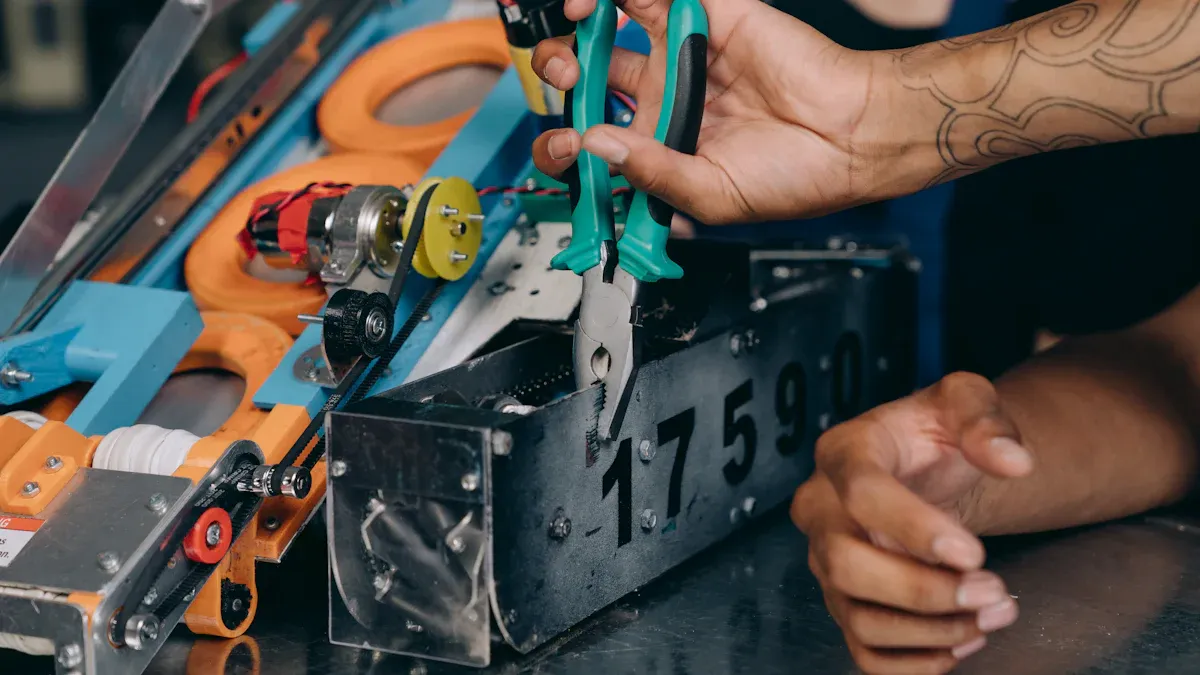
You always look for ways to work smarter, not harder, right? Electric cable crimping tools, especially advanced models like the MARSHINE Electric Powered Hydraulic Copper Pipe Crimping Tool, significantly boost your efficiency and productivity. They help you get more done in less time, with better results.
You know time is money on any job site. Electric powered hydraulic crimping tools make your installations much faster. They offer automatic operation. This greatly reduces physical strain. You get faster and more uniform crimping. This improves the quality of your connections. It also speeds up your overall project timelines. This is especially true for large-scale installations.
Think about battery-operated models. They give you amazing mobility on job sites. You can work freely without needing to stay near power outlets. This boosts efficiency in many different environments. It helps you on projects that need a lot of adaptability. For example, BlackFin® battery-powered hydraulic crimping tools replaced older tools that often broke. This eliminated costly downtime and replacement expenses. Those old tools slowed production and risked project deadline penalties. The StructuredGround™ system, when combined with BlackFin® tools, allowed for faster installations. You did not need open burn permits or flame processes. This meant you could continue working even in hot, humid weather. You also got more crimps per battery charge. These tools helped a large industrial contractor meet tough construction schedules for a $14 billion LNG project. They avoided potential project deadline penalties and budget risks.
Automated crimping solutions really increase your productivity. They cut down the time you spend on each connection. These tools handle high volumes of work. They are perfect for assembly lines where you need consistency and speed. They offer higher speed compared to handheld tools. You get maximum efficiency for high-volume, repetitive tasks. They also have faster cycle times. Some even feature automatic wire feeding and cutting. They have quick-change applicators. You can find integrated stripping and crimping functions. All these features make your work much quicker.
You want to do the job right the first time. Rework costs you time and money. Consistent crimp quality is super important. Misaligned dies can cause poor electrical performance. They can lead to mechanical failure. They can also make you non-compliant with industry standards. All these issues mean you have to do the work again.
You need to reduce human error. This is especially true when setting up crimping dies. Improper installation or setup can cause misalignment. This leads to substandard crimps. You can minimize rework through careful practices. This includes regular maintenance and calibration of your crimping tools. You should frequently check for die wear and alignment. Always do visual and physical inspections before you start crimping. Using the correct crimping tool and die set for each terminal type and size prevents alignment problems. It ensures crimp quality. Proper operator training on crimping techniques and die alignment also helps. It minimizes human error. It ensures consistency. This greatly reduces the chance of rework. The MARSHINE Electric Powered Hydraulic Copper Pipe Crimping Tool helps you achieve this consistent quality every time.
Your comfort and safety on the job matter a lot. Electric powered hydraulic crimping tools, like cordless hydraulic crimpers, reduce vibration. They minimize user fatigue. They feature ergonomic grips and balanced weight designs. This allows you to work continuously for long hours. You do not get excessive strain. Their compact build gives you precise control in tight or awkward spaces. This helps you maintain accuracy. It also reduces the risk of repetitive-motion injuries.
Powered utility crimpers often include "prevention through design" (PtD) features. These offer big ergonomic benefits to electricians. These tools are made to minimize the risk of ergonomic injuries. They improve your working conditions. This leads to increased productivity. They do this by using innovative mechanical features. They have auto-sensing technologies. Their designs reduce tool weight or improve balance.
Battery-powered hydraulic tools significantly reduce operator fatigue. They generate high crimping force consistently. You use minimal physical effort. This helps you finish jobs faster. This is especially true for tasks with many crimps or larger diameter pipes. Manual tools, on the other hand, demand a lot of hand strength. They are much slower. The MARSHINE Electric Powered Hydraulic Copper Pipe Crimping Tool uses a battery-powered mechanism. This eliminates the need for a lot of manual force. It prevents hand fatigue and repetitive strain injuries. You can operate it effortlessly with minimal exertion. Its lightweight design reduces strain on you. This is very helpful when you work in tight spaces where you have limited room to move. Unlike manual tools, the MARSHINE Electric Powered Hydraulic Copper Pipe Crimping Tool lets you apply consistent pressure with minimal effort.
You now understand why electric cable crimping tools are vital for electricians. They provide safety, reliability, efficiency, and compliance—all essential for modern electrical work. Their ability to create consistently high-quality connections makes them an indispensable asset. Every professional electrician needs these tools.
You get secure, reliable connections every time. They prevent loose wires and reduce fire risks. These tools ensure your work meets high safety standards.
They speed up installations significantly. You reduce rework because of consistent quality. Their ergonomic design also makes them easy to use, cutting down on fatigue.
Absolutely! They help you create connections that comply with strict regulations. This minimizes fire hazards and prevents electrical shocks. You stay safe and compliant.