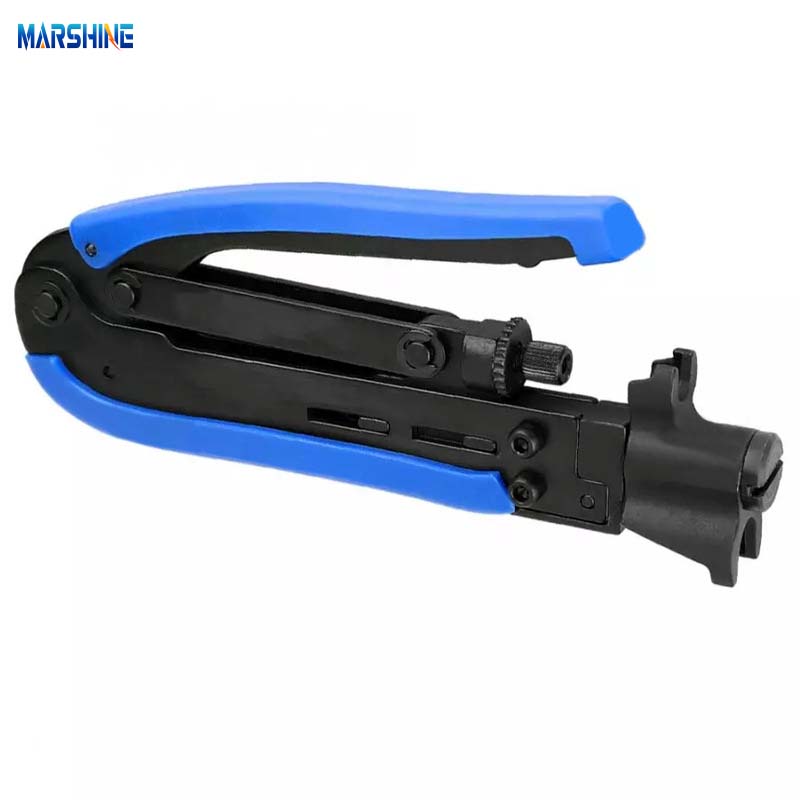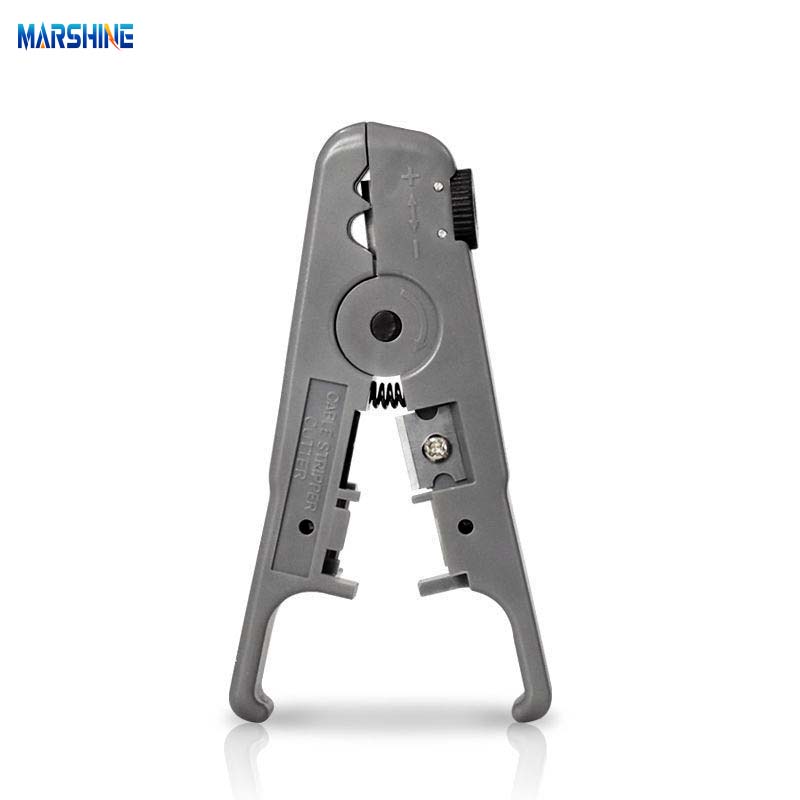
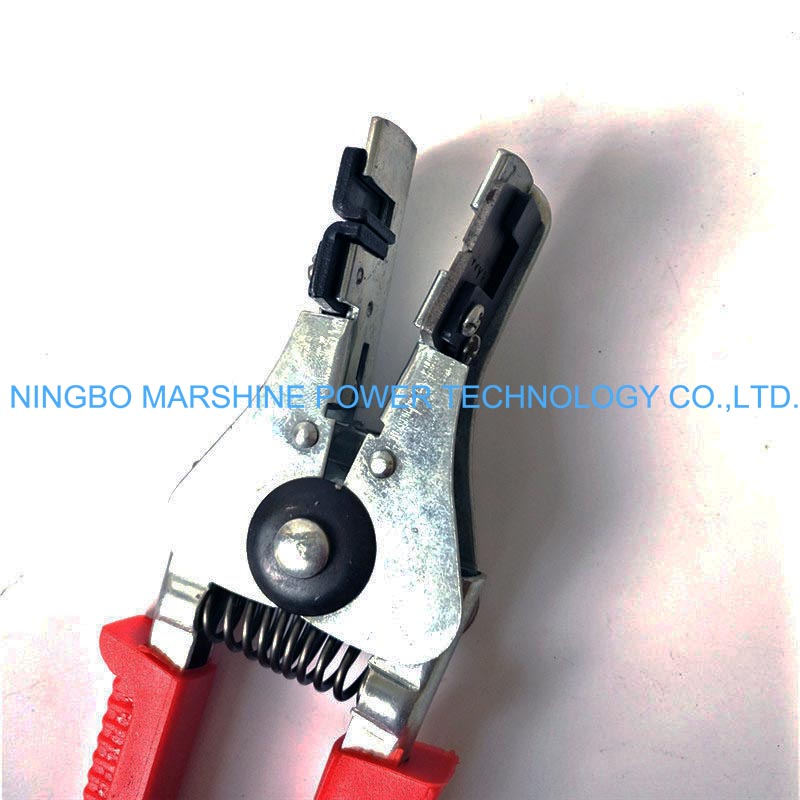
Pick the correct gauge hole on your MARSHINE Carbon Steel Automatic Cable Stripper. Then, insert the wire into that chosen hole. Firmly squeeze the handles to cut the insulation. Next, pull the stripper away to remove the insulation. This action exposes the conductor for your electrical project.
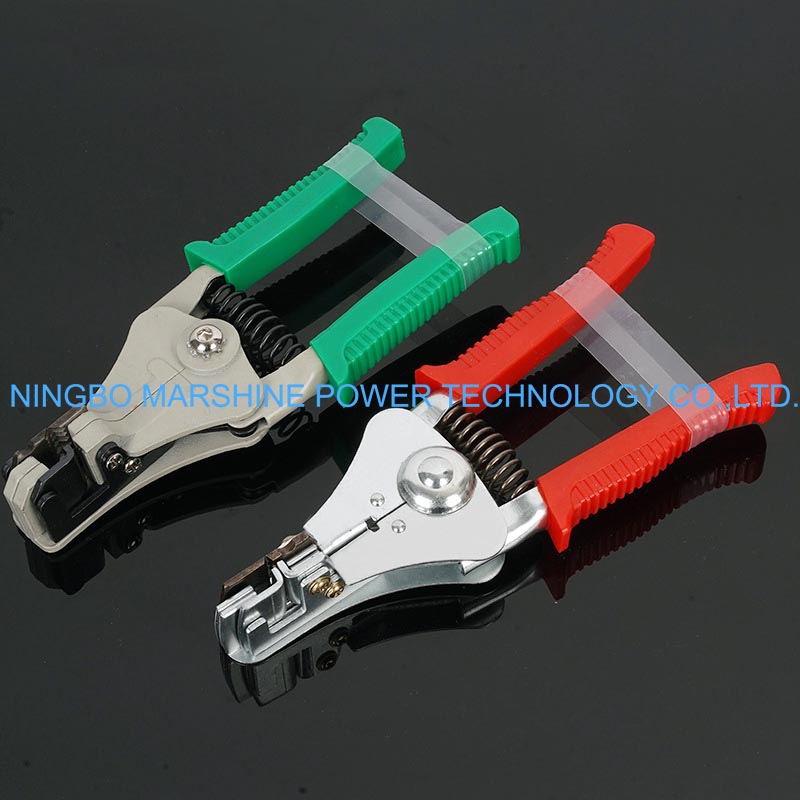
You need to know your tools and stay safe when you work with wires. Understanding your wire stripper and following safety rules helps you get the job done right.
You will find several types of wire strippers, each designed for different jobs. For example, your MARSHINE Carbon Steel Automatic Cable Stripper is a type of gauged automatic stripper. It helps you strip wires easily. Other common types include:
You might use gauged wire strippers for home wiring projects. They help you match the wire gauge to specific notches for precise stripping. Universal wire strippers handle many wire sizes and types, including solid and stranded copper wire.
Wires come in different sizes, called gauges. You must match your stripper to the wire's gauge. This ensures a clean strip without damaging the wire. Different systems mark wire gauges:
Always check the wire's marking to pick the correct hole on your stripper.
Safety is always important when you work with electricity. You should always wear safety eyewear to protect your eyes from flying insulation or wire bits. Also, wear gloves to shield your hands from sharp edges and accidental cuts.
Tip: Using the wrong stripping techniques can cause problems. You might damage the equipment or even hurt yourself. Incorrect machine settings can lead to uneven cuts or damaged conductors. Always use the right tool and technique for the job.
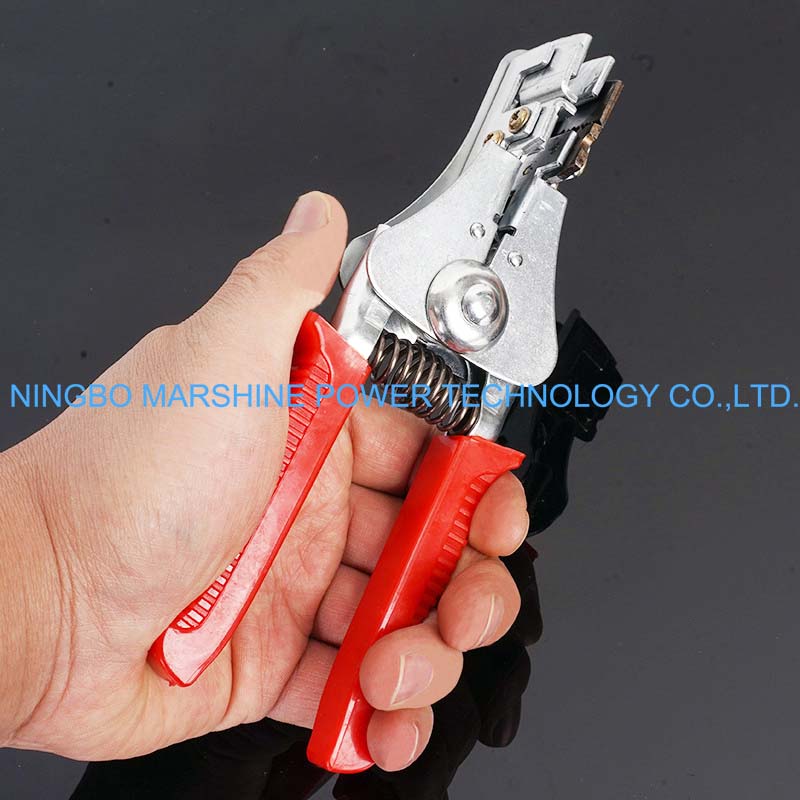
You are ready to start stripping wires. First, you need to get your wire and tool ready. Choosing the right wire stripper for your specific wire type is very important. You should always match your wire gauges. This means you pick a tool that works for the size of wire you have. For example, a self-adjusting stripper for AWG 10–24 wires works well for that range. But you will need special tools for very thin wires, like 30 AWG, or very thick ones, like 8 AWG. This makes sure the blades only cut the insulation and do not nick the wire.
Think about if you want a manual or automatic stripper. Manual strippers are cheap and you can feel what you are doing. They are good for general use. Automatic or self-adjusting strippers are faster. They are easier for beginners or if you have many wires to strip. They grip and strip in one smooth move, which means fewer mistakes.
Some tools do more than just strip. They can also cut or crimp wires. These multi-tools are handy if you do these tasks often. Just make sure the stripping part still works well. Look for tools with comfortable grips that do not slip. They should also be strong and last a long time, especially if you use them a lot. Blades made of high-carbon or alloy steel stay sharp longer. They give you cleaner cuts. Avoid very cheap tools. They can nick your wires and make you frustrated.
For special wires, like fine magnet wires or tough Teflon insulation, you might need thermal strippers. For big cables, you need heavy-duty strippers. But for most home or car jobs, a good handheld universal tool is fine.
Before you start, identify the cable type you are working with. Not all cables are the same. For example, coaxial cables are different. Each coaxial wire stripper works for a certain type, like RG59 or RG6. You need to match your tool to your specific needs. If you only work with RG6, pick a stripper made just for RG6. Your MARSHINE Carbon Steel Automatic Cable Stripper is a great choice for many common tasks.
Now that you have the right tool, you can position your wire. Find the correct gauge hole on your stripper. This hole should match the size of your wire. Insert the end of the wire into this hole. Make sure the wire goes in straight and is seated properly.
Next, you will squeeze the handles. Clamp down firmly on the handles. You want to cut just through the insulation. For larger wires, you can apply light pressure first. Then, spin the wire in the cutters until the insulation is almost cut all the way through. This helps prevent damage to the conductor inside.
You should not twist or yank the tool violently. Good wire stripping pliers cut cleanly with a moderate amount of pressure. If you need to use too much force or jerk the tool, check a few things. Make sure you are using the correct notch for your wire size. Also, check if the tool's blades are still sharp. Dull blades make stripping harder and can damage the wire.
After you cut the insulation, pull the stripper away from the wire. The insulation should slide off smoothly, leaving the bare conductor exposed.
Now, you need to inspect your work carefully. This step is very important. Look closely at the stripped wire. You want to see clean insulation removal with no fraying. The conductor itself must be undamaged. Check for any nicks or cuts on the conductor.
Important: You must avoid notches and nicks on the wire. Rocking or twisting the strippers can weaken the wire. This makes it more likely to snap later. Dull or worn blades also prevent clean cuts and can damage the wire. Using the wrong gauge hole can lead to incomplete stripping or wire damage.
If you remove too much insulation, you expose too much wire. This can cause short circuits. If you remove too little, the connection might not be good. This can cause overheating. Always use safe stripping methods. Do not use blades to cut around wires. This can cause accidental damage.
If you see any problems, you need to fix them. If the insulation layer is not fully removed, adjust the cutting depth. Or, you might need to replace the blades on your tool. If the stripping does not look good, change the cutting depth or stripping length and try again.
Why is this inspection so critical? Even a small nick on a conductor can cause big problems. It can lead to a complete break, especially with vibration or stress. This can cause a failure long after you install the wire. If your stripper removes even one or two strands from a stranded wire, the other strands have to carry more current. This leads to more heat, electrical noise, and changes in resistance. A solid wire with a nick can completely break.
Aluminum wire is even more sensitive. It breaks more easily than copper if it gets nicked. So, you must be very careful not to nick or scrape aluminum wires when you strip them. Damaged conductors or leftover insulation can also lead to bad connections. This causes high resistance and heat. Over-stripping exposes too much bare wire. This risks contact with other wires or metal. It can cause short circuits, trip breakers, damage parts, or even lead to shocks and fires. So, always inspect your stripped wire carefully!
Your MARSHINE Carbon Steel Automatic Cable Stripper excels at handling common solid and stranded wires. It automatically adjusts to varying wire thicknesses, so you do not need to manually select a gauge for most standard types. This feature helps prevent nicking your wires. For solid and stranded wires, you simply close the jaws around the wire, press down, and pull the tool away. This strips the insulation cleanly.
However, some wires need special care. Coaxial cables, for example, have multiple layers. You will need specialized tools for these. These tools strip each layer to different lengths in one motion. For instance, a tool like the SECURA Coaxi No. 1 helps you score the outer jacket without cutting through. Then, you remove the jacket and strip the inner dielectric layer. This ensures you prepare the cable correctly for connectors.
You can easily avoid many stripping errors. First, always use the correct gauge for your wire. Using the wrong size can fray and damage the wire. Also, never work with a damaged or blunt wire stripper. Worn blades do not cut cleanly and make insulation removal difficult. This can lead to incomplete stripping or conductor damage.
You should also avoid cutting too deeply. This can slice through the insulation and expose copper, creating sharp edges. These edges can damage other cables. Always score the insulation without cutting into the metal conductor. A firm squeeze and a slight twist are usually enough. After stripping, pull the insulation straight off. This prevents bending the wire sharply, which can cause nicks. Always inspect the exposed conductor for any damage.
To keep your tools working well, you need to maintain them. Clean your MARSHINE Carbon Steel Automatic Cable Stripper after every use. Wipe it with a dry cloth to remove dirt or deposits from its blades. If needed, you can use a special cleaning solution. Regular cleaning prevents buildup that can cause inaccurate cuts.
Watch for signs of wear. If your stripper no longer removes insulation precisely, or if the blades look dull or damaged, it might need maintenance. Poor stripping quality, like incomplete removal or conductor damage, also tells you it is time to check your tool. Keeping your tools clean and sharp ensures smooth cutting and prevents harm to your wires.
You have now mastered wire stripping. Use proper technique and safety. This knowledge helps you. Tackle electrical projects confidently. You make clean, reliable connections every time. Prevent wire damage with your skills. Ensure your project succeeds. You are ready for any wiring task.
You match the wire's gauge number to the number on the stripper's hole. This ensures a clean cut without damaging the wire. Look for AWG markings.
Cut off the damaged section and re-strip the wire. A nicked wire can weaken and cause problems later. Always aim for a smooth, clean conductor.
Your MARSHINE stripper works great for many common solid and stranded wires. However, special wires like coaxial cables need specific tools for proper stripping. 🛠️