Cable conveyor systems are transforming material transport. They offer unparalleled efficiency, adaptability, and sustainability, directly meeting modern industrial demands for optimized handling. Their innovative design and operational benefits position them as a leading solution for material transport in 2026. MARSHINE, a pioneer in Electric Conveying, champions these advancements.
Cable conveyor systems offer a suite of benefits that make them a standout choice for modern material transport. These advantages directly address common industrial challenges, providing solutions that enhance operational efficiency and product quality.
Cable conveyor systems stand out for their remarkable energy efficiency. They use less power compared to many traditional transport methods. This efficiency comes from their lightweight design and the minimal friction generated during operation. The system moves products smoothly, requiring less energy to start and maintain motion. Businesses see significant reductions in their energy bills, contributing to lower operating costs and a smaller environmental footprint.
Protecting product integrity is crucial, especially for delicate items. Cable conveyor systems excel at gentle product handling. They move materials at low speeds within enclosed tubes, which significantly reduces the risk of damage.
For delicate items transported by tubular cable conveyor systems, the typical product damage rate can be reduced to 1-2%. This is achieved because the product is gently transferred at a low speed, minimizing damage.
Cable disc conveyors feature flexible stainless steel cables and attached discs. These components ensure gentle product movement through the tube, greatly reducing breakage. This design benefits fragile materials where maintaining quality and appearance is essential. It minimizes friction and abrasion often seen with chain disc conveyors. The flexibility of these cables also allows seamless integration into various food production processes without causing damage. Tubular cable conveyors use a coated, flexible stainless-steel drag cable with solid circular discs (flights). These gently move products at low speeds through a sealed tube, preserving product integrity and minimizing waste. This method can reduce product damage to a mere 1-2%. Additionally, the modular construction of these conveyors allows for gentler discharge gradients. Products slide out rather than drop, further minimizing damage during transfer. Cablevey Conveyors specialize in tubular drag conveyor systems known for their gentle handling. These systems transport materials slowly and delicately within enclosed tubes. This greatly minimizes material damage and waste. This approach helps preserve the integrity of fragile bulk products and blends from inlet to outlet, leading to superior product quality and enhanced profitability.
Space is often a premium in industrial facilities. Cable conveyor systems offer excellent space optimization. They feature a low-profile design, making them ideal for facilities with limited space or lower ceilings. These systems are significantly lighter and require less support compared to chain drag conveyors. Chain conveyors, in contrast, demand substantial space and structural support. A cable conveyor also offers greater flexibility in routing. It easily navigates obstacles, unlike chain conveyors which need a more direct, linear, or L-shaped path. This flexibility allows businesses to maximize their floor space and integrate transport systems into complex layouts without extensive structural modifications.
Minimizing maintenance and downtime is key to continuous operation. Cable conveyor systems are known for their robust design and fewer moving parts. This simplicity translates into less wear and tear, reducing the need for frequent repairs. Components are often made from durable materials, extending their lifespan. When maintenance is necessary, the modular design often allows for quick and easy part replacement. This significantly reduces downtime and keeps production lines running smoothly. Businesses benefit from increased operational uptime and lower maintenance costs over the system's life.
Cable conveyor systems offer solutions across many industries. Their design makes them highly adaptable for diverse material handling needs.
The food and beverage industry demands strict hygiene and gentle handling. Cable conveyors meet these needs well. They move delicate items like blueberries, broccoli, carrots, peas, hash brown patties, and even chicken without damage. These systems also handle small, powdered, and sanitary materials with care. Their enclosed design prevents contamination, ensuring product integrity from start to finish.
Pharmaceutical manufacturing requires precision and cleanliness. Cable conveyor systems provide a sterile environment for transporting sensitive ingredients and finished products. Their gentle movement prevents product degradation. This ensures the quality and efficacy of medications. The enclosed tubes also protect materials from external contaminants, which is critical in this highly regulated sector.
In automotive and manufacturing, cable conveyor systems are essential for moving parts through complex assembly lines. They transport engines and cars through processes like painting. Special continuous-flex cables are often needed for lifts and chassis carriers. These cables must be silicone-free to prevent paint defects. Conveyors also support continuously moving machines, gantry cranes, and part movers. They handle materials from raw goods to finished products. For example, an 8-inch tubular drag cable conveyor system can achieve throughput capacities of up to 80,000 pounds per hour.
E-commerce warehouses rely on efficient material flow. Cable conveyor solutions integrate seamlessly with automated picking and packing systems. They work with 2D or 3D machine vision and high-speed robots. These robots pick items directly from moving conveyors. After picking, products move to packing stations. Here, vision-guided robots assemble kits and custom packages. Barcode and RFID technologies track items on the belt. This provides real-time inventory visibility and boosts order fulfillment speed.
The future of material transport looks incredibly bright, thanks to ongoing technological advancements in cable conveyor systems. These innovations make systems smarter, more efficient, and more adaptable than ever before.
Future cable conveyor systems will be incredibly smart. They will use advanced technology to make operations smoother and safer. Imagine sensors built right into the cables themselves. These sensors can watch things like temperature, how much the cable bends, and any stress it experiences. This gives operators real-time information. They can then predict when maintenance is needed, stopping problems before they even start.
Modern conveyor systems already combine IoT devices, sensors, and AI. This setup allows for constant monitoring of how the system works. It helps predict maintenance needs, which means less downtime and better overall performance. These systems can even diagnose their own issues and tell operators what to do. This leads to lower operational costs. AI can also predict when a part might fail, helping teams find solutions proactively.
Safety also gets a big boost. Advanced sensors and AI algorithms work together to prevent accidents. They detect hazards like blockages, overheating, or unusual vibrations. Proximity sensors, automatic shutdown features, and smart designs are becoming standard. Machine learning algorithms analyze past accident data to make safety protocols even better.
Motorized drives in these systems also have embedded intelligence. They precisely monitor important data like motor temperature, how long a cycle runs, and positioning. This helps optimize energy use even further. Some smart sensor systems can spot unusual operational patterns. They can predict maintenance needs, preventing energy waste.
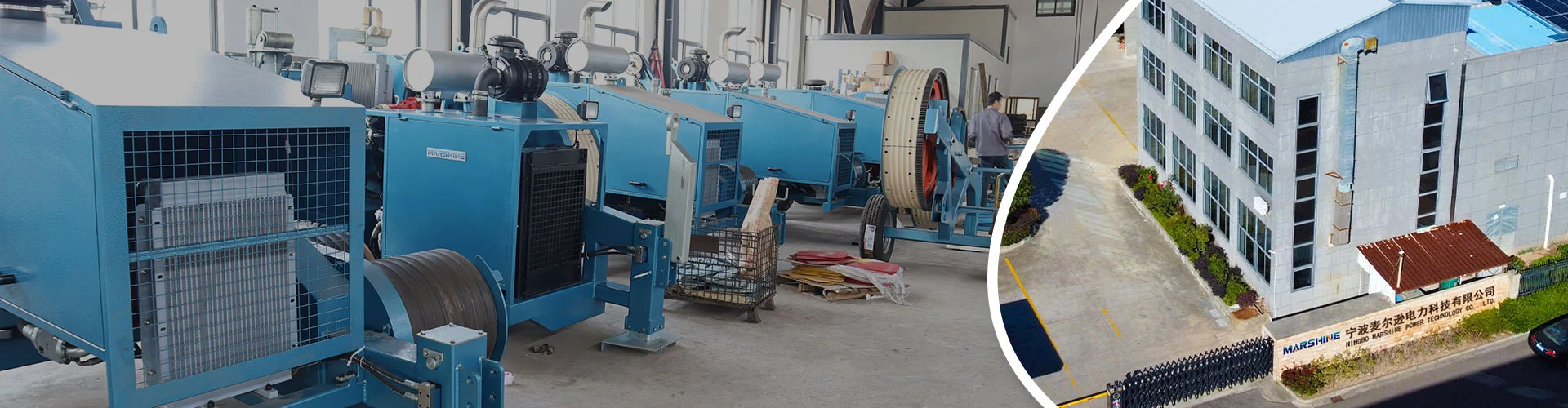
New materials are also changing cable conveyor systems. Companies are focusing on environmental, social, and governance (ESG) goals. This pushes them to create energy-efficient and low-emission conveyor systems. This trend encourages new ideas in lightweight materials and energy-saving technologies. These innovations help the market grow while also being good for the planet. Ningbo Marshine Power Technology Co., Ltd., for example, specializes in developing and manufacturing cable pulling tools. Their work often involves creating advanced, durable materials for these critical components, ensuring high performance and longevity.
Every industrial facility has its own unique layout and needs. That's why future cable conveyor systems will be highly customizable and modular. Businesses need conveyor solutions designed specifically for them. These custom systems can fit perfectly into existing processes, make workflows better, and solve specific industry challenges. MARSHINE understands this need. They design custom conveyors based on things like reel size, pulling force, power source, and the specific operational needs of a site. This means businesses get a system that works exactly how they need it to.
Sustainability is a major focus for future cable conveyor technology. These systems offer big environmental benefits. For example, downhill conveyors can use regenerative braking. This turns potential energy back into electricity for the grid. Advanced motor technologies also push efficiencies beyond 97%.
Cable conveyor systems use much less energy than traditional trucking. They offer continuous, reliable performance. Overland conveyors greatly reduce the need for many truck trips for long-distance material movement. Truckless material handling systems mean less reliance on diesel trucks. This leads to a big drop in greenhouse gas emissions. These systems often run on electric power, which can come from renewable sources. This fits well with global efforts to reduce carbon. They even save water indirectly by reducing the need for dust control on haul roads. Their energy-efficient design lowers the total power needed to move materials.
Consider the energy savings on return trips. Trucks burn about 44% of the fuel for a loaded truck when returning empty. But the empty return side of a conveyor belt uses only about 20% of the total energy for the transport process. This means cable conveyors save 50% or more on return trip energy costs. This makes them a much greener choice.
Cable conveyor systems offer clear advantages over older transport methods. They provide better solutions for modern industrial needs.
Cable conveyors often outperform belt conveyors, especially when considering long-term costs. Belt conveyors have estimated annual operating maintenance costs. These costs are 2% of the purchase price plus 5% of the belt cost. You also need to replace the belt every 5 to 15 years, depending on the material it moves. In contrast, cable replacement for a cable conveyor happens every 2,000 to 6,000 hours of operation. These systems also use less energy than other mechanical belt solutions. This means lower electricity costs over time.
When moving fragile items, cable conveyors protect products much better than pneumatic systems. Tubular cable conveyors are ideal for delicate materials. They handle products gently. Pneumatic conveyors, especially the dilute phase type, can be very harsh. High velocities cause products to hit bends and elbows, leading to damage. Even dense phase pneumatic conveyors, which move slower, still cause products to jostle against each other. Studies show tubular drag chain conveyors, including cable tube conveyors, can achieve zero measurable breakage. This proves their extreme gentleness.
Cable conveyors also stand out against vibratory conveyors. Vibratory systems are often noisy and can cause product degradation through constant movement. Cable conveyors operate quietly. They move materials smoothly and gently. This makes them suitable for environments where noise reduction is important. Their versatile design allows them to fit into complex layouts, unlike the more rigid vibratory systems.
Cable conveyor systems truly represent the future of transport. They bring together efficiency, adaptability, and sustainability in ways traditional methods cannot match. Their continuous evolution in technology and application ensures their pivotal role in optimizing material handling for years to come. These systems solidify their position as the leading solution for 2026 and beyond, meeting the complex demands of modern industries. 🚀
Cable conveyors use a lightweight design and minimal friction. This means they need less power to move products. Businesses see lower electricity bills and a smaller environmental footprint.
Yes, they do! Cable conveyors move products gently inside enclosed tubes. This significantly reduces damage. They can cut product damage rates to as low as 1-2% for delicate goods.
Absolutely! Cable conveyors have a low-profile design. They are lighter and more flexible than other systems. This allows them to fit into complex layouts and maximize floor space.