

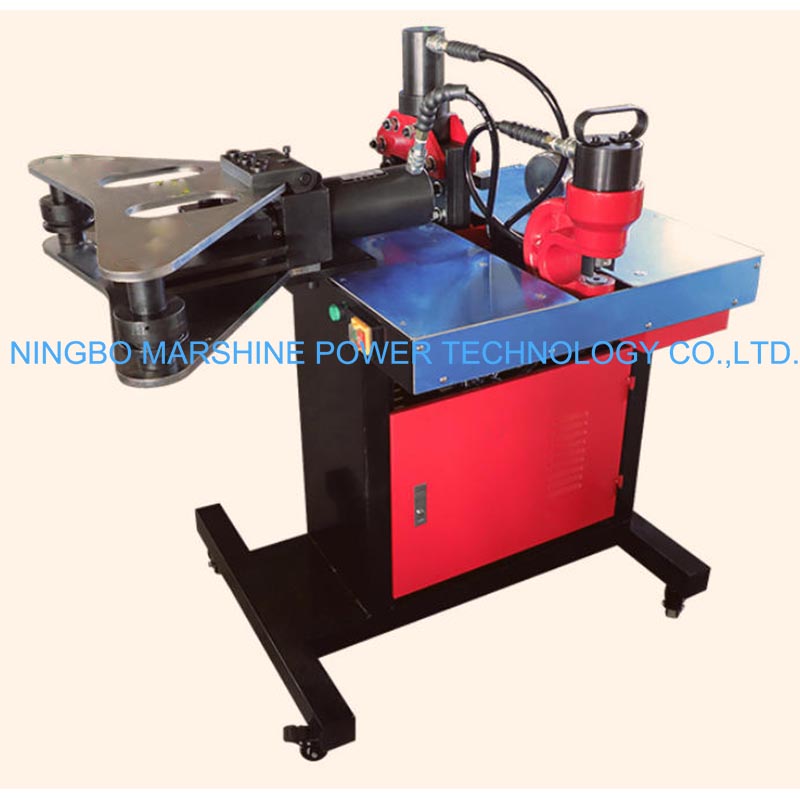
Copper and aluminum busbars are costly to waste, and every extra setup, measurement, or material move adds hidden expense to a shop’s margin. A dedicated hydraulic busbar fabrication machine can shift production from fragmented manual steps to a faster, more controlled workflow by combining cutting, punching, and bending in one footprint. For facilities handling recurring electrical panel, switchgear, or power distribution work, the cost impact often appears in labor hours, scrap reduction, cycle consistency, and safer handling of heavy stock. This article breaks down the operating specs, workflow changes, and ownership costs that determine whether the upgrade can deliver measurable ROI.
How Hydraulic Busbar Fabrication Machines Reduce Fabrication Time
Upgrading from manual cutting and bending to a dedicated hydraulic busbar fabrication machine alters how a manufacturing shop operates, directly impacting operational costs. Instead of relying on separate, localized tools that bottleneck production and require constant manual adjustments, modern hydraulic systems streamline the workflow into a continuous process. By targeting primary cost drivers—labor hours, scrap reduction value, and energy consumption—these machines centralize heavy-duty tasks into a single footprint. With built-in safety guards and intuitive foot-pedal controls, operators experience less fatigue, which helps maintain consistent output and accelerates the ROI payback period. However, buyers must also account for new maintenance requirements, such as hydraulic oil changes and leak monitoring, when calculating overall savings.
Key operating specs that affect speed
A machine's overall speed and subsequent cost efficiency depend on hydraulic cycle times, die-change efficiency, and stroke adjustment. Depending on material thickness and operator proficiency, some manufacturers advertise processing speeds of 10 to 15 cycles per minute under optimal conditions. When dealing with dense copper or aluminum busbars up to 16mm thick, rapid-retract hydraulic cylinders ensure the punch or blade resets quickly after every action. Quick-change tooling features also mean operators spend less time swapping out punching dies between different jobs. Furthermore, advanced machines feature adjustable stroke limits, meaning the hydraulic ram only travels as far as necessary. This reduces cycle times on every punch or bend, ultimately lowering the labor cost per part across varied production runs.
Where labor and time savings appear first
The most measurable time and cost savings usually appear in material handling and layout preparation. Because a modern hydraulic busbar fabrication machine integrates cutting, punching, and bending, workers spend less time transporting heavy metal bars across the shop floor from a bandsaw to a drill press. While highly dependent on the baseline manual processes being replaced, some facilities target estimated fabrication time reductions of 40% to 60% for complex layouts. By eliminating the need to measure and mark everything by hand—using built-in sizing gauges, X-Y axis positioning limits, and laser alignment tools—the probability of layout errors decreases. Features like shear-cutting ensure clean, flat edges and minimize material waste, directly improving the scrap reduction value by lowering the costs associated with wasted copper and manual deburring.
Busbar Fabrication Machine Specs Buyers Should Compare
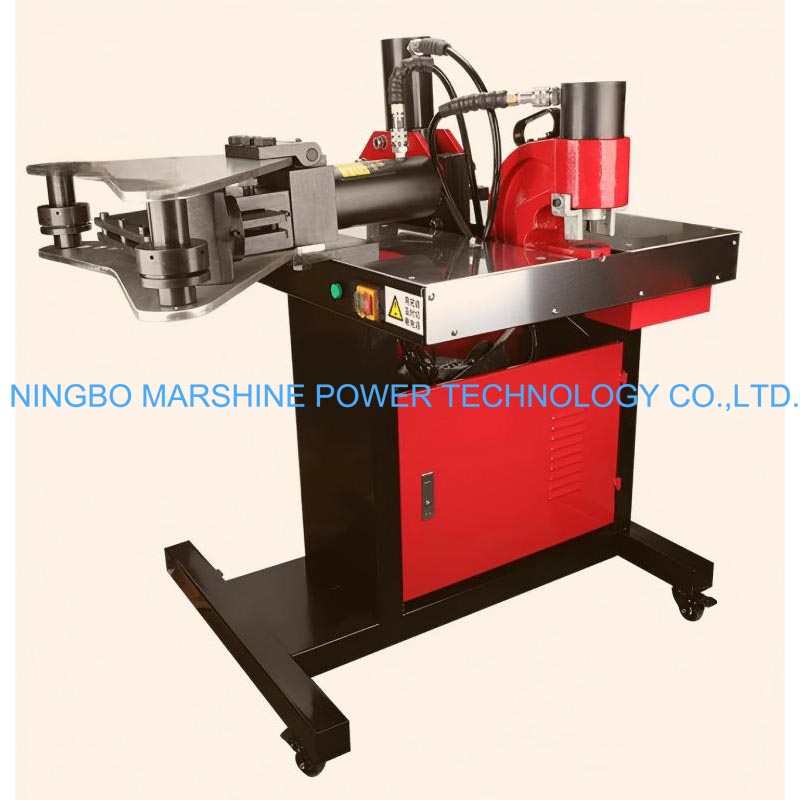
Not all hydraulic processors are built the same, so identifying the specifications that handle a facility's typical workload is crucial for cost control. This section focuses on technical specifications, whereas subsequent sections address the vendor evaluation workflow. Buyers must evaluate the total cost of ownership (TCO), which includes ongoing hydraulic maintenance (such as oil changes, leak risks, and filter replacements), floor-space requirements, and energy consumption relative to servo-electric alternatives. Facilities should also calculate their minimum production volume thresholds to justify the capital expense and mitigate the financial risk of underutilizing high-capacity equipment. Comparing technical elements like the programmable logic controller (PLC) touchscreen interface, motor power, and structural rigidity ensures facilities do not overspend on unnecessary capacity or under-equip their shop for heavy-duty switchgear projects.
Hydraulic pressure, bar capacity, and accuracy
The critical specifications of busbar processing are hydraulic pressure, maximum bar capacity, and bending accuracy. Industrial-grade units often utilize robust hydraulic pumps delivering between 30 and 50 tons of pressing force. This tonnage dictates the bar capacity, which frequently reaches 200mm in width and 16mm in thickness for standard models used in power distribution. Accuracy is equally vital; precision CNC bending features are designed to maintain angle tolerances within ±0.3 degrees, ensuring that complex multi-bend copper bars fit into tight switchgear cabinets without costly rework. The table below provides purely illustrative examples of how machine tonnage might align with maximum material capacities, noting that exact specifications are manufacturer-specific and not universally standardized.
| Machine Tier | Hydraulic Press Force | Max Capacity (Width x Thickness) | Bending Angle Accuracy |
|---|---|---|---|
| Entry-Level | 30 Tons | 150mm x 12mm | ±0.5° |
| Industrial | 50 Tons | 200mm x 16mm | ±0.3° |
| Heavy-Duty | 80+ Tons | 260mm x 20mm | ±0.1° |
When to choose a three-in-one hydraulic machine
Investing in a three-in-one multi-process busbar fabrication machine is a practical consideration for commercial shops processing high volumes of copper or aluminum per week. These multifaceted machines feature three independent workstations—cutting, punching, and bending—housed within a single robust frame. The key feature to evaluate here is the hydraulic pump configuration. While entry-level models might use a single shared pump, premium units utilize dual or triple independent hydraulic circuits. A multi-pump unit allows up to three users to work on different tasks simultaneously without dropping hydraulic pressure or sacrificing cycle speed. However, buyers must weigh this increased throughput against the added labor costs of employing extra operators and the financial risk of underutilization if production volumes drop. Single-pump models generally do not support simultaneous independent operators without hydraulic interference.
How Procurement Teams Should Choose the Right Machine
Bringing heavy machinery onto the production floor is a major investment, requiring procurement teams to look well beyond the initial purchase price and focus on vendor-evaluation workflows. A strategic purchasing approach evaluates busbar-specific risks rather than generic equipment metrics. Teams must verify tooling compatibility across different copper and aluminum grades, assess bend radius limitations for specific switchgear standards, and ensure the machine can handle strict conductor grade tolerances. Procurement must also factor in the cost of operator training and consider scenarios where alternative technologies, such as servo-electric machines, might be preferable for specific high-precision or low-energy requirements.
Practical buying steps that reduce risk
To minimize financial and operational risk, procurement should follow a strict, data-driven vetting process. Request sample processing videos using specific material dimensions to verify the machine's real-world cycle times and cut quality. Check standard lead times, which are often quoted between 15 to 30 days for standard builds but may extend significantly for custom industrial equipment or international shipping.
Further reading:
Key Takeaways
- Compare hydraulic cycle time, die-change speed, and adjustable stroke limits because these specs directly affect labor cost per finished busbar.
- Target the biggest savings first by replacing separate cutting, drilling, and bending stations with one integrated fabrication workflow.
- For complex layouts, shops may target fabrication time reductions of 40% to 60% when moving from manual processes to dedicated hydraulic equipment.
- Use built-in gauges, X-Y positioning, and laser alignment to reduce layout mistakes and protect the value of expensive copper and aluminum stock.
- Calculate total cost of ownership before buying, including hydraulic oil changes, leak monitoring, filter replacement, floor space, and energy consumption.
- Confirm the machine can process your typical busbar thickness, such as dense copper or aluminum up to 16mm, before comparing price alone.
Frequently Asked Questions
How does a hydraulic busbar fabrication machine reduce labor costs?
It combines cutting, punching, and bending in one workstation, reducing material movement, manual measuring, and repeated setup. This helps operators complete more busbars per shift with fewer delays.
What production speed can buyers expect?
Actual speed depends on material thickness, tooling, and operator skill, but some hydraulic machines advertise 10 to 15 cycles per minute under optimal conditions.
Which features improve busbar fabrication accuracy?
Built-in sizing gauges, X-Y positioning limits, adjustable stroke settings, laser alignment, and quick-change tooling help reduce layout errors and improve repeatability.
Can a hydraulic busbar fabrication machine reduce scrap?
Yes. Cleaner shear cuts, more accurate punching, and reduced manual marking errors can lower copper or aluminum waste and reduce time spent on rework or deburring.
What maintenance costs should be considered?
Buyers should plan for hydraulic oil changes, filter replacement, leak monitoring, seal inspection, and routine checks of punches, dies, and cutting blades.