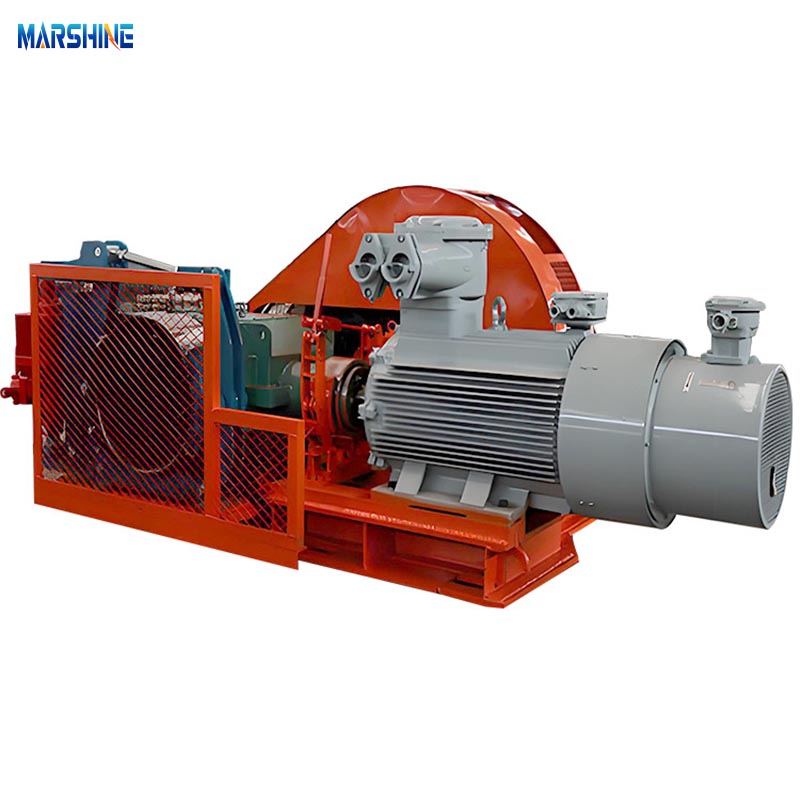
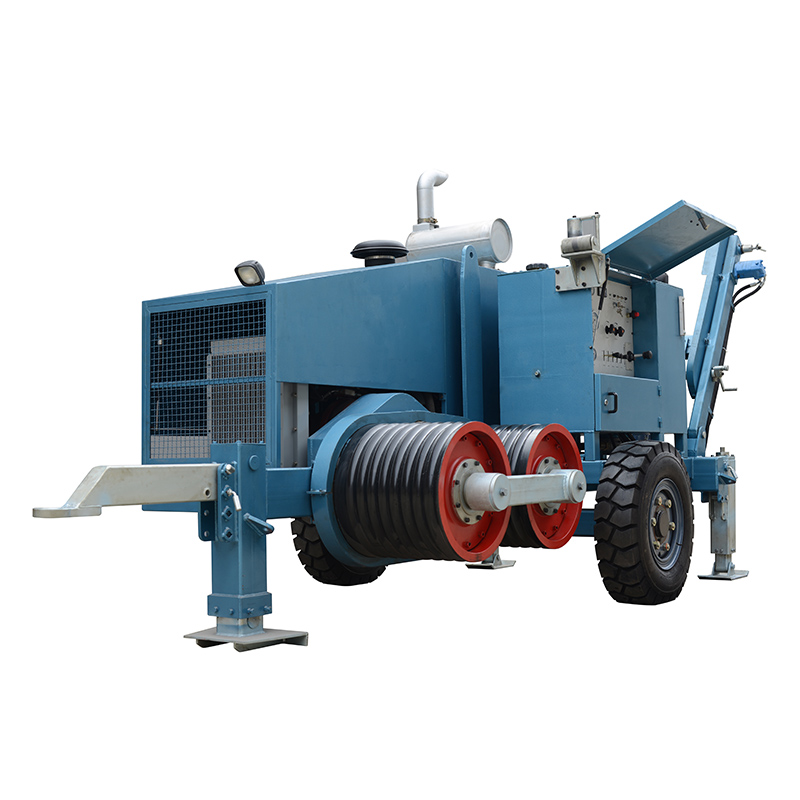


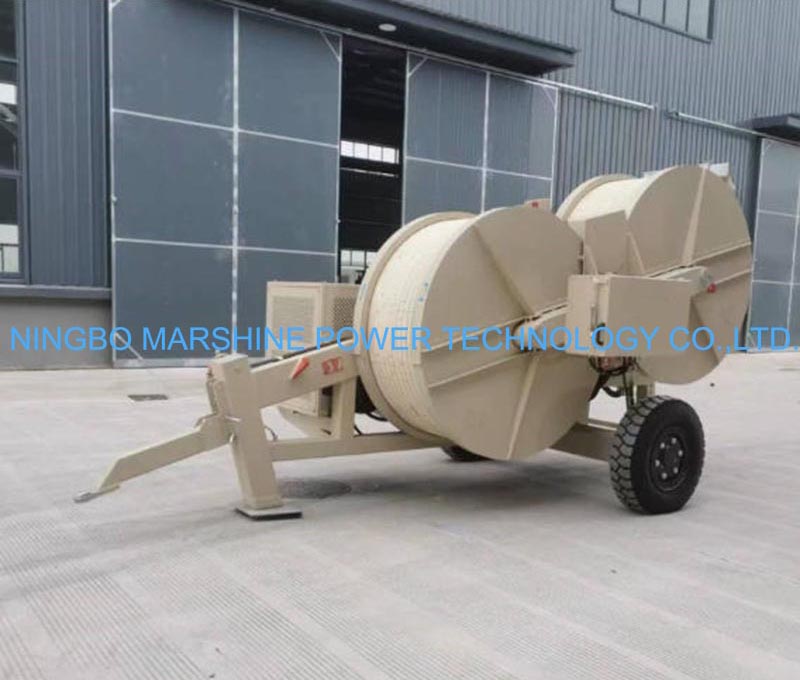
When procurement teams and grid contractors look to upgrade their fleet, understanding the core mechanics of a hydraulic conductor tensioner is the best place to start. In simple terms, this is heavy-duty machinery designed to pay out electrical conductors, ground wires, or optical cables under a highly controlled, continuous tension. Unlike basic mechanical friction brakes, these units rely on a closed-loop hydraulic system to absorb the pulling force and convert it into smooth, regulated resistance.
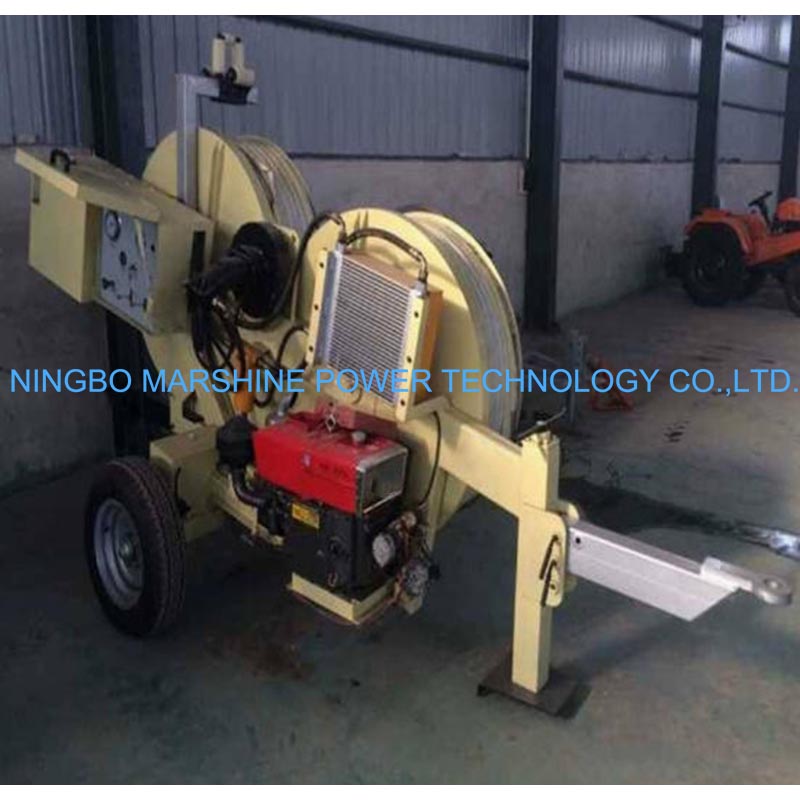
Manufacturers like MARSHINE design these machines with advanced features such as wear-resistant bull-wheel segments, automated heat dissipation, and precise pressure gauges. These components ensure that the equipment can handle the extreme loads of high-voltage grid construction without missing a beat.
By integrating high-efficiency hydraulic pumps and motors, a modern tensioner allows operators to maintain exact tension levels regardless of the pulling speed. This sophisticated capability is what sets professional-grade equipment apart from standard winches, making it a staple for utility companies aiming for flawless cable installation.
Role in cable stringing operations
In any stringing operation, the primary role of the tensioner is to keep the conductor suspended above the ground and clear of obstacles during the payout process. By maintaining a constant, pre-set tension, the machine prevents the cable from sagging into trees, roads, or other live circuits. Its hydraulic braking feature ensures that if the pulling tractor stops, the tensioner automatically holds the line secure, preventing dangerous backlash.
Typical applications in transmission and distribution
You will typically see these machines deployed in large-scale overhead transmission line construction, including the installation of bundled conductors and OPGW (Optical Ground Wire). They are equally valuable in distribution network upgrades where precise tension control is needed to navigate tight urban corridors. The equipment's versatile bull-wheel design accommodates various cable diameters, making it adaptable across different grid projects.
Core performance features and working range
A high-quality tensioner boasts specific performance features like infinitely variable tension control, multi-groove nylon or aluminum wheels, and integrated reverse-pull capabilities. Working ranges vary widely, but standard models often handle anywhere from 30 kN to over 180 kN of tension capacity. Procurement buyers should note that the best units include an automatic overload protection feature, ensuring the equipment stays within its safe working limits during sudden load spikes.
Why Choose a Hydraulic Conductor Tensioner?
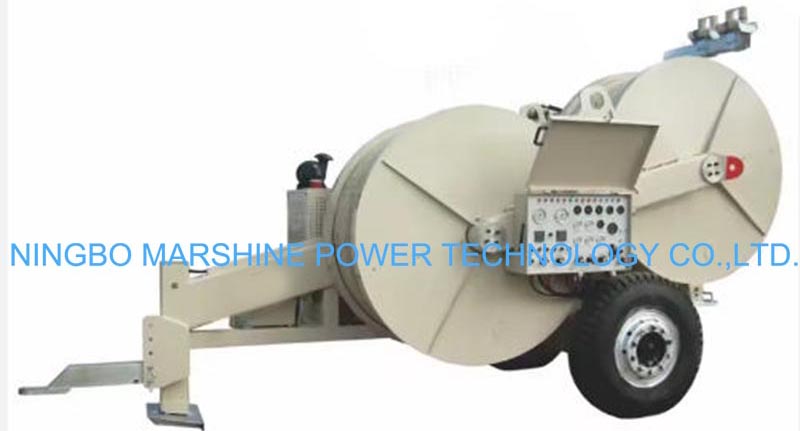
Upgrading to a hydraulic system isn't just about having the latest tech; it's a strategic move for contractors who want to optimize their field operations. The primary reason buyers choose hydraulic over mechanical is the sheer consistency of the payout. The hydraulic circuit provides a buffer against sudden jerks or stops, which is a critical advantage when dealing with fragile optical fibers or heavy aluminum conductors.
Furthermore, investing in a reliable stringing tensioner translates directly to better project margins. With features like centralized control panels and automated tension regulation, operators can manage complex pulls with less physical strain and fewer errors. This technology-oriented approach aligns perfectly with modern grid demands.
Ultimately, the choice comes down to risk mitigation and operational flow. A machine equipped with dynamic hydraulic braking and robust cooling features can run continuously in harsh climates without the brake fade common in older mechanical units. This reliability keeps projects on schedule and within budget.
Efficiency and labor benefits
Hydraulic tensioners drastically reduce the need for manual intervention. Because the hydraulic system automatically adjusts to maintain the set tension, operators don't have to constantly tweak manual brake levers. This automation allows a smaller crew to manage the stringing process safely, freeing up labor for other critical site tasks and speeding up the overall deployment.
Safety and conductor protection
Safety is non-negotiable in power line construction. Hydraulic models feature fail-safe spring-applied, hydraulic-released brakes that instantly lock the bull-wheels if hydraulic pressure is lost. Additionally, the smooth payout prevents friction burns and bird-caging on the conductor, protecting the structural integrity of the expensive cables being installed.
Commercial value for contractors and utilities
For wholesale buyers and utility contractors, the commercial value lies in equipment longevity and reduced cable waste. The precision features of a hydraulic tensioner mean fewer damaged conductors and zero costly rework. Over a fleet's lifespan, the reduced maintenance costs and faster project completion times offer a rapid return on investment.
How Does It Compare with Other Stringing Equipment?
When comparing stringing equipment, the debate usually centers around hydraulic versus mechanical friction systems. Mechanical tensioners rely on physical brake bands rubbing against a drum to create resistance. While cheaper upfront, they generate massive amounts of heat and suffer from brake fade, making consistent tension nearly impossible on long pulls. In contrast, hydraulic units dissipate energy through fluid dynamics and integrated oil coolers—a premium feature that guarantees stable performance.
Another major difference is the level of control. A modern cable tensioner allows the operator to pre-set the maximum tension on a digital or hydraulic gauge. If the pulling force exceeds this limit, the machine automatically adjusts to prevent cable snapping. This automated feature is virtually non-existent on older mechanical setups.
For B2B buyers, understanding these differences is crucial for fleet planning. Below is a quick breakdown of how hydraulic systems stack up against traditional mechanical alternatives in the field.
| Feature / Metric | Hydraulic Tensioner | Mechanical Tensioner |
|---|---|---|
| Tension Control | Infinitely variable, highly precise | Step-based or manual, prone to fading |
| Heat Dissipation | Integrated hydraulic oil coolers | Ambient air cooling, high overheating risk |
| Safety Features | Automatic overload protection, fail-safe brakes | Manual emergency stops |
| Conductor Wear | Minimal (smooth payout) | Moderate to high (jerky movements) |
Hydraulic vs mechanical tension control
The core difference lies in the resistance mechanism. Hydraulic systems use a closed-loop pump and motor setup to create fluid resistance, allowing for seamless, micro-adjustments. Mechanical systems use brake pads, which wear down and require constant manual tightening, often resulting in erratic tension spikes that can damage the cable.
Key differences in stability and automation
Hydraulic models excel in stability thanks to features like constant-tension payout and reverse pulling. If a cable needs to be pulled back slightly to adjust a sag, a hydraulic machine can act as a low-power winch. This dual-functionality feature is a massive advantage over mechanical units, which generally only work in one direction.
Comparison points for B2B buyers
Procurement teams should weigh the higher initial cost of hydraulic units against their long-term benefits. Key comparison points include the cost of replacement brake bands (mechanical) versus hydraulic oil maintenance, operator training time, and the overall lifespan of the bull-wheel segments. Hydraulic units consistently win on total cost of ownership.
Which Specifications Should Buyers Review?
Sourcing the right equipment means diving deep into the spec sheets. Procurement teams must look beyond the basic marketing claims and evaluate the exact product features that will impact field performance. The most critical specification is the maximum tension capacity, usually measured in kiloNewtons (kN), which must align with the weight and tension requirements of the conductors your clients typically install.
Next, buyers should scrutinize the hydraulic and braking systems. Look for features like high-efficiency variable displacement pumps and planetary gear reducers. These components dictate how smoothly the machine operates under heavy loads. Additionally, check the bull-wheel specifications—specifically the groove diameter and the material of the interchangeable lining (often MC nylon), which directly impacts conductor protection.
Finally, consider the engine specifications and overall build quality. A robust diesel engine with a reliable water-cooling system ensures the tensioner can operate in extreme ambient temperatures. Frame construction, lifting points, and towing speeds are also vital features that determine how easily the unit can be transported across rugged job sites.
Tension capacity and speed
Buyers must match the tensioner's kN rating to their specific project needs. A 40 kN machine might be perfect for distribution lines, while a 140 kN unit is required for multi-bundle transmission towers. Equally important is the maximum payout speed, which dictates how fast the crew can string the line without losing tension control.
Hydraulic, braking, and control systems
Review the brand of the hydraulic components used. Top-tier machines feature internationally recognized pumps and motors for better reliability. The braking system should include an automatic, spring-applied mechanism that engages the moment hydraulic pressure drops, ensuring the suspended cable never crashes to the ground.
Build quality and durability
Durability is a key requirement for heavy machinery. Evaluate the chassis steel thickness, the quality of the welds, and the corrosion-resistant coatings applied to the frame. The bull-wheel segments should be highly wear-resistant and easily replaceable, minimizing downtime when maintenance is eventually required.
Project-fit and compatibility factors
Ensure the tensioner is compatible with your existing reel stands and anti-twist wire ropes. Some models feature integrated reel winders or auxiliary hydraulic power take-offs (PTO) to run separate reel elevators. These connectivity features make the tensioner a more versatile hub on the job site.
How Should Buyers Evaluate Suppliers?
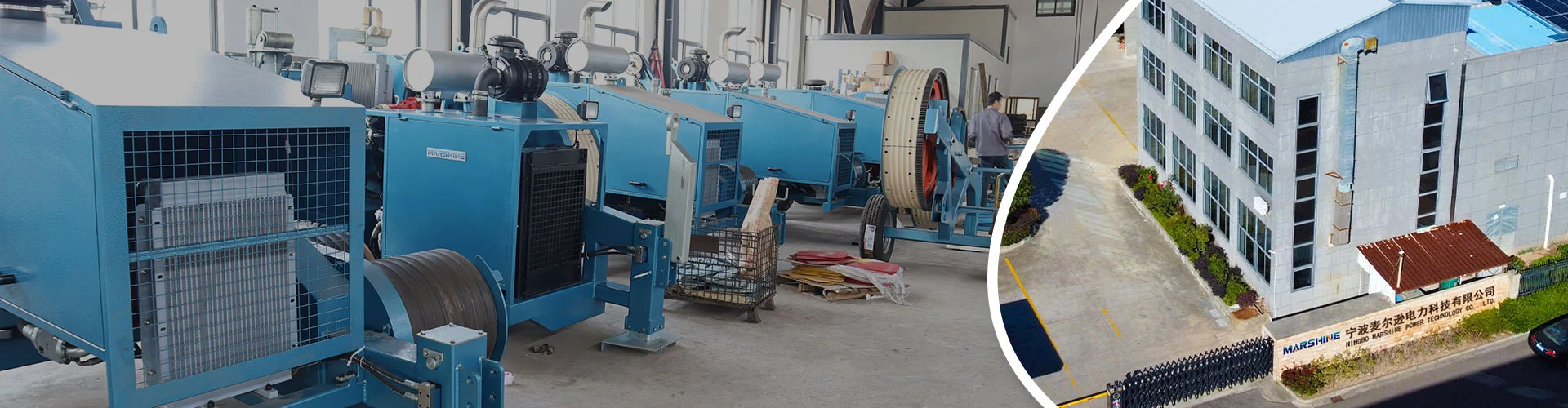
Choosing the right manufacturing partner is just as important as selecting the right machine. B2B buyers need suppliers who are more than just assembly plants; they need true innovators. A strong supplier consistently develops and innovates advanced, safe, and easy-to-handle products. Look for companies that have a specialized focus on developing, designing, and manufacturing comprehensive cable pulling tools.
A reputable manufacturer will offer a massive product range. For instance, a supplier that produces over a thousand kinds of circuitry construction tools in 20 series—ranging from aerial and underground cable tools to winches, stringing blocks, and hydraulic crimping tools—demonstrates deep industry expertise. This breadth of products and categories means you can consolidate your supply chain with a single, reliable partner.
Finally, evaluate their business philosophy. Suppliers who operate on the principle that "science and technology-oriented, the user's demand is our pursuit" generally provide better OEM flexibility and distributor support. This customer-oriented approach ensures that the products you buy are actually tailored to the harsh realities of power grid construction.
Manufacturer capability and product range
Assess whether the supplier offers a full series of high-technology equipment. A manufacturer capable of producing everything from fiberglass duct rodders and come-along clamps to heavy-duty transmission stringing blocks and wire rope pulleys proves they have the engineering muscle to support complex, large-scale procurement needs.
Quotation, MOQ, and OEM terms
For distributors and importers, flexible Minimum Order Quantities (MOQs) and transparent quotation structures are vital. Evaluate their willingness to customize product features—such as painting the machinery in your brand colors or modifying the control panel language—which helps in establishing your brand presence in local markets.
After-sales service and spare parts support
Heavy machinery requires ongoing support. A top-tier supplier establishes a complete after-sales system based on quality tracking and service monitoring. Confirm that they stock spare parts like nylon wheels, hydraulic filters, and bull-wheel segments, and that they adhere to a "quality first, users first" philosophy to keep your fleet running.
What Quality and Compliance Signals Reduce Risk?
When importing high-value capital equipment, risk reduction is all about verifiable quality signals. B2B buyers should demand proof of a rigorous quality management system. A major green flag is when a company has already passed strict certifications, such as the GB/T19001-2008 quality system certification. This proves that their manufacturing processes, from raw material sourcing to final assembly, follow standardized, repeatable protocols.
Beyond paperwork, look at the physical testing of the equipment. Reliable manufacturers subject every tensioner to dynamic load testing and hydraulic pressure retention tests before it leaves the factory floor. These tests ensure that the fail-safe brakes and pressure relief valves function perfectly under simulated field conditions.
Brand credibility also plays a massive role in risk reduction. A manufacturer that has received a good reputation within the industry at home and abroad is generally a safe bet. Their consistent engagement in power grid construction and operation, backed by first-class products and services, serves as a strong indicator of long-term reliability.
Certifications and factory testing
Always request documentation for ISO or GB quality standards. Ask the supplier for factory acceptance test (FAT) reports that detail how the specific capabilities—like the maximum tension holding capacity and hydraulic cooling efficiency—were verified prior to shipment.
Material traceability and quality control
Quality control should extend to the component level. Verify that the supplier tracks the origin of their structural steel and hydraulic internals. High-quality braided steel ropes and robust aluminum wheels for pay-off pulleys don't happen by accident; they are the result of strict material traceability and rigorous incoming QC.
How to assess brand credibility
Look for a supplier's track record in promoting an "integrity, development, and innovation" entrepreneurial spirit. Brands that actively contribute to the prosperity and development of the power industry usually have extensive case studies, positive distributor references, and a visible presence at major international power equipment trade shows.
What Logistics and Order Terms Matter?
Shipping a multi-ton hydraulic tensioner across the globe requires serious logistical planning. Procurement teams must pay close attention to how the machinery is packaged. The best suppliers design their equipment with specific transport features, such as reinforced lifting eyes, forklift pockets, and frame dimensions optimized to fit standard 20-foot or 40-foot shipping containers without wasting space.
Order terms are equally critical for protecting your bottom line. Clear agreements on lead times ensure that your grid construction projects aren't delayed by manufacturing bottlenecks. Furthermore, comprehensive documentation—including detailed operation manuals, maintenance schedules, and customs clearance paperwork—must be provided promptly to avoid costly port storage fees.
For wholesale distributors, negotiating margin protection is the final piece of the puzzle. Favorable payment terms, volume rebates, and clear warranty policies on major hydraulic components ensure that you can sell the equipment to end-users profitably while offering them peace of mind.
Packaging and shipping details
Heavy tensioners must be secured in heavy-duty steel crates or bolted directly to container floors with seaworthy anti-rust packaging. Ask the supplier about their container loading plans; optimizing the space by shipping accessories like cable rollers, cable drum trailers, and cable strippers alongside the main unit can drastically reduce freight costs per item.
Lead time, warranty, and documentation
Confirm exact manufacturing lead times, especially for custom OEM orders. A solid warranty should cover the main hydraulic pumps and motors for at least 12 to 18 months. Ensure the supplier provides comprehensive documentation, including technical drawings and CE certificates if importing into regulated markets.
Margin protection for distributors
Distributors should look for suppliers that offer tiered pricing and exclusive territory rights. When a manufacturer supports you with competitive pricing and reliable spare parts margins, it becomes much easier to build a profitable, long-term channel strategy for their circuitry construction tools.
What FAQs Help Buyers Make the Final Decision?
As procurement teams finalize their purchasing decisions, a few common questions always bubble up to the surface. Addressing these FAQs head-on helps clarify the technical and commercial realities of the investment. One major question is how to perfectly match the machine's capacity to the intended application. Buyers need to know that selecting a tensioner isn't just about the heaviest cable; it's about the everyday versatility of the equipment.
Another common concern revolves around pre-order confirmations. Smart buyers know to double-check the fine print regarding hydraulic fluid compatibility, engine emission standards for their specific country, and the availability of consumable parts like nylon groove linings. Getting these details right prevents massive headaches down the road.
Ultimately, the final decision rests on balancing upfront costs with operational reliability. By asking the right questions, buyers can confidently select equipment that embodies continuous innovation and delivers real-world performance on the grid.
How to match capacity to project needs
A good rule of thumb is to calculate the maximum tension required by your heaviest conductor and steepest terrain, then add a 20% safety margin. Ensure the tensioner's bull-wheel diameter is large enough to prevent the specific bending radius of your cable from causing structural damage during payout.
What to confirm before placing an order
Before signing the PO, confirm the exact engine make and emission tier to ensure local compliance. Verify the lead time for replacement parts and confirm that the supplier's service monitoring and quality tracking systems extend to your specific region.
Key procurement takeaways
Investing in a hydraulic tensioner is an investment in safety, efficiency, and project profitability. Prioritize suppliers with a full series of high-technology tools, a proven quality management system, and a customer-oriented service philosophy. Focusing on these core areas ensures you procure equipment that stands the test of time in the field.
Related reading: MARSHINE
Key Takeaways
- Wholesale sourcing and supply-chain implications for conductor tensioner
- Specifications, compliance, and commercial terms buyers should validate
- Actionable recommendations for distributors and procurement teams