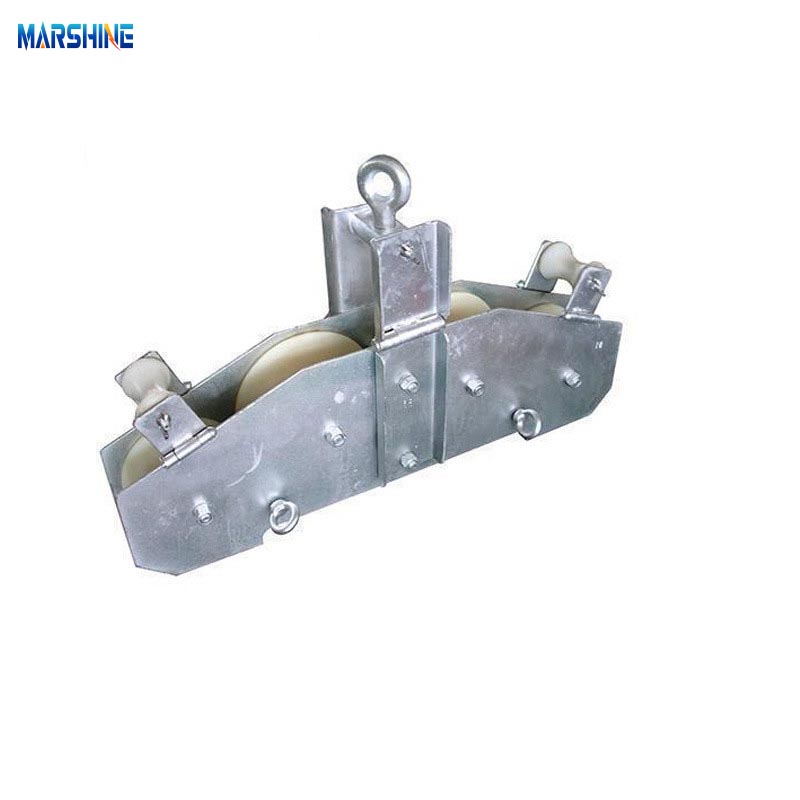


A cable reel that weighs 10,000 to 40,000 lbs leaves little room for guesswork. The right hydraulic reel support setup helps crews lift, stabilize, and pay out heavy cable safely while reducing downtime and material damage. But capacity alone is not enough; buyers also need to verify reel diameter, spindle compatibility, hydraulic lift control, maintenance demands, and jobsite conditions such as mud, gravel, or uneven grades. This guide explains the practical selection factors that matter most for power, telecom, and utility installation teams, including when hydraulic stands outperform manual options and how to match equipment with stringing blocks for smoother field operations.
Define Cable Reel Support Stand Requirements
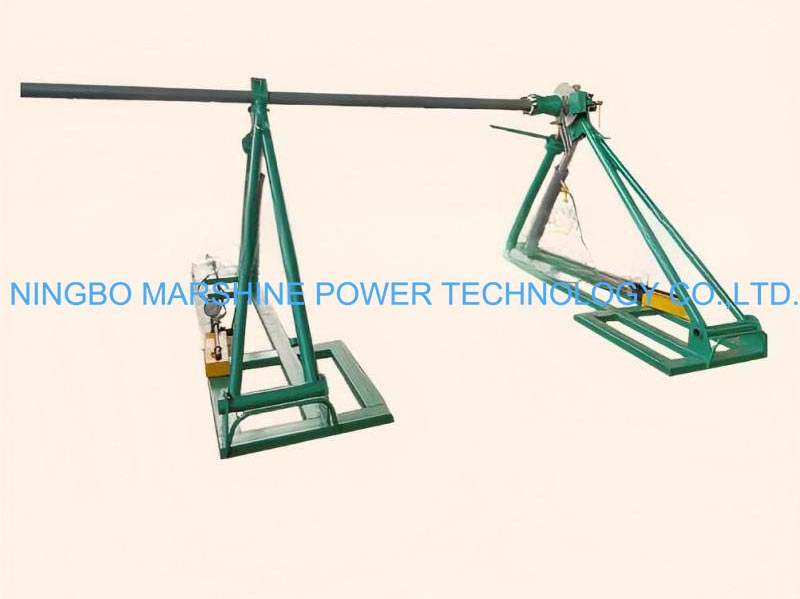
Initiating any cable installation project—from local telecommunications upgrades to major grid construction—requires managing massive, unwieldy spools of wire (often weighing between 5 and 20 tons). Setting up reliable hydraulic cable reel support stands—typically deployed in matched pairs and often utilized alongside a stringing block—is a critical step to ensure smooth payout and prevent costly material damage. These stands feature heavy-duty steel frames, adjustable trapezoidal spindles, and quick-setup hydraulic mechanisms designed to accelerate deployment. To select a stand system that handles the severe physical stress of modern power line construction with optimal efficiency and safety, first understand the core requirements of the job.
Key Load and Reel Specifications
When evaluating equipment, specific operational parameters dictate the baseline requirements. Cable reels used in transmission and distribution networks vary widely in weight (typically 10,000 to 40,000 lbs) and flange diameter (ranging from 48 to 144 inches). Because hydraulic stands operate as a pair, the combined rated load capacity must safely exceed the heaviest expected spool, with matching load ratings on each side. Rather than relying on assumed safety margins, always consult manufacturer datasheets for exact load ratings to account for dynamic pulling forces, targeting a 1.25x to 1.5x safety factor. A standout feature to look for is a multi-position adjustable spindle cradle, which accommodates various reel diameters. Additionally, verify the reel flange width, spindle traverse length, and spindle bore diameter compatibility (commonly 50mm to 120mm) across both stands to ensure they physically fit the specific cable reels used on site. Include the paired stands' transport weight and dimensions in logistical planning to guarantee they can be safely transported to remote locations.
Hydraulic vs. Manual Stand Options
The selection of lifting mechanisms involves weighing budget against operational efficiency. While manual screw-jack stands are practical for lighter loads (under 5 tons), hydraulic jacks are highly advantageous for heavier applications (up to 20+ tons). A robust hydraulic system features lifting cylinders that elevate heavy reels rapidly, minimizing physical exertion. When evaluating hydraulic criteria, prioritize paired-stand pump configurations that allow for precise lift speed control (often 1 to 3 inches per second).
However, hydraulic systems introduce specific operational caveats. Crews must be prepared for hydraulic fluid leak risks by maintaining proper containment protocols on site. Additionally, cold-weather starting procedures may require fluid pre-heating or winter-grade oils (such as ISO VG 32). Most importantly, operating dual hydraulic jacks demands specific operator training to ensure synchronized lifting, as uneven elevation can cause reel damage and dangerous instability. Furthermore, factor in the total cost of ownership; hydraulic systems require regular maintenance, including routine seal inspections (typically every 500 operating hours), fluid changes (every 12 to 24 months), and filter servicing.
Compare Jobsite Performance Factors
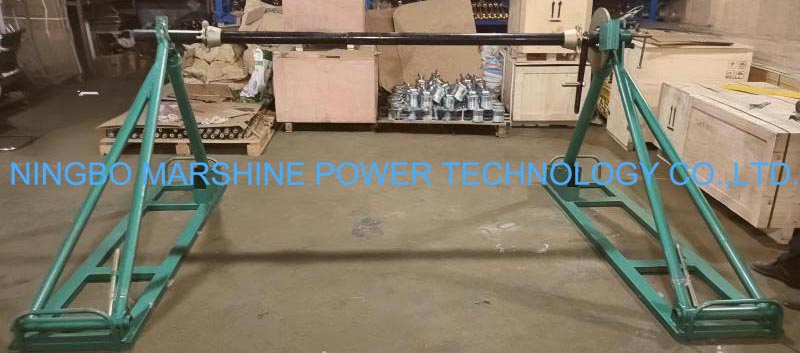
Deploying equipment in the field introduces complex operational variables. Jobsite conditions are rarely pristine, meaning a hydraulic cable reel lifting stand must perform reliably in mud, gravel, and on uneven grades (up to 5–15 degree inclines). The physical features of the stand, along with proper hydraulic hose management (using hoses typically rated for 3,000 to 10,000 PSI) to prevent snags and environmental damage, play a critical role in how well it adapts to these rugged environments while keeping the payload secure during high-tension pulling operations.
Stability, Mobility, and Safety Features
Uneven terrain demands exceptional stability, especially when coordinating two independent support stands. High-quality stands feature widened base footprints coupled with anti-sink ground plates (e.g., 24x24 inch footprints) that distribute the immense weight over soft soil, reducing ground pressure to under 2,000 psf. Mobility is another critical feature; many modern units incorporate heavy-duty nylon or aluminum wheels, allowing crews to roll the unloaded stands into position efficiently. For safety during synchronized lifting, mechanical locking pins that engage at regular intervals (typically every 2 to 4 inches) along the lifting track are essential. These pins act as a fail-safe, ensuring that even in the event of sudden hydraulic pressure loss on either side, the suspended reel remains securely elevated and level.
Matching Stand Parameters to Cable Pulling Needs
To maintain smooth operations, the paired stands' parameters must align with the broader cable pulling setup. Proper alignment with tensioners and winches directly affects payout efficiency and prevents cable binding. Rather than relying solely on the stand for tension control, ensure the stand's payout height and angle integrate seamlessly with external braking systems and pulling equipment. Verify specific parameters against actual jobsite requirements.
| Feature Category | Key Parameter to Verify | Typical Range / Threshold | Dynamic Load & Operational Guidance |
|---|---|---|---|
| Max Load Capacity | Reel weight vs. stand rating | 5 to 20+ tons per pair | Static ratings must safely exceed dynamic pulling forces (target a 1.25x–1.5x safety factor). |
| Lift Height Range | Spindle elevation limits | 24 to 60+ inches | Account for dynamic bounce; ensure 4–8 inches of ground clearance during active payout. |
| Tensioner Compatibility | External braking integration | 1,000 to 5,000+ lbs tension | Dynamic tension requires secure hose routing and stable ground footing. |
| Clearance & Dimensions | Flange diameter and traverse length | 48 to 144 inch diameter | Static dimensions must accommodate dynamic side-to-side cable traverse. |
Matching these parameters ensures that the stand integrates effectively with the pulling tensioner and winch, maintaining consistent tension across the entire span.
Choose the Right Supplier
Even the best specifications are compromised if the equipment is manufactured poorly or lacks support. Buyers should establish independent evaluation criteria for supplier engineering support and spare-parts availability (ideally shipping within 48–72 hours) before partnering with a specialized manufacturer of electrical power equipment. The right supplier provides a comprehensive solution backed by verifiable quality control, documented safety standards, and responsive service.
Quality, Certification, and Manufacturing Standards
Top-tier manufacturers adhere to strict manufacturing standards and hold recognized quality-management certifications, such as ISO 9001 (targeting <1% manufacturing defect rates), while also ensuring products meet regional conformity markings like CE.
Further reading:
Key Takeaways
- Select a matched pair of stands with combined capacity above the heaviest reel and apply a 1.25x to 1.5x safety factor.
- Verify reel compatibility by checking flange diameter, flange width, spindle bore size, and spindle traverse length before purchase.
- Use manual screw-jack stands for lighter reels under about 5 tons and hydraulic stands for heavier applications up to 20+ tons.
- Prioritize hydraulic systems with controlled lift speeds, typically 1 to 3 inches per second, to support synchronized and stable lifting.
- Plan maintenance costs upfront, including seal inspections every 500 operating hours and fluid changes every 12 to 24 months.
- Train operators to lift both sides evenly, because unsynchronized hydraulic jacking can damage reels and create unsafe instability.
Frequently Asked Questions
What load capacity should a hydraulic cable reel support stand have?
Choose a matched pair with a combined rated capacity above your heaviest reel, then apply a 1.25x to 1.5x safety factor for dynamic pulling forces. Always verify the manufacturer’s datasheet rather than assuming capacity.
When is a hydraulic stand better than a manual screw-jack stand?
Manual stands are suitable for lighter reels under about 5 tons. Hydraulic stands are preferred for heavier reels, often up to 20+ tons, because they lift faster, reduce crew strain, and improve setup efficiency.
Which reel dimensions must be checked before buying?
Confirm reel weight, flange diameter, flange width, spindle bore diameter, and spindle traverse length. Common spindle bore requirements range from 50mm to 120mm, but compatibility must match the reels used on site.
Why do hydraulic cable reel stands need to be used in pairs?
Cable reels must be supported evenly on both sides to maintain balance during lifting and payout. Matched stands with equal ratings help prevent uneven loading, reel damage, and dangerous instability.
What hydraulic maintenance should be planned?
Plan routine seal inspections about every 500 operating hours, hydraulic fluid changes every 12 to 24 months, and regular filter servicing. Crews should also monitor for leaks and use proper containment practices.