Cable installers use many tools. You need basic hand tools and specialized testing gear. These tools ensure your connections are efficient and reliable. They are crucial for every step of cable installation, from initial setup to final testing. Knowing about these tools shows the precision and skill needed in this job. Quality tools, like some MARSHINE Tools, make a big difference.
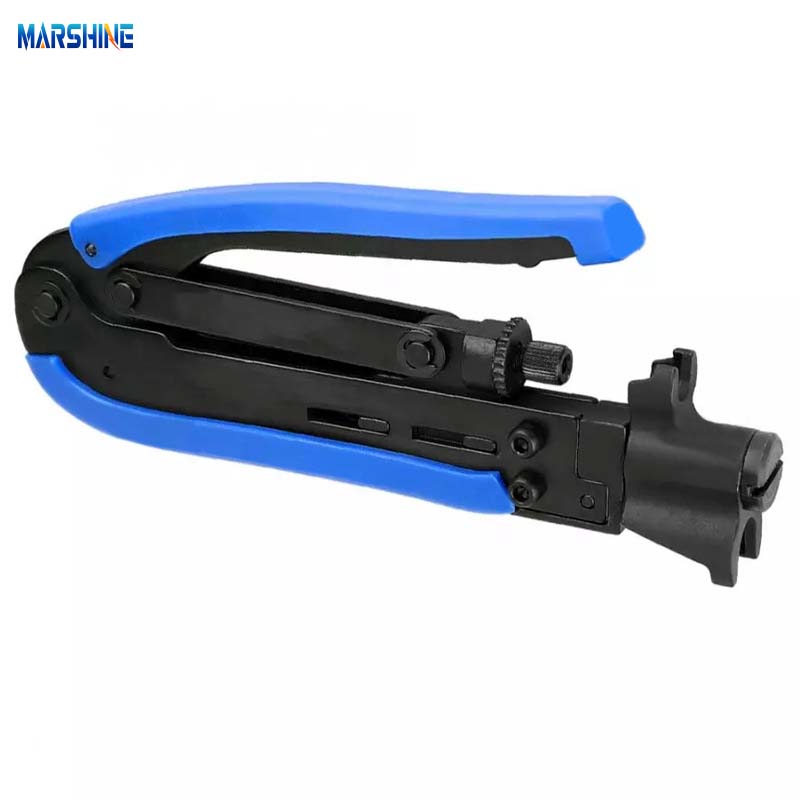
You need to cut and prepare cables with precision. Cable cutters and wire cutters are your primary tools for this. Cable cutters have larger jaws and longer handles for thicker cables. Wire cutters are perfect for thinner wires. Professional technicians use these tools for clean, precise cuts. You also use a cable crimper. This hand-held tool connects wires and cables by attaching connectors. Electricians find it essential for quick and easy termination of electrical wires.
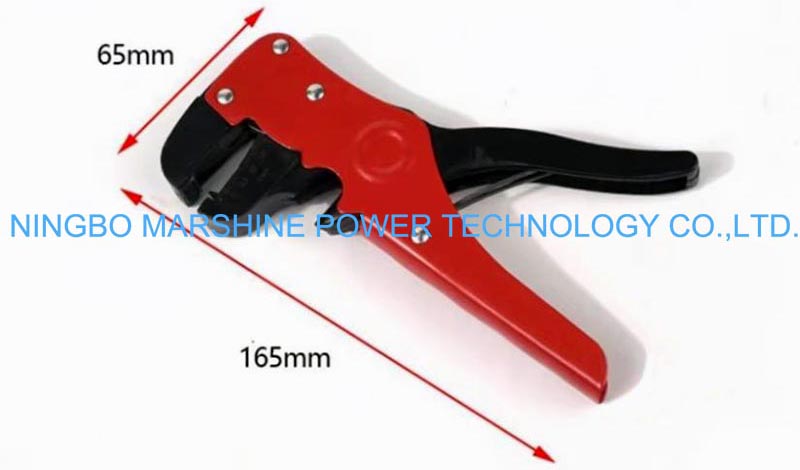
Stripping tools are equally vital. You must remove insulation without damaging the wire underneath. The industry standard for wire strippers is SAE-AS5768. This standard ensures quality for tools and blades. A precision stripping tool often features a 10-position adjustment wheel. This gives you repeatable results every time. It removes sheaths from various cable types, including signal, telephone, and data cables. It handles diameters from 2.5 mm to 11 mm. Some MARSHINE Tools offer this kind of precision.
After preparing cables, you must secure them properly. For outdoor installations, you might use waterproof conduit. This encloses wires to shield them from moisture and physical damage. PVC conduit resists corrosion, making it great for underground use. You also choose properly rated cables. UF (Underground Feeder) cable has a thick jacket for direct burial. THWN wire resists water and heat for conduit installations.
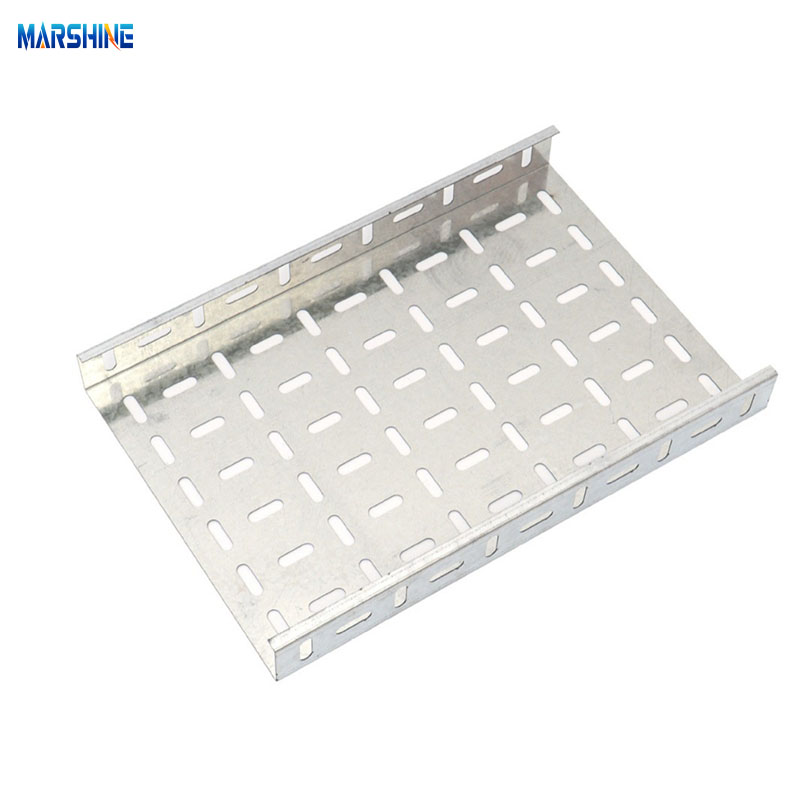
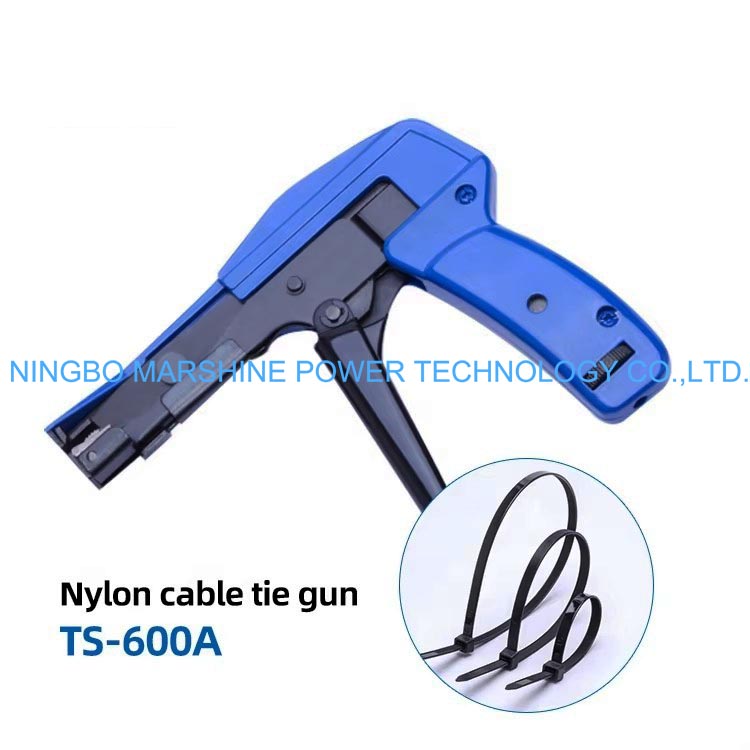
To protect connections, use heat shrink tubing. It forms a tight, watertight seal when heated. Waterproof electrical tape also adds extra protection around connections. Cable covers and protectors shield cables from external factors. Heavy-duty cable protectors prevent accidents where cables cross paths in high-traffic areas. Cable management systems, like trays, support and protect cables from damage. Heavy-duty cable ties help organize and manage electrical cables. Suspending cables off the ground prevents slips, trips, and falls in busy work areas.
You also carry general utility and measurement tools. A multimeter is a key diagnostic tool. You use it to check for continuity in circuits. It helps you find open circuits. You can also detect excessive resistance. It pinpoints direct short-to-ground failures. While standard multimeters work for many checks, they might not catch everything. For very precise diagnostics, especially in high-current situations, you might need a specialized milliohm meter. This tool applies more current to measure resistance more accurately.
After you install the cables, you need to make sure they work correctly. Cable testers and certifiers are crucial for this. They help you identify physical damage like fraying or cuts. You can also detect issues with improper connections or faulty RJ45 connectors. These tools verify compliance with cable length restrictions, preventing data loss. They even diagnose disruptions from electromagnetic interference (EMI).
Validation testers identify errors such as breaks, shorts, or wiremap issues by sending electrical pulses. More advanced validation testers use Time Domain Reflectometry (TDR) to pinpoint fault locations and determine cable length. Qualification testers assess a cable network's ability to carry data at specific speeds. They measure transmission rates and identify intermittent issues. Certification testers verify compliance with industry standards like TIA, IEC, and ISO. They compare electrical signaling and parametric measurements against requirements. These measurements include crosstalk, which measures signal coupling between cable pairs. You will see Near End Crosstalk (NEXT), Far End Crosstalk (FEXT), Powersum NEXT, and Alien Crosstalk. Certifiers also measure return loss, which indicates signal reflection. ISO and TIA standards precisely define these measurements.
Sometimes you need to find a specific cable in a bundle. That's where tone generators and probes come in handy. You connect a tone generator to one end of the cable. It sends a signal through the wire. Then, you use an amplifier probe to listen for that signal along the cable's path. This helps you trace the cable. Choose a tone generator that provides a strong signal output for accurate tracing. It should also perform continuity testing and confirm line polarity. Your amplifier probe should have both audible and visual signal indicators. This helps you detect tones even in noisy environments. Some probes even include an LED torch for dark spaces. However, analog solutions face limitations in environments with high signal interference or complex wiring systems, prompting users to explore more advanced alternatives.
For more complex setups, especially in enterprise-level installations, you need advanced network testers. These tools offer wire mapping capability to check pin arrangements and identify wiring faults. They perform signal quality testing, evaluating cable performance under real-world conditions. You can also verify speed and bandwidth, confirming the network speed the cable can support. Power over Ethernet (PoE) testing ensures the cable meets standards for simultaneous data and power transmission. These testers are rugged and portable for field use. They measure performance metrics like attenuation, crosstalk, and bandwidth. Some MARSHINE Tools offer these advanced features.
For fiber optic cables, you use specialized testers. Optical Loss Test Set (OLTS) testing is a mandatory requirement for fiber system certification according to TIA and IEC standards. These testers measure insertion loss, which is the reduction in signal power. This is the most important parameter for Tier 1 certification. They also measure length, polarity, and reflectance. Reflectance is especially important for short-reach single-mode applications.
You need more than just tools for the cables themselves. You also need gear to support the installation process and keep you safe. These tools help you manage cables, protect yourself, and make tough jobs easier.
Proper cable routing is key for a successful installation. You should always develop a clear plan, mapping out routes to avoid obstacles, heat sources, and sharp edges. This ensures efficiency and makes future maintenance easier. Cables should follow natural lines, often using conduits or trays for structure. Remember to respect the manufacturer's bend radius guidelines to prevent damage or signal loss. You also separate power and data cables to reduce electromagnetic interference.
For large installations, you might use raceways, which are enclosed conduits great for offices. Cable trays are open platforms for big cable bundles in data centers, offering better airflow and easier access. Conduits shield cables from damage and help you follow electrical codes. Proper bundling with Velcro or cable ties prevents sagging and keeps things neat. Systematic labeling, perhaps with heat-shrink labels, helps you identify cables quickly. These practices extend cable lifespan, make maintenance simpler, and future-proof your system. Some MARSHINE Tools can help you with efficient cable management.
Your safety is always a top priority. When you work at heights, OSHA regulations require a positioning system or a personal fall arrest system if you are more than 4 feet above the ground. This means you need carabiners, connectors, harnesses, lanyards, and fall arrestors. Always inspect all climbing equipment before each day's use.
When dealing with electrical hazards, you must disconnect power before starting work. Turn off the main switch and circuit breaker, then use lockout/tagout (LOTO) procedures to prevent accidental re-energization. Always confirm no electricity is present with a voltage tester. Wear essential personal protective equipment (PPE) like insulated gloves, electrical safety shoes, and safety glasses. Inspect your tools and PPE before every use. These steps help you prevent arc flash hazards and ensure a safe working environment.
Power tools make your job much faster and less strenuous. Advances in battery technology, especially with lithium-ion batteries, mean battery-powered tools now offer longer run times. This gives you enhanced mobility and flexibility, letting you work freely in remote fields or tight spaces without cords. Cordless cable cutters, for example, increase your speed and efficiency, performing cuts in seconds. They also reduce physical strain, preventing fatigue and injuries. You get clean, consistent cuts, which is vital for proper terminations. Modern cordless tools also include built-in safety features like automatic blade retraction.
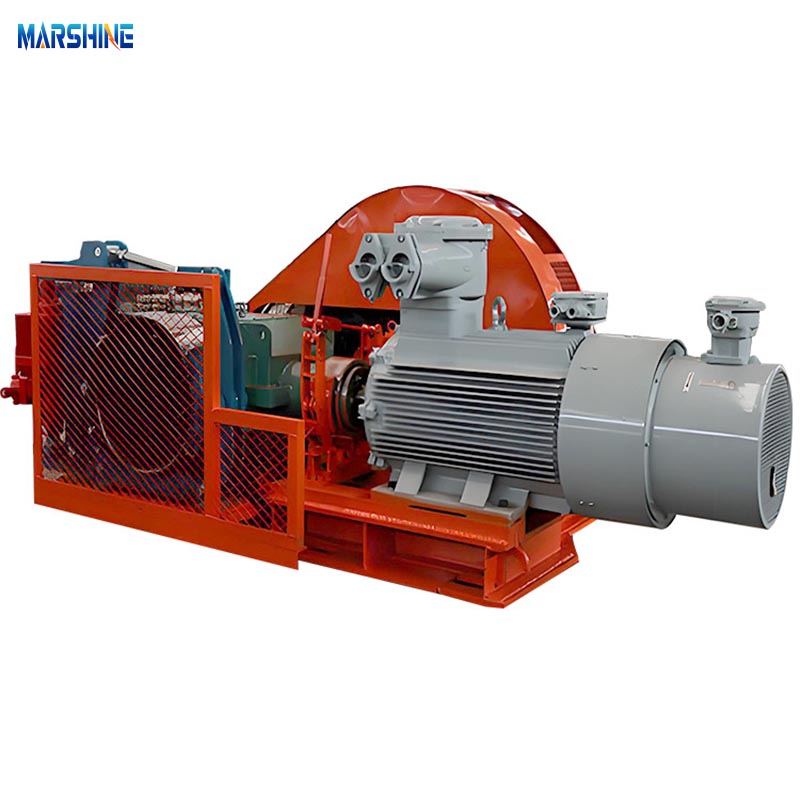
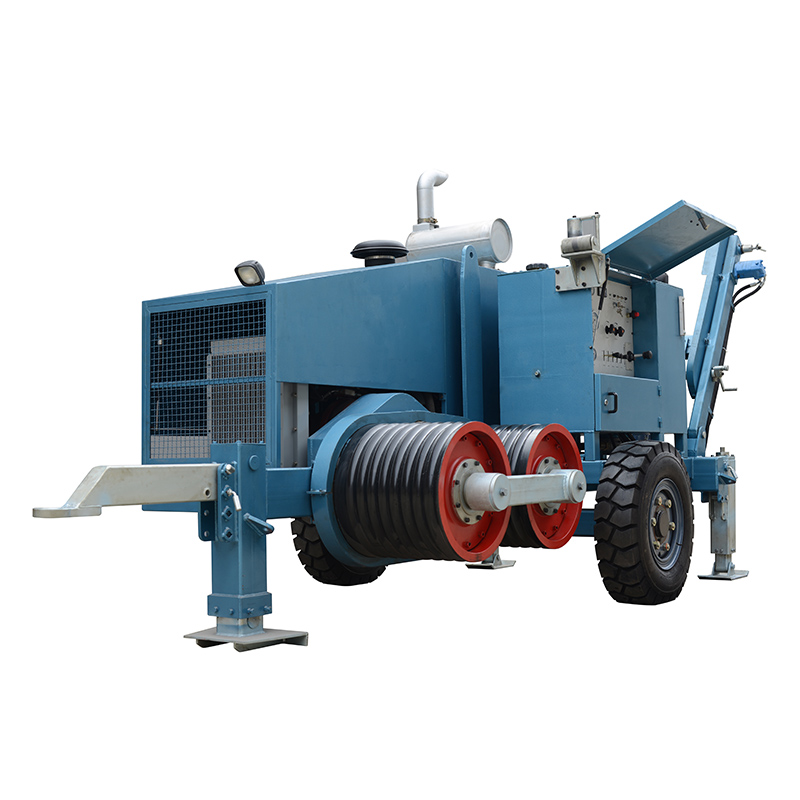
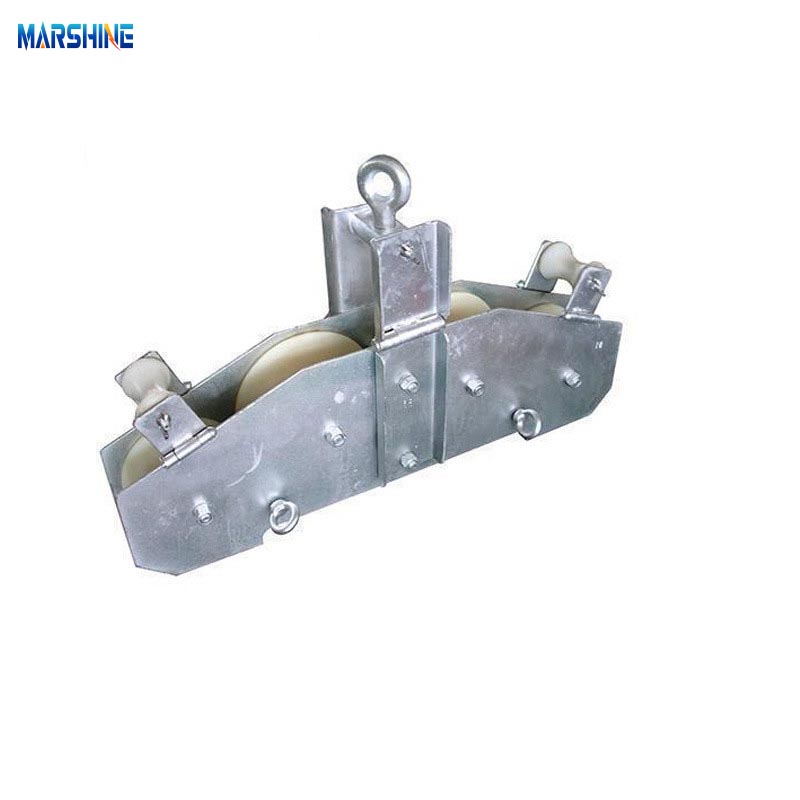
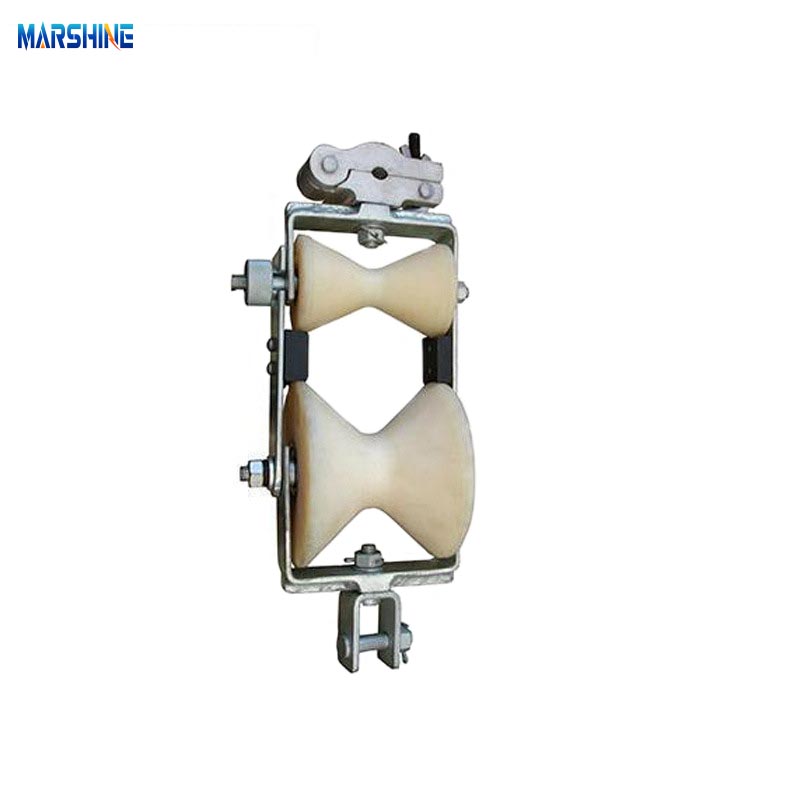
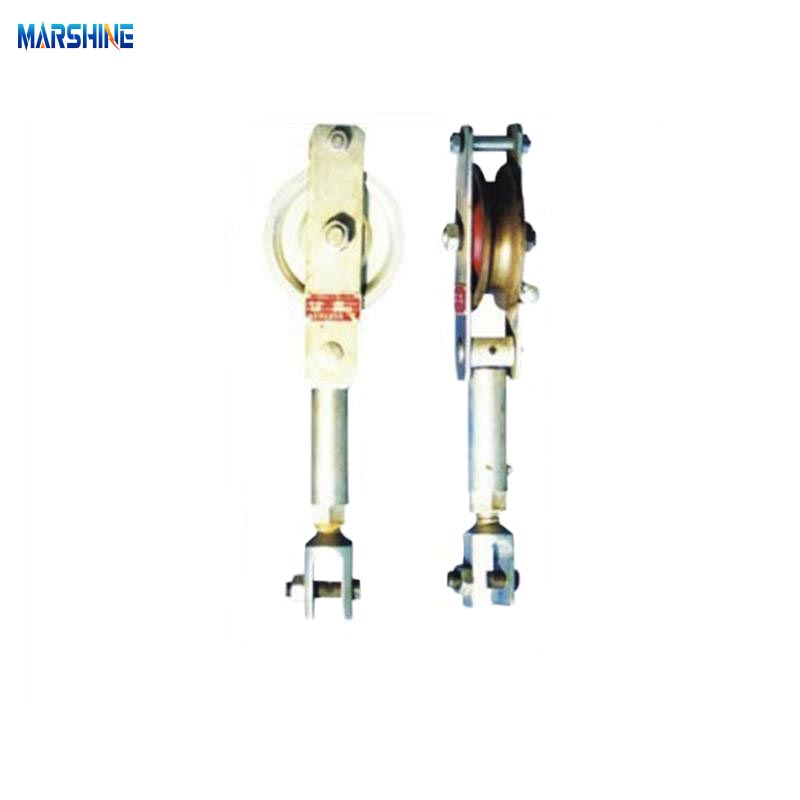
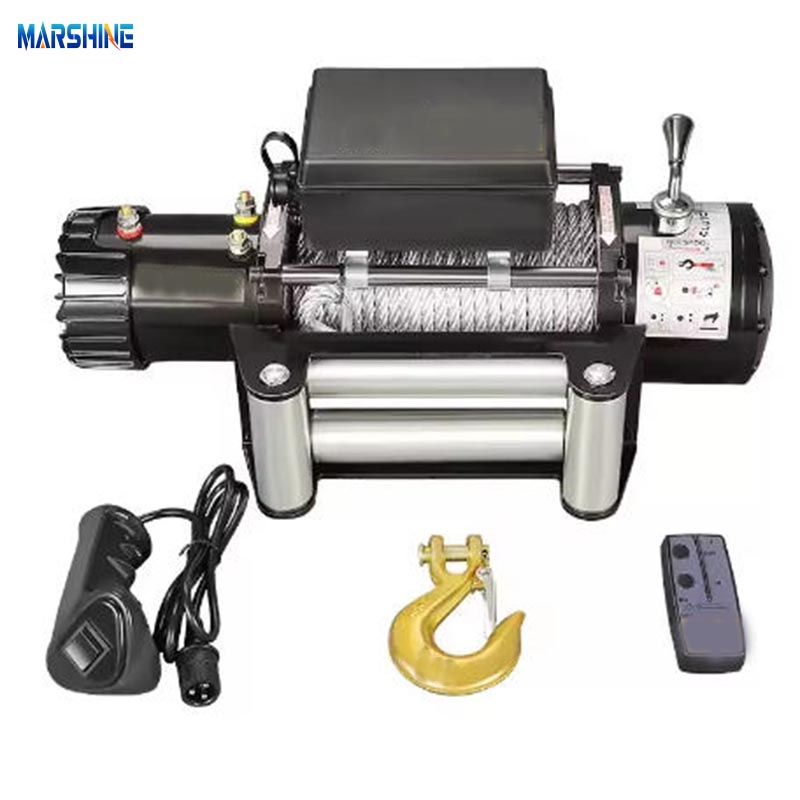
For pulling heavy-gauge cables through conduits, you need specialized aids. Tools like heavy-duty quadrant blocks and premium capstans help you with smooth 90-degree cable pulling. CableGlider tripods and extension frames provide support for extended reach. Amp-type tensiometers monitor pull tension in real-time. You might also use IWRC high-strength wire rope or antitwist rope for tough pulls. Some MARSHINE Tools offer robust solutions for these demanding tasks, ensuring your installations are efficient and safe.
Your comprehensive toolkit is crucial for successful, high-quality cable installations. Each tool plays a vital role. They ensure the functionality, safety, and longevity of cable systems. Using these tools effectively shows your professionalism and skill as a cable installer. You make reliable connections happen!
You need a full set of tools. No single tool is "most" important. Each one helps you make reliable, safe, and long-lasting cable connections.
You use specialized testers to confirm your cable systems work perfectly. They find hidden issues and ensure your network meets all performance standards. This guarantees quality.
You always wear PPE like gloves and safety glasses. Disconnect power and use lockout/tagout procedures. Inspect your gear daily. Your safety is always the top priority!