

A cable pull can fail long before the winch reaches its rated limit—often because the tool was matched to the load, not the route. Long conduit runs, tight bends, elevation changes, cable stiffness, and jobsite access all influence whether a portable capstan system performs smoothly or creates costly delays. Choosing the right unit means balancing pulling force, line speed, rope compatibility, power source, anchoring, and environmental durability. This guide breaks down the practical specifications crews should evaluate before buying or deploying a winch, from torque and speed control to weather sealing and mounting options, so each pull is safer, cleaner, and better suited to real field conditions.
Start With Cable Pulling Requirements
When crews are out on a rugged utility site or navigating complex underground conduits, a portable capstan winch quickly proves its worth. Unlike traditional drum winches that limit line length based on spool size, capstan models allow continuous pulling, making them essential for extensive cable runs. The first step to picking the right tool for the job is determining the precise requirements of the daily workload.
Define the pulling application
Defining the pulling application means looking closely at what kind of cable is moving and where it needs to go. Aerial fiber-optic installations demand smooth, continuous tension to prevent micro-bending, while heavy underground power cables require substantial, continuous pulling force. A primary advantage of a high-quality portable capstan winch is its infinite rope length capacity, which is a massive benefit when handling continuous pulls that span long distances. Operators need to assess if routine operations involve delicate telecom lines or heavy-duty electrical grids, as this dictates whether to prioritize precision speed control or maximum torque. Additionally, evaluate critical factors such as cable diameter and stiffness, conduit fill ratios, bend geometry, and whether the pull is uphill or horizontal. These variables directly dictate the required capacity and rigging approach.
Capture baseline jobsite specifications
Jobsite conditions dictate the physical footprint and environmental resilience the equipment must possess. If crews hike into remote areas, a lightweight setup featuring a durable aluminum frame becomes essential. Base units often weigh between 40 and 60 pounds, though this varies significantly based on capacity. Transport and setup logistics are equally important: consider how crews will anchor the winch, whether it requires custom frames for pole mounting or a trailer hitch receiver, and the comparative setup times. Conversely, urban environments might restrict exhaust emissions, pushing the need toward battery or tethered electric models. Weather also plays a role; IP65 or IP67-rated sealing on the gearbox and a corrosion-resistant capstan drum are vital specifications if the winch regularly faces rain, mud, or extreme humidity.
Compare Key Winch Specifications
Once the baseline jobsite needs are clear, it is time to dive into the technical specifications. The market offers a wide variety of power plants and gearing setups, so comparing these specs ensures the gear will not stall out halfway through a critical pull.
Evaluate pulling capacity and speed control
Pulling capacity and line speed are the twin pillars of winch performance. A reliable unit typically features a multi-stage planetary gear system that allows operators to balance speed and power. For instance, a dual-capstan design might offer a high-speed mode for lighter loads, and a low-speed, high-torque mode designed to handle heavy pulls that align with the unit's maximum working load limit. Good speed control features, like a progressive throttle or a variable frequency drive on electric models, prevent sudden jerks that could snap a synthetic rope or damage the cable jacket.
This is also where rope compatibility and handling come into play. Capstan winches require specific synthetic rope materials and diameters; using the incorrect rope causes dangerous slippage or accelerated wear. Operators must master the rope-wrap technique—specifically the number of turns on the drum and the applied tail tension—to safely achieve the rated pulling capacity. Crews must also adhere to minimum bend radius guidelines, conduct regular inspections for fraying or glazing, and establish clear retirement criteria for synthetic ropes.
Compare gasoline, electric, and hydraulic options
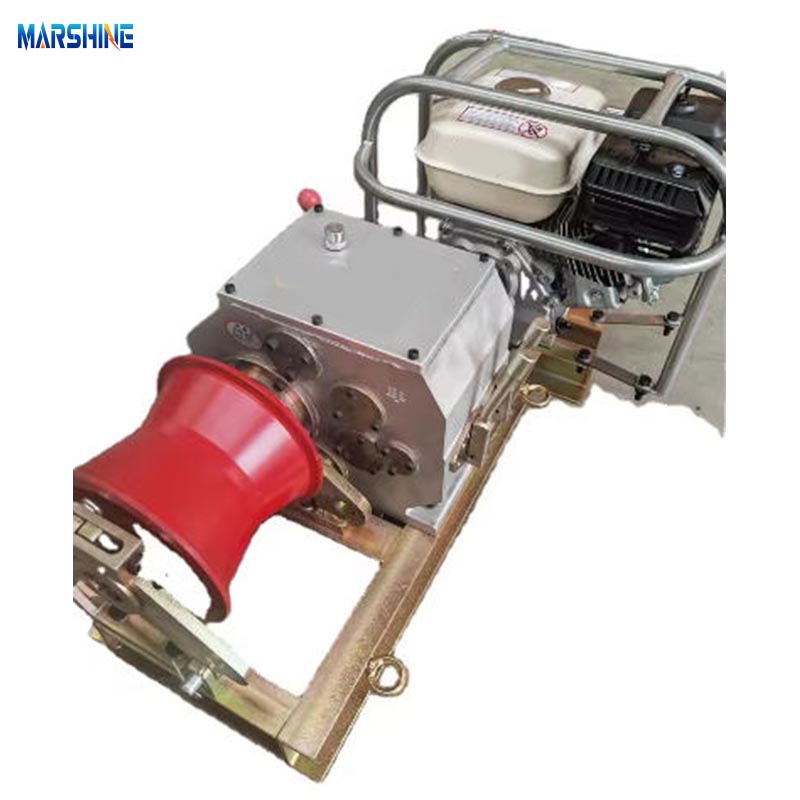
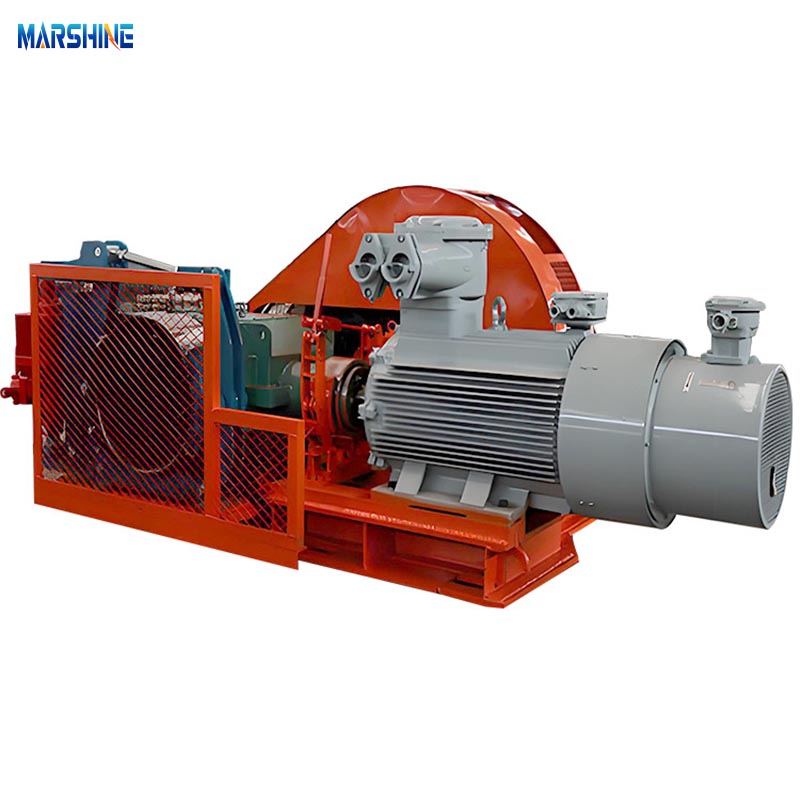
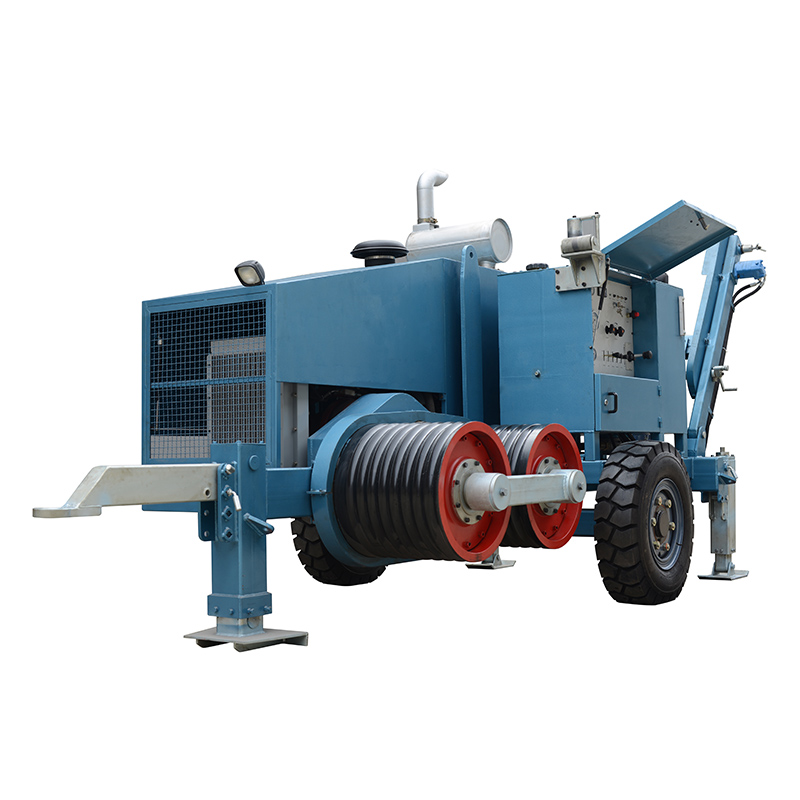
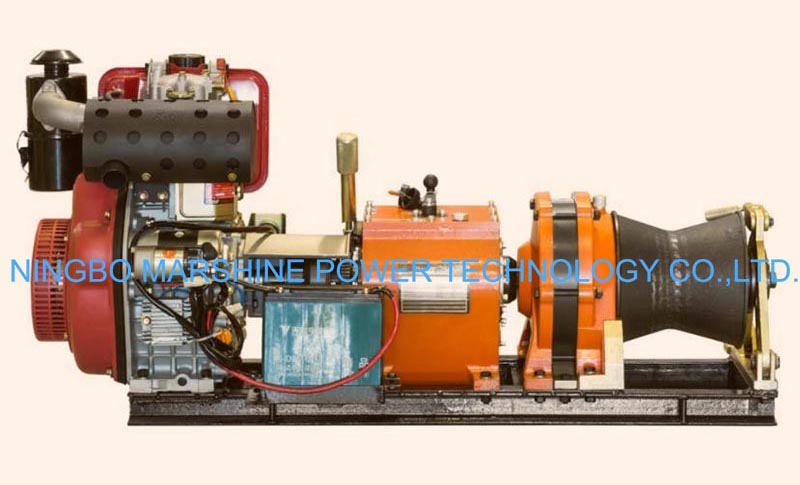
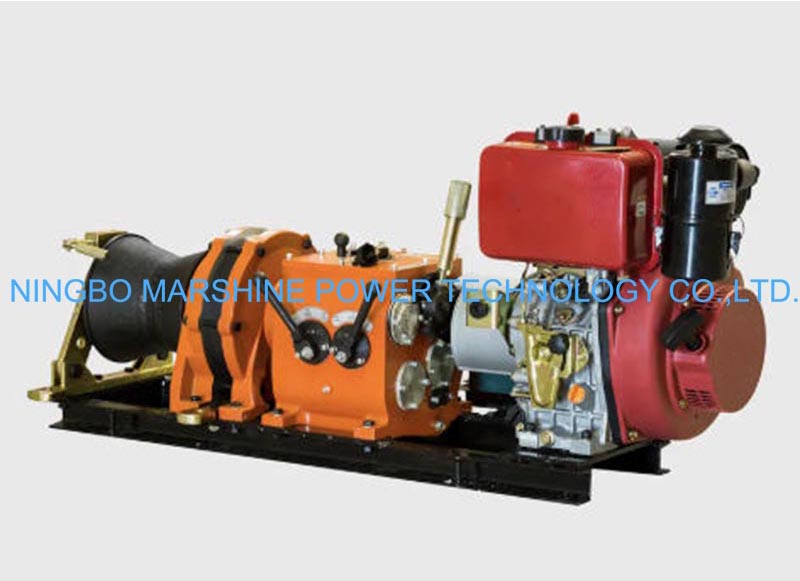
Choosing the right power source comes down to balancing portability with sustained power. A Diesel or Gas Powered Capstan Winch offers high mobility and torque, making it suitable for remote transmission line work where grid power is nonexistent. These models often feature robust combustion engines with advanced heat dissipation fins on the drum to prevent rope melting during long, heavy pulls. Electric models shine in enclosed spaces due to zero emissions and low noise, though they depend on a nearby outlet or heavy battery packs. Hydraulic units provide the highest continuous duty cycles but require a dedicated hydraulic power unit (HPU).
| Power Source | Typical Max Capacity (lbs)* | Ideal Environment | Practical Limitations |
|---|---|---|---|
| Gas / Diesel | 2,000 - 4,000 | Remote outdoor sites | Fuel storage requirements, exhaust emissions |
| Electric | 1,000 - 2,500 | Indoors, urban vaults | Battery runtime, requires external power source |
| Hydraulic | 3,000 - 5,000+ | Heavy utility zones | Requires dedicated HPU, higher system weight |
*Note: Capacities vary widely. Hydraulic capacities depend entirely on HPU sizing, electric limits vary by voltage and motor type, and gas/diesel figures assume specific engine sizes.
Whether opting for an electric unit or a heavy-duty Engine Driven Capstan Winch designed for extended runtimes, operators must match the continuous torque output to the heaviest expected load on the schedule.
Choose a Safe and Reliable Supplier
Even the most impressive specifications mean little if the equipment fails under pressure or lacks factory support. Partnering with an established manufacturer guarantees that the winch meets rigorous industrial standards and is supported by reliable technical documentation.
Confirm safety factor and operating limits
Safety in cable pulling is non-negotiable. Quality winches incorporate critical safety features like anti-reversing roller clutches, which hold the load instantly if the operator releases the rope or if power fails. It is crucial to verify the equipment's safety factor; industry standards (such as those from IEEE or ASTM) typically recommend a 3:1 or even 5:1 structural safety margin depending on the application. Furthermore, modern capstan winches should include overload protection mechanisms that stall or bypass when the load exceeds the manufacturer's specified working load limit, protecting both the crew and the expensive cable being installed.
Shortlist manufacturers and support options
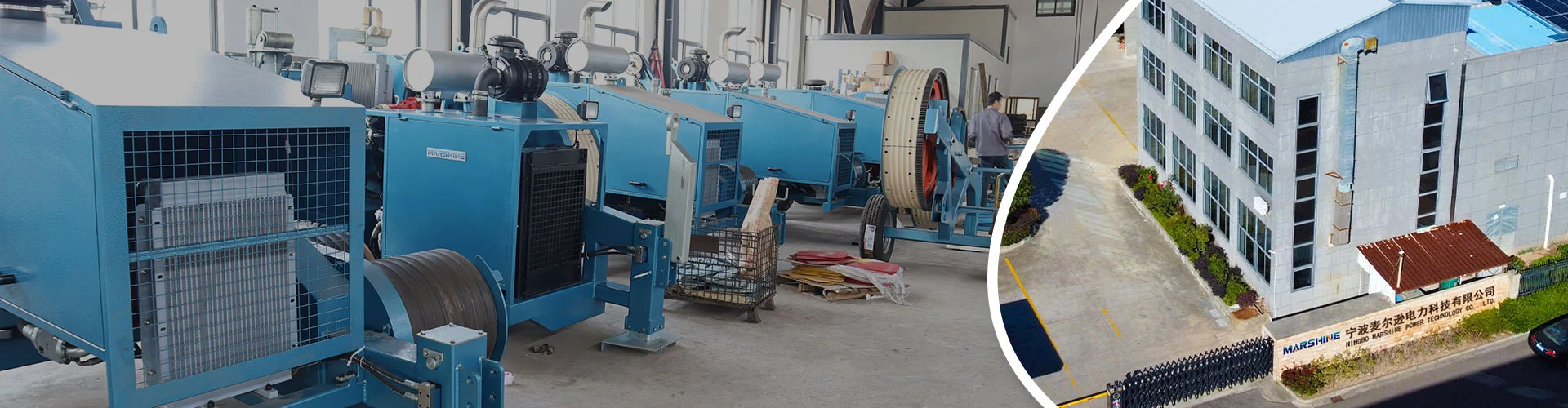
Shortlisting the right supplier involves looking at their track record, quality certifications, and the breadth of their catalog. Evaluating established manufacturers—such as MARSHINE or similar providers—helps ensure consistent manufacturing standards. Look for example certifications like ISO 9001 or equivalent quality management standards rather than assuming all brands meet baseline safety requirements.
Further reading:
Key Takeaways
- Define the cable type, route length, bend geometry, conduit fill, and elevation change before selecting a portable capstan winch.
- Choose higher torque for heavy underground power cable and prioritize smooth, precise tension control for fiber-optic or telecom cable.
- A capstan design is best for long cable runs because it allows continuous pulling without being limited by drum spool capacity.
- Match the power source to the jobsite: gas for remote outdoor work, electric for emission-restricted areas, hydraulic for equipment-supported sites, and battery for compact low-noise tasks.
- Look for controlled line speed, compatible rope specifications, reliable anchoring options, and weather-resistant construction for safer field performance.
Frequently Asked Questions
What makes a portable capstan winch useful for long cable pulls?
A capstan winch supports continuous pulling because rope is not limited by drum capacity. This makes it practical for long conduit runs, utility work, telecom installations, and field jobs where crews need controlled tension over extended distances.
How much pulling capacity do I need?
Start with cable weight, conduit length, bends, elevation change, and friction. Heavy underground power cable usually needs higher torque, while fiber or telecom work may need smoother tension control more than maximum force.
Should I choose gas, electric, hydraulic, or battery power?
Choose based on site conditions. Gas works well in remote outdoor areas, electric suits indoor or emission-restricted jobs, hydraulic is ideal when equipment power is available, and battery models help with compact, lower-noise pulling tasks.
Why is speed control important in cable pulling?
Smooth speed control helps prevent shock loading, rope damage, cable jacket abrasion, and fiber micro-bending. Look for progressive throttle, variable speed drives, or multi-speed gearing when precision matters.
What jobsite factors affect winch selection?
Consider transport weight, anchoring method, pole or hitch mounting, weather exposure, mud, humidity, and available power. Remote crews may prefer lighter aluminum frames, while wet environments need sealed gearboxes and corrosion-resistant drums.