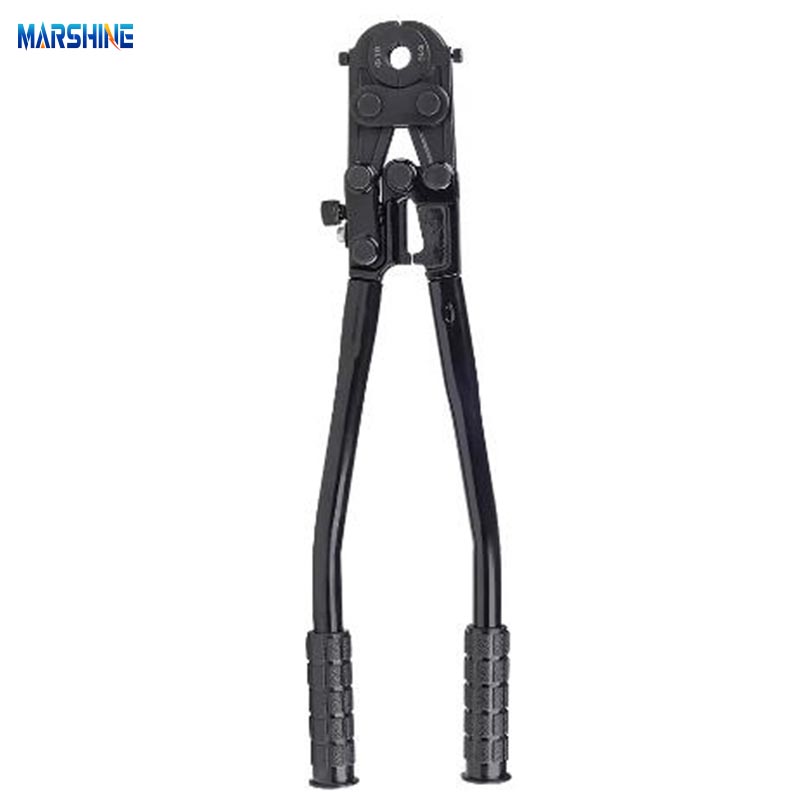


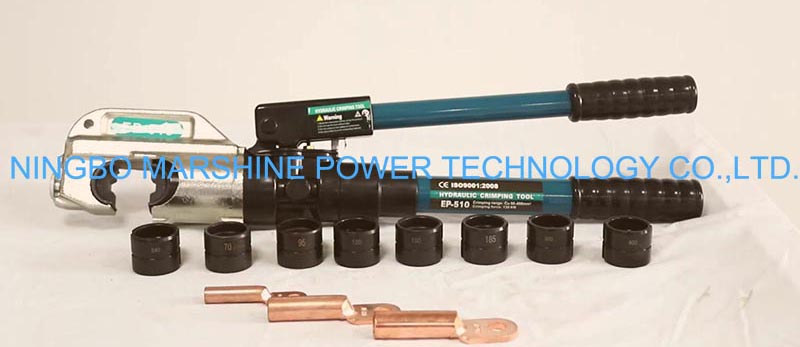
A cable termination can look clean and still fail if the crimper, die, lug, and cable specification do not match. For heavy-duty power, utility, and industrial cable work, a manual hydraulic crimping tool offers a practical middle ground between simple lever tools and costly battery-powered units. It can deliver high compression force without external power, but the right choice depends on cable size, terminal material, die profile, working access, and operator workload. This guide explains how to evaluate capacity ranges such as 16mm² to 400mm², compare die systems, and choose features that help produce consistent, low-resistance, mechanically secure crimps in demanding field conditions.
Define the Cable Crimping Requirements
Tackling a heavy-duty wiring project means you need reliable, void-free connections, and that is exactly where a solid mechanical hydraulic crimper excels. In this guide, the term "mechanical hydraulic" refers specifically to manual, hand-pumped hydraulic crimpers. These tools bridge the gap between standard non-hydraulic mechanical tools (such as basic lever or hammer crimpers) and expensive battery-powered hydraulic units. They utilize an internal hydraulic fluid reservoir to multiply your grip, delivering massive pressure without requiring batteries or an external power source. However, buyers should note that operating a high-capacity manual unit requires significant physical effort; this is a primary consideration when choosing between manual and powered models. When you start shopping, the first step is pinning down exactly what your project demands, focusing on the specific features that will make your daily operations smoother and more efficient.
Cable size and terminal type
The most critical factor is matching the tool to your cable size and terminal material. Mechanical hydraulic crimpers typically handle a broad spectrum of cross-sectional areas, often ranging from 16mm² up to 400mm² for heavy industrial power cables. Standard die sets usually include 16, 25, 35, 50, 70, 95, 120, 150, 185, 240, and 300 mm² sizes. Copper and aluminum require different handling due to their distinct malleability.
Beyond size, matching the terminal manufacturer's specified die profile—whether hexagonal, indent, or circumferential—is as critical as matching the cross-sectional area. Crimping force alone does not guarantee a proper connection; the die profile and lug standard (such as DIN, AWG, or proprietary profiles) must be perfectly matched to prevent over-crimping or loose connections that could lead to electrical faults.
Pay close attention to die compatibility and retention mechanisms, such as magnetic, spring-loaded, or screw-in designs. Be aware that proprietary die retention systems can lock you into a single manufacturer’s ecosystem, making cross-brand dies incompatible. Incompatible or poorly retained dies are a common source of tool damage and defective crimps.
Because correct tool specifications alone do not guarantee a reliable field connection, it is also essential to implement crimp-quality verification methods. Utilizing pull-force testing, go/no-go gauges, or strict visual inspection standards ensures the integrity of your connections. Additionally, regular die inspection and calibration are necessary to maintain precise crimp dimensions over time.
Application and working environment
Next, think about where the tool will actually be used. Are you splicing underground lines in a cramped trench, or working on aerial cables up in a bucket truck? A standout feature to look for is a 180-degree or 360-degree rotating C-head, which allows operators to approach difficult angles without twisting their wrists or assuming uncomfortable postures. Manufacturers design specialized equipment for both aerial and underground cable environments, prioritizing safe and easy-to-handle features that withstand harsh weather and rough job site conditions. Choosing a tool with a compact head design ensures you can navigate tight enclosures while still generating the necessary tonnage for a secure crimp.
Compare Mechanical Hydraulic Crimper Specifications
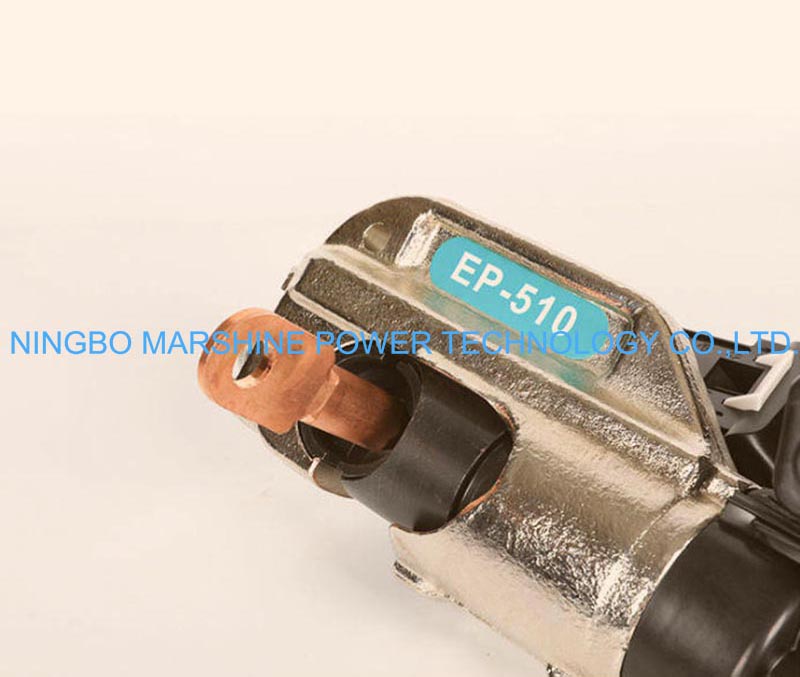
Once you have a handle on the basic requirements, it is time to dig into the technical specifications. Not all hydraulic crimpers are built the same, and comparing the raw numbers alongside the built-in safety features will help you separate professional-grade equipment from entry-level gear.
Crimping force, die range, and stroke
The core specs to evaluate are crimping force, the acceptable die range, and the stroke length. A standard medium-duty manual hydraulic crimping tool typically generates around 60KN (about 6 tons) of force with a 12–16 mm stroke, which is plenty for cables up to 150mm². For heavier industrial tasks, you will need a 120KN (12-ton) model with a larger 20–24 mm stroke to accommodate up to 400mm² lugs. A two-stage hydraulic pump is a highly desirable feature here, as it rapidly advances the die to the connector before automatically switching to a high-pressure phase for the actual crimp, saving significant time on repetitive tasks.
However, buyers must consider the ergonomic limitations of heavy-duty models. Achieving 12 tons of force via hand pumping requires substantial physical effort and time per crimp, which directly impacts productivity and increases operator fatigue on high-volume jobs.
Note that force, stroke, weight, and maximum cable size vary by brand and model; the figures below represent common examples rather than rigid industry-wide classes.
| Tool Class | Typical Force | Stroke Length | Max Cable Size | Approx. Weight |
|---|---|---|---|---|
| Medium-Duty | 60 KN (6 Ton) | 12–16 mm | Up to 150 mm² | 2.5–3.5 kg |
| Heavy-Duty | 120 KN (12 Ton) | 20–24 mm | Up to 400 mm² | 5.0–6.5 kg |
Build quality, safety, and certifications
Raw power means little without durability and safety. High-quality models feature forged steel crimping heads and lightweight aluminum alloy bodies to keep the tool weight manageable. A crucial safety feature to look for is an automatic pressure relief valve that clicks or vents pressure once the maximum pressure is reached, preventing damage to the dies and the tool itself.
Additionally, buyers must be prepared for practical field maintenance. This includes checking for fluid leaks, bleeding air from the system, accounting for sluggish hydraulic fluid viscosity in cold weather, and always storing the tool with the pressure fully released to preserve seal integrity and tool longevity.
When evaluating build quality, check for industry certifications. While many manufacturers operate under ISO 9001 certification—which indicates a strong general quality management system—you should also look for product-level safety marks. Note that the IEC publishes standards but does not directly certify products; therefore, look for compliance with IEC standards, CE marking, or actual third-party certifications (such as the CB Scheme) to ensure the tool meets rigorous safety requirements for demanding power grid construction.
Choose the Right Mechanical Hydraulic Crimper
Armed with the right specs and an understanding of your working environment, you are ready to finalize your decision.
Further reading:
Key Takeaways
- Match the crimper to your cable cross-section, with many manual hydraulic models covering about 16mm² to 400mm² for heavy cable applications.
- Select dies by cable size, lug material, and required profile such as hexagonal, indent, or circumferential, not by crimping force alone.
- Check die retention systems before buying, because proprietary magnetic, spring-loaded, or screw-in designs may limit cross-brand die compatibility.
- Choose a compact head with 180-degree or 360-degree rotation when working in trenches, cabinets, aerial buckets, or other confined access points.
- Verify every critical crimp with visual standards, go/no-go gauges, pull-force testing, and regular die inspection or calibration.
Frequently Asked Questions
What is a mechanical hydraulic crimper?
It is a manual, hand-pumped hydraulic tool that multiplies hand force through an internal hydraulic system, allowing operators to crimp large cable lugs without batteries or an external power source.
What cable sizes can mechanical hydraulic crimpers usually handle?
Many heavy-duty models cover cable cross-sections from about 16mm² to 400mm², with common die sizes including 16, 25, 35, 50, 70, 95, 120, 150, 185, 240, and 300mm².
Why is die compatibility important?
The die must match the cable size, terminal material, and required crimp profile. A mismatched die can cause loose connections, over-crimping, tool damage, or electrical faults.
Can one crimper be used for both copper and aluminum lugs?
Often yes, but only if the tool and die set are rated for the specific lug material and size. Copper and aluminum deform differently, so always follow the terminal manufacturer’s crimping specification.
What head design is best for tight cable work areas?
A compact C-head with 180-degree or 360-degree rotation is useful in trenches, cabinets, bucket trucks, and other restricted spaces because it improves access and reduces awkward wrist positioning.